
15 Landscape Edging Ideas That Actually Make Your Yard Look Finished
Picture this: your lawn is freshly mowed, your flower beds are full, and you have mulch laid down perfectly. But somehow, the yard still looks unfinished.
Here is the thing most homeowners miss. Without clean edging, even a well-maintained yard looks like it is missing something. The edges are where the lawn meets the garden bed, and that line tells the whole story.
The good news? You have options. Whether you are working with a tight budget, a modern aesthetic, or a desire to go the DIY route, this guide covers 15 landscape edging ideas sorted by material and budget, with real cost data, lifespan comparisons, and practical advice to help you pick what actually works for your yard.
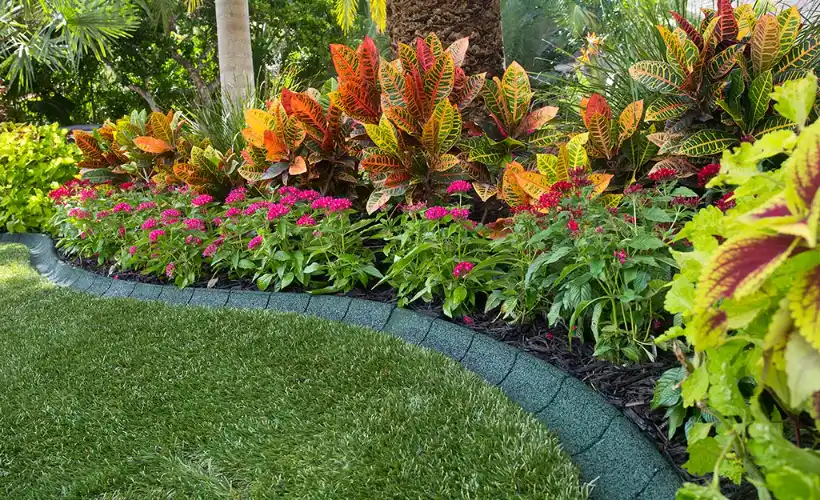
Why Landscape Edging Ideas Are Worth Your Attention
The Curb Appeal Case for Clean Edges
First impressions happen fast. Curb appeal is one of the biggest factors in how a property is perceived, and landscape edging is one of the fastest ways to improve it. Clean, defined edges signal that a property is cared for and intentional.
Think of it like a picture frame. The painting inside might be stunning, but a crooked or missing frame ruins the whole effect.
The Practical Benefits Beyond Looks
Edging is not just cosmetic. Here is what it actually does for your lawn:
- Prevents grass from creeping into flower beds and garden areas
- Keeps mulch and soil contained, especially during heavy rain
- Creates a clear mowing path so your trimmer follows the line every time
- Reduces weed spread from the lawn into planted areas
- Helps with water flow and soil erosion management
Good edging saves you maintenance time every single week of the growing season.
Classic Landscape Edging Ideas That Always Deliver
These are the materials that have stood the test of time. They work with almost any yard style and hold up for years with minimal upkeep.
Brick Edging
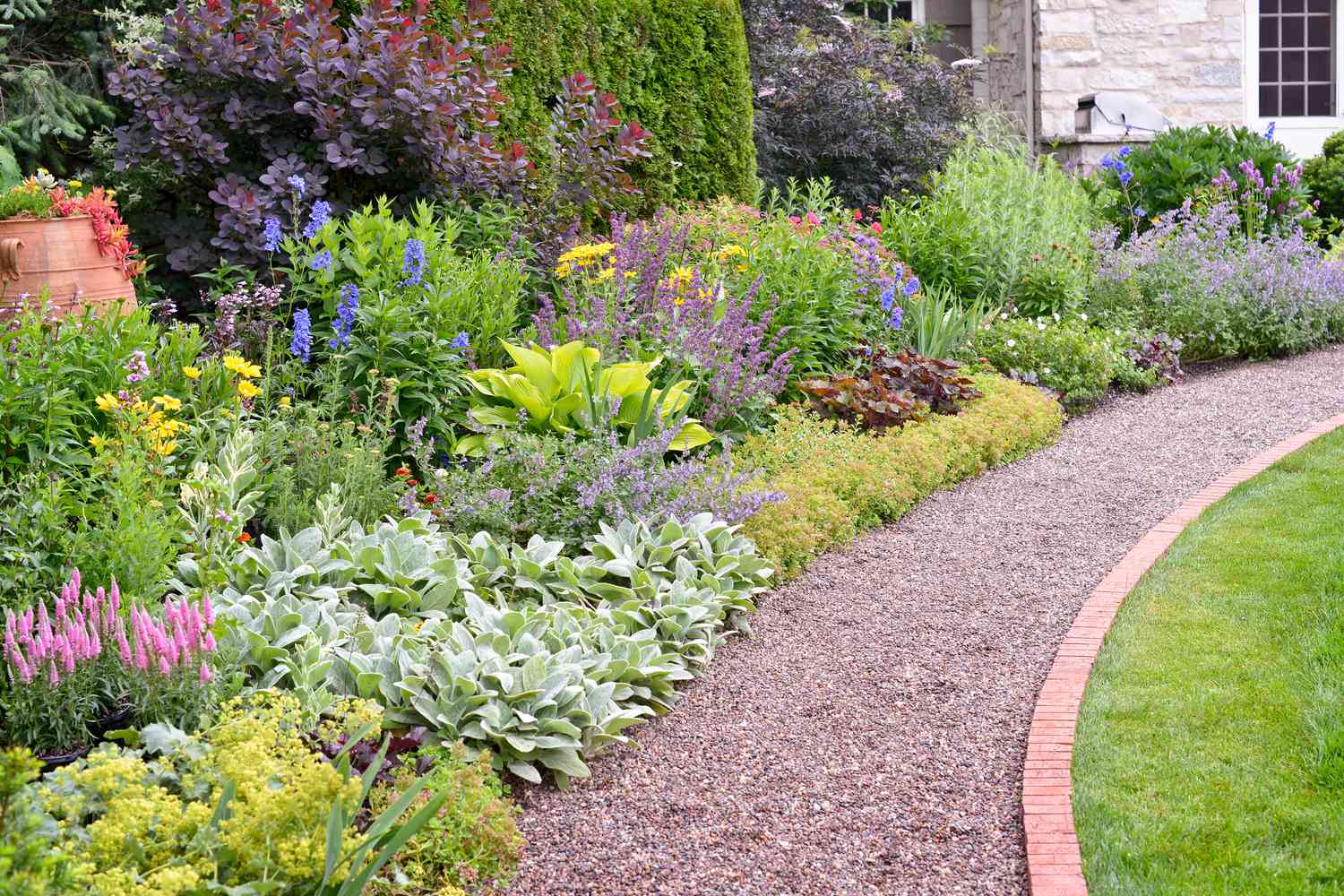
Brick is one of the most popular landscape edging choices for a reason. It is durable, widely available, and gives a clean, classic look that works with both traditional and cottage-style homes.
You can lay bricks flat in a trench for a low-profile border or stand them upright for a more defined edge. Clay edgers come in multiple colors, shapes, and even scalloped styles for extra character. Learn how to install brick edging the right way so it stays level and lasts through freeze-thaw cycles.
Cost range: $2 to $6 per linear foot installed. Lifespan: 15 to 20 years.
Natural Stone and River Rock Borders
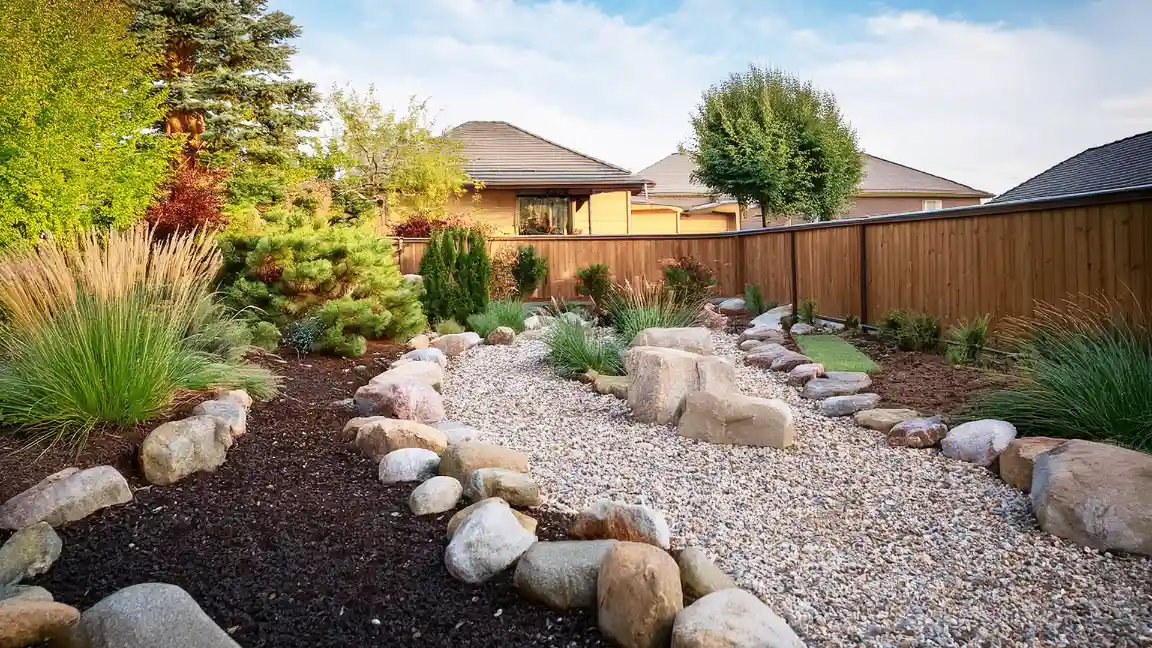
Natural stone brings a timeless, organic feel to any yard. River rock and fieldstone blend naturally into the landscape without looking forced or overly engineered.
This style works especially well with cottage gardens, woodland-inspired yards, and homes with a rustic or earthy design. Stone also handles US climate extremes well, from humid Southern summers to cold Northern winters. The downside is that installation is more labor-intensive than other options.
Cost range: Higher end, typically $5 to $15 per linear foot installed. Lifespan: 30 or more years.
Concrete Landscape Edging
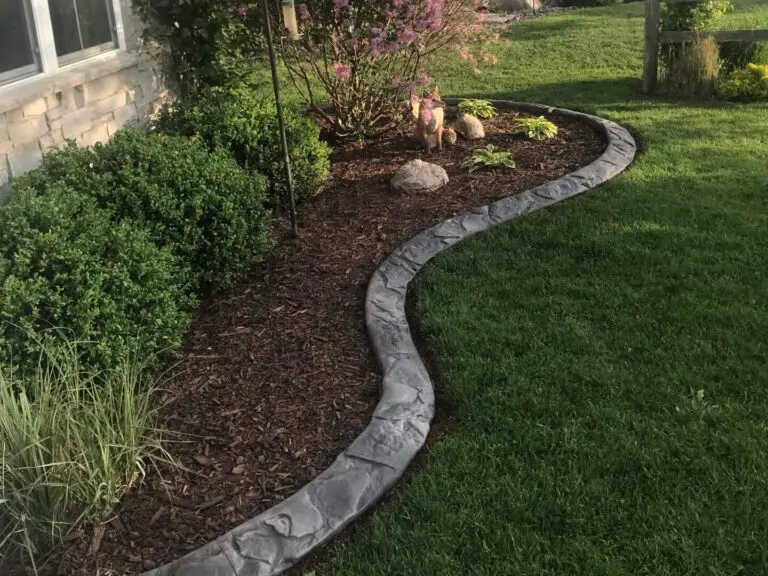
Concrete is one of the most versatile edging materials available. It can be molded into virtually any shape, stamped to mimic stone or brick, and tinted to match your exterior. Concrete curbing is a favorite for professional installers because it creates a seamless, continuous border.
The one catch is that concrete is the only edging type that typically requires professional installation, since it uses specialized equipment. It can also crack over time in areas with extreme temperature swings.
Cost range: $7 to $20 per linear foot professionally installed. Lifespan: 20 or more years.
Modern Landscape Edging Ideas for a Contemporary Look
If your home leans toward clean lines and a minimalist design, metal edging is where the conversation starts.
Steel Edging for Sharp, Sleek Lines
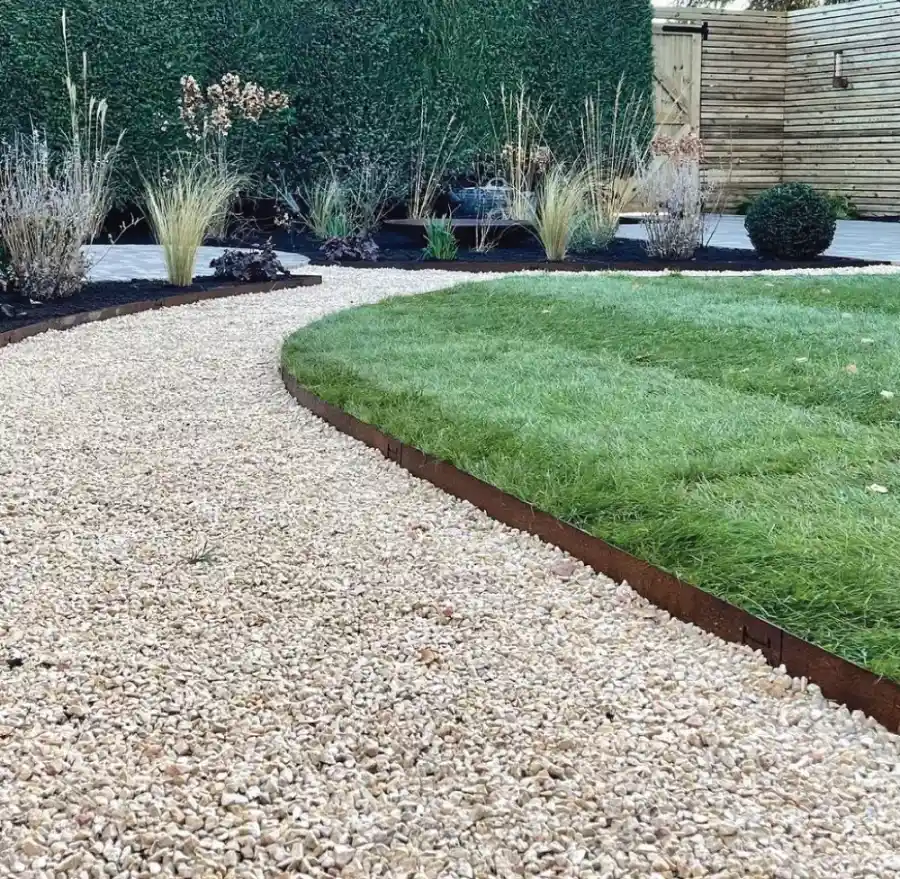
Steel edging is the go-to for modern and formal landscape designs. It creates a razor-sharp separation between lawn and bed, holds its shape through heavy use, and barely needs any attention once installed. Steel edging is widely considered the best overall choice for homeowners who want a permanent, professional-looking border.
The only watch-out: galvanized steel can eventually rust, especially in coastal climates where ocean spray accelerates corrosion.
Cost range: $2 to $10 per linear foot for materials. Lifespan: 20 to 25 years.
Corten Metal: The Rusty Look That Is Actually Premium
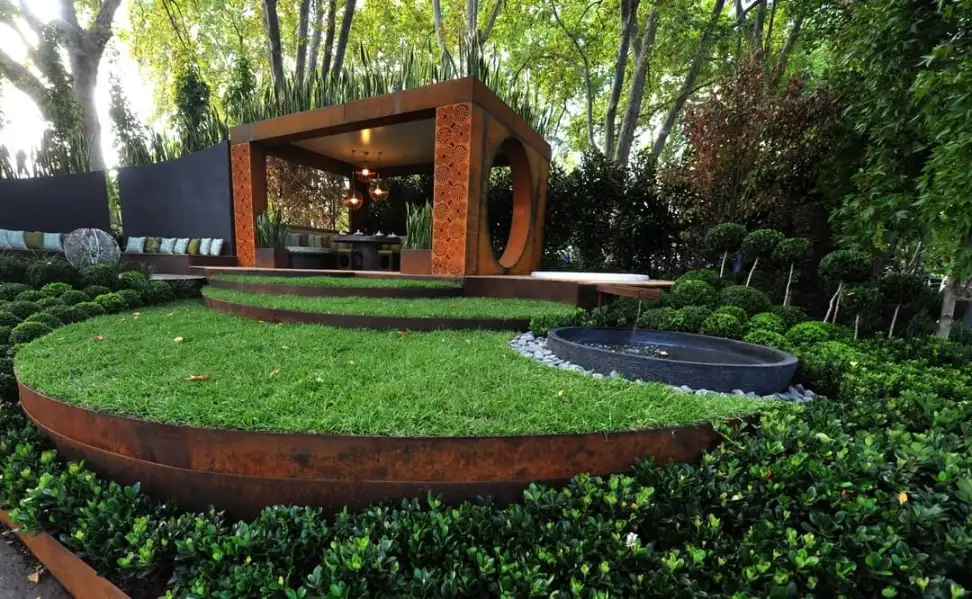
Here is something most people do not know. Corten steel is designed to rust on the surface, and that oxidized layer actually protects the steel underneath. The warm, weathered brown tone looks intentional and pairs beautifully with gravel paths, ornamental grasses, and modern desert or Southwestern landscapes.
It is a premium option, but Corten steel can last 50 to 100 years or more with essentially zero maintenance.
Cost range: Higher than standard steel. Lifespan: 50 to 100-plus years.
Aluminum Edging for Low-Maintenance Curves
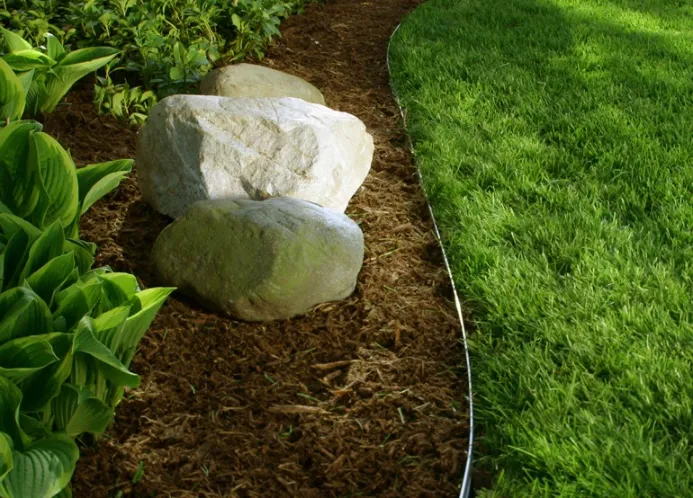
Aluminum is the most flexible of the metal options, making it the best choice for curved garden beds and meandering paths. It does not rust, it does not corrode, and it holds its shape for decades.
According to landscaping professionals, aluminum edging delivers the best overall balance of durability, flexibility, and professional appearance among all metal types. It is also DIY-friendly, which saves significantly on installation costs.
Cost range: $2 to $6 per linear foot for materials. Lifespan: 30 or more years.
Budget-Friendly Landscape Edging Ideas Anyone Can Try
Not every project needs to be a big investment. These options get the job done at a fraction of the cost.
Plastic Edging: Cheap, Flexible, and Functional
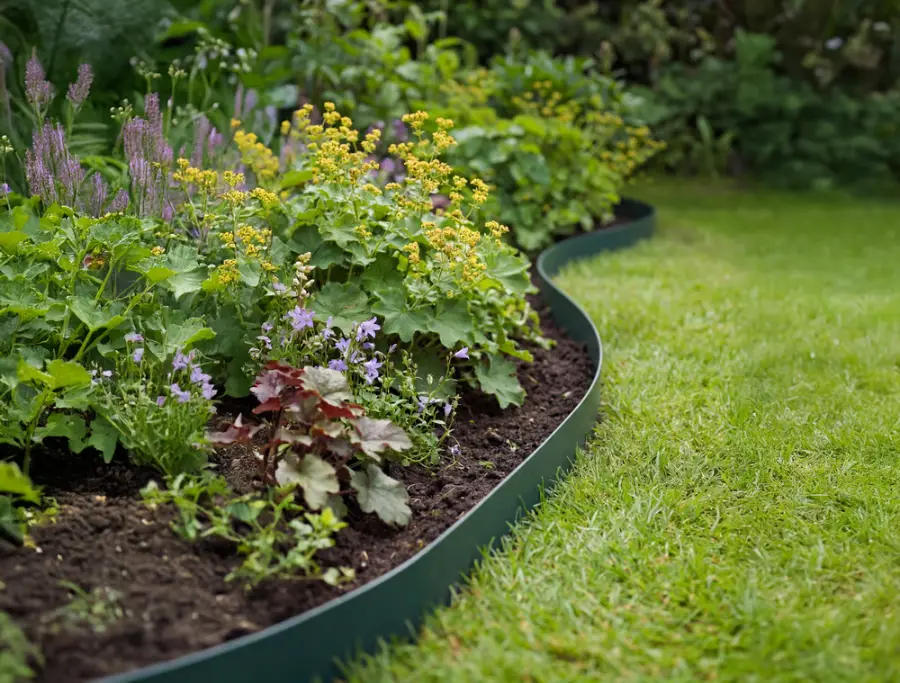
Plastic edging is the most affordable option on the market and the most popular choice for first-time DIYers. It comes in long rolls, bends easily around curves, and installs with basic tools and a rubber hammer.
The trade-off is longevity. Plastic breaks down under UV exposure faster than any other material. Still, for low-visibility areas or temporary borders, it is hard to beat at $0.50 to $2.00 per linear foot.
Lifespan: 3 to 5 years.
Rubber Edging: Eco-Friendly and Kid-Safe
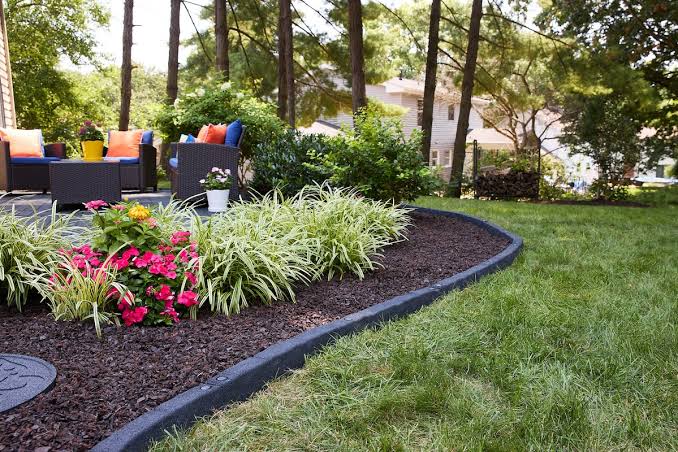
Rubber edging is made from recycled tires, which makes it a great option for eco-conscious homeowners. It is soft enough to be safe around children and pets, flexible enough to handle curves, and durable enough to last a decade with minimal care.
It is not the most attractive material, but in casual or backyard settings, function wins.
Cost range: $2 to $5 per linear foot. Lifespan: approximately 10 years.
Wood Timber and Log Roll Edging
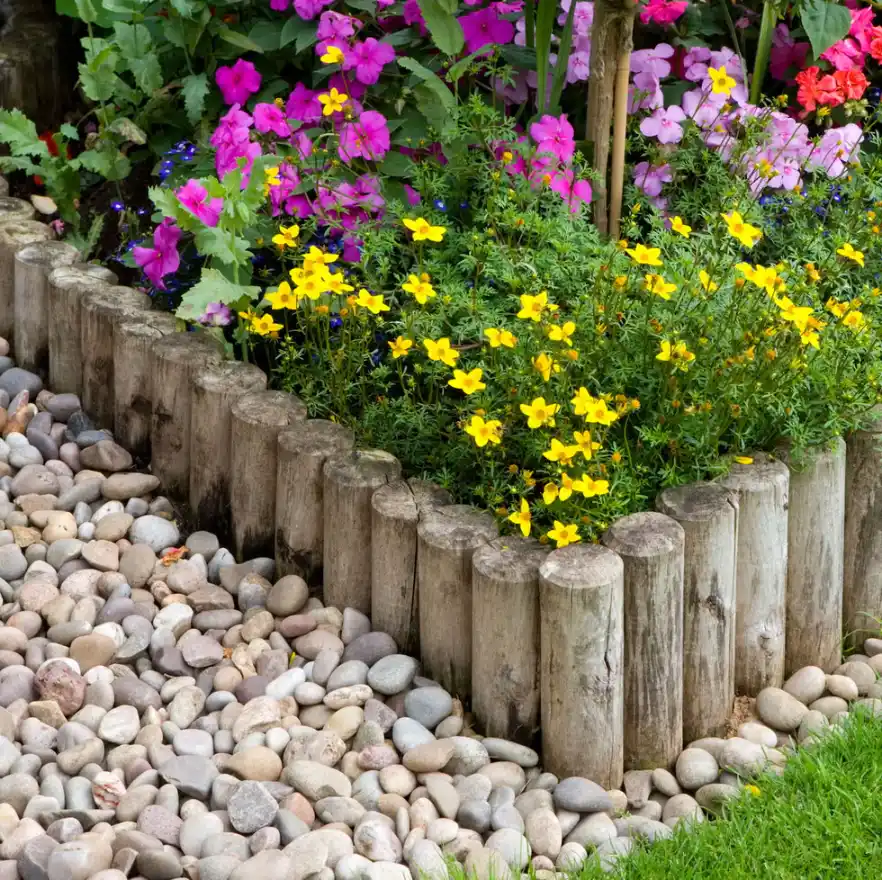
Wood edging brings a warm, natural look that works perfectly in cottage gardens, vegetable patches, and rustic yards. Pressure-treated pine, cedar, and redwood are the most rot-resistant options.
The honest reality is that all wood eventually decays. In wet climates, this process speeds up. Plan to replace wood edging every 5 to 10 years depending on the species and your local weather.
Cost range: $1 to $5 per linear foot. Lifespan: 5 to 10 years.
Trench or Spade Edging: Zero Cost, Zero Materials
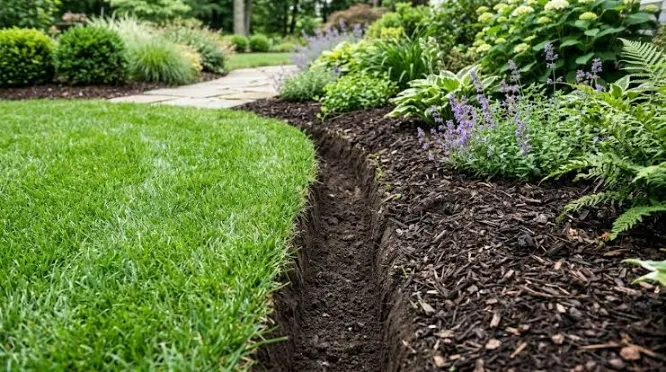
Here is the edging idea that costs nothing. Trench edging uses a flat spade or half-moon edger to cut a clean, defined line between your lawn and garden beds. No materials, no installation, no cost.
The catch is that it requires regular re-cutting, typically once or twice per growing season, to keep the line sharp. But for minimalist landscapes, nothing looks cleaner.
Cost range: $0. Just your time and a good spade.
Landscape Edging Material Comparison Table
Use this at a glance to compare your options before making a decision.
| Material | Cost Per Linear Foot | Lifespan | DIY Friendly | Best For |
|---|---|---|---|---|
| Plastic | $0.50 to $2 | 3 to 5 years | Yes | Budget projects, first-timers |
| Rubber | $2 to $5 | Around 10 years | Yes | Eco-conscious, family yards |
| Wood | $1 to $5 | 5 to 10 years | Yes | Rustic, cottage gardens |
| Brick | $2 to $6 | 15 to 20 years | Moderate | Classic, traditional homes |
| Aluminum | $2 to $6 | 30 or more years | Yes | Curved beds, modern designs |
| Steel | $2 to $10 | 20 to 25 years | Yes | Formal, minimalist yards |
| Corten Steel | Higher | 50 to 100 or more years | Moderate | Premium, Southwestern style |
| Concrete | $7 to $20 | 20 or more years | No | Seamless, professional installs |
| Natural Stone | $5 to $15 | 30 or more years | Moderate | High-end, permanent borders |
How to Choose the Right Landscape Edging for Your Yard
Match Your Edging to Your US Climate
Climate matters more than most homeowners realize. Here is what to keep in mind:
- Cold climates with freeze-thaw cycles: Avoid poured concrete as your first choice. Frost heave can lift and crack it. Flexible metal or aluminum handles temperature swings much better.
- Coastal areas: Skip standard steel. Salt air accelerates rust. Aluminum, stone, or Corten are better choices near the ocean.
- Hot, dry climates: Plastic degrades faster under intense UV. Stone, gravel, or metal last significantly longer in the Southwest.
- Wet, humid climates: Wood rots faster in the South and Pacific Northwest. Rubber, stone, or brick are smarter long-term investments.
DIY Installation vs. Hiring a Lawn Professional
Most edging materials are DIY-friendly. Plastic, rubber, aluminum, steel, and even brick can all be installed by a motivated homeowner with a few basic tools.
That said, some projects are worth hiring out. Poured concrete curbing requires specialized equipment that most homeowners do not have. Larger projects with complex shapes, slopes, or difficult soil also benefit from professional installation. According to Angi, most homeowners spend between $300 and $2,000 on a professional edging installation for an average-size yard.
A good rule of thumb: if you are comfortable with a rubber mallet, a flat spade, and a measuring tape, you can handle most edging projects in a weekend.
Frequently Asked Questions About Landscape Edging Ideas
What is the cheapest landscape edging idea?
Plastic edging is the cheapest purchased material, starting at $0.50 per linear foot. But trench edging using just a flat spade is completely free and produces a clean, professional-looking line.
What landscape edging lasts the longest?
Corten steel, natural stone, and aluminum are the longest-lasting options. Corten steel in particular can last 50 to 100 or more years. Natural stone and aluminum both regularly exceed 30 years with minimal maintenance.
How deep should landscape edging be installed?
Most landscape edging professionals recommend installing edging 4 to 6 inches deep, with the top edge sitting at or just above the lawn surface. This depth prevents grass roots from growing underneath and keeps the edging stable through seasonal ground movement.
What is the best landscape edging for flower beds?
Brick, aluminum, and natural stone are top picks for flower beds. They look attractive, last long, and create a clean visual separation without overwhelming the plants. Aluminum is the most flexible option for curved or irregular bed shapes.
Can landscape edging help with weed control?
Yes, edging reduces weed spread significantly, but it works best when combined with landscape fabric or mulch inside the bed. Edging stops grass and weeds from creeping in from the lawn side. For full weed control within the bed itself, a barrier fabric beneath the mulch adds another layer of defense.
Wrapping Up
Landscape edging is one of the highest-return improvements you can make to your yard. It does not cost much, it does not take long, and the difference is immediately visible.
Here is a quick summary before you get started:
- Choose your material based on budget, climate, and how long you want it to last
- Budget picks: plastic, rubber, trench edging
- Mid-range picks: brick, aluminum, wood
- Premium, permanent picks: steel, Corten, natural stone, concrete
- Install at 4 to 6 inches deep for stability
- Match your material to your US climate zone
- DIY works for most materials. Hire a pro for concrete curbing or large complex projects
The right edging does not just define your garden beds. It defines what kind of yard you keep.
Ready to take the next step? Explore more lawn care guides on GenLawn to keep every corner of your yard looking its best, or get a free quote from a local lawn care pro to get the job done right.
References and Sources
- LawnStarter: Landscape Edging Cost Guide 2026
- D and G Flooring: Landscaping Edging Types and Installation Guide
- A Better Edge: Longest Lasting Landscape Edging
- Edge Right: Everything You Need to Know About Landscape Edging
- Home Depot: Best Landscape Edging for Your Yard
- Bob Vila: How to Install Landscape Edging
- Angi: Garden Edging Ideas and Costs
- Surelocedging: Best Landscape Edging Materials
About Author
Khalid Fazal is a seasoned lawn care specialist and horticultural researcher with over 15 years of hands-on experience transforming challenging landscapes into lush, resilient green spaces. His journey didn’t start in a lab, but in a backyard full of stubborn, cracked clay that “experts” said would never grow a healthy blade of grass. Refusing to accept a yard full of dust, Khalid spent years experimenting with organic soil restoration and precise mulching, eventually turning that wasteland into a neighborhood showpiece on a shoestring budget.
From mastering core aeration techniques to optimizing soil pH for specialized turf varieties, Khalid’s approach combines old-school grit with modern agronomic science. He founded Gen Lawn to provide homeowners with honest, research-backed advice that prioritizes long-term soil health over quick-fix chemical solutions. When he isn’t analyzing soil profiles, he’s developing precision tools to help others achieve professional results without the professional price tag.

Lawn Winterizer: When to Apply by Grass & Region [2026]
Table of Contents Home / By Khalid Fazal | Updated:...
Read More
Spring Lawn Care: What to Do and When in Every US Region
Table of Contents Home / By Khalid Fazal | Updated:...
Read More
Lawn Maintenance Checklist by Season and Grass Type (2026)
Table of Contents Home / By Khalid Fazal | Updated:...
Read More
Liquid Fertilizer vs Granular Fertilizer: Which Wins?
Table of Contents Home / By Khalid Fazal | Updated:...
Read More