Cedar Mulch on Vegetable Garden: What Actually Works (And What Doesn’t)
By Gen Lawn Editorial Team | Updated May 2025 | 10 min read
You’ve probably heard it both ways.
“Cedar mulch is great for gardens — it repels pests and keeps moisture in.” Then, two clicks later: “Never use cedar mulch in your vegetable garden — it’ll rob your plants of nitrogen and kill your seedlings.”
So which is it?
Here’s the thing: both camps have a point — but neither tells the full story. The truth about using cedar mulch on a vegetable garden is more nuanced than most gardening blogs let on. Done right, cedar mulch can be a genuinely smart choice for parts of your vegetable garden. Done wrong, it can stunt growth, tie up nutrients, and leave you scratching your head wondering why your tomatoes look miserable.
In this guide, we cut through the noise with research-backed, practical advice so you can make the right call for your specific garden — confidently.
What You’ll Learn: What cedar mulch actually is, whether it’s safe for vegetables, which crops love it (and which don’t), how to apply it correctly, and when to skip it entirely.
What Is Cedar Mulch — And Why Is It Different?
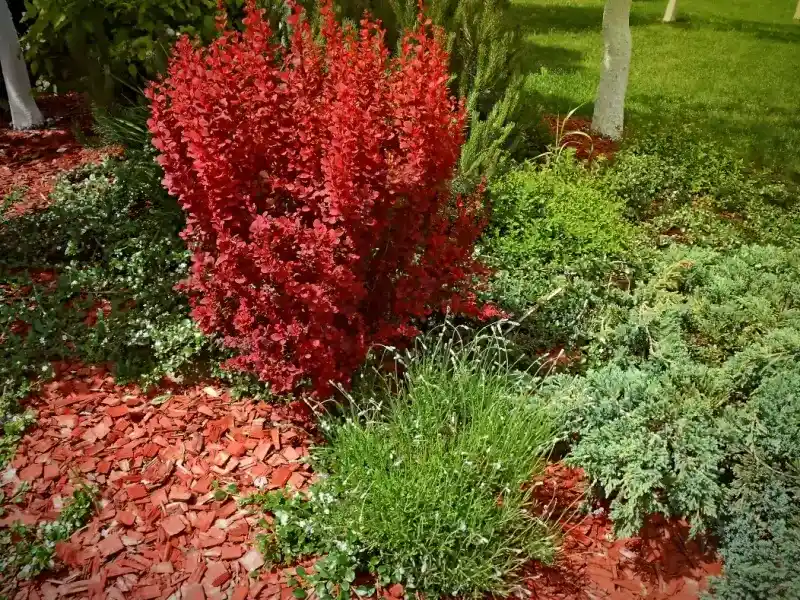
Cedar mulch is made from shredded or chipped bark taken from cedar trees — most commonly Western Red Cedar or Eastern Red Cedar in the US. It’s a byproduct of the lumber industry, which makes it relatively affordable and widely available at garden centers nationwide.
But here’s what makes cedar different from generic wood chip mulch: the natural oils.
The Compounds That Make Cedar Unique
Cedar contains naturally occurring aromatic compounds — primarily thujone and a class of volatile organic compounds known as terpenes. These are responsible for the classic cedar scent — and also for its pest-repelling properties.
These same oils are what make cedar mulch controversial in vegetable gardens. In high concentrations (particularly in fresh cedar), they can affect mycorrhizal fungi — the beneficial underground networks that help vegetable roots absorb water and nutrients. That’s why timing and preparation matter enormously.
Shredded Cedar vs. Cedar Chips — Which Should You Use?
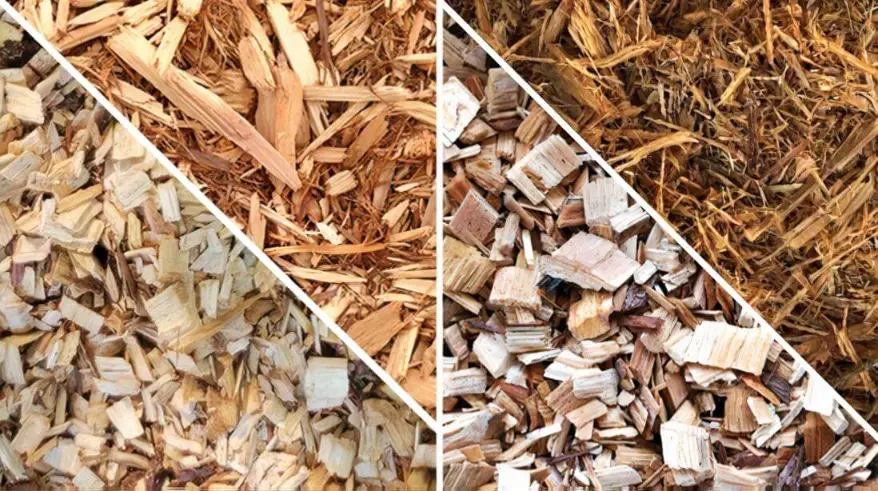
Shredded cedar has a finer texture and is better suited to vegetable beds and smaller plants. Cedar chips are heavier and work best around trees, large shrubs, and garden pathways. For vegetable gardening purposes, shredded cedar is the go-to — it allows better gas exchange in the soil and sits more evenly around plant stems.
Is Cedar Mulch Safe for Vegetable Gardens?
Let’s deal with the fears directly — because two of the biggest concerns about cedar mulch don’t hold up as well as the internet suggests.
The Allelopathy Myth — What University Research Actually Says
Allelopathy is the ability of a plant to release natural chemicals that inhibit the growth of other nearby plants — essentially a competitive survival mechanism. Cedar has long been suspected of this.
But here’s what the science says: according to a University of Maine Cooperative Extension article (2024), a Washington State University Extension review found that worries about cedar’s allelopathic effects on plants and seed germination were not supported by experimental evidence. The same was true for concerns about cedar repelling pollinators.
Research Verdict: Cedar mulch does not cause allelopathic harm to established vegetable plants when used as a surface layer. The fear is largely overstated.
The Real Risk: Nitrogen Lock-Up
This is the legitimate concern — and it’s worth understanding properly.
When any woody mulch begins to decompose, soil microbes go to work breaking it down. This microbial activity requires nitrogen — and it draws that nitrogen from the boundary layer between the soil and the mulch. The result? A narrow zone of nitrogen depletion right where your plant roots live.
As University of Maine Extension explains, this is particularly problematic if you’re planting from seed — and it’s why cedar mulch should never be tilled into the soil. Once it’s mixed in, the decomposition zone spreads throughout your root system, not just at the surface.
Key Distinction: Nitrogen lock-up is a surface-layer issue, not a deep soil problem — as long as you never till cedar mulch into your vegetable beds. Annual beds that get turned every season are highest risk.
Fresh Cedar vs. Aged Cedar — Why It Matters More Than You Think
Fresh cedar — cut recently or bought in bags that haven’t had time to off-gas — contains higher concentrations of volatile oils. These can temporarily suppress mycorrhizal activity and affect young root systems.
Aged cedar (left in an open pile for at least one growing season) is significantly gentler. The volatile oils dissipate, the mulch becomes more stable, and it behaves more like a neutral protective layer than an aromatic treatment.
Bottom line: If your cedar came from a fresh bag or a tree service — let it age outdoors for several months before applying it near vegetables.
Which Vegetables Work Best (and Worst) with Cedar Mulch
Not all vegetables respond the same way. Here’s a clear breakdown based on plant behavior and growth cycle:
Best Candidates
- Asparagus
- Rhubarb
- Rosemary & thyme
- Sage & mint
- Bush beans (established)
- Ornamental kale
 Use With Caution
- Tomatoes (after 4–5 true leaves)
- Peppers (established plants only)
- Squash (post-establishment)
- Cucumbers (aged cedar only)
 Avoid Cedar
- Seedling beds (any crop)
- Spinach & lettuce (early growth)
- Direct-seeded rows
- Annual beds that are tilled
Perennial vegetables are the sweet spot — they stay in the ground year after year, so there’s no risk of tilling the mulch in, and they’re mature enough to handle cedar’s oils without disruption.
Benefits of Cedar Mulch on a Vegetable Garden (When Used Right)
When you’ve aged the cedar, applied it correctly, and placed it around the right plants — the benefits are real.
1. Moisture Retention
A 2–3 inch layer of cedar mulch dramatically reduces soil evaporation. In hot US summers — particularly in the South and Midwest — this means your vegetables hold onto moisture longer between waterings. Less watering, happier roots.
2. Weed Suppression
Cedar mulch blocks light from reaching the soil surface, preventing most weed seeds from germinating. Combined with its slow decomposition rate, a single application can suppress weeds for an entire growing season — sometimes two. Less weeding is always a win.
3. Natural Pest Deterrence
The thujone in cedar oil naturally repels ants, slugs, termites, and certain beetles without chemicals. For gardeners trying to stay organic, this passive pest layer is a meaningful advantage.
4. Long Lifespan
Cedar is naturally resistant to rot and decay. While straw breaks down in a single season and grass clippings vanish within weeks, cedar mulch can last 2–3 years before needing replacement. For established perennial vegetable areas, that’s excellent value.
5. Soil Temperature Regulation
Cedar acts as a thermal buffer — keeping soil cooler during summer heat spikes and warmer during early spring cold snaps. This is especially useful for root vegetables and perennial herbs that need stable ground temperatures.
How to Apply Cedar Mulch on a Vegetable Garden — Step by Step
Correct application makes the difference between cedar mulch helping your garden and quietly hurting it.
- Age your cedar first. If using fresh cedar, let it sit uncovered outdoors for at least one season. Mix with a bit of compost to help it break down. Purdue Extension notes that aged organic mulches are consistently less disruptive to soil biology.
- Wait until plants are established. Apply cedar mulch only after transplants have developed at least 4–5 true leaves — typically 2–3 weeks after transplanting. Never mulch seedling zones or direct-seed rows.
- Prepare the soil first. Before mulching, do a quick soil pH test. Cedar has a mildly acidifying effect over time — if your soil is already on the acidic side (pH below 6.0), you may want to choose a different mulch or lime the bed before applying.
- Apply 2–3 inches deep. This depth suppresses weeds and retains moisture without smothering the soil. Gardening Know How recommends 3–4 inches for trees, but 2–3 inches is the sweet spot for vegetable beds.
- Leave a gap around stems. Keep cedar mulch at least 2–3 inches away from plant stems. Mulch pressing directly against stems traps moisture and encourages crown rot and fungal disease — a mistake known as the “mulch volcano.”
- Supplement with nitrogen. Because cedar competes for nitrogen at the soil surface, add a nitrogen-rich fertilizer — blood meal, fish emulsion, or compost — to your vegetable beds at the start of the season to offset any depletion.
- Never till it in. At season’s end, rake cedar mulch aside before turning the soil. Only compost it once it has fully broken down — which takes several years for cedar.
Cedar Mulch vs. Other Mulch Types — Quick Comparison
| Mulch Type | Pest Control | Nitrogen Risk | Lifespan | Best For |
|---|---|---|---|---|
| Cedar (aged) |  High High | Low (surface only) | 2–3 years | Perennials, herbs, pathways |
| Cedar (fresh) | High | Moderate | 2–3 years | Pathways only |
| Straw |  Low Low | None | 1 season | Annual vegetable beds |
| Compost / Leaves | None | Adds nitrogen | Months | Seedling zones, annual beds |
| Wood Chips |  Low Low | Moderate | 1–2 years | Pathways, tree rings |
| Rubber Mulch | Medium | Toxic risk | 10+ years | Avoid in food gardens |
When NOT to Use Cedar Mulch on a Vegetable Garden
Even with all its benefits, there are clear situations where cedar mulch is the wrong choice. Don’t use it if:
- You’re planting from seed. Cedar near seedbed soil can suppress germination and restrict early root development.
- You till your beds annually. The moment cedar mixes into the soil, nitrogen depletion spreads through the root zone. Stick to straw or compost for beds you turn every year.
- Your soil is already acidic. Cedar has a mild acidifying effect over time. If your soil pH is already below 6.0, this can push sensitive crops like spinach and asparagus into deficiency territory.
- You have boggy or poorly draining soil. Cedar’s moisture retention can worsen waterlogging. Trees.com notes that mulching poor-draining soil can lead to root rot.
- You’re growing fruiting crops during peak pollination. While the evidence is mixed, the potential for cedar to deter pollinators means it’s worth being cautious during the flowering and fruiting window for crops like squash, beans, and cucumbers.
- You keep backyard chickens. Cedar’s natural compounds are toxic to poultry — keep it entirely away from chicken areas.
Frequently Asked Questions About Cedar Mulch on Vegetable Gardens
Can cedar mulch kill vegetable plants?
Cedar mulch is unlikely to kill established vegetable plants outright. The real risk is indirect — nitrogen depletion near the soil surface can cause stunted growth or yellowing leaves, and fresh cedar applied to young seedlings can suppress early development. Epic Gardening notes that cedar isn’t “dangerous” to vegetables but can rob them of nitrogen if misapplied or tilled into the soil. Used correctly — aged, surface-applied, away from seedlings — it won’t harm your plants.
Does cedar mulch attract termites or pests?
No — in fact, the opposite is true. Cedar’s natural oils actively repel termites, ants, and slugs. University of Maine Cooperative Extension confirms that concerns about pest attraction from cedar mulch are not experimentally supported. It’s one of the safest mulch choices from a pest-management standpoint.
Should I use fresh or aged cedar mulch in my vegetable garden?
Always aged. Fresh cedar contains higher concentrations of volatile oils (thujone and terpenes) that can affect root systems and soil biology. Let fresh cedar sit outdoors in an open pile for at least one full growing season before applying it near vegetables. You can accelerate the process by mixing it with compost.
How deep should cedar mulch be in a vegetable garden?
Apply cedar mulch at a depth of 2–3 inches for vegetable and flower beds. Gardening Know How recommends 3–4 inches for trees and compacted soils, but going deeper than 3 inches in vegetable beds can reduce oxygen and gas exchange in the soil. Always maintain a 2–3 inch gap between the mulch and plant stems.
What’s a better mulch than cedar for tomatoes and squash seedlings?
For seedlings and young annual crops like tomatoes and squash, straw is the top choice — it’s pH-neutral, adds no nitrogen risk, biodegrades within a season, and allows excellent air and water movement. Grass clippings and compost are also excellent for annual beds, adding nutrients as they break down. Consider switching to cedar only once your tomatoes and squash are fully established (4–5 weeks post-transplant) and only if you’re using aged cedar.
Key Takeaways
- Cedar mulch is not toxic to vegetables — the allelopathy concern is largely unsupported by research.
- The real risk is nitrogen lock-up at the soil surface — especially dangerous if cedar is tilled into annual beds.
- Aged cedar is always safer than fresh — let it off-gas for at least one season before using near vegetables.
- Cedar works best around perennial vegetables and herbs — asparagus, rhubarb, rosemary, thyme, sage.
- Apply 2–3 inches deep, never touching plant stems, and supplement with a nitrogen-rich fertilizer at season start.
- For annual beds, seedling zones, and fruiting crops during pollination — choose straw or compost instead.
References & Sources
- University of Maine Cooperative Extension — Cedar Shavings as Vegetable Garden Mulch (2024)
- Ask Extension / Cooperative Extension Network — Virgin Cedar Mulch in Raised Beds (2025)
- Gardening Know How — Cedar Mulch in Gardens (Liz Baessler)
- Epic Gardening — Should You Use Cedar Mulch? (Logan Hailey, 2023)
- Trees.com — Cedar Mulch: Uses, Pros & Cons
- University of Minnesota Extension — Mulching Home Landscapes
About Author
Khalid Fazal is a seasoned lawn care specialist and horticultural researcher with over 15 years of hands-on experience transforming challenging landscapes into lush, resilient green spaces. His journey didn’t start in a lab, but in a backyard full of stubborn, cracked clay that “experts” said would never grow a healthy blade of grass. Refusing to accept a yard full of dust, Khalid spent years experimenting with organic soil restoration and precise mulching—eventually turning that wasteland into a neighborhood showpiece on a shoestring budget.
From mastering core aeration techniques to optimizing soil pH for specialized turf varieties, Khalid’s approach combines old-school grit with modern agronomic science. He founded Gen Lawn to provide homeowners with honest, research-backed advice that prioritizes long-term soil health over quick-fix chemical solutions. When he isn’t analyzing soil profiles, he’s developing precision tools to help others achieve professional results without the professional price tag.

Lawn Winterizer: When to Apply by Grass & Region [2026]
Table of Contents Home / By Khalid Fazal | Updated:...
Read More
Spring Lawn Care: What to Do and When in Every US Region
Table of Contents Home / By Khalid Fazal | Updated:...
Read More
Lawn Maintenance Checklist by Season and Grass Type (2026)
Table of Contents Home / By Khalid Fazal | Updated:...
Read More
Liquid Fertilizer vs Granular Fertilizer: Which Wins?
Table of Contents Home / By Khalid Fazal | Updated:...
Read More