
Does Mulch Attract Bugs? What Every US Homeowner Should Know
You just finished spreading fresh mulch across your garden beds. It looks clean, tidy, and exactly how you pictured it. Then, a few days later, you flip over a chunk of bark and — there they are. Bugs. Lots of them.
Sound familiar?
Here’s the thing: you’re not doing anything wrong. Mulch does attract bugs — but whether that becomes a real problem depends entirely on the type of mulch you’re using, where you’ve put it, and how you’re managing it. Most bugs you’ll find in mulch are completely harmless. A handful can cause serious damage. And a few smart moves make all the difference.
This guide breaks it all down — which bugs show up, why they come, which mulch types are better or worse, and exactly how to protect your home and garden.
Quick Answer: Yes, mulch can attract bugs — primarily because it creates a moist, dark, sheltered environment that many insects find ideal for living and breeding. Organic mulches attract more bugs than inorganic types. However, not all bugs are harmful, and proper mulch placement and depth significantly reduce any real risk.
Does Mulch Actually Attract Bugs? The Direct Answer
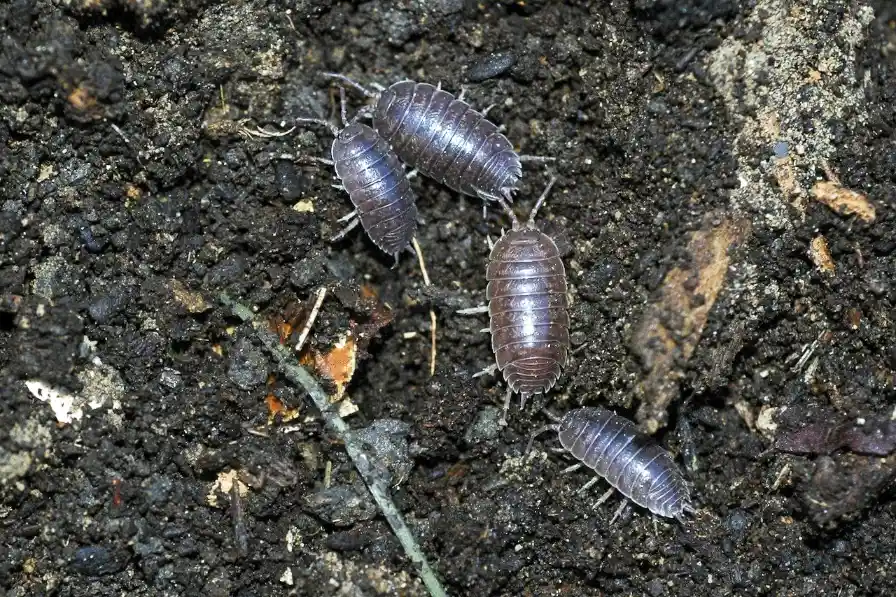
Yes — but with an important nuance.
Bugs aren’t drawn to mulch itself. They’re drawn to the conditions mulch creates: moisture, warmth, darkness, and in the case of organic mulch, a steady food source as it decomposes. Mulch is essentially prime real estate for a wide range of insects.
That said, not all mulch is equal. Organic mulches — made from wood chips, bark, straw, grass clippings, or leaves — decompose over time and attract significantly more bug activity than inorganic alternatives like gravel or rubber. The decomposition process releases nutrients and generates warmth, creating the kind of environment insects actively seek out.
The good news? Most bugs that live in mulch are either neutral or actually beneficial to your garden. The ones worth watching are a short list — and entirely manageable.
Which Bugs Does Mulch Attract?
Before you panic, it helps to know what you’re dealing with. There’s a big difference between a ground beetle and a termite.
The Harmless (or Even Helpful) Ones
These bugs are common in mulch and pose zero threat to your home or plants:
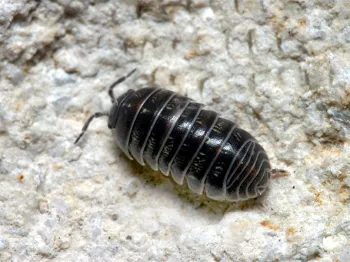
- Pill bugs (roly-polies) — Feed on decaying matter and help with decomposition
- Ground beetles — Active predators that eat aphids, slugs, and other garden pests
- Earthworms — Improve soil drainage and nutrient content; a sign of healthy soil
- Spiders — Natural predators that keep other insect populations in check
- Centipedes — Feed on soil-dwelling pests; mostly harmless to plants
If you see these in your mulch, leave them alone. They’re doing you a favor.
The Harmful Ones (Worth Watching)
These are the insects that can cause real damage to your plants, lawn, or home structure:
- Termites — The biggest concern for homeowners; they’re attracted to moist wood-based mulch and can worsen existing infestations (more on this below)
- Carpenter ants — Don’t eat wood like termites, but tunnel through moist or decaying wood to build nests, weakening structures over time
- Cockroaches — Thrive in dark, moist mulch, especially wood chips close to your foundation
- Fungus gnats — Lay eggs in damp, decomposing organic mulch; a nuisance more than a structural threat
- Slugs and snails — Love the moist conditions created by straw and grass clipping mulches; destroy young plant shoots
- Earwigs — Seek out dark, damp spots under mulch; can damage living plant material in large populations
- Mosquitoes — Female mosquitoes can lay 50–200 eggs at a time in consistently moist mulch, especially in areas with poor drainage
Why Does Mulch Attract Bugs? The 3 Core Reasons
Understanding why mulch attracts bugs helps you prevent it. There are three main mechanisms at play.
1. Moisture Retention
Mulch is designed to hold water in the soil — which is great for your plants. But that same moisture is exactly what insects like termites, ants, and fungus gnats need to survive and reproduce. Areas with frequent rain, poor drainage, or shaded beds tend to stay consistently damp, making them especially attractive to bugs. Learn more about soil moisture and its effect on garden health from Purdue University Extension.
2. Shelter and Darkness
Mulch creates a cool, dark layer that acts as protection from predators, heat, and wind. For bugs, it’s the equivalent of a five-star hotel. Spiders, beetles, cockroaches, and earwigs all take advantage of this ready-made shelter — especially thick layers that are rarely disturbed.
3. Decomposing Organic Matter as a Food Source
As organic mulch breaks down, it becomes rich in bacteria and fungi — a natural buffet for many insects. This is the key reason organic mulches attract significantly more bug activity than inorganic options. The faster the mulch decomposes (like grass clippings or shredded leaves), the more insect activity you’ll see.
Does the Type of Mulch Affect How Many Bugs It Attracts?
Absolutely. This is one of the most overlooked decisions US homeowners make when landscaping.
| Mulch Type | Bug Attraction Level | Notes |
|---|---|---|
| Hardwood Chips / Bark | High | Retains moisture, decomposes fast — ideal for termites and ants |
| Straw / Grass Clippings | High | Attracts slugs, snails, fungus gnats, and even rodents |
| Cedar Mulch | Low–Medium | Natural oils actively repel many insects (see below) |
| Cypress Mulch | Low–Medium | Slower decomposition, mild insect-repellent properties |
| Pine Straw | Low | High acidity and strong scent deter many bugs naturally |
| Rubber Mulch | Very Low | No food source for insects; no organic decomposition |
| Gravel / Rock | Very Low | Dry, hard surface with no organic matter — least bug-friendly |
Wood Chip and Bark Mulch
This is the most popular mulch in the US — and unfortunately the most bug-friendly. It retains moisture well and decomposes at a moderate pace, creating ideal conditions for termites, carpenter ants, earwigs, and cockroaches, especially when placed directly against a home’s foundation.
Cedar and Cypress Mulch — Nature’s Bug Repellent
Here’s where it gets interesting. Cedar and cypress mulches contain natural oils that actively repel insects. Cedar specifically contains a compound called thujone — a neurotoxic chemical that disrupts insect pheromone receptors, essentially confusing and deterring them. The U.S. EPA recognizes cedarwood oil as a minimum-risk pesticide and it’s used in commercial insect repellent products. Cedar is known to repel ants, moths, mosquitoes, carpet beetles, and cockroaches. It also decomposes more slowly than hardwood, so it doesn’t need replacing as often.
Cypress offers similar mild repellent benefits and is a solid long-term choice for tree beds and shrub borders.
Pine Straw Mulch
Pine straw is naturally acidic and carries a strong scent that many insects find off-putting. It’s a smart choice for gardeners who want to minimize pest activity while still enriching their soil. It also allows better airflow than dense wood chips, which helps keep moisture levels lower.
Rubber Mulch
Rubber mulch — typically made from recycled tires — offers no food source for insects and no organic decomposition. It still retains some moisture, so it won’t be completely bug-free, but it attracts significantly fewer pests than any organic option. It’s particularly useful in high-traffic areas like playgrounds or walkways.
Gravel and Rock
The driest, hardest option. Bugs have little reason to settle in a rock bed — there’s no food, minimal moisture retention, and no shelter to speak of. The tradeoff: it doesn’t improve your soil, and it can be difficult to remove once installed.
Myth Busted: Does Mulch Bring Termites Into Your Home?
This is one of the most common fears US homeowners have — and it’s largely a myth.
Here’s the reality: mulch can contain termites, but they’re extremely unlikely to survive the mulching process, bagging, and transport to your home with enough numbers left to establish a colony. Experts consistently note the survival rate is too low to sustain reproductive levels. If you’re buying bagged mulch and want to be safe, simply leave the bags in full sun for a few hours. Once the internal temperature hits 120°F, any insects inside are eliminated.
However — and this is critical — mulch absolutely worsens existing termite problems.
If your home already has termites (or had them previously), placing wood chip mulch directly against your foundation creates a literal feeding ground. Termites will move from the mulch into any cracks in your foundation or siding. That’s the real danger, not the mulch “bringing” termites.
If you’ve had termite activity before, switch to cedar, cypress, or rubber mulch near your home’s perimeter.
How to Use Mulch Without Attracting Harmful Bugs (7 Proven Tips)
The goal isn’t to give up mulch — it’s one of the most beneficial things you can do for your lawn and garden. The goal is to use it smart.
1. Keep a 6-Inch Gap From Your Foundation
This is the single most important rule. Never let organic mulch touch the sides of your home, wooden deck, or siding. Keep a clear 6-inch gap between the edge of your mulch bed and your foundation. You can fill this gap with gravel or river rock for aesthetics. This removes the direct “bridge” that lets termites and carpenter ants migrate inside.
2. Never Go Deeper Than 3 Inches
More mulch isn’t better. A layer deeper than 3 inches traps excess moisture, starves plant roots of oxygen, and creates far more shelter for pests. Stick to 2–3 inches — enough to suppress weeds and retain moisture without creating a bug sanctuary.
3. Choose Cedar, Cypress, or Pine Straw Near Your Home
If you’re mulching beds close to your foundation or entry points, use cedar or cypress mulch. Their natural oils provide a chemical deterrent for many common pests. Pine straw is another solid option, especially for acidic-loving plants like azaleas or blueberries.
4. Turn and Refresh Mulch Regularly
Compacted, old mulch that’s stopped decomposing properly is a pest magnet. Rake through your mulch beds a couple of times per season to disrupt insect habitats and improve airflow. If your mulch isn’t breaking down, add nitrogen to the soil to encourage decomposition, or remove the old layer before adding fresh mulch.
5. Don’t Over-Water Mulched Beds
Wet mulch attracts more insects than dry mulch. Adjust your irrigation schedule based on rainfall. If your mulch beds are in shaded areas that stay consistently damp, choose a mulch type with better airflow (like pine straw) rather than dense wood chips.
6. Use Diatomaceous Earth or Beneficial Nematodes
For a natural, chemical-free pest control option, these two work extremely well in mulched areas:
- Diatomaceous earth (food-grade) can be lightly sprinkled into mulch. It’s a fine powder made from fossilized algae that damages the exoskeletons of insects on contact, dehydrating them. It’s completely safe for humans and pets.
- Beneficial nematodes are microscopic roundworms you can apply to your soil that attack and kill over 200 species of soil-dwelling insect pests — including termites, fungus gnats, and grubs — without harming plants, earthworms, or beneficial insects. They’re EPA-approved, available at most garden centers, and incredibly effective when the soil is kept moist after application.
7. Keep Mulch Free of Extra Debris
Leaves, twigs, and yard clippings that accumulate on top of mulch give insects even more places to hide and breed. Rake debris off the surface of your mulch beds regularly and avoid installing mulch directly under trees that drop a lot of organic material.
Frequently Asked Questions About Mulch and Bugs
Does mulch attract termites?
Mulch doesn’t bring termites to your home — but it can feed and shelter them if they’re already present. The risk of termites being “transported” in bagged mulch is very low. The real concern is placing wood-based mulch directly against your foundation, which provides food and a covered pathway for termites that are already in the surrounding soil. Use cedar or cypress mulch as a deterrent, and always maintain a 6-inch gap from your home.
What mulch does not attract bugs?
Rubber mulch, gravel, and rock are the least bug-friendly options since they offer no food source and minimal moisture retention. Among organic options, cedar and cypress mulch are best at deterring insects due to their natural oil content. Pine straw also attracts fewer pests than wood chips thanks to its acidity and scent.
Does rubber mulch attract bugs?
Rubber mulch attracts far fewer bugs than organic mulch because it provides no food source for decomposing insects. However, it still retains some moisture, so it’s not completely insect-free. Ants and other moisture-seeking bugs may still shelter beneath it, but the population will be significantly smaller than under wood chips or bark.
Can mulch attract bugs into my house?
Yes — if mulch is placed too close to your foundation. Bugs like cockroaches, earwigs, carpenter ants, and termites that are living in your mulch beds can migrate indoors through cracks in your foundation, gaps around pipes, or openings in siding. The 6-inch gap rule and choosing cedar mulch near entry points are the best preventive measures.
Does mulch attract roaches?
Yes. Cockroaches are attracted to dark, moist environments — exactly what wood chip or bark mulch provides. They don’t eat the mulch, but they nest in it. Mulch placed directly against your home’s foundation is a common entry point for roaches. Switching to cedar mulch and maintaining proper depth and distance from your foundation will significantly reduce roach activity.
The Bottom Line
Does mulch attract bugs? Yes — but that’s not a reason to stop using it.
Mulch delivers real benefits: it retains moisture, suppresses weeds, regulates soil temperature, and improves your lawn’s long-term health. The bug problem is almost always a management problem, not a mulch problem.
Here’s what to remember:
- Not all bugs are bad — many that live in mulch actually benefit your garden
- Organic mulch attracts more bugs than inorganic options; cedar and cypress are your best organic bets
- The termite-in-mulch myth is largely false — but mulch near your foundation does feed existing infestations
- The 6-inch rule and 3-inch depth eliminate the majority of risk
- Natural solutions like diatomaceous earth and beneficial nematodes handle the rest without chemicals
Mulch smart, maintain it regularly, and your lawn gets all the benefits — without turning into a bug apartment complex.
Ready to mulch with confidence? Explore our guides on the best mulch types for your lawn, how much mulch you actually need, and how to prep your lawn for spring — all at Gen Lawn.
Sources & References
- University of Maryland Extension — Mulching Trees and Shrubs
- CDC — Mosquito Life Cycle
- Purdue University Extension — Soil Moisture and Plant Health
- Entomologist.net — Does Cedarwood Oil Repel Insects?
- University of Connecticut Extension — Beneficial Nematodes
- EPA — Diatomaceous Earth as a Pesticide Ingredient
- Joshua’s Pest Control — Landscape Mulch and Bugs
- RubberMulch.com — Why Rubber Mulch Works Against Pests
About Author
Khalid Fazal is a seasoned lawn care specialist and horticultural researcher with over 15 years of hands-on experience transforming challenging landscapes into lush, resilient green spaces. His journey didn’t start in a lab, but in a backyard full of stubborn, cracked clay that “experts” said would never grow a healthy blade of grass. Refusing to accept a yard full of dust, Khalid spent years experimenting with organic soil restoration and precise mulching—eventually turning that wasteland into a neighborhood showpiece on a shoestring budget.
From mastering core aeration techniques to optimizing soil pH for specialized turf varieties, Khalid’s approach combines old-school grit with modern agronomic science. He founded Gen Lawn to provide homeowners with honest, research-backed advice that prioritizes long-term soil health over quick-fix chemical solutions. When he isn’t analyzing soil profiles, he’s developing precision tools to help others achieve professional results without the professional price tag.

Lawn Winterizer: When to Apply by Grass & Region [2026]
Table of Contents Home / By Khalid Fazal | Updated:...
Read More
Spring Lawn Care: What to Do and When in Every US Region
Table of Contents Home / By Khalid Fazal | Updated:...
Read More
Lawn Maintenance Checklist by Season and Grass Type (2026)
Table of Contents Home / By Khalid Fazal | Updated:...
Read More
Liquid Fertilizer vs Granular Fertilizer: Which Wins?
Table of Contents Home / By Khalid Fazal | Updated:...
Read More