Can Mulching Leaves Kill Grass? Here’s the Truth (and How to Avoid It)
Short answer: no, mulching leaves doesn’t kill grass. Thick, unmanaged piles of leaves do. That’s an important distinction, because a lot of homeowners blame the mulching process itself when the real culprit is letting leaves stack up too long between mowings.
If you’ve ever uncovered a dead, yellow patch under last year’s leaf pile, it’s easy to swear off mulching for good. But here’s the thing: done correctly, mulching leaves is one of the best things you can do for your lawn. Done carelessly, it can absolutely smother your grass.
Below, we’ll break down exactly when mulching helps, when it hurts, the science behind both outcomes, and a simple system for mulching leaves without risking a single dead patch this fall.
Can Mulching Leaves Kill Grass? The Short Answer
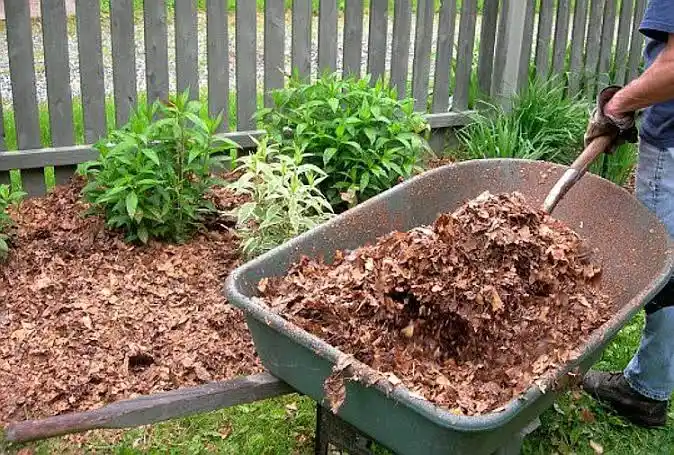
Mulching leaves means running a mower over fallen leaves to shred them into small pieces that settle down into the grass, instead of raking and bagging them. The shredded pieces break down over time and feed your soil.
The grass-killing problem isn’t the mulching itself — it’s volume. A thin layer of finely shredded leaves filters between grass blades and does no harm. A thick, matted layer of whole or coarsely chopped leaves blocks light and air, and that’s when grass starts to suffer.
When Mulching Leaves Helps Your Lawn
Mulching works in your favor when:
- Leaves are shredded into small, dime-sized pieces
- The mulched layer is thin enough that you can still see grass blades through it
- You mulch regularly, rather than waiting for leaves to pile up
- The lawn is mowed at the proper height before mulching
When Mulching Leaves Can Kill Grass (The Danger Zone)
According to the University of Nebraska–Lincoln Water Extension program, a mulching mower can typically handle up to about 6 inches of accumulated leaves at a time — but only if they’re processed before that point, not after leaves have already matted down. The risk increases sharply when:
- Whole, unshredded leaves sit in piles an inch or thicker
- Leaves are wet, which makes them clump and compact instead of settling into the turf
- The same area gets buried week after week without a fresh mow
Quick reference: leaf layer thickness and grass risk
| Leaf Layer | Condition | Risk to Grass |
|---|---|---|
| Thin, shredded layer | Dry, finely mulched, grass still visible | Low — actually beneficial |
| Moderate layer | Partially shredded, light covering | Low to moderate — mow again soon |
| Thick, whole-leaf layer (1″+) | Wet, matted, sunlight blocked | High — can kill grass within days |
Why Mulched Leaves Sometimes Kill Grass
Understanding the “why” makes it much easier to avoid the mistake. There are three main mechanisms at play.
Sunlight Blockage and Photosynthesis Shutdown
Grass needs sunlight to photosynthesize — the process plants use to convert light into energy. A thick leaf layer acts like a lid, cutting off that light entirely. Without it, grass blades can start to yellow and weaken in as little as a few days, according to lawn care researchers.
Trapped Moisture, Mold, and Anaerobic Conditions
A heavy leaf mat also traps moisture against the soil surface. This creates anaerobic (oxygen-deprived) conditions that stress grass roots and encourage mold and fungal growth. Combine that with blocked sunlight, and you’ve got the exact recipe lawn care professionals point to when explaining sudden dead patches in spring.
The Weed Man lawn care blog notes that even chopped leaves can still smother grass and hold in moisture if you wait too long to mulch, since wet, compacted leaf debris won’t break down or filter through the turf the way dry, freshly mulched leaves do.
Why Oak, Maple, and Sycamore Leaves Are Riskier
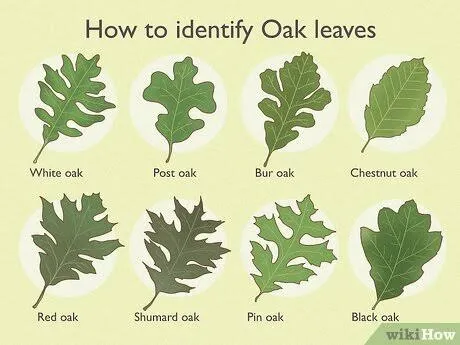
Not all leaves behave the same way once mulched. Broad, flat leaves — think oak, maple, and sycamore — have a larger surface area and tend to overlap like shingles when they’re wet, which makes them more likely to form an impermeable mat. Smaller leaves, like those from birch or honey locust trees, break down and settle into turf far more easily.
If large hardwood trees dominate your yard, you’ll likely need to mulch more frequently than a neighbor with mostly small-leafed trees.
How to Mulch Leaves Without Killing Your Grass
The good news: avoiding leaf damage comes down to technique and timing, not avoiding mulching altogether.
The Right Mulching Mower Technique
For best results:
- Use a mulching mower or mulching blade attachment, which is designed to chop leaves more finely than a standard mower.
- Make two to three passes over thicker leaf areas instead of one.
- Aim for shredded pieces roughly the size of a dime — small enough to filter down between grass blades, large enough that they don’t blow away.
- Mow when leaves are dry. Wet leaves clump and resist shredding, no matter how good your mower is.
How Often to Mulch During Fall Leaf Season
This is where most lawns get into trouble. Leaf drop isn’t a one-time event — it happens gradually over several weeks. Bob Vila’s lawn care guide recommends mulching weekly during peak leaf-drop season so leaves never get the chance to accumulate beyond a manageable thickness.
A simple rule of thumb: if you can no longer see patches of green grass through the leaves, it’s time to mow — don’t wait for the weekend.
Warning Signs You Have Too Many Leaves Down
Watch for these signs that your leaf layer has crossed from “helpful” to “harmful”:
- You can’t see any grass blades poking through
- The leaf layer feels damp or matted when you press on it
- Leaves have started to darken or smell musty
- The same spot has been covered for more than a week
If you spot any of these, rake or mow that section immediately rather than waiting for your next scheduled mow. One important clarification: a mulched leaf layer is not the same thing as lawn thatch, the layer of dead grass stems and roots that builds up at the soil surface. Mulched leaves decompose and disappear within months; thatch is an ongoing turf issue with different causes and a different fix.
The Benefits of Mulching Leaves (When Done Right)
Once you’ve got the technique down, mulching leaves does more for your lawn than simple cleanup ever could.
Free Fertilizer and Better Soil Health
As shredded leaves break down, they return carbon, nitrogen, and other nutrients to the soil — nutrients the tree originally pulled up from deep underground. Scotts’ lawn care research notes that feeding the lawn with a nitrogen-rich fertilizer after mulching helps soil microbes break down leaf litter even faster, often leaving little to no visible leaf debris by spring.
Research-Backed Weed Suppression
This is the benefit most homeowners haven’t heard about. Studies cited by the University of Nebraska–Lincoln Extension found that consistent leaf mulching reduced dandelion and crabgrass germination by nearly 100% after three years of regular practice. The decomposing leaf pieces cover bare soil between grass plants — exactly where weed seeds normally take root.
In short, mulching leaves correctly isn’t just “not harmful.” Over a few seasons, it can noticeably reduce your weed pressure and fertilizer costs.
When You Should Rake Instead of Mulch
Mulching is usually the better option, but it’s not the right call for every yard, every week.
Heavy Leaf-Drop Yards and Wet Climates
If your property has several mature oaks or maples, leaf drop can outpace even a weekly mowing schedule. In consistently wet or humid climates, leaves also stay damp longer, making them harder to shred properly. In these cases, raking and bagging some of the excess — even if you mulch the rest — is a smart compromise.
HOA Rules and Curb Appeal
Some homeowners associations have specific rules about visible yard debris, and a freshly mulched lawn can look a little different from a freshly raked one (even though, done well, it shouldn’t look noticeably different at all). If neatness or HOA compliance is a concern, mulch more frequently in smaller amounts so the lawn always looks clean.
Frequently Asked Questions About Mulching Leaves and Grass
Will mulching leaves kill grass if I only do it once?
Not necessarily. A single mulching pass on a thin-to-moderate leaf layer is generally safe. The risk comes from repeatedly skipping mows while leaves continue to pile up underneath.
How thick can a leaf layer be before it kills grass?
Most lawn care experts agree that anything beyond a 1-inch layer of whole, unshredded leaves starts blocking sunlight and trapping moisture. Mulching mowers can typically process up to about 6 inches of leaves at once, but only if you mow before that point — not after leaves have already matted down.
Is mulching leaves better than raking for lawn health?
For most lawns, yes. Mulching returns nutrients to the soil, reduces weed germination over time, and saves the labor (and plastic bags) of raking. Raking is still the better choice for very heavy leaf-drop yards or persistently wet conditions.
Do wet, mulched leaves kill grass faster than dry ones?
Yes. Wet leaves clump together instead of shredding cleanly, which makes them far more likely to mat down, block sunlight, and trap moisture against the grass. Mow leaves when they’re dry whenever possible.
How long does it take mulched leaves to break down?
Finely shredded leaves typically decompose over a few months, with most visible leaf litter gone by spring. Decomposition speeds up with nitrogen fertilization and active soil microbial life.
Key Takeaways
- Mulching leaves doesn’t kill grass — thick, unmanaged piles do.
- The danger zone is whole or wet leaves sitting more than an inch deep for an extended period.
- Mow weekly during peak leaf season, using two to three passes for thicker areas.
- Done right, mulched leaves act as free fertilizer and can cut weed germination by nearly 100% over a few seasons.
- Heavy leaf-drop yards or wet climates may need a mix of mulching and raking.
If your lawn already has bare or thinning patches from leaves that sat too long, mulching alone won’t fix the damage. A fall lawn assessment can identify what your grass needs to bounce back strong next spring — from overseeding to soil treatment. Gen Lawn can help you build a fall and winter care plan suited to your specific yard, tree coverage, and climate.
Sources & Further Reading
- University of Nebraska–Lincoln Extension: Don’t Let Leaves Smother the Turf
- Scotts: Don’t Rake Those Leaves — Mulch Them Into Your Lawn
- Bob Vila: This Is What Happens When You Mulch Leaves in Your Yard
- Weed Man: Raking vs. Mulching Fall Leaves
- University of Maryland Extension: Excess Thatch in Lawns
About Author
Khalid Fazal is a seasoned lawn care specialist and horticultural researcher with over 15 years of hands-on experience transforming challenging landscapes into lush, resilient green spaces. His journey didn’t start in a lab, but in a backyard full of stubborn, cracked clay that “experts” said would never grow a healthy blade of grass. Refusing to accept a yard full of dust, Khalid spent years experimenting with organic soil restoration and precise mulching—eventually turning that wasteland into a neighborhood showpiece on a shoestring budget.
From mastering core aeration techniques to optimizing soil pH for specialized turf varieties, Khalid’s approach combines old-school grit with modern agronomic science. He founded Gen Lawn to provide homeowners with honest, research-backed advice that prioritizes long-term soil health over quick-fix chemical solutions. When he isn’t analyzing soil profiles, he’s developing precision tools to help others achieve professional results without the professional price tag.

Lawn Winterizer: When to Apply by Grass & Region [2026]
Table of Contents Home / By Khalid Fazal | Updated:...
Read More
Spring Lawn Care: What to Do and When in Every US Region
Table of Contents Home / By Khalid Fazal | Updated:...
Read More
Lawn Maintenance Checklist by Season and Grass Type (2026)
Table of Contents Home / By Khalid Fazal | Updated:...
Read More
Liquid Fertilizer vs Granular Fertilizer: Which Wins?
Table of Contents Home / By Khalid Fazal | Updated:...
Read More