Grass Clippings as Mulch: Pros and Cons Every US Homeowner Should Know
Published: June 10, 2026 | Author: The Gen Lawn Editorial Team
You just finished mowing the lawn. The bag is full, the clippings are sitting there, and you’re wondering — compost pile, garden bed, or trash?
Here’s what most homeowners don’t know: bagged grass clippings increase household solid waste by 20–30% during spring and summer. Simply reusing them as mulch can save you roughly seven hours of lawn work every six months — and cost you nothing.
Grass clippings are one of the most overlooked free resources in American lawn care. Used correctly, they feed your soil, retain moisture, and suppress weeds without a single trip to the garden store. Used incorrectly, they create a matted, smelly layer that can actually damage the plants you’re trying to protect.
This guide gives you the full, unfiltered pros and cons — plus exactly how to use grass clippings as mulch so you get all the upside without the headaches.
What Does It Mean to Use Grass Clippings as Mulch?
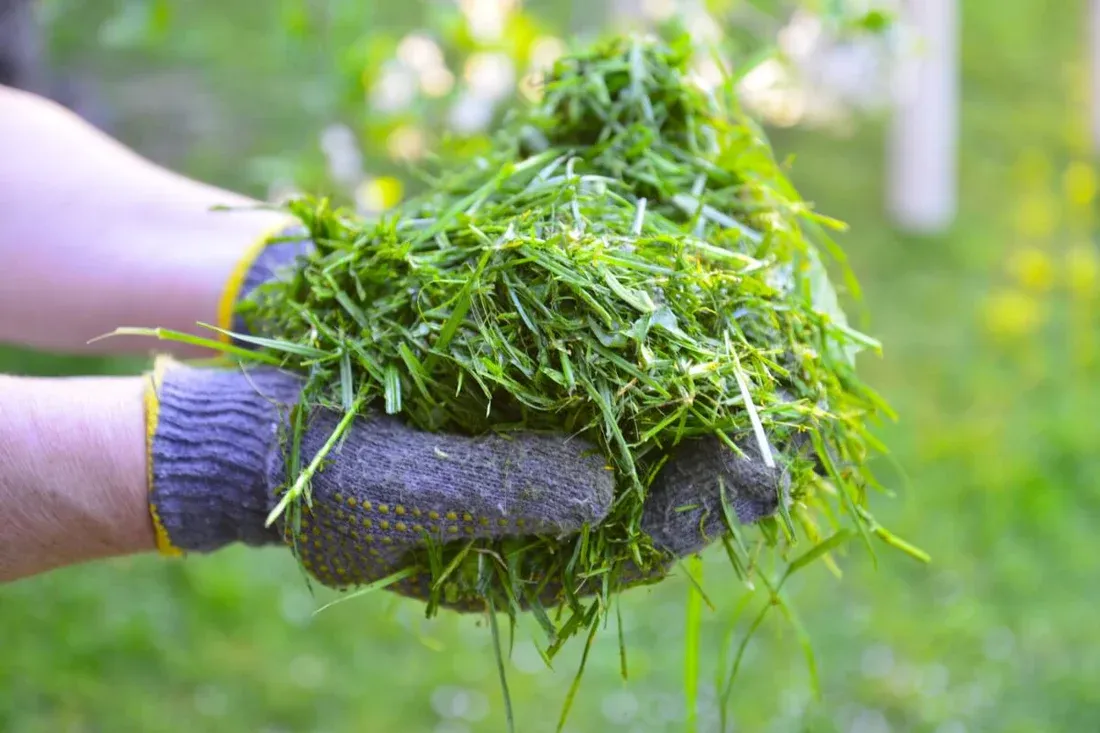
Mulch is any material spread over the soil surface to protect it, conserve moisture, regulate temperature, and suppress weeds. Most homeowners think of wood chips or bagged bark mulch — but organic materials like grass clippings work just as well for many applications, and they cost nothing.
Grasscycling — the practice of recycling grass clippings back into your lawn or garden instead of bagging them — is actively recommended by US university extension programs across the country. When managed right, clippings act as both a mulch layer and a slow-release fertilizer. The key phrase there is “managed right.” Let’s talk about what that looks like.
The Pros of Using Grass Clippings as Mulch
They’re Free and Cut Down on Waste
Every mowing session produces clippings that most US households bag and discard. Using them as mulch eliminates disposal costs, reduces landfill load, and closes the loop on your own lawn cycle. No store run. No spending. No waste.
Think about it this way: if a bag of mulch costs $5–8 at a hardware store, and you mow every 10–14 days from April through October, the savings across a growing season add up quickly.
Packed with Nitrogen — A Natural Slow-Release Fertilizer
This is the biggest practical advantage. Grass clippings contain approximately 4% nitrogen, 0.5% phosphorus, and 2% potassium — the three core NPK nutrients that plants need to thrive and that commercial fertilizers are engineered to provide.
As clippings decompose in the soil, they release those nutrients slowly — feeding your plants over several weeks rather than all at once. University research shows that recycling clippings can supply up to 25% of your lawn’s annual nitrogen needs, which translates directly into fewer fertilizer applications and lower costs over the season.
Retains Soil Moisture Between Waterings
Grass clippings are 80–85% water by weight. Spread thinly across the soil surface, they act like a natural sponge — slowing evaporation and keeping root zones cooler during summer heat.
For homeowners in dry US states like Texas, Arizona, or California — where soil can go from moist to cracked in just a few days — this moisture-retention effect means less frequent watering, stronger plant roots, and lower water bills. Even in temperate climates, it takes pressure off your irrigation schedule.
Suppresses Weeds Naturally
A thin layer of grass clippings blocks sunlight from reaching weed seeds sitting in the soil below. No light means slower germination — giving your garden plants a head start over competing weeds.
Clippings aren’t as effective as wood chip mulch for long-term weed suppression — they break down too quickly for that. But as a seasonal, low-cost weed barrier between mowing sessions, they’re genuinely useful.
Builds Better Soil Over Time
As clippings decompose, they add organic matter to the soil — improving structure, feeding beneficial microorganisms, and encouraging earthworm activity. Over multiple growing seasons, consistent use of grass clipping mulch leads to richer, more workable soil that holds nutrients better and requires fewer amendments.
This is the long game benefit. It doesn’t show up in a single season, but gardeners who use organic mulches consistently over years notice measurably healthier soil beneath their beds.
The Cons of Using Grass Clippings as Mulch
Matting — The #1 Problem Homeowners Run Into
Fresh grass clippings are soft, dense, and wet. Apply them too thickly and they press together into a tight mat that blocks water and air from reaching the root zone below.
According to the University of Minnesota Extension, wet, matted clippings reduce oxygen in the soil — triggering anaerobic decomposition (breakdown without oxygen). The byproduct of this process is hydrogen sulfide gas, which smells like rotten eggs and indicates soil stress.
The result: a foul-smelling, soggy layer that suffocates soil life and can damage plant roots beneath it.
The fix is simple: Never apply more than 1–2 inches at a time. Always let clippings dry before spreading.
Chemical Contamination — A Danger Most Articles Skip Over
This is the warning that doesn’t get enough attention, and it matters.
If your lawn has been treated with herbicides, pesticides, or weed-and-feed products, those chemicals live in the clippings. Spread those clippings into a vegetable garden and you’ve just introduced active lawn chemicals to your food crops.
The risk extends beyond vegetable beds. In 2011, landscape companies across the US reported tree death after using clippings from turf treated with a broadleaf herbicide called Imprelis. Pine and spruce trees absorbed the chemical through their root zones — showing browning, twisted needle growth, and in severe cases, complete dieback within months of application.
The rule: wait a minimum of six weeks after any chemical lawn treatment before using those clippings as garden mulch. Always check your product label. When in doubt with vegetable gardens, skip the treated clippings entirely.
Can Spread Weeds and Lawn Disease
If your lawn has weeds that have gone to seed before you mowed, those seeds survive the mowing process — and they end up in your garden bed right along with the clippings.
The same applies to lawn disease. Fungal conditions like dollar spot, rust, and leaf spot are carried in infected plant tissue. Using clippings from a diseased lawn spreads the same pathogens into your garden. The University of Minnesota Extension specifically recommends removing clippings when your lawn is heavily infested with disease rather than leaving or redistributing them.
Breaks Down Fast — Needs Frequent Topping Up
Unlike wood chips or straw that can last a full season, grass clippings decompose in as little as 2–4 weeks during warm US summer weather. That mulch layer you applied in early June may be mostly gone by late June. For large garden areas, keeping up with reapplication can become labor-intensive.
The workaround: Mix clippings with slower-decomposing materials like shredded leaves or wood chips. This creates a blended mulch that lasts longer and maintains better texture.
Not the Most Visually Polished Option
Let’s be direct — grass clippings don’t give the clean, finished appearance that bark mulch or decorative wood chips provide. Applied unevenly, they can look sparse and scrappy. If curb appeal matters for a front-facing bed, clippings work better as a practical underlayer beneath a thin top dressing of more attractive mulch.
How to Use Grass Clippings as Mulch the Right Way
Rule 1: Keep Layers Thin — 1 to 2 Inches Maximum
This single rule prevents most problems. Apply a thin, even layer across the soil surface. If you have a large volume of clippings, stage the application — spread a first layer, let it settle and start to dry out over a few days, then add a second layer. Never pile clippings thick in a single application.
Rule 2: Dry Clippings Before You Spread Them
Spread fresh clippings flat on a tarp, driveway, or concrete surface for one to two days before applying to garden beds. Dried clippings spread more evenly, reduce the risk of matting, and produce significantly less odor as they decompose.
If you’re short on time, even a few hours in direct sunlight makes a meaningful difference.
Rule 3: Know Where to Use Them — and Where to Avoid
Good placements:
- Vegetable gardens (untreated clippings only)
- Flower beds and border plantings
- Around the base of shrubs and trees (keep at least 3 inches back from stems and trunks)
- Pathways between raised garden rows
Avoid using around:
- Seedlings and young plants with crowns close to the soil surface
- Areas with active weed seed problems in the lawn
- Any area within six weeks of herbicide or pesticide application
Rule 4: Check the Label After Chemical Treatments
If you’ve recently applied any lawn treatment — herbicide, fungicide, insecticide, or weed-and-feed — read the product label before bagging or using any clippings. As a safe general rule, the University of Minnesota Extension advises waiting until after 2–3 mowings before using treated clippings as garden mulch. For food gardens, err on the side of caution and wait longer.
Grass Clippings vs. Other Common Mulch Types
| Mulch Type | Cost | Nutrient Value | Weed Suppression | Longevity | Best Used For |
|---|---|---|---|---|---|
| Grass Clippings | Free | High (N-rich) | Moderate | 2–4 weeks | Veg gardens, seasonal beds |
| Wood Chips | Low–Moderate | Low (slow release) | High | 1–2 seasons | Trees, shrubs, pathways |
| Straw | Low | Low | Moderate | 1 season | Vegetable rows, new lawns |
| Shredded Leaves | Free | Moderate | Moderate | 4–8 weeks | All garden types |
| Bark Mulch | Moderate–High | Very Low | High | 2–3 seasons | Decorative, front-facing beds |
| Compost | Free–Low | Very High | Low | Absorbed quickly | Soil amendment, top dressing |
Bottom line: Grass clippings win on cost and nutrient value. For longer-lasting coverage or visual polish, combine them with wood chips or shredded leaves for the best of both worlds.
Do Grass Clippings Cause Thatch? (The Myth — Busted)
This question comes up constantly, and the short answer is: No. Properly managed grass clippings do not cause thatch.
Thatch is a dense layer of dead and living grass roots, stems, and crowns that accumulates between the soil surface and the green, growing grass blades. It’s composed primarily of lignin — a tough structural compound found in woody plant tissue that resists decomposition.
Grass blades — the part that becomes clippings — contain very little lignin. They decompose within 2–4 weeks, far too quickly to accumulate as thatch. Research from Penn State Extension confirms that clippings actually promote the growth of beneficial soil microorganisms that help break down existing thatch rather than contribute to it.
The real thatch culprits are: compacted soil, excessive nitrogen fertilizer applications, and infrequent mowing. Not your clippings.
If you’ve been avoiding leaving clippings on your lawn because you feared thatch — you can stop avoiding it. Let them break down where they fall.
Frequently Asked Questions
Are grass clippings good mulch for vegetable gardens?
Yes — with conditions. Only use clippings from untreated lawns (no herbicides, pesticides, or weed-and-feed products applied within the last six weeks). Apply a thin layer of no more than 1 inch, and ensure the clippings are free of weed seeds. For root crops like carrots and beets, use dried rather than fresh clippings to avoid excess nitrogen burn at the soil surface.
How thick should grass clipping mulch be?
No more than 1–2 inches in a single application. Any thicker and you risk matting, oxygen restriction, and odor from anaerobic decomposition. Apply in thin, staged layers. Let each layer settle before adding more.
Should I dry grass clippings before using them as mulch?
Yes, whenever possible. Spread them flat in sunlight for 1–2 days before applying. Dried clippings spread more evenly, reduce clumping, and produce significantly less odor as they decompose. A mix of fresh and dried clippings also works well.
Do grass clippings attract pests or spread lawn disease?
They can. Thick, moist layers create conditions that attract slugs and other moisture-loving pests. Clippings from a diseased lawn can spread fungal pathogens to garden plants. Keep layers thin, monitor plants regularly, and avoid using clippings from visibly unhealthy turf.
How long do grass clippings take to decompose as mulch?
In warm US summer conditions, clippings can break down in as little as 2 weeks. In cooler fall weather, expect 3–5 weeks. This is much faster than wood chips or bark, so plan to top up regularly throughout the season.
Can I use grass clippings from a chemically treated lawn?
No — not on vegetable beds or near sensitive ornamentals. Wait a minimum of six weeks after any herbicide or pesticide application. Always read the product label for specific guidance. When uncertain, skip the treated clippings and bag them for disposal instead.
Do grass clippings cause thatch buildup?
No. This is a persistent lawn care myth. Penn State Extension’s research confirms that grass blade clippings decompose too quickly to contribute to thatch. Thatch is composed primarily of woody root tissue that resists breakdown — not the soft leaf blades that make up your clippings.
The Verdict: Are Grass Clippings Worth Using as Mulch?
For most US homeowners, the answer is a clear yes — provided you follow a few non-negotiables.
Here’s what to take away:
- Clippings are free, nitrogen-rich, and genuinely effective when applied correctly
- Keep layers thin (1–2 inches max), and dry clippings before spreading
- Never use chemically treated clippings in vegetable beds or near trees and ornamentals
- Combine with shredded leaves or wood chips for longer-lasting, better-looking coverage
- Don’t worry about thatch — that’s a myth worth putting to rest
The best approach: start with a small test area in an established bed, watch how your plants respond over two to three weeks, and scale up from there. Your lawn generates this resource with every single mow. The only question is whether you put it to work or send it to the landfill.
Want more practical lawn care advice for US homeowners? Explore the Gen Lawn blog for seasonal guides, treatment schedules, and everything you need to keep your lawn and garden in top shape all year round.
References
- University of Minnesota Extension — What to Do With Lawn Clippings
- University of Georgia — Recycle Grass Clippings / Grasscycling
- Penn State Extension — Managing Thatch in Lawns
- Penn State Extension — Mulch: A Survey of Available Options
- EPA — Overview of Herbicides
- EPA — Composting at Home
- USDA NRCS — Soil Organic Matter
- Barts Tree Service — Herbicide-Treated Grass Clippings Warning
- The Old Farmer’s Almanac — What is NPK?
- The Old Farmer’s Almanac — Straw Mulch in the Garden
- USGS — Evapotranspiration and the Water Cycle
About Author
Khalid Fazal is a seasoned lawn care specialist and horticultural researcher with over 15 years of hands-on experience transforming challenging landscapes into lush, resilient green spaces. His journey didn’t start in a lab, but in a backyard full of stubborn, cracked clay that “experts” said would never grow a healthy blade of grass. Refusing to accept a yard full of dust, Khalid spent years experimenting with organic soil restoration and precise mulching—eventually turning that wasteland into a neighborhood showpiece on a shoestring budget.
From mastering core aeration techniques to optimizing soil pH for specialized turf varieties, Khalid’s approach combines old-school grit with modern agronomic science. He founded Gen Lawn to provide homeowners with honest, research-backed advice that prioritizes long-term soil health over quick-fix chemical solutions. When he isn’t analyzing soil profiles, he’s developing precision tools to help others achieve professional results without the professional price tag.

Lawn Winterizer: When to Apply by Grass & Region [2026]
Table of Contents Home / By Khalid Fazal | Updated:...
Read More
Spring Lawn Care: What to Do and When in Every US Region
Table of Contents Home / By Khalid Fazal | Updated:...
Read More
Lawn Maintenance Checklist by Season and Grass Type (2026)
Table of Contents Home / By Khalid Fazal | Updated:...
Read More
Liquid Fertilizer vs Granular Fertilizer: Which Wins?
Table of Contents Home / By Khalid Fazal | Updated:...
Read More