
Tall Fescue Overseed Rate: The Right Numbers (And Why They Differ)
The short answer? The right tall fescue overseed rate is 3 to 8 pounds per 1,000 square feet — and that wide range is exactly the problem.
Google this question and you’ll get a dozen different numbers. Three pounds. Six pounds. Eight pounds. Everyone sounds confident. Nobody explains why they differ.
Here’s the thing: they’re all correct. The rate that’s right for your lawn depends on one thing — the current condition of your turf. A thin but mostly green lawn needs far less seed than one riddled with bare patches. Apply the wrong rate and you either waste money or end up with weak, patchy results that frustrate you all season.
This guide breaks down the exact rate for every scenario, backed by university extension research, and walks you through everything you need to do it right the first time.
What Is the Correct Tall Fescue Overseed Rate?
There’s no single magic number. There’s a right number for your situation. Here’s how to find yours.
Thin But Mostly Green Lawn
If your lawn still has decent coverage — maybe 50% or more of healthy turf — but looks a little thin or lacks density, you’re in the most common category.
Use 3–4 lbs of seed per 1,000 sq ft.
This is the standard recommended by K-State Extension, University of Maryland Extension, and the Ask Extension national network. At this rate, you’re introducing new seedlings to fill gaps without overcrowding the existing grass.
Patchy, Traffic-Worn, or Heat-Damaged Lawn
If heat stress, drought, or foot traffic has left you with significant thin areas — think 30–50% turf loss — you need to step it up.
Use 5–6 lbs per 1,000 sq ft.
Lawn care professionals on LawnSite consistently recommend 5 lbs as the standard for damaged lawns with irrigation. This gives seedlings enough density to compete and fill in properly.
Bare Spots or Heavy Damage
For areas that are essentially starting from scratch — full bare patches with little to no existing grass — treat those spots more aggressively.
Use 6–8 lbs per 1,000 sq ft in those specific areas.
NC State Extension’s Tall Fescue Maintenance Calendar recommends 6 lbs per 1,000 sq ft for overseeding bare or thin areas, and turf professionals bump that to 6–8 lbs for heavily damaged zones.
New Lawn Establishment (For Reference)
Just so you have the full picture: starting a lawn from scratch calls for 8–10 lbs per 1,000 sq ft. This is roughly double the standard overseed rate — because there’s no existing canopy to help fill in gaps, and you need maximum seedling density from day one.
Quick Reference: Tall Fescue Overseed Rate by Lawn Condition
| Lawn Condition | Recommended Rate | University/Pro Source |
|---|---|---|
| Thin but mostly green (50%+ coverage) | 3–4 lbs / 1,000 sq ft | K-State, Maryland Extension |
| Patchy, worn, heat-damaged | 5–6 lbs / 1,000 sq ft | LawnSite professionals |
| Bare spots or heavy damage | 6–8 lbs / 1,000 sq ft | NC State Extension |
| New lawn establishment | 8–10 lbs / 1,000 sq ft | Multiple extension sources |
Why the Tall Fescue Overseed Rate Isn’t One-Size-Fits-All
Understanding why the rate matters will help you make the right call — and avoid the two most common (and expensive) mistakes.
Tall Fescue Is a Bunch-Type Grass — It Won’t Self-Repair
This is the root of everything. Unlike Kentucky bluegrass, which spreads aggressively through underground rhizomes, tall fescue grows in clumps and doesn’t spread laterally on its own.
Iowa State University Extension puts it plainly: when fescue patches thin out, they don’t magically fill back in. New plants have to be added. That’s why consistent overseeding isn’t optional for tall fescue lawns — it’s the maintenance strategy.
Too Little Seed = A Welcome Mat for Weeds
Apply too little seed and you leave open ground between seedlings. Bare soil is an invitation. Weeds — especially crabgrass — will fill whatever gap your fescue doesn’t. You’ll spend more fighting weeds next season than you saved on seed this one.
Too Much Seed = Seedling Competition
Here’s the other side of the coin: dump too much seed and the seedlings compete with each other for water, nutrients, and light. The result is weak, leggy growth — or worse, widespread die-off as seedlings crowd each other out. Lawn Synergy describes this well: overcrowding creates exactly the thin, inconsistent lawn you were trying to fix.
Getting the rate right the first time isn’t just about saving seed — it’s about giving each seedling room to develop a healthy root system.
Seed-to-Soil Contact Is the Multiplier No One Talks About
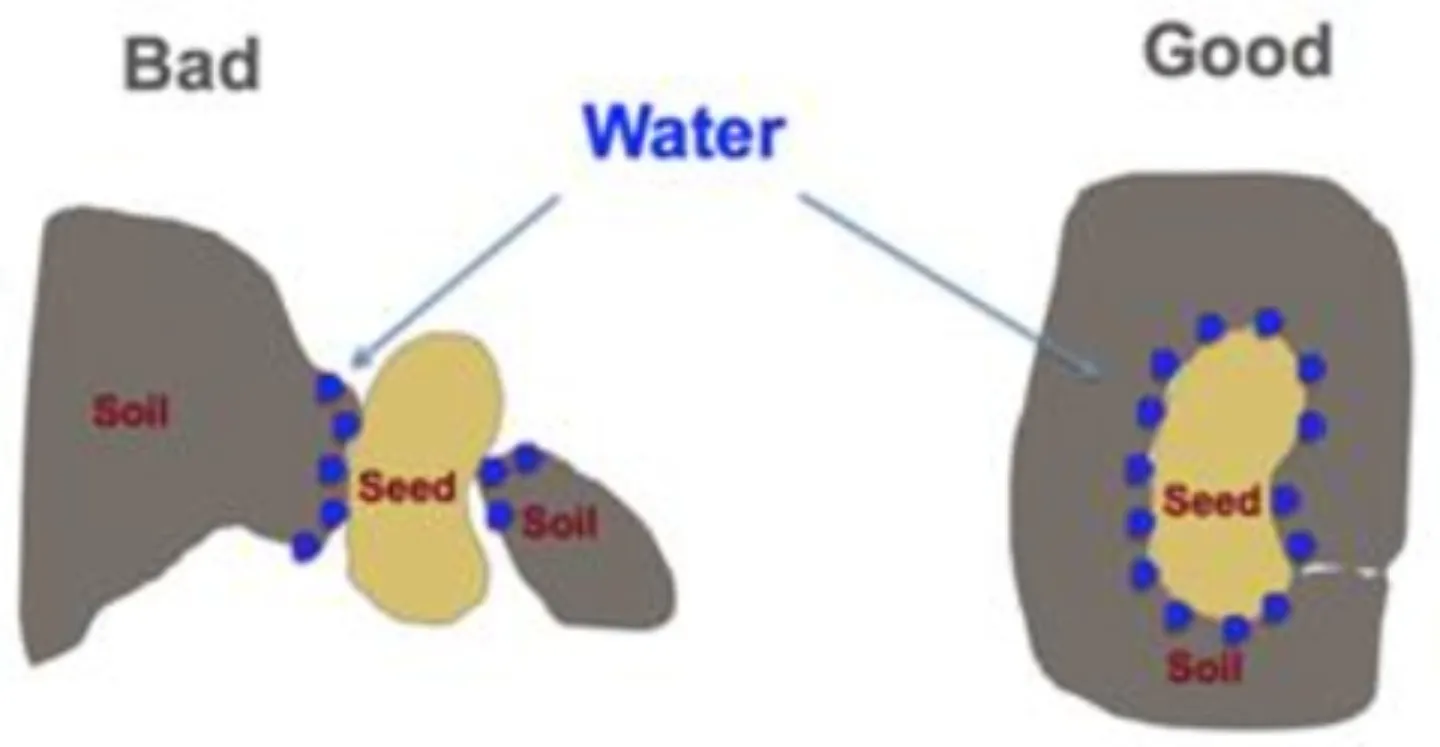
You can nail the overseed rate and still get poor results if the seed never makes contact with the soil. This step is where most DIY overseed jobs quietly fail.
Why You Should Aerate Before Overseeding
Core aeration pulls 2–3 inch plugs of soil from your lawn, creating channels for air, water, nutrients, and — most importantly — seed. Fescue seed dropped on a dense, compacted lawn often just sits on top of thatch and never germinates.
Super-Sod’s Lawn Academy recommends running the aerator in a grid pattern: first north to south, then east to west. This double-pass ensures you’re not leaving any areas without aeration holes. If you don’t own an aerator, rent one from a local equipment store — it’s worth it.
Mow Short Before You Seed
Before you aerate or seed, scalp your lawn down to 1.5–2 inches and bag the clippings. This reduces the thatch barrier between seed and soil and gives your spreader a clear path. Tall, dense grass acts like a canopy — seed lands on top instead of reaching the ground.
Spread Seed in Two Directions
Once you’re ready to seed, split your total seed amount in half. Spread the first half moving north to south across the lawn, then spread the second half moving east to west. This cross-pattern approach — recommended by Super-Sod and used by turf professionals — eliminates striping and ensures even distribution at your target rate.
Best Time to Apply Your Tall Fescue Overseed Rate
You can use exactly the right rate and still fail if the timing is off. Tall fescue germinates best when soil temperatures are between 50°F and 65°F. Outside that window, germination slows dramatically or stops.
Fall Is the Prime Window
Fall is unambiguously the best time to overseed tall fescue. Soil is still warm from summer, air temperatures are cooling, weed pressure drops, and new seedlings have months to establish before summer heat arrives.
Here’s how timing breaks down by US region, according to NC State Extension and other university sources:
| Region | Ideal Overseed Window |
|---|---|
| Western NC / Mountain regions | August 15 – September 1 |
| NC Piedmont & Coastal Plain | September 1 – October 1 |
| Transition Zone / Midwest (KS, MO) | Early September |
| Northeast | Late August – Mid October |
| Upper South (VA, TN) | Mid-September – Early October |
A practical rule from LawnStarter: plant 45 days before your region’s first expected frost. This gives fescue time to germinate (7–14 days) and establish roots before winter sets in.
Spring Overseeding — When It’s Worth It (And When It’s Not)
Spring overseeding is possible, but the odds are stacked against you. Research compiled by SoilTemps.com suggests that 50–70% of spring-seeded fescue thins or dies in its first summer — largely due to heat stress, drought, and fungal disease pressure.
NC State, K-State, and UMass Extension all caution against spring overseeding unless absolutely necessary. If you must go in spring, commit to daily irrigation for the first month and accept that results will be less reliable than a fall application.
Step-by-Step: Applying the Right Tall Fescue Overseed Rate
Follow these steps in order. Skipping steps — especially prep — is the most common reason overseeding underperforms.
Step 1 — Measure Your Lawn Calculate your total lawn area: length × width, then subtract any hardscape (driveways, patios, beds). Use Google Maps’ area calculator or a tape measure for accuracy. You need a real number, not a guess.
Step 2 — Assess Lawn Condition Match your lawn’s current state to the rate table above. Be honest. Thin but green? 3–4 lbs. Patchy and worn? 5–6 lbs. Bare patches? 6–8 lbs in those specific areas.
Step 3 — Mow Short and Bag Mow to 1.5–2 inches. Bag all clippings. Remove any leaves or debris that would block seed from reaching the soil.
Step 4 — Core Aerate Run a core aerator across the entire lawn in a grid pattern (N/S, then E/W). Focus extra passes on compacted areas or heavy clay soil.
Step 5 — Calculate Seed Formula: (Lawn sq ft ÷ 1,000) × rate (lbs) = total lbs needed Example: 4,000 sq ft lawn at 4 lbs/1,000 = 16 lbs of seed Always round up to the next full bag size. Store leftover seed sealed in a cool, dry place for touch-ups.
Step 6 — Spread in Two Directions Split seed in half. Spread N/S first, then E/W with the second half. Use a broadcast spreader calibrated to your target rate.
Step 7 — Apply Starter Fertilizer (If Needed) Use a high-phosphorus starter fertilizer to support root development — but only if a soil test confirms you need it. Maryland law and several state extensions restrict phosphorus use without a deficiency confirmed by testing.
Step 8 — Water Immediately and Consistently Water lightly right after seeding. For the next 2–3 weeks, keep the seedbed consistently moist — not saturated — with light, frequent irrigation (2–3 times daily in hot/dry conditions). Do not let it dry out. A seedling that dries out dies. Period.
Step 9 — Resume Mowing After Establishment Wait until new grass reaches 3–4 inches before mowing — typically 14–21 days after germination. Use sharp mower blades. Dull blades tear young seedlings instead of cutting them.
Pro tip: Skip the pre-emergent herbicide in fall if you’re overseeding. Pre-emergents prevent all seed germination — including your fescue. Wait until the new grass has been mowed at least twice before applying any herbicide.
Choosing the Right Tall Fescue Seed for Overseeding
The rate is only part of the equation. The seed you buy matters just as much.
Turf-Type Tall Fescue (TTTF) vs. Kentucky 31
If your lawn already has modern turf-type tall fescue, don’t overseed with Kentucky 31 (K-31). K-31 is a coarser, older variety that won’t blend visually or texturally with TTTF. Lavery’s Sod Farm is direct on this: K-31 and ryegrass simply don’t blend with TTTF sod — and the result is an aesthetically inconsistent lawn with clumps of coarser grass standing out from the rest.
Stick with blends labeled “turf type tall fescue” — preferably mixes of 3–5 improved cultivars for better disease resistance, drought tolerance, and summer durability.
What to Check on the Bag
Before buying any seed, read the label. Here’s what to look for:
- Germination rate: Higher is better — look for 85%+
- Weed seed %: Target zero. LawnStarter’s expert warns: “People will go with cheap seed and they have all these weeds come up.” Don’t buy cheap seed.
- Crop seed %: Also should be zero — crop seed means unwanted grasses
- Variety names listed: Named improved cultivars on the bag means quality. Unlabeled blends are a gamble.
Frequently Asked Questions About Tall Fescue Overseed Rate
How many pounds of tall fescue seed do I need per 1,000 sq ft for overseeding?
It depends on your lawn’s condition. For thin but mostly green turf, use 3–4 lbs per 1,000 sq ft. For patchy or worn areas, use 5–6 lbs. For bare patches, use 6–8 lbs in those specific spots. New lawn establishment requires 8–10 lbs per 1,000 sq ft. University extension sources from K-State, Maryland, and NC State all support this tiered approach.
Should I aerate before overseeding tall fescue?
Yes — strongly recommended. Core aeration dramatically improves seed-to-soil contact, which is the single biggest factor in germination success. It also relieves compaction and opens channels for water and nutrients to reach roots. It’s not technically mandatory, but skipping it consistently produces weaker results, especially in clay-heavy soils.
What is the best time of year to overseed tall fescue?
Fall — specifically late August through mid-October, depending on your US region. Soil temperatures in the 50–65°F range, cooling air, and reduced weed pressure make fall the ideal window. NC State recommends August 15 – September 1 for mountain regions and September 1 – October 1 for the Piedmont and coastal areas.
Can you overseed tall fescue in spring?
You can, but results are significantly less reliable. Research suggests 50–70% of spring-seeded fescue thins or dies in its first summer due to heat and drought stress. NC State, K-State, and UMass Extension all advise against it unless absolutely necessary. If you must seed in spring, use fast-germinating tall fescue varieties and commit to daily irrigation for at least the first month.
How long does tall fescue take to germinate after overseeding?
Tall fescue typically germinates in 7–14 days under ideal conditions (soil temps 50–65°F, consistent moisture). At the high end of temperatures — near 65°F — germination tends to be faster. In cooler conditions, expect the longer end of that range. Don’t mow until new grass reaches 3–4 inches tall, which usually takes 3–4 weeks post-seeding.
Conclusion
Getting the tall fescue overseed rate right isn’t about memorizing one number — it’s about matching the rate to your lawn’s actual condition.
Here’s a quick recap:
- Thin but green: 3–4 lbs per 1,000 sq ft
- Patchy or worn: 5–6 lbs per 1,000 sq ft
- Bare or heavily damaged: 6–8 lbs per 1,000 sq ft
- Fall is your window: Late August through mid-October, soil temps 50–65°F
- Seed-to-soil contact is everything: Core aerate, mow short, spread in two directions
- Quality seed matters: TTTF blends, zero weed seed, named cultivars only
- Water consistently: Keep the seedbed moist for 2–3 weeks post-seeding
Measure your lawn. Assess its condition. Match it to the table. Then get it done before the fall window closes.
A dense, healthy tall fescue lawn doesn’t happen by accident — but with the right rate and the right timing, it absolutely happens by design.
Sources & References
- NC State Extension – Tall Fescue Lawn Maintenance Calendar
- Ask Extension / K-State – Seeding Rate for Lawn Overseeding
- University of Maryland Extension – Lawn Care
- Iowa State University Extension – All About Tall Fescue
- LawnStarter – How to Overseed in the Fall with Fescue
- Lawn Synergy – How Much Grass Seed for Overseeding
- Super-Sod Lawn Academy – How to Overseed an Existing Tall Fescue Lawn
- Lavery’s Sod Farm – Overseeding
- SoilTemps.com – Spring Overseeding Cool-Season Grass
- LawnSmart KC – Tall Fescue Overseed Rate Guide for US Lawns
About Author
Khalid Fazal is a seasoned lawn care specialist and horticultural researcher with over 15 years of hands-on experience transforming challenging landscapes into lush, resilient green spaces. His journey didn’t start in a lab, but in a backyard full of stubborn, cracked clay that “experts” said would never grow a healthy blade of grass. Refusing to accept a yard full of dust, Khalid spent years experimenting with organic soil restoration and precise mulching—eventually turning that wasteland into a neighborhood showpiece on a shoestring budget.
From mastering core aeration techniques to optimizing soil pH for specialized turf varieties, Khalid’s approach combines old-school grit with modern agronomic science. He founded Gen Lawn to provide homeowners with honest, research-backed advice that prioritizes long-term soil health over quick-fix chemical solutions. When he isn’t analyzing soil profiles, he’s developing precision tools to help others achieve professional results without the professional price tag.

Lawn Winterizer: When to Apply by Grass & Region [2026]
Table of Contents Home / By Khalid Fazal | Updated:...
Read More
Spring Lawn Care: What to Do and When in Every US Region
Table of Contents Home / By Khalid Fazal | Updated:...
Read More
Lawn Maintenance Checklist by Season and Grass Type (2026)
Table of Contents Home / By Khalid Fazal | Updated:...
Read More
Liquid Fertilizer vs Granular Fertilizer: Which Wins?
Table of Contents Home / By Khalid Fazal | Updated:...
Read More