
Best Mulch to Repel Bugs: Top Picks for a Bug-Free Yard (and How to Use Them Right)
The best mulch to repel bugs is cedar or cypress, and there’s solid science behind that recommendation. USDA researchers found that cedarwood oil repelled 80% to 94% of black-legged tick nymphs in lab tests — the same ticks responsible for most Lyme disease cases in the US.
But here’s the thing: knowing which mulch works is only half the battle. If you’ve ever spread a fresh layer of mulch only to find ants marching toward your back door a month later, you know that “bug-repelling” mulch doesn’t always live up to the name.
In this guide, we’ll break down which mulches actually back up their pest-control claims, compare them side by side, match the right mulch to the bug problem you’re dealing with — mosquitoes by the patio, ticks at the yard’s edge, ants near the foundation — and show you the one application mistake that can quietly cancel out cedar’s natural benefits.
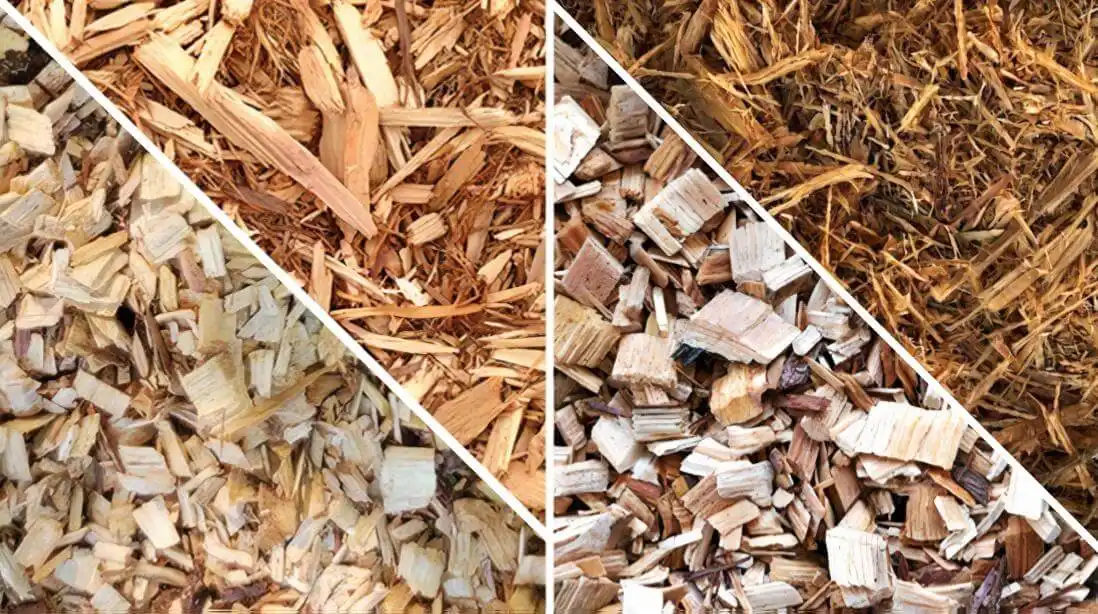
How Does Mulch Repel Bugs? The Science, Demystified
The Natural Oils That Make Mulch Repel Insects
Some mulches do more than sit there looking tidy — they’re chemically active. Cedar, cypress, and a few other woods contain natural oils like thujone and cedrol, compounds that bugs find genuinely unpleasant.
Here’s why this matters: the USDA’s Agricultural Research Service has tested cedarwood oil directly against common backyard pests, and the results are hard to ignore. Researchers found cedarwood oil killed houseflies, ticks, and mosquitoes outright, and repelled fire ants and Argentine ants on contact.
The standout finding involves ticks specifically. In controlled trials, cedarwood oil repelled 80% to 94% of black-legged tick nymphs — the species responsible for the majority of Lyme disease cases. If you’re curious about the chemistry behind the scent, thujone is a naturally occurring compound found in cedar, and it’s the main reason cedar smells the way it does.
Physical Barriers and Moisture: Why Mulch Texture Matters for Bug Control
Not every bug-repelling effect comes from a bottle of oil. Mulch also works mechanically, simply by changing the environment bugs prefer.
A 2 to 3-inch layer creates a dry, loose barrier that’s harder for slugs, snails, and crawling insects to cross. It also regulates soil moisture and temperature — and since many pests (mosquitoes especially) need damp, exposed soil to thrive, drying things out works against them.
Texture matters too. Coarse, chunky mulches like bark nuggets create more airflow and dry faster than fine, compacted mulches, which can trap moisture against the soil. That’s part of why some “bug-repelling” mulches underperform: the oils are right, but the texture invites the dampness pests need.
Does Mulch Attract Bugs to Your Home? Setting the Record Straight
If you’ve researched this topic before, you’ve probably seen warnings that mulch “attracts” termites and other pests to your house. That’s only partly true, and the distinction matters.
According to Iowa State University Extension, mulch doesn’t draw termites in from a distance the way a scent lure would. Termites already living in the soil around your yard simply find mulch beds to be a comfortable, moist environment — and a convenient bridge toward your foundation.
Washington State University Extension goes further, noting that many wood-based mulches are actually repellent rather than attractive: cedar’s thujone, for example, is known to repel clothes moths, cockroaches, termites, carpet beetles, and odorous house ants.
So the real question isn’t “does mulch attract bugs?” It’s “does your mulch setup create the moisture and contact points pests need to reach your home?” We’ll cover exactly how to avoid that in the application section below.
Best Mulch to Repel Bugs — Compared Side by Side
Not all mulch marketed as “bug-repelling” backs that up with chemistry. Here’s how the most common options compare on pest control, longevity, and cost, so you can see at a glance which one fits your yard.
–$
| Mulch Type | Best For Repelling | How Long It Lasts | Relative Cost | Quick Take |
|---|---|---|---|---|
| Cedar | Ants, ticks, moths, carpet beetles | 6–12 months before oils fade | $$ | Most accessible option, backed by USDA research |
| Cypress | Termites, ants (heartwood compounds) | 2–3 years | $$ | Slow to break down; look for sustainably harvested |
| Melaleuca | Termites specifically | 2–3 years | $$ | Made from an invasive tree — an eco “win-win” |
| Eucalyptus | Mosquitoes, ants | 6–9 months | Strong scent fades quickly; needs frequent refresh | |
| Pine straw / untreated wood chips | Minimal direct repellency | Varies | $ | Best as a base layer, not your primary defense |
| Rubber or gravel | Physical barrier only | Several years | $$$ | No natural oils, but nothing organic for pests to use |
Cedar Mulch: The Top Choice to Repel Bugs in Most Yards
For most US homeowners, cedar mulch is the easiest “best mulch to repel bugs” recommendation to make — and the easiest to find at a local garden center or home improvement store.
Cedar’s natural oils target a wide range of common nuisances: ants (including fire ants), ticks, moths, and carpet beetles. It also has a pleasant scent that most people actually enjoy, unlike some chemical repellents.
The catch is that the oils fade. As cedar mulch ages and weathers, its thujone content drops, and so does its repellent effect — typically within 6 to 12 months. That’s not a flaw exactly; it’s just something to plan around (more on refresh timing below).
Cypress and Melaleuca Mulch for Long-Lasting Bug Protection
If you want bug-repelling mulch that lasts longer between refreshes, cypress and melaleuca are worth a look.
Cypress heartwood naturally resists decay and contains compounds that deter termites and ants, so it can protect a bed for two to three years with minimal upkeep. One caveat: cypress wetlands have faced overharvesting concerns in some regions, so look for mulch labeled as sustainably sourced when you can.
Melaleuca mulch comes from an invasive Australian tree — sometimes called paperbark or tea tree — that’s been a problem in parts of the southeastern US, especially Florida. Using it as mulch is a rare win-win: it’s specifically effective against termites, and buying it supports invasive-species removal efforts.
But here’s the trade-off: neither is as widely stocked as cedar, so you may need to special-order from a landscape supplier rather than grabbing bags at a big-box store.
Mulch Types That Can Backfire on Bug Control
Not every mulch helps your cause, and a couple of popular choices can quietly work against you.
Dyed hardwood mulch and mixed wood chips look great, but they’re often made from lower-grade scrap wood with no natural pest-repelling compounds. Worse, they tend to hold moisture, creating exactly the damp conditions pests favor.
Thick, fresh pine bark has a similar issue. It retains water well, which is good for plants, but can extend the time pests have access to moist cover near your home.
These mulches aren’t “bad” for general landscaping — they just shouldn’t be your only line of defense if bug control is the priority.
The Best Mulch to Repel Bugs in Specific Problem Zones
Different bugs cause different problems, and they tend to show up in different parts of the yard. Here’s how to match mulch to the specific zone — and pest — you’re dealing with.
Best Mulch to Repel Mosquitoes Near Patios and Play Areas
If mosquitoes are ruining cookouts and evenings on the patio, the mulch around that area can help — but it’s a supporting player, not a silver bullet.
Cedar and eucalyptus mulches both help by keeping the soil surface drier, which removes small breeding spots mosquitoes use after rain. Eucalyptus in particular releases strong aromatic oils that mosquitoes tend to avoid.
That said, mosquitoes mostly breed in standing water: gutters, plant saucers, old tires, anywhere water collects for more than a few days. Mulch around your patio won’t fix a clogged gutter three feet away.
For the best results, pair cedar or eucalyptus mulch in patio beds with a quick weekly walk-around to dump any standing water. The CDC’s mosquito and tick prevention guidance covers this combined approach in more detail.
Best Mulch to Repel Ticks Along Yard Edges and Wooded Borders
Ticks are a different story, and this is where mulch does some of its best work.
The CDC specifically recommends creating a 3-foot-wide barrier of wood chips or gravel between your lawn and any wooded or brushy edges. Ticks are reluctant to cross this kind of dry, open strip, which helps keep them from migrating into lawns, play areas, and patios.
Cedar mulch is the natural choice for this barrier, since it adds the tick-repelling effect of thujone on top of the physical barrier itself. Remember that 80–94% lab repellency rate against black-legged tick nymphs mentioned earlier? This is the application where it matters most.
Place this barrier along the tree line, fence line, or any spot where lawn meets “wild” — not scattered randomly through garden beds.
Best Mulch to Repel Ants Without Inviting Termites to Your Foundation
This is the zone where most homeowners get nervous, understandably, since ants and termites both show up near the house.
For ants, cedar and cypress mulch both have a strong track record. Cedar’s thujone content disrupts ants’ ability to follow pheromone trails, which is often enough to redirect them away from a bed entirely.
For termites, the mulch type matters less than the placement. As covered earlier, mulch doesn’t summon termites from afar, but a thick layer pressed right up against your siding or foundation gives termites that are already in the soil an easy, moist path inside.
The fix isn’t avoiding mulch near your house. It’s leaving a gap, and we’ll cover the exact distance next. It’s one of the simplest changes that makes the biggest difference.
How to Apply Bug-Repelling Mulch So It Actually Works
The right mulch loses most of its advantage if it’s applied wrong. These three details matter more than which brand you buy.
Mulch Depth for Bug Control: The 2–3 Inch Rule
More mulch isn’t better. In fact, piling it on can work against you.
A depth of 2 to 3 inches is the sweet spot. It’s thick enough to suppress weeds, regulate soil temperature, and create the dry physical barrier described earlier, without holding so much moisture that it becomes a haven for slugs, beetles, and fungus gnats.
Mulch piled 5, 6, or more inches deep — sometimes called a “mulch volcano” when it’s mounded against tree trunks — traps moisture against bark and soil, which can invite the exact pests (and rot) you’re trying to avoid.
If you’re topping up an existing bed, check the current depth first. You may need to rake back old mulch rather than just adding more on top.
The Mulch-to-Foundation Gap Most Homeowners Get Wrong
Here’s the single change that has the biggest impact on bug control near your house, and it costs nothing: leave a gap between your mulch and your foundation.
Recommendations vary slightly by source. Oklahoma State University Extension suggests at least 6 inches, while some pest control specialists recommend up to 12 inches for extra protection. Either way, the principle is the same: a strip of bare soil, gravel, or a paved border between mulch and siding removes the bridge that lets ants, termites, and other crawling pests move from mulch beds directly onto your home.
This single adjustment often does more for bug control than switching from one premium mulch to another. Pair it with cedar or cypress in the rest of the bed, and you’re covering both the chemical and structural sides of pest prevention.
When to Apply and Refresh Mulch for Year-Round Protection
Timing affects how much benefit you get from cedar’s and cypress’s natural oils.
Early spring is the classic application window. It gets bug-repelling mulch in place before mosquitoes, ants, and ticks become active for the season. In warmer climates — the Gulf Coast, the Southwest — a second light top-up in late summer helps maintain coverage through a longer pest season.
Because oils like thujone break down with sun and rain exposure, plan to refresh cedar mulch every 6 to 12 months to maintain its repellent effect. Cypress and melaleuca can usually stretch to 2 to 3 years before needing replacement.
Frequently Asked Questions About the Best Mulch to Repel Bugs
What is the best mulch to repel bugs overall?
Cedar mulch is the best all-around choice for most homeowners. It’s widely available, smells pleasant, and its natural oils — particularly thujone — have been shown to repel ants, ticks, moths, and carpet beetles. Cypress and melaleuca are strong runner-ups if you want something longer-lasting, especially for termite and ant resistance near the foundation.
Does cedar mulch really repel mosquitoes, ants, and ticks?
For ants and ticks, yes. USDA research backs this up, with cedarwood oil repelling up to 94% of black-legged tick nymphs in lab tests. For mosquitoes, cedar helps indirectly by drying out small breeding spots, but it won’t replace eliminating standing water as your primary mosquito defense.
What’s the best mulch to repel bugs without attracting termites?
Cedar, cypress, and melaleuca all have some natural termite resistance. But the bigger factor is placement: leave a 6 to 12-inch gap between mulch and your foundation. Mulch doesn’t summon termites from a distance, but a thick layer against your siding gives nearby termites an easy path inside.
How often should you replace mulch to keep repelling bugs?
Cedar and eucalyptus lose much of their repellent punch within 6 to 12 months as their natural oils break down in sun and rain. Cypress and melaleuca decompose more slowly and can often go 2 to 3 years between refreshes.
Is rubber or gravel better than cedar mulch for repelling bugs?
Rubber and gravel don’t release any repellent oils, but they last for years and give pests nothing organic to feed on or hide in. Cedar offers active chemical repellency that rubber and gravel can’t match. Many homeowners use gravel as a foundation border and cedar in the beds beyond it.
Best Mulch to Repel Bugs: Key Takeaways
Choosing the best mulch to repel bugs comes down to matching the right material to the right spot, and getting the basics of application right.
- Cedar mulch is the most accessible, science-backed pick for repelling ants, ticks, moths, and carpet beetles in most US yards.
- Cypress and melaleuca offer longer-lasting protection (2–3 years) and stronger termite resistance, at the cost of being harder to find.
- Match mulch to the zone: cedar or eucalyptus near patios for mosquitoes, a 3-foot cedar barrier at wooded edges for ticks, and cypress or cedar near (but not against) the foundation for ants.
- Depth matters: stick to 2–3 inches. More isn’t better.
- The foundation gap (6–12 inches) is the single biggest factor in keeping termites and ants from using mulch as a bridge into your home, regardless of which mulch you choose.
If you’d rather not spend a weekend measuring depths and gaps, Gen Lawn’s landscaping team can handle mulch selection, placement, and seasonal refreshes for you, so your yard stays protected without the guesswork.
References & Further Reading
- USDA ARS – Cedar’s Hidden Potential
- USDA ARS – Pleasant-Smelling Wood Oil Not So Pleasant for Biting Ticks, Other Pests
- PubChem (NIH) – Thujone Compound Summary
- Washington State University Extension – Using Arborist Wood Chips as a Landscape Mulch
- Iowa State University Extension – Does Landscape Mulch Lead to Termites in Your Home?
- Oklahoma State University Extension – Mulching with Wood Chips
- CDC – How to Prevent Mosquito and Tick Bites
About Author
Khalid Fazal is a seasoned lawn care specialist and horticultural researcher with over 15 years of hands-on experience transforming challenging landscapes into lush, resilient green spaces. His journey didn’t start in a lab, but in a backyard full of stubborn, cracked clay that “experts” said would never grow a healthy blade of grass. Refusing to accept a yard full of dust, Khalid spent years experimenting with organic soil restoration and precise mulching—eventually turning that wasteland into a neighborhood showpiece on a shoestring budget.
From mastering core aeration techniques to optimizing soil pH for specialized turf varieties, Khalid’s approach combines old-school grit with modern agronomic science. He founded Gen Lawn to provide homeowners with honest, research-backed advice that prioritizes long-term soil health over quick-fix chemical solutions. When he isn’t analyzing soil profiles, he’s developing precision tools to help others achieve professional results without the professional price tag.

Lawn Winterizer: When to Apply by Grass & Region [2026]
Table of Contents Home / By Khalid Fazal | Updated:...
Read More
Spring Lawn Care: What to Do and When in Every US Region
Table of Contents Home / By Khalid Fazal | Updated:...
Read More
Lawn Maintenance Checklist by Season and Grass Type (2026)
Table of Contents Home / By Khalid Fazal | Updated:...
Read More
Liquid Fertilizer vs Granular Fertilizer: Which Wins?
Table of Contents Home / By Khalid Fazal | Updated:...
Read More