
Should You Water After Fertilizing Your Lawn? Yes — But Here’s the Right Way
You just spread fertilizer across your lawn. The bag is empty, the spreader is back in the garage, and now you’re standing there with the garden hose wondering — should I water this in?
The answer is yes. Almost always, yes. But here’s what nobody tells you: watering after fertilizing isn’t just about turning the sprinkler on. The timing, the amount, and even whether you should water depends entirely on which type of fertilizer you used.
Get it right, and those nutrients go straight to the roots where they belong. Get it wrong, and you could burn your lawn or wash every dollar you spent straight into the storm drain.
Here’s exactly what to do.
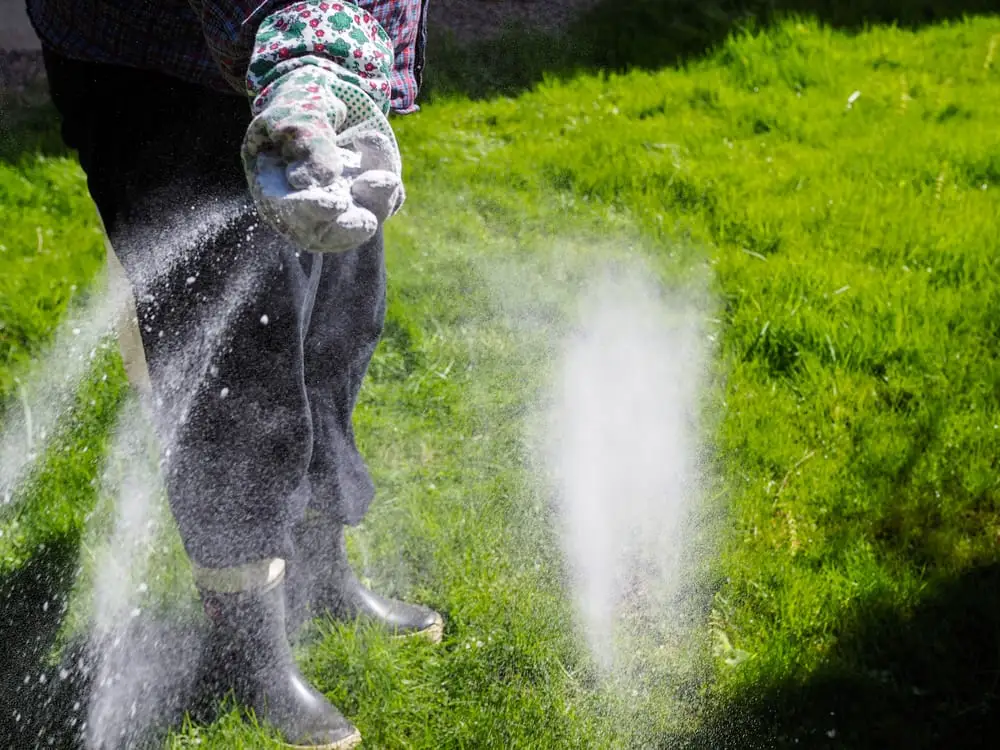
Should You Water After Fertilizing Your Lawn? (The Short Answer)
Yes — water is what makes fertilizer work.
Fertilizer doesn’t feed your grass the moment it lands on the lawn. It needs moisture to break down, dissolve, and reach the root zone where your grass actually absorbs it. Without water, those nutrients just sit on top of your lawn doing nothing — or worse, start burning the blades.
Think of it like this: fertilizer is the ingredient, but water is what activates the recipe.
But here’s where most homeowners get confused — the type of fertilizer you’re using changes the rules completely. Let’s break it down.
How Long After Fertilizing Should You Water? (It Depends on the Type)
Granular Fertilizer — Water Right Away
If you used granular fertilizer — the kind you spread with a push spreader — water it in immediately after application.
Granules are tiny pellets that sit on top of your grass blades. They contain NPK nutrients (nitrogen, phosphorus, and potassium) in a dry, concentrated form that cannot be absorbed until water dissolves them and carries them into the soil. Run your sprinklers for about 15–30 minutes, or until you’ve delivered roughly a quarter inch of water across the lawn.
No water = no activation. It’s that simple.
One exception worth knowing: If a spot weed killer was applied to your lawn at the same time, wait for it to fully dry on the grass blades before watering — otherwise you’ll rinse it off before it has a chance to penetrate the weeds.
Liquid Fertilizer — Wait 2 to 4 Hours
Liquid fertilizer works completely differently. Instead of needing water to dissolve it, liquid fertilizer absorbs directly through the grass blades — a process called foliar uptake.
Water too soon after a liquid application and you’ll rinse the product off before the grass has absorbed it. Wait 2–4 hours first. Once that window has passed, a light watering helps push any remaining nutrients from the blades deeper into the soil where the roots can use them.
Weed and Feed — Wait 24 to 72 Hours
This is the category most homeowners get wrong — and it’s the most common.
Weed and Feed products combine fertilizer and herbicide in one application. The herbicide half has its own timing requirements that are completely different from standard fertilizer.
Granular Weed and Feed is designed to be applied to a slightly damp lawn so the pellets physically stick to weed leaves. After application, wait 24 to 72 hours before watering. Check your specific product label — some require only 24 hours, others need the full 72.
Liquid Weed and Feed needs a similar hold: wait 24 to 48 hours before running any irrigation. If you water too early, you wash the herbicide off the weed leaves before it can penetrate. That’s your time and money working against you instead of for you.
For a full breakdown of when to water after Weed and Feed products, this guide from LawnStarter covers the specifics by product type.
How Much Water Does Your Lawn Need After Fertilizing?
You want ¼ to ½ inch of water. That’s the sweet spot.
Enough to push the fertilizer off the grass blades and down into the soil — but not so much that it runs off your lawn and carries nutrients into nearby waterways. Nutrient runoff is a real environmental concern, and overwatering after fertilizing is one of the leading causes of nitrogen and phosphorus entering local streams, ponds, and groundwater.
Here’s a pro tip: set out a few empty tuna cans around your lawn while you run the sprinkler. When the cans reach ¼ inch of water depth, you’re done. It’s a simple, free, and surprisingly accurate way to stop guessing.
Soil type also changes how you apply this rule:
- Clay soil holds water longer — stay toward the lower end (¼ inch) and avoid over-saturating
- Sandy soil drains fast — push toward the ½ inch mark to ensure nutrients reach the roots before the water moves through
- Loam falls in the middle and is the most forgiving of the three
Not sure what type of soil you’re working with? A soil test from your local extension office tells you exactly what your lawn is made of — and what it’s missing.
What Happens If You Don’t Water After Fertilizing?
Here’s the thing — skipping the water isn’t just unhelpful. It can actively damage your lawn.
When fertilizer granules sit on dry grass blades under the sun, the concentrated nitrogen pulls moisture out of the grass tissue. This is what causes fertilizer burn — the brown, scorched patches that look like the grass has been singed with a torch. It can take weeks to recover, and in severe cases you may need to reseed affected areas.
Already seeing signs of fertilizer burn? Here’s what to do:
- Water deeply right away — the goal is to flush concentrated salts out of the root zone
- Rake out any crusted granules still sitting on the surface
- Wait one week before assessing the damage
- If blades remain straw-colored after that, consider spot reseeding once the soil has stabilized
Best Practices for Watering After Fertilizing Your Lawn
Best Time of Day to Water After Fertilizing
Early morning (6–10am) is the ideal window. Temperatures are lower, evaporation is minimal, and the water has time to absorb before the midday sun arrives. The University of Wisconsin Extension recommends early morning watering as the most effective approach for moving nutrients efficiently into the root zone without runoff loss.
Avoid watering at night. When grass stays wet overnight without sunlight to help it dry, you create perfect conditions for lawn fungal disease to take hold. Excess moisture combined with nighttime heat is a recipe for problems.
Avoid midday watering in summer. Water evaporates too fast in peak heat to do much good — you end up watering the air more than the soil.
Should You Water Before Fertilizing Too?
For summer granular applications — yes. A light pre-watering 24 hours before fertilizing is a smart move. It slightly opens the soil surface, reduces the risk of burn on hot days, and gives the fertilizer a more hospitable landing environment.
This “before and after” method is especially useful when temperatures are above 85°F and your lawn is already showing early signs of drought stress. It’s a simple extra step that makes a real difference in how well the fertilizer performs.
What About Rain — Does It Count as Watering?
Light rain after fertilizing is perfectly fine — actually ideal. It provides even coverage across the entire lawn and does the job for you. If a light shower of ¼ inch or less is in the forecast, let nature handle the post-application watering.
But if heavy rain (more than ½ inch) is coming within 24 hours — hold off on fertilizing. A heavy downpour carries fertilizer off the lawn surface before it can absorb, wasting your product and sending nutrients directly into local waterways.
After the initial post-fertilizing watering, leave the lawn alone for 1–2 days. This gives nutrients time to settle into the root zone before the next irrigation cycle.
Quick Reference: Watering After Fertilizing by Product Type
| Fertilizer Type | Water Immediately? | Wait Time Before Watering | Target Amount |
|---|---|---|---|
| Granular |  Yes Yes | Right away | ¼ inch |
| Liquid |  No No | 2–4 hours | Light soak |
| Weed & Feed (granular) | No | 24–72 hours | ¼ inch |
| Weed & Feed (liquid) | No | 24–48 hours | Light soak |
| Slow-Release | Optional | No urgency | Consistent moisture |
Pro note: Slow-release fertilizers are designed to deliver nutrients gradually over several weeks. They still need moisture to activate, but there’s no urgent watering window — aim for consistent soil moisture rather than a single heavy soak.
Frequently Asked Questions About Watering After Fertilizing Your Lawn
Should you water after fertilizing your lawn in the summer?
Yes — and timing is extra important in summer heat. Apply granular fertilizer in the early morning when temperatures are cooler, then water immediately afterward to prevent burn. Avoid fertilizing during an active heat wave or when your lawn is already showing drought stress — the grass can’t absorb nutrients effectively when it’s under pressure.
What happens if you don’t water your lawn after fertilizing?
Fertilizer stays on the grass blades and begins to pull moisture from the tissue through osmosis. This leads to fertilizer burn — brown, scorched patches that can take weeks to recover. Always water granular fertilizer within a few hours of application, especially in warm or sunny conditions.
What if it rains right after I fertilize my lawn?
Light rain under ¼ inch is beneficial — it acts as a natural irrigation session and provides even coverage. Heavy rain over ½ inch within 24 hours will wash fertilizer off your lawn before it absorbs, wasting the product and potentially contributing to nutrient pollution in nearby water sources. Check the forecast before applying.
Should you water your lawn after fertilizing in the fall?
Yes — fall fertilizing is one of the most effective treatments you can give your lawn, especially for cool-season grasses. Roots are still actively growing even as top growth slows, which means nutrients applied in fall get absorbed efficiently and stored for spring. Water thoroughly after application, aiming for the soil to stay consistently moist over the following few days.
How long should I wait to mow after fertilizing and watering?
Wait at least 24–48 hours after fertilizing and watering before mowing. This gives nutrients time to settle into the soil and allows the lawn to dry enough to support mower traffic without compacting the soil or disrupting absorption. Mowing too soon puts unnecessary stress on freshly treated grass.
The Bottom Line
Your lawn doesn’t benefit from fertilizer alone — it benefits from fertilizer done right. And watering is the step that determines whether your application succeeds or fails.
Here’s what to remember:
- Always water granular fertilizer immediately — without water, it can’t activate and the burn risk is real
- Wait 2–4 hours for liquid fertilizer and 24–72 hours for Weed and Feed before any irrigation
- Target ¼ to ½ inch of water — enough to move nutrients into the soil, not enough to wash them away
- Water in the early morning to minimize evaporation and reduce fungal risk
- Never fertilize before heavy rain — it undoes your work and harms the environment
Every fertilizer application you get right compounds into healthier, thicker, more resilient grass over time. Water is the step that makes the fertilizer count.
Not sure what type of fertilizer your lawn needs — or want it applied correctly from the start? The Gen Lawn team handles everything from soil assessment to post-application care. Contact us today and let us take the guesswork off your plate.
References and Further Reading
- EPA — What Is Nutrient Pollution?
- Penn State Extension — Soil Testing for Homeowners
- Penn State Extension — Nitrogen Fertilization of Lawns
- University of Minnesota Extension — Slow-Release Nitrogen Fertilizers
- LawnStarter — How to Apply Weed and Feed
- LawnStarter — When to Water After Weed and Feed
- LawnStarter — Liquid vs. Granular Fertilizer: Which Is Better?
- LawnStarter — What Is Fertilizer Burn and How Do You Fix It?
- LawnStarter — Lawn Fungal Diseases: Causes and Treatment
- University of Wisconsin Extension — Lawn Watering and Nutrient Absorption Guidelines
About Author
Khalid Fazal is a seasoned lawn care specialist and horticultural researcher with over 15 years of hands-on experience transforming challenging landscapes into lush, resilient green spaces. His journey didn’t start in a lab, but in a backyard full of stubborn, cracked clay that “experts” said would never grow a healthy blade of grass. Refusing to accept a yard full of dust, Khalid spent years experimenting with organic soil restoration and precise mulching—eventually turning that wasteland into a neighborhood showpiece on a shoestring budget.
From mastering core aeration techniques to optimizing soil pH for specialized turf varieties, Khalid’s approach combines old-school grit with modern agronomic science. He founded Gen Lawn to provide homeowners with honest, research-backed advice that prioritizes long-term soil health over quick-fix chemical solutions. When he isn’t analyzing soil profiles, he’s developing precision tools to help others achieve professional results without the professional price tag.

Lawn Winterizer: When to Apply by Grass & Region [2026]
Table of Contents Home / By Khalid Fazal | Updated:...
Read More
Spring Lawn Care: What to Do and When in Every US Region
Table of Contents Home / By Khalid Fazal | Updated:...
Read More
Lawn Maintenance Checklist by Season and Grass Type (2026)
Table of Contents Home / By Khalid Fazal | Updated:...
Read More
Liquid Fertilizer vs Granular Fertilizer: Which Wins?
Table of Contents Home / By Khalid Fazal | Updated:...
Read More