
Will Mulching Kill Weeds? The Truth About Mulch and Weed Control
Short answer: yes — mulch can kill and suppress most weeds, but only if you get the depth, timing, and material right. Lay it down too thin, skip the prep work, or pick the wrong mulch for the job, and you’ll be pulling the same weeds again in a month.
Here’s the thing: most guides stop at “mulch blocks sunlight” and call it a day. That’s true, but it’s only half the story. Whether mulch actually kills the weeds in your yard depends on what kind of weeds you’re dealing with, how deep your layer is, and how well you prep the area first.
In this guide, we’ll break down exactly how mulch fights weeds, how thick your layer needs to be, which mulch types work best, and the step-by-step process that gets lasting results — not just a tidy-looking bed for two weeks.
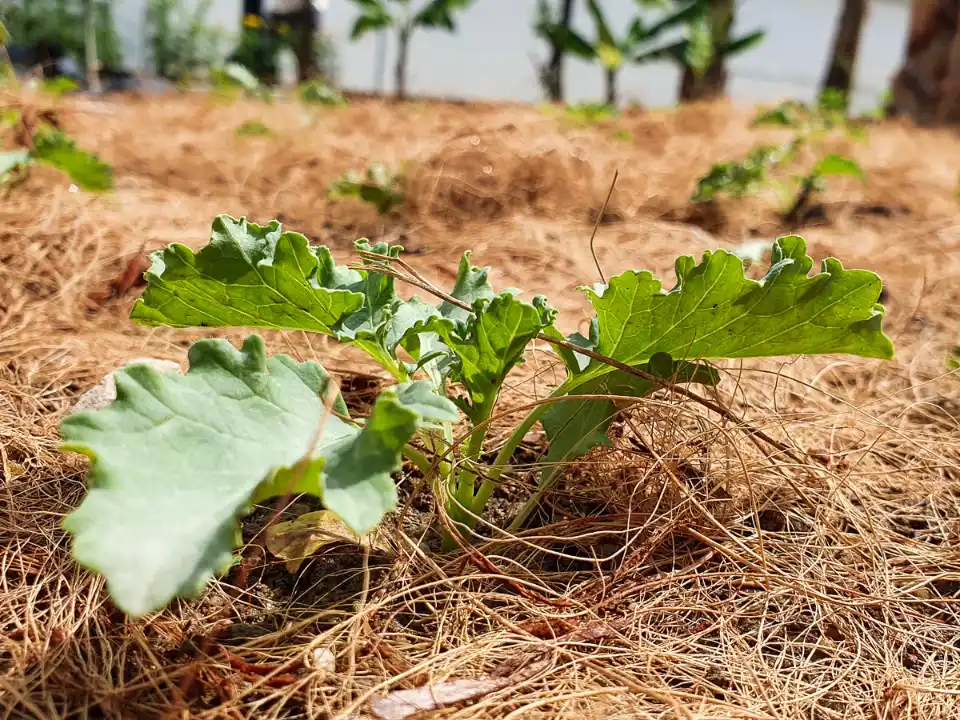
Does Mulching Kill Weeds? The Science Behind It
Mulch doesn’t kill weeds with chemicals. Instead, it works by changing the environment weeds need to survive — mainly by cutting off light.
According to Cornell Cooperative Extension’s turfgrass weed program, mulch suppresses weeds primarily through light exclusion and physical obstruction, and it’s most effective against annual weeds when applied at an adequate depth.
How Mulch Blocks Weeds From Growing
Weed seeds need light to trigger photosynthesis and kickstart germination. Cover the soil with a thick enough layer of mulch, and that light simply never reaches the seed.
Researchers at Texas A&M AgriLife Extension put it simply: wherever sunlight hits bare soil, a weed is waiting to grow. Mulch removes that opportunity. Even weeds that do manage to sprout under mulch usually run out of energy before they reach the surface — they’re smothered before they get a fighting chance.
Will Mulching Kill Weeds That Are Already Growing?
This is where most homeowners get tripped up, and it depends entirely on what kind of weed you’re fighting:
- Annual weeds (crabgrass, chickweed, henbit) complete their life cycle in one season and have shallow roots. Mulch smothers these effectively, especially if you cut them down first.
- Perennial weeds (dandelion, clover, nutsedge) have deep, established root systems that store energy underground. Mulch alone often isn’t enough — these will push right through unless you remove the roots first.
If you’re not sure which type you’re dealing with, Lawn Love’s guide to annual vs. perennial weeds is a solid resource for identifying what’s growing in your yard before you mulch over it.
Bottom line: mulch is excellent at preventing new weeds and smothering young seedlings. For established perennial weeds, you’ll need to combine mulching with hand-pulling or spot treatment.
How Thick Does Mulch Need to Be to Kill Weeds?
Depth is the single biggest factor in whether mulching kills weeds or just makes your yard look nice for a few weeks. Too thin, and light still reaches the soil. Too thick, and you risk smothering the roots of plants you actually want to keep.
The Ideal Mulch Depth for Weed Suppression
Cornell Cooperative Extension recommends maintaining a mulch layer between 2 and 4 inches for effective, adequate weed control without harming surrounding plants.
| Mulch Depth | Effect on Weeds |
|---|---|
| Less than 1 inch | Light reaches soil easily; weed seeds germinate with little resistance |
| 1–2 inches | Some suppression, but many annual weeds still break through |
| 2–4 inches | Recommended range — blocks most light and smothers new seedlings |
| 5+ inches | No added weed-control benefit; can suffocate plant roots and trap moisture against stems |
Why Thin Mulch Layers Won’t Stop Weeds
A layer under 2 inches simply doesn’t block enough light. According to the lawn and garden brand Preen, if you’re seeing weeds pop up shortly after mulching, the most common culprit is a layer that’s too thin — not the mulch itself failing.
Here’s why this matters for will mulching kill weeds in the long run: organic mulch settles and decomposes over time. A 3-inch layer can compress to under 1.5 inches within a year, quietly losing its weed-blocking power without you noticing.
Best Mulch Types for Killing Weeds
Not all mulch is created equal when it comes to weed control. Some options block light better, last longer, or add more value to your soil. Here’s how the most common types stack up.
Organic Mulch Options
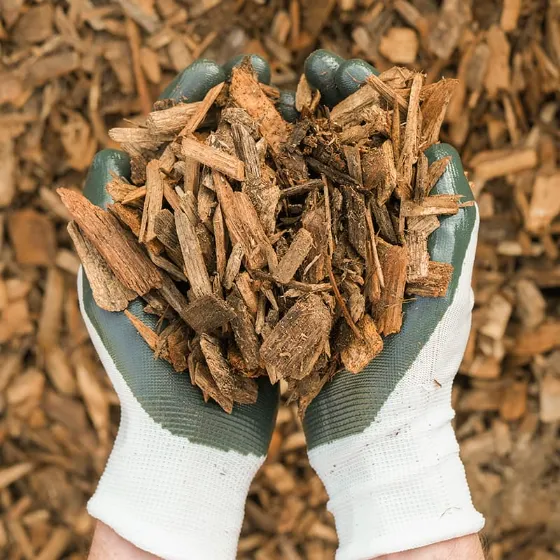
Organic mulches — wood chips, shredded bark, pine straw, and leaf mulch — are the most popular choice for lawns and garden beds because they break down over time and feed your soil.
- Wood chips and bark: Highly effective at 2–4 inches; widely available and affordable.
- Pine straw or shredded leaves: Lightweight and easy to spread, great for garden beds.
- Grass clippings: Useful in small amounts, but can mat down and block water if applied too thick.
The tradeoff? Organic mulch breaks down and needs refreshing roughly every 2 to 3 years to maintain its weed-blocking depth.
Inorganic Mulch Options
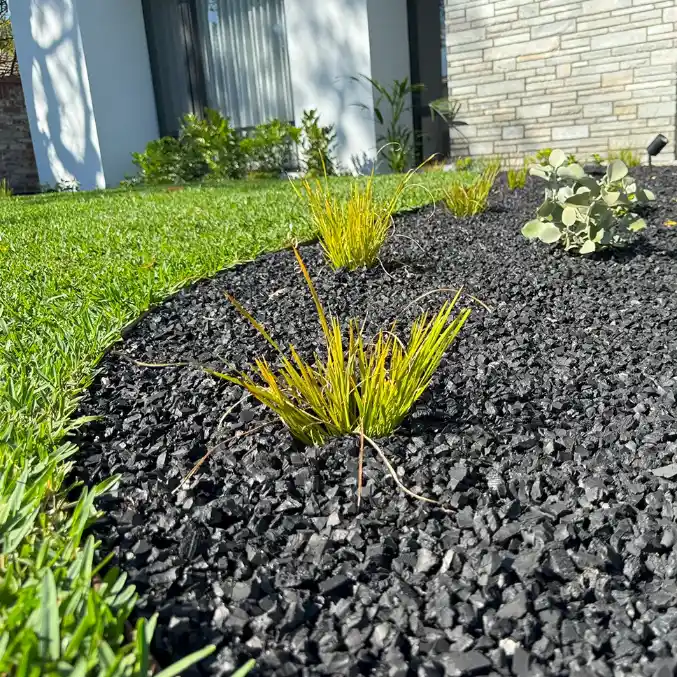
If long-term, low-maintenance weed control is the priority, inorganic options last considerably longer:
- Landscape fabric topped with mulch: One of the most effective combinations for weed suppression, though it doesn’t improve soil quality.
- Gravel or stone: Lasts 5–10+ years and works well in low-traffic decorative areas.
- Rubber mulch: Extremely long-lasting, though some homeowners prefer to avoid it near edible gardens due to material breakdown concerns over time.
| Mulch Type | Weed Suppression | Typical Lifespan | Improves Soil? |
|---|---|---|---|
| Wood chips / bark | High (at 2–4 in.) | 1–3 years | Yes |
| Straw / leaf mulch | Moderate–High | Under 1 year | Yes |
| Landscape fabric + mulch | Very High | 3–5+ years | No |
| Gravel / stone | High | 5–10+ years | No |
| Rubber mulch | High | 10+ years | No |
Bucket brigade alert: But wait — even the best mulch type won’t matter if you skip the step most people rush through. Let’s talk prep.
How to Mulch So It Actually Kills Weeds (Step-by-Step)
If you’re wondering whether mulching will kill weeds in your yard specifically, the answer often comes down to these five steps.
Step 1: Clear Existing Weeds First
Pull, cut, or spot-treat any visible weeds — especially perennials — before laying mulch. Mulching over established weeds without removing them is one of the most common reasons mulch “fails.”
Step 2: Edge Your Beds
Use an edging tool to create a clean border between your lawn and mulched areas. This prevents lawn grass from creeping into beds and gives weeds fewer entry points along the edges, a tip echoed by Preen’s mulching guidelines.
Step 3: Apply a 2–4 Inch Layer
Spread mulch evenly across the bed, aiming for that 2–4 inch sweet spot. Keep mulch a few inches away from plant stems and tree trunks to avoid rot and pest issues.
Step 4: Water It In
Lightly water the mulch after applying. This helps settle the material and discourages it from blowing or washing away.
Step 5: Refresh Annually or Bi-Annually
Check your mulch depth each spring. If it’s compressed below 2 inches, top it off rather than letting weeds find their opening.
Mulching Mistakes That Let Weeds Win
Even well-intentioned mulching can backfire. Watch out for these common errors:
Layering Too Thin (or Too Thick)
Under 2 inches lets light through; over 4–6 inches can suffocate roots and create excess moisture that actually encourages certain weeds and fungal issues.
Mulching Over Established Perennial Weeds
If you skip removing perennial weeds with deep root systems, they’ll often push straight through your fresh mulch within weeks — making it look like the mulch “didn’t work” when really, the prep step was missed.
Piling Mulch Against Tree Trunks (“Mulch Volcanoes”)
This common mistake doesn’t directly cause weeds, but it stresses trees and shrubs, weakening the plants you actually want thriving in that space.
Frequently Asked Questions
Will mulching kill weeds permanently?
No. Mulch significantly reduces weed growth and can smother existing seedlings, but it doesn’t permanently eliminate weeds. New seeds arrive via wind, birds, and soil disturbance, so ongoing maintenance is needed to keep beds weed-free.
Does mulch kill weeds without using chemicals?
Yes — that’s one of mulch’s biggest advantages. It works mechanically by blocking light and creating a physical barrier, making it a go-to option for anyone looking to reduce herbicide use in their yard.
Can you put mulch directly over weeds without pulling them first?
For small annual weeds, a thick mulch layer can smother them. For established perennial weeds with deep roots, pulling or treating them first is strongly recommended — otherwise they’ll likely grow right through.
Will mulching kill grass along with weeds?
Yes, if applied thickly enough (typically 3–4 inches) and left in place for several weeks, mulch can smother grass the same way it smothers weeds — which is actually a useful technique for converting lawn areas into garden beds.
How often do I need to reapply mulch to keep weeds away?
Organic mulch typically needs refreshing every 1–3 years as it breaks down and compresses. Checking depth each spring and topping off as needed keeps your weed barrier intact.
Final Thoughts: Will Mulching Kill Weeds in Your Yard?
Mulch is one of the most effective, low-chemical tools for weed control — but only when it’s done right. Here’s what to remember:
- Mulch suppresses weeds by blocking light, not through chemical action
- A 2–4 inch depth is the sweet spot for weed control without harming plants
- It works best on annual weeds; perennial weeds need to be removed before mulching
- Prep work (clearing weeds, edging beds) matters as much as the mulch itself
- Organic mulch needs refreshing every 1–3 years to stay effective
If your beds are already overrun with weeds, or you’d rather not spend a weekend hauling bags of mulch, a professional mulching service can prep, apply, and maintain your beds at the right depth from the start — saving you the trial-and-error. Reach out to your local lawn care team to get a quote for spring or fall mulching.
References & Further Reading
- Cornell Cooperative Extension – Mulch for Turf and Landscape Weed Management
- Texas A&M AgriLife Extension – Managing Garden Weeds With Mulch
- Preen – Mulching Do’s and Don’ts
- Lawn Love – Annual vs. Perennial Weeds
- Britannica – Photosynthesis Overview
About Author
Khalid Fazal is a seasoned lawn care specialist and horticultural researcher with over 15 years of hands-on experience transforming challenging landscapes into lush, resilient green spaces. His journey didn’t start in a lab, but in a backyard full of stubborn, cracked clay that “experts” said would never grow a healthy blade of grass. Refusing to accept a yard full of dust, Khalid spent years experimenting with organic soil restoration and precise mulching—eventually turning that wasteland into a neighborhood showpiece on a shoestring budget.
From mastering core aeration techniques to optimizing soil pH for specialized turf varieties, Khalid’s approach combines old-school grit with modern agronomic science. He founded Gen Lawn to provide homeowners with honest, research-backed advice that prioritizes long-term soil health over quick-fix chemical solutions. When he isn’t analyzing soil profiles, he’s developing precision tools to help others achieve professional results without the professional price tag.

Lawn Winterizer: When to Apply by Grass & Region [2026]
Table of Contents Home / By Khalid Fazal | Updated:...
Read More
Spring Lawn Care: What to Do and When in Every US Region
Table of Contents Home / By Khalid Fazal | Updated:...
Read More
Lawn Maintenance Checklist by Season and Grass Type (2026)
Table of Contents Home / By Khalid Fazal | Updated:...
Read More
Liquid Fertilizer vs Granular Fertilizer: Which Wins?
Table of Contents Home / By Khalid Fazal | Updated:...
Read More