
Licorice Root Mulch: What It Is, Why It Works, and Where to Find It
A New Jersey electrician named Howard Montzer stumbled onto one of gardening’s best-kept secrets in the 1940s while working at a licorice flavoring factory. Nearly 80 years later, most gardeners still don’t know it exists.
That’s a shame — because licorice root mulch quietly outperforms most popular mulches on moisture retention, weed suppression, soil enrichment, and pest resistance all at once.
Here’s the thing: if you’ve been fighting dry soil, fast-breaking mulch, or that dreaded artillery fungus leaving black spots on your siding — this might be exactly what your garden has been missing.
This guide covers what licorice root mulch is, its real benefits (with the nuance competitors skip), exactly how to apply it, how it honestly stacks up against the most common alternatives, and the truth about where you can still find it in the US.
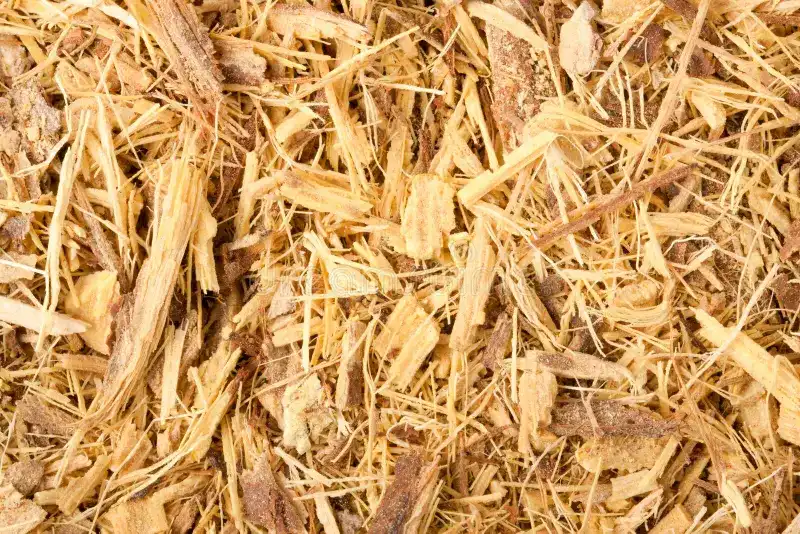
What Is Licorice Root Mulch? (And the Origin Story No One Tells)
From Factory Waste to Garden Gold
Licorice root mulch starts at a flavoring plant. The roots of Glycyrrhiza glabra — the licorice plant native to central Asia — are steamed in large kettles to extract glycyrrhizin, a compound roughly 50 times sweeter than sugar used in candies, baked goods, and medicines.
What’s left behind is fibrous, nutrient-dense plant material. For decades at the MacAndrews & Forbes factory in Camden, New Jersey, that material was treated as useless waste.
Then Howard T. Montzer, an electrician at the plant, tried using it as garden mulch. The results were striking enough that the company eventually commercialized it under the brand name Right Dress — the original and only true licorice root mulch brand sold in the US. Here’s what makes that steaming process so valuable for gardeners: it eliminates weed seeds and pathogens before the mulch ever reaches your beds. Most wood chip mulches can’t say that.
What It Looks, Feels, and Smells Like
Licorice root mulch is deep brown to black in color — that’s the natural dye from the roots themselves, not an added chemical. Wear gloves when applying it, as it will stain your hands.
The texture is lightweight and fibrous. When laid down, those fibers interlock and form a dense mat that stays firmly in place — no scattering in the wind or washing down a slope in heavy rain. And the smell? Faintly sweet. If you’re used to the sharp, pungent “wood pile” smell of fresh hardwood mulch, this is a noticeably pleasant change.
Key Benefits of Licorice Root Mulch
Nitrogen-Rich Soil Enrichment — A Crucial Advantage Most People Miss
Here’s the thing about fresh wood chip mulches that most bag labels won’t tell you: as they decompose, they temporarily pull nitrogen from the surrounding soil to fuel that breakdown process. This is called nitrogen immobilization, and it can actively stress your plants — especially in vegetable and flower beds that need consistent nutrition.
Licorice root mulch has a nitrogen-to-carbon (N:C) ratio of 25:1, which means it contributes nitrogen as it breaks down rather than competing with your plants for it. It also contains 12 of the 13 essential plant nutrients required for healthy growth.
The result: your soil gets measurably richer over time, not depleted.
Moisture Retention That Reduces How Often You Water
The dense fiber mat that licorice root mulch creates is a genuine barrier against evaporation. During hot US summers — particularly across regions facing drought conditions or water restrictions — this makes a meaningful difference in how often you need to grab the hose.
A properly applied layer keeps root zones cooler, extends the time between waterings, and protects plants from the stress spikes that come with inconsistent moisture. For gardeners in water-restricted areas, that’s a practical and economic win.
Weed Suppression That Holds Its Ground
Apply licorice root mulch at the right depth and weed seeds in the soil struggle to get the light they need to germinate. More importantly, the interlocking fiber structure resists displacement — so your weed barrier doesn’t develop gaps the way loose mulches tend to after a windstorm or heavy rain.
This is a real edge over straw or pine needles, which scatter easily and need frequent top-ups to stay effective.
Pest and Fungus Resistance — What the Research Actually Says
This is where we want to be precise — because most blogs aren’t.
Licorice root mulch does not attract termites. Unlike wood-based mulches placed near a home’s foundation, it doesn’t offer a food source for termites — a meaningful advantage for homes in high-risk regions across the southern and eastern US.
Its natural antimicrobial properties, attributed to glycyrrhizin compounds, also give it a genuine edge against fungal growth — including artillery fungus (Sphaerobolus stellatus), the notorious mulch pest that fires sticky black spore masses onto siding, cars, and windows.
But here’s the honest nuance you won’t find on most blogs: Penn State Extension’s field study testing 27 different mulch types found large pine bark nuggets and cypress mulch as the top documented performers against artillery fungus — not licorice root specifically. Licorice root’s resistance is real and widely reported by professional landscapers, but it’s grounded in its antimicrobial composition rather than a direct head-to-head study result.
We’re telling you this because you deserve the full picture, not a cherry-picked sales pitch.
How to Apply Licorice Root Mulch Like a Professional
Which Plants and Garden Areas Benefit Most
Licorice root mulch is excellent around roses, evergreens, azaleas, hydrangeas, trees, and shrubs. It’s also safe and beneficial in vegetable and herb gardens, where its nitrogen contribution gives it a genuine advantage over bark-based alternatives.
It’s less suited for succulent gardens or beds requiring sharp, fast drainage — the dense mat retains more moisture than drought-tolerant plants prefer.
Depth, Coverage, and the Numbers You Need
Apply at 2 to 4 inches deep. Not thinner, not thicker.
Too thin and weed seeds get enough light to germinate anyway. Too thick and you risk suffocating roots and restricting airflow to the soil below. A 1.5 cubic foot bag covers approximately 9 square feet at a 2-inch depth — so plan your quantities before you buy, especially since it’s only sold by the bag and not in bulk.
Also: keep mulch 2 to 3 inches away from plant stems and tree trunks. Piling it against bark traps moisture and can cause rot — a mistake so common in landscaping it’s been given its own name: the mulch volcano. Avoid it.
Seasonal Timing Across US Climate Zones
Timing matters more than most gardeners realize.
- Northern and colder US climates: Apply in late spring to lock in soil warmth and moisture as temperatures climb.
- Southern and warmer US climates: Apply in late fall to stabilize soil temperature and reduce water loss through winter.
- According to Right Dress manufacturer specs, the mulch can be applied year-round for visual appeal and light maintenance.
Not sure which USDA Plant Hardiness Zone you’re in? Use the USDA’s free interactive map — knowing your zone helps you time every mulching and planting decision more precisely.
Maintenance: What to Expect Over Time
Licorice root mulch is not a set-it-and-forget-it product. Check depth annually and plan to top up every 12 to 18 months as it slowly breaks down and feeds the soil below.
In high-traffic areas or spots exposed to heavy rain runoff, more frequent refreshing may be needed. But here’s the upside: as it decomposes, it’s enriching your soil — so the breakdown is the point, not a failure.
Licorice Root Mulch vs. Common Alternatives
Not sure if licorice root is right for your situation? Here’s how it honestly compares to the mulches you’re most likely already considering.
| Feature | Licorice Root | Hardwood Bark | Cedar | Pine Bark Nuggets | Straw |
|---|---|---|---|---|---|
| Nitrogen Impact |  Adds nitrogen Adds nitrogen |  Temporarily removes nitrogen Temporarily removes nitrogen | Neutral | Neutral | Neutral |
| Moisture Retention |  | | | | |
| Artillery Fungus Risk | Low | High | Medium | Low (Penn State validated) | Low |
| Termite Risk | None |  Moderate Moderate | Low | Low | None |
| Weed Suppression | | | | | |
| Bulk Availability | Bags only | Bulk and bags | Bulk and bags | Bulk and bags | Bags |
| Cost | $$$$ | $$ | $$$ | $$ | $ |
When Licorice Root Mulch Is Worth the Premium
If you’re mulching around a home’s foundation and want to avoid termite habitat, if you’re dealing with artillery fungus from wood-based mulches, or if your plants are sensitive to nitrogen swings — licorice root mulch pays for itself in reduced problems and reduced maintenance.
When to Choose Something Else
For large-scale projects needing bulk delivery, or where budget is the hard constraint, hardwood bark or large pine bark nuggets deliver solid results at a fraction of the cost. Cedar mulch is a strong middle-ground for pest-conscious gardeners who want better regional availability and the option to buy in bulk.
Where to Buy Licorice Root Mulch in the US (The Honest Answer)
Let’s be more transparent here than most gardening blogs tend to be.
The Availability Situation You Need to Know About
Right Dress is the only commercial brand of true licorice root mulch in the US. And its availability has become genuinely patchy in recent years.
One Pennsylvania mulch supplier, Monty’s Mulch, explicitly states on their website that Right Dress licorice root mulch is no longer being produced by its single manufacturer. However, Lowe’s still lists it online with location-based availability, and it continues to appear on Instacart, ACME Markets, and Shaw’s in various regions — suggesting existing inventory is still moving through retail channels.
The bottom line: it may still be available near you, but confirm stock before making a trip.
Where to Check First
- Lowe’s — still listed online; use your zip code to check local store stock
- Instacart — check your local delivery zone for same-day availability
- Local nurseries and garden centers — call ahead; stock has historically been strongest in the northeastern US where the brand originated
- Amazon — third-party sellers sometimes carry it; verify seller reviews and confirm the listing is for pure licorice root with no synthetic binders or artificial dyes
Keep in mind: it is only sold by the bag — there is no bulk purchase option available in the US.
If You Can’t Find It — Honest Alternatives
If Right Dress isn’t available in your area, here’s what professional landscapers reach for instead:
- Large pine bark nuggets — Penn State’s top-documented artillery fungus performer; widely available in bulk across the US
- Cedar mulch — natural insect-repelling oils, good moisture retention, widely available in both bags and bulk
- Composted wood chip mulch — better nitrogen profile than fresh wood chips; more accessible nationwide and often available locally
Frequently Asked Questions About Licorice Root Mulch
Is licorice root mulch still available in the US?
It’s complicated. Right Dress, the only commercial brand, has experienced supply disruptions according to at least one regional supplier. However, it’s still listed at Lowe’s and on several grocery delivery platforms in some regions. Availability is patchy and strongest in the northeastern US. Always confirm stock online or by phone before visiting a store — and see our alternatives section above if you can’t find it locally.
Is licorice root mulch safe for vegetable gardens?
Yes. Because it’s sterilized during the steaming process, it’s free of weed seeds and pathogens — making it safe and beneficial around vegetables, herbs, and fruits. Its nitrogen contribution is actually a bonus in food-growing beds. For a deeper dive into vegetable garden mulching best practices, Rutgers University Extension has a well-regarded resource worth bookmarking.
Why does licorice root mulch cost so much more than regular mulch?
Two main reasons: it’s a specialty product from a single manufacturer, and it’s only available in bags rather than bulk. The premium reflects limited supply and multi-benefit performance. According to GreenWeaver Landscapes, licorice root runs about 2 to 3 times the cost of shredded hardwood — but reduced watering, lower artillery fungus risk, and slower decomposition offset a significant portion of that cost over a full growing season.
Does licorice root mulch attract pests?
No. Unlike wood-based mulches, it does not serve as a food source for termites and doesn’t provide the damp, woody environment many soil pests prefer. Its natural antimicrobial properties actually make it less hospitable to fungal pests than standard bark mulch. That said, no mulch is completely pest-proof — proper application depth and keeping mulch away from structures remain important regardless of type.
How often should I replace licorice root mulch?
Plan to top it up every 12 to 18 months. Since it decomposes slowly and enriches the soil as it breaks down, you rarely need to remove and replace it entirely — just add a fresh layer to maintain the recommended 2 to 4-inch depth. In high-traffic spots or areas with heavy rainfall, check depth more frequently and replenish as needed.
The Bottom Line
Licorice root mulch is one of those products that makes you wonder why it isn’t in every garden center in the country. It retains moisture, enriches soil, suppresses weeds, resists pests, and won’t pull nitrogen from your plants the way wood chip mulches do. The catch is real: it costs more, it’s harder to find, and it’s only available in bags.
Here’s what to walk away with:
- Nitrogen is the quiet game-changer — licorice root adds it; fresh wood chips take it. That single difference can determine how well your plants hold up through a dry summer.
- 2 to 4 inches is the sweet spot — no thinner, no thicker.
- Verify stock before you shop — Lowe’s is your best first stop online; call ahead to local nurseries.
- If you can’t find it, large pine bark nuggets and cedar mulch are the closest honest substitutes backed by real research.
Ready to take your lawn and garden to the next level? Browse more expert lawn care guides at Gen Lawn — from seasonal mulching schedules to soil health deep-dives, we cover what your yard actually needs to thrive.
References and Further Reading
- Penn State Extension — Artillery Fungus in Mulch
- Rutgers University Extension — Mulches for Vegetable Gardens
- USDA Plant Hardiness Zone Map
- University of Minnesota Extension — Types of Landscape Mulches
- University of Minnesota Extension — The Nitrogen Cycle
- USDA NRCS — Nitrogen Immobilization and Soil Biology
- SARE — Carbon to Nitrogen Ratios in Organic Materials
- University of Wisconsin Extension — Mulching Trees and Shrubs
- USDA Drought Monitor — Current US Drought Conditions
- EPA — Termites: How to Identify and Control Them
- GreenWeaver Landscapes — Mulching: Benefits, Types, and Tips
- Monty’s Mulch — Availability Note on Right Dress
- Lowe’s — Right Dress Licorice Root Mulch Product Page
- Garden.org Knowledgebase — Licorice Root Mulch History and Origin
- NCBI — Glycyrrhizin Compound Overview
About Author
Khalid Fazal is a seasoned lawn care specialist and horticultural researcher with over 15 years of hands-on experience transforming challenging landscapes into lush, resilient green spaces. His journey didn’t start in a lab, but in a backyard full of stubborn, cracked clay that “experts” said would never grow a healthy blade of grass. Refusing to accept a yard full of dust, Khalid spent years experimenting with organic soil restoration and precise mulching—eventually turning that wasteland into a neighborhood showpiece on a shoestring budget.
From mastering core aeration techniques to optimizing soil pH for specialized turf varieties, Khalid’s approach combines old-school grit with modern agronomic science. He founded Gen Lawn to provide homeowners with honest, research-backed advice that prioritizes long-term soil health over quick-fix chemical solutions. When he isn’t analyzing soil profiles, he’s developing precision tools to help others achieve professional results without the professional price tag.

Lawn Winterizer: When to Apply by Grass & Region [2026]
Table of Contents Home / By Khalid Fazal | Updated:...
Read More
Spring Lawn Care: What to Do and When in Every US Region
Table of Contents Home / By Khalid Fazal | Updated:...
Read More
Lawn Maintenance Checklist by Season and Grass Type (2026)
Table of Contents Home / By Khalid Fazal | Updated:...
Read More
Liquid Fertilizer vs Granular Fertilizer: Which Wins?
Table of Contents Home / By Khalid Fazal | Updated:...
Read More