
Does Ryegrass Grow in Shade? The Honest Answer for Your Lawn
Yes, ryegrass can grow in shade — but only up to a point. Most ryegrass needs at least 4 to 6 hours of direct or filtered sunlight a day to stay healthy, and the exact answer depends heavily on whether you’re working with perennial or annual ryegrass, and how “shady” your shade really is.
Here’s the thing: most articles stop at that yes/no answer and move on. But the real story is in the details — how many hours your specific spot gets, what kind of shade it is, and what actually happens to the grass blades when light runs short. Below, we’ll break down the science in plain English, compare perennial vs. annual ryegrass, and walk through what to plant (and how to maintain it) if your yard isn’t getting full sun.
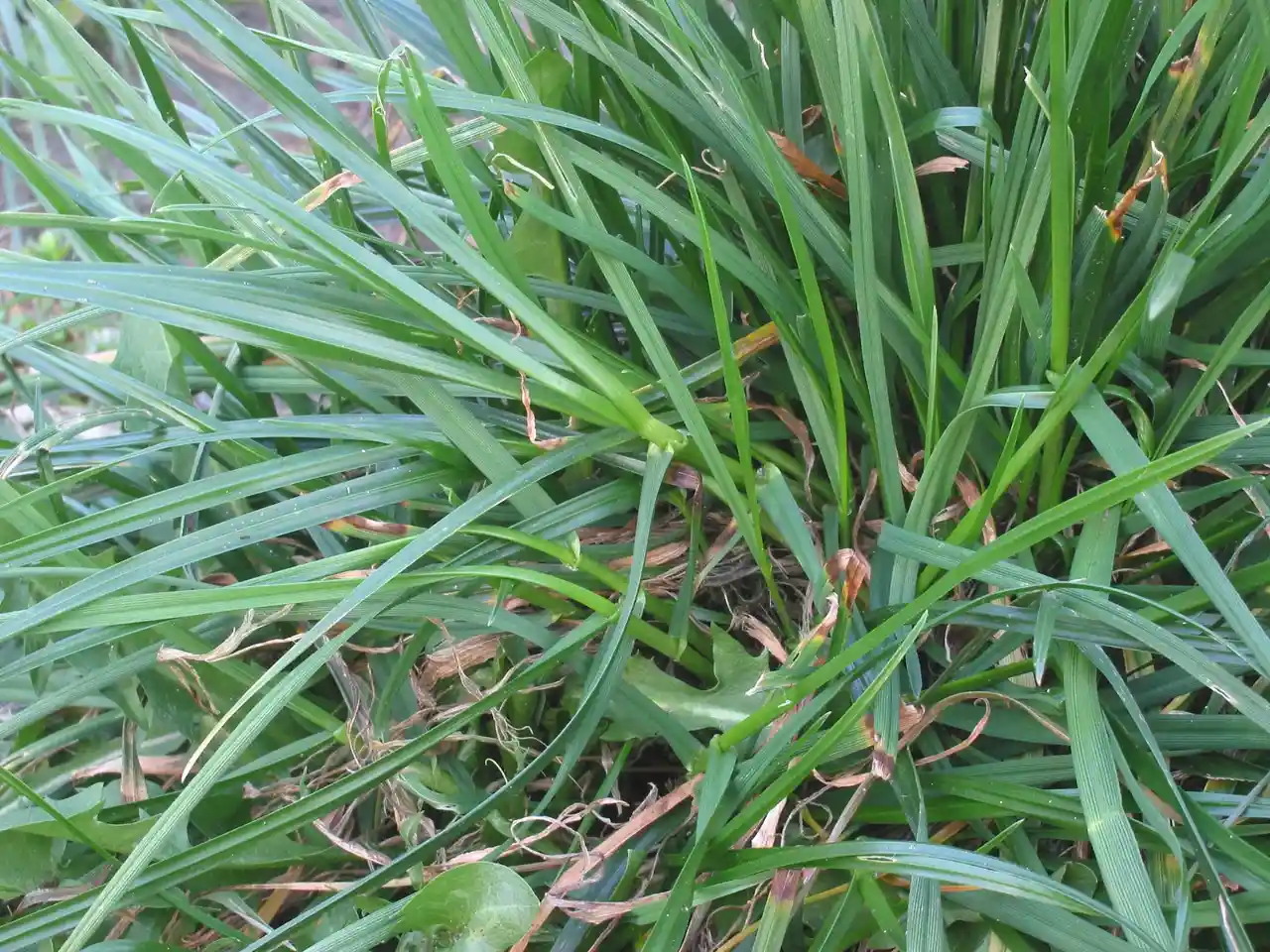
Does Ryegrass Grow in Shade? How Many Hours of Sun It Actually Needs
Ryegrass is, by nature, a sun-loving grass. The University of California’s turfgrass program notes that perennial ryegrass prefers full sun but will tolerate partial shade — which is the key word here: tolerate, not thrive.
In practical terms, here’s what that means for your lawn:
| Sunlight Per Day | What to Expect |
|---|---|
| 6–8 hours | Ideal — dense, healthy growth |
| 4–6 hours | Survivable — ryegrass will grow but may thin over time |
| Under 4 hours | Poor — grass will weaken, thin, and struggle long-term |
Partial Shade vs. Full Shade: Why the Difference Matters for Ryegrass
Not all shade is created equal, and this is where a lot of homeowners get tripped up.
- Partial or dappled shade — light filters through a tree canopy, or an area gets direct sun for part of the day (morning sun, afternoon shade, for example). Ryegrass can hold its own here.
- Full or deep shade — areas under dense canopies, beside tall fences, or on the north side of a building that almost never see direct light. This is where ryegrass consistently fails.
If your “shady” spot only goes dark for an hour or two during peak afternoon sun, you’re probably fine. If it’s shaded most of the day, every day, you’re working against the grass’s basic biology.
What Happens When Ryegrass Doesn’t Get Enough Light
Before we get into the deeper science, here’s the short version: low light means less photosynthesis, less photosynthesis means weaker grass, and weaker grass means thinning, pale blades and a lawn that’s more vulnerable to disease and bare patches. We’ll unpack exactly why that happens next.
Why Ryegrass Struggles to Grow in Shade (The Science, Simplified)
It’s not just “grass needs sun” in a vague sense — there are specific, well-documented reasons ryegrass performs poorly in low light.
Etiolation — The Real Reason Shaded Ryegrass Looks Thin and Pale
When ryegrass doesn’t get enough light, it goes through a process called etiolation. In simple terms, the plant stretches itself upward and thins out as it tries to “reach” for more sunlight.
According to turfgrass research published in the National Library of Medicine, this stretching response leaves the grass with elongated, pale, weakened leaf tissue — and that weakened tissue is far more vulnerable to disease and damage from regular mowing. In other words, etiolation isn’t just a cosmetic issue. It’s the mechanism that turns a shaded lawn from “a little thin” into “patchy and struggling.”
So when you see ryegrass in a shady spot looking tall, floppy, and washed-out compared to the rest of your lawn, that’s etiolation in action — not a fertilizer problem.
Tree Root Competition: The Hidden Shade Problem
Here’s a factor that catches a lot of homeowners off guard: it’s often not only the lack of sunlight working against your grass. If your shade is coming from trees, those same trees have root systems competing with your ryegrass for water and nutrients underground.
This is why ryegrass under a mature oak or maple often struggles even more than the sunlight numbers alone would suggest. You’re not just managing a light problem — you’re managing a resource competition problem too. That usually means more frequent watering and a lighter touch with foot traffic in those areas.
Perennial Ryegrass vs. Annual Ryegrass: Which Grows Better in Shade?
Not all ryegrass is the same plant, and this distinction matters more than most guides let on.
Perennial Ryegrass Shade Tolerance Explained
Perennial ryegrass (Lolium perenne) is the version most commonly used in home lawns, and it’s also the more shade-capable of the two. It has the highest wear-tolerance of any cool-season grass and germinates quickly, which is why it’s a popular overseeding choice.
In moderate, dappled shade, perennial ryegrass can hold a reasonably dense lawn for several growing seasons — provided it’s getting that 4-to-6-hour minimum. Push it into deeper shade, though, and even perennial ryegrass starts to thin out.
Annual Ryegrass in Shade: Why It’s a Short-Term Fix
Annual ryegrass is the cheaper, faster-germinating cousin — and it’s significantly less shade-tolerant. It’s most often used to temporarily overseed warm-season lawns that go dormant in winter.
Interestingly, Clemson’s Home & Garden Information Center points out that ryegrasses actually adapt well to either sun or shade specifically in this overseeding context — largely because the dormant warm-season grass beneath isn’t competing for light or nutrients at that time of year. That’s a very different situation from trying to establish a permanent, year-round lawn in a shady spot.
Bottom line: if you need ryegrass to perform long-term in shade, perennial is the only real contender — and even then, it has limits.
Best Grass Options If Ryegrass Won’t Grow in Your Shady Yard
If your yard’s shade is more “deep” than “dappled,” it’s worth knowing your alternatives before you waste a bag of seed.
Fine Fescue: The Top Pick for Deep Shade
Fine fescues (creeping red fescue, chewings fescue, and similar varieties) are widely considered the most shade-tolerant cool-season grasses available. They can hold up with as little as 2 to 3 hours of sunlight a day, need less fertilizer, and generally require less water than ryegrass.
Shade-Tolerant Seed Blends That Still Include Ryegrass
You don’t necessarily have to choose one grass type and abandon the other. Many seed blends combine perennial ryegrass with fine fescue — getting ryegrass’s fast germination and wear-tolerance in the sunnier parts of your yard, while fescue carries the load in the shadier corners. This is often the most practical solution for yards with mixed sun exposure, which describes most residential lawns.
| Grass Type | Minimum Sun Needed | Shade Tolerance |
|---|---|---|
| Fine Fescue | 2–3 hours | Excellent |
| Tall Fescue | 4 hours | Good |
| Perennial Ryegrass | 4–6 hours | Moderate |
| Annual Ryegrass | 6+ hours | Low |
| Kentucky Bluegrass | 6+ hours | Low |
How to Help Ryegrass Grow Better in Partial Shade
If your shade falls in that 4-to-6-hour “survivable” range, a few adjustments can make a real difference in how your ryegrass performs.
Mowing Height Adjustments for Shaded Ryegrass
Mow shaded ryegrass slightly taller than you would in full sun — taller blades have more leaf surface to capture the limited light available. Avoid scalping shaded turf; it’s already working with less energy reserve than grass growing in full sun.
Smart Overseeding and Watering Tips for Shady Lawns
- Overseed shaded patches every fall rather than waiting for bare spots to appear — thin turf is easier to thicken up before it fully dies out.
- Water deeply but less frequently to encourage stronger roots, especially in areas competing with tree roots.
- Reduce nitrogen fertilizer slightly in shaded zones — excess nitrogen on shade-stressed grass can actually accelerate etiolation rather than fix it.
- Prune low tree branches where possible to let in a few extra hours of filtered light.
Frequently Asked Questions About Ryegrass and Shade
Does ryegrass grow well in full sun or shade?
Ryegrass performs best in full sun and only tolerates shade within limits. It needs at least 4–6 hours of light daily to survive in partially shaded conditions.
How many hours of sun does ryegrass need to grow in shade?
Most ryegrass needs a minimum of 4 hours of direct or filtered sunlight to survive, and 6–8 hours to truly thrive. Below 4 hours, expect thinning and weak growth.
Can perennial ryegrass survive in full shade?
Generally, no. Perennial ryegrass struggles in deep, full shade and is much better suited to partial or dappled shade where it still gets several hours of light.
What grass grows better than ryegrass in shady yards?
Fine fescue is the top choice for deeply shaded lawns, tolerating as little as 2–3 hours of sunlight. Tall fescue is a solid middle-ground option as well.
Will ryegrass die out completely if it doesn’t get enough sun?
It can. Chronic low light leads to etiolation, thinning, and disease susceptibility, which over time can cause ryegrass to die back and leave bare patches, especially in high-traffic areas.
Final Thoughts
Here’s what to take away:
- Ryegrass can grow in shade, but only with at least 4–6 hours of daily sunlight.
- Deep, full shade causes etiolation — thin, pale, disease-prone grass — not just a cosmetic issue.
- Perennial ryegrass tolerates shade far better than annual ryegrass for long-term lawns.
- Fine fescue or a ryegrass-fescue blend is the smarter call for genuinely shady yards.
- Mowing taller, overseeding annually, and adjusting watering can stretch ryegrass’s performance in moderate shade.
The fastest way to stop guessing is to actually track your yard’s sun exposure for a day or two before choosing seed. If you’re not sure which grass — or which blend — fits your specific shade situation, a quick lawn assessment can save you a season of frustration and a wasted bag of seed.
Sources & Further Reading
- University of California IPM — Perennial Ryegrass Turf Species Profile
- Clemson HGIC — Overseeding With Ryegrass
- Nature’s Seed — How Much Sun Does a Perennial Ryegrass Lawn Require
- National Library of Medicine (PMC) — Shade Tolerance and Etiolation in Perennial Ryegrass
About Author
Khalid Fazal is a seasoned lawn care specialist and horticultural researcher with over 15 years of hands-on experience transforming challenging landscapes into lush, resilient green spaces. His journey didn’t start in a lab, but in a backyard full of stubborn, cracked clay that “experts” said would never grow a healthy blade of grass. Refusing to accept a yard full of dust, Khalid spent years experimenting with organic soil restoration and precise mulching—eventually turning that wasteland into a neighborhood showpiece on a shoestring budget.
From mastering core aeration techniques to optimizing soil pH for specialized turf varieties, Khalid’s approach combines old-school grit with modern agronomic science. He founded Gen Lawn to provide homeowners with honest, research-backed advice that prioritizes long-term soil health over quick-fix chemical solutions. When he isn’t analyzing soil profiles, he’s developing precision tools to help others achieve professional results without the professional price tag.

Lawn Winterizer: When to Apply by Grass & Region [2026]
Table of Contents Home / By Khalid Fazal | Updated:...
Read More
Spring Lawn Care: What to Do and When in Every US Region
Table of Contents Home / By Khalid Fazal | Updated:...
Read More
Lawn Maintenance Checklist by Season and Grass Type (2026)
Table of Contents Home / By Khalid Fazal | Updated:...
Read More
Liquid Fertilizer vs Granular Fertilizer: Which Wins?
Table of Contents Home / By Khalid Fazal | Updated:...
Read More