
How Long Does Grass Seed Last in the Bag? The Answer May Surprise You
You found a half-used bag of grass seed in the back of your garage. It’s been sitting there since… last spring? Maybe the spring before that? Now you’re staring at it wondering: is this stuff still any good?
Here’s your quick answer: grass seed typically lasts 2–3 years if stored properly — and up to 5 years for certain cool-season varieties under ideal conditions. But it’s not quite that simple. Old seed doesn’t just “work or not work.” Its germination rate — the percentage of seeds that actually sprout — drops quietly over time, often without any visible signs.
In this guide, you’ll learn exactly how long different grass seed types last, what secretly kills viability in storage, how to test your seed in 10 minutes, and how to decide whether to use it or toss it.
Let’s dig in.
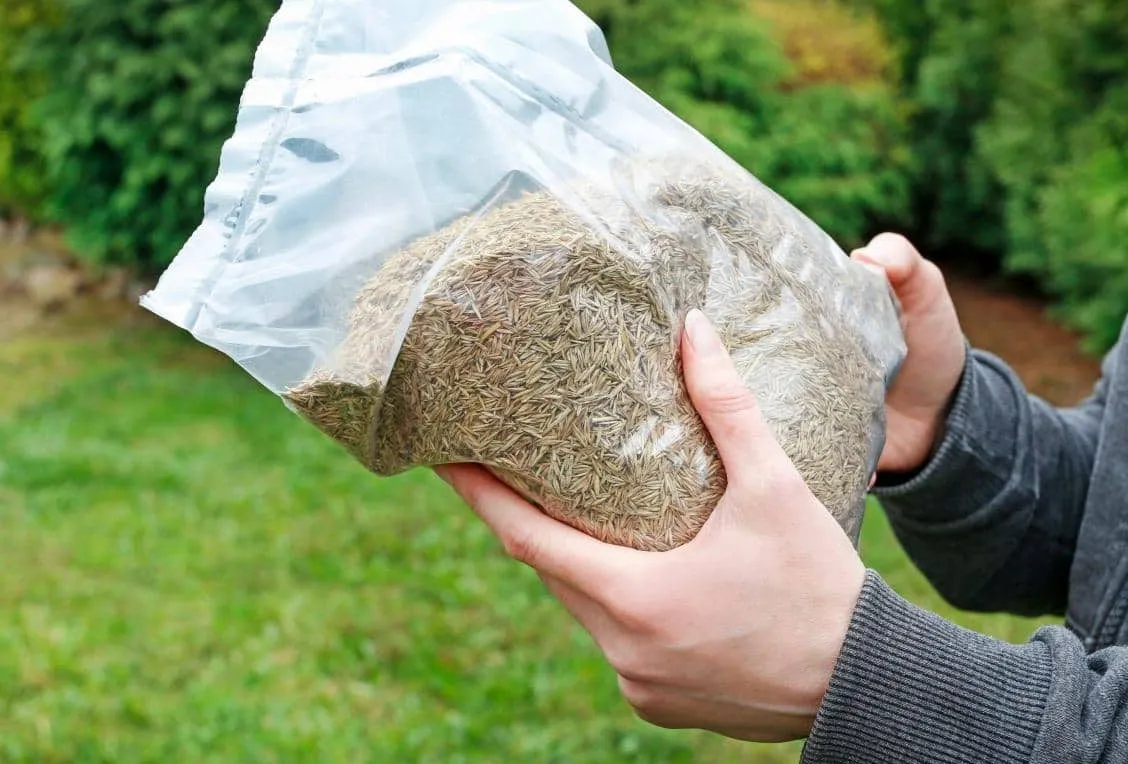
How Long Does Grass Seed Last in the Bag?
The General Rule (And Why It’s Not That Simple)
According to Scotts — one of the most trusted names in lawn care — grass seed stored in a cool, dry place can last 2 to 3 years. That’s the industry rule of thumb most lawn professionals follow.
But here’s the thing: germination rates decline even when seed looks perfectly fine. Research shows that germination drops 10–20% each year after purchase, even under decent storage conditions.
So a bag that tested at 85% germination when new could be sitting at 55–65% after two years. You’d still grow some grass — just not the full, thick lawn you’re hoping for.
The other big factor? Whether the bag is opened or sealed. An unopened factory-sealed bag maintains a controlled internal atmosphere that slows the aging process significantly. Once it’s opened, that protection disappears.
Shelf Life by Grass Seed Type: A Quick Reference Table
Not all grass seed ages the same way. Cool-season varieties naturally last longer than warm-season types due to differences in seed structure and oil content.
| Grass Type | Season Type | Typical Shelf Life |
|---|---|---|
| Creeping Bentgrass | Cool-season | 5+ years |
| Kentucky Bluegrass | Cool-season | 3–5 years |
| Tall Fescue | Cool-season | 3–4 years |
| Perennial Ryegrass | Cool-season | 2–3 years |
| Bermuda Grass | Warm-season | 1–2 years |
| Zoysia Grass | Warm-season | 1–2 years |
Data sourced from a U.S. government study referenced by Bob Vila and Oregon State University extension research.
Not sure if your grass is cool-season or warm-season? This guide from Bob Vila breaks down the most common varieties by region and climate so you can identify exactly what you’re working with.
The simple rule of thumb: Cool-season grasses like fescue and bluegrass give you more storage runway. Warm-season grasses like Bermuda and zoysia degrade faster and should be treated as single-season seed once opened.
What Kills Grass Seed Viability Faster Than You Think
The “Hundreds Rule” — A Storage Check Most Homeowners Have Never Heard Of
Here’s one of the most practical things you can know about grass seed storage — and almost no one talks about it.
Add your storage temperature (°F) + your storage space’s relative humidity (%) together.
If that number exceeds 100, your seed’s shelf life is actively shrinking.
Bad example: Your garage in July = 85°F + 60% humidity = 145. That’s devastating for seed viability over a single summer.
Good example: Your basement = 52°F + 45% humidity = 97. That’s a safe storage zone.
This concept comes from long-term agricultural seed storage research used by professional seed suppliers. You don’t need any fancy equipment — just a basic hygrometer (indoor thermometer + humidity reader) to check your storage space. They’re inexpensive and worth having.
Moisture — The #1 Enemy of Stored Grass Seed
Moisture causes more damage to stored seed than heat alone. When seed absorbs ambient humidity, it can trigger early germination, mold growth, and internal rotting — all while still sitting in the bag looking completely normal.
The warning signs are:
- Seed that feels damp or clumpy when you run it through your fingers
- A musty or sour smell when you open the bag
- Gray dust or visible discoloration on the seeds
According to Nature’s Finest Seed, keeping your storage environment below 50% relative humidity is the critical threshold. Above that, you’re fighting a losing battle against slow seed death.
Temperature Swings Are Quietly Devastating
A garage or shed feels like a logical place to store lawn supplies. But it’s actually one of the worst spots for grass seed.
Temperatures in unheated outdoor structures can swing from 20°F in winter to over 100°F in summer. Every major temperature fluctuation drains the seed’s stored energy reserves. Research cited by the Purdue University Turf Program found that consistent exposure above 75°F can slash germination rates by 25–30% within a single summer.
The ideal storage temperature is 40–55°F — roughly what you’d find in a dry basement or climate-controlled utility room. That steady, cool environment is where seed stays viable longest.
Open Bag vs. Sealed Bag: The Real Difference
Factory-sealed bags are engineered with moisture-resistant packaging that maintains a stable internal atmosphere. The moment you cut that bag open, those protections vanish.
Now, here’s something counterintuitive: while most homeowners reach for an airtight plastic bin (which is good for humidity control), Nature’s Finest Seed actually recommends breathable cloth or burlap bags for opened seed stored in dry environments. The airflow prevents moisture from becoming trapped inside.
The practical guide:
- Dry basement or closet? A breathable cloth bag works well.
- Garage or anywhere with humidity risk? Airtight container + silica gel desiccant pack is the safer bet.
How to Tell If Your Grass Seed Is Still Good
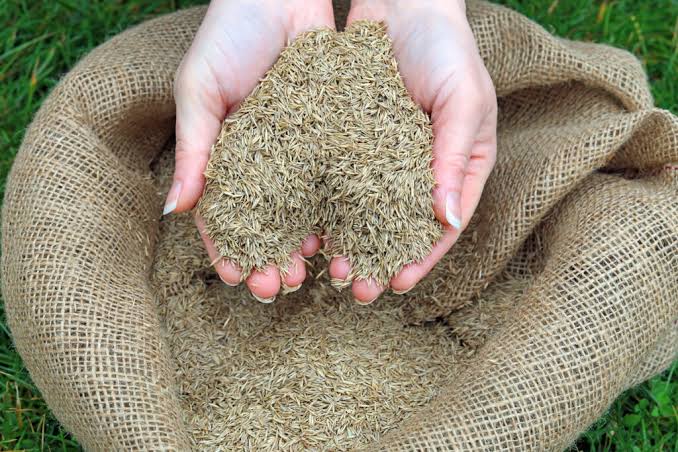
The Paper Towel Germination Test (10-Minute Setup)
Before you seed anything, run this test. It takes 10 minutes to set up and gives you a real, usable number to work with instead of just guessing.
Here’s exactly how to do it:
- Dampen a paper towel — wet, but not dripping
- Place 10 seeds evenly spaced across one half of the towel
- Fold the towel over the seeds to cover them
- Seal it inside a zip-lock bag to trap moisture
- Leave it somewhere warm (ideally 70–75°F) for 7–10 days
- Open it up and count the sprouts — that number is your germination percentage
This is the same basic method recommended by Angi, Anderson’s Lawn, and professional seed labs. It’s simple, free, and surprisingly accurate.
If 7 seeds sprout, you have 70% germination. If only 3 sprout, you have 30%. Now you have something real to work with.
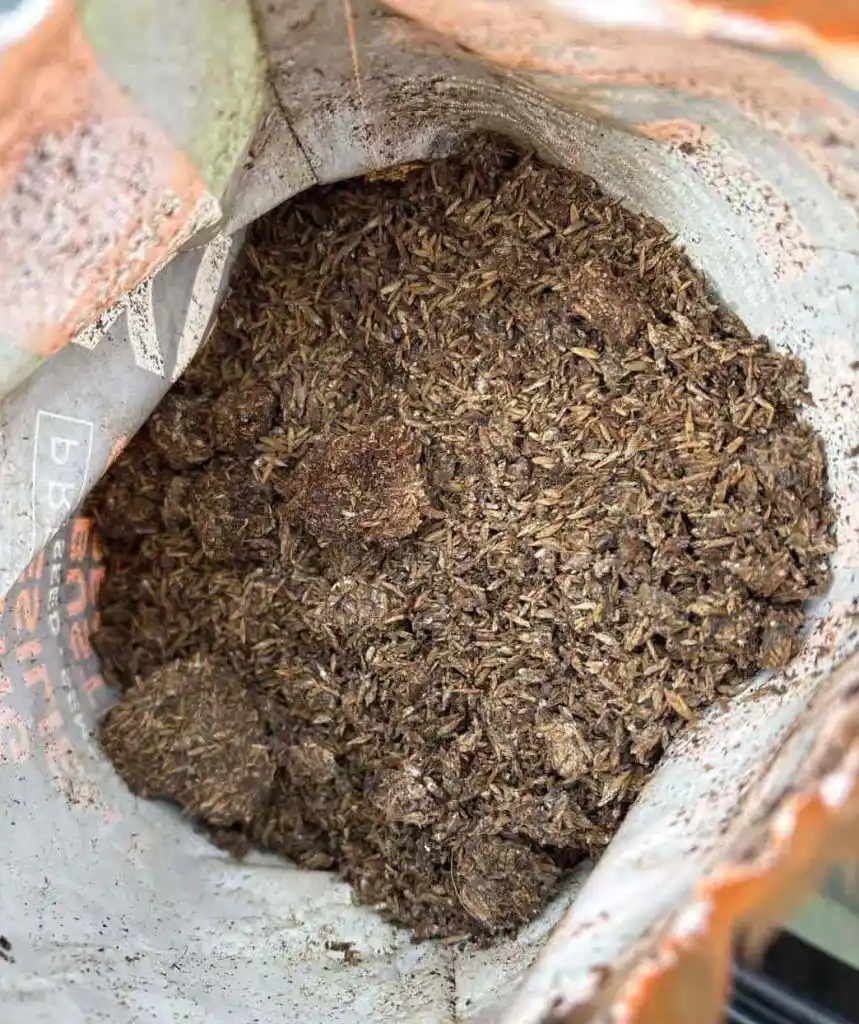
What Your Results Tell You: The Decision Table
Stop guessing. Here’s exactly what to do based on your germination test results:
| Germination Rate | What It Means | What to Do |
|---|---|---|
| 80–100% | Seed is fresh and fully viable | Plant at the normal recommended rate |
| 50–79% | Moderate germination decline | Use it — overseed 25–50% heavier than normal |
| Below 50% | Significant viability loss | Buy fresh seed for best results |
One important note: For high-priority projects — new lawn establishment, large bare patches in a front yard, or expensive landscape areas — a germination rate below 70% is a solid reason to invest in fresh seed. For small touch-ups or low-visibility spots, 50%+ is still very workable.
Visual Red Flags to Check Right Now
Before even running the germination test, do a 60-second inspection of your bag:
- Musty or sour smell → moisture damage, likely mold inside
- Clumping or seeds sticking together → absorbed moisture, viability reduced
- Gray dust or discoloration → fungal activity or seed breakdown
- Tested date over 24 months ago → expect at least 20% germination loss even in good storage
Each bag of commercially sold grass seed in the U.S. is required to display a “tested date” and a germination percentage on the label. The tested date tells you when the seed was last lab-verified — not when it expires. According to Bob Vila, quality grass seed should show a germination rate of 80% or higher when fresh.
Here’s something most homeowners don’t know: Seed sold in big-box stores in spring is often from the previous season’s production. Retailers retest and re-label old inventory before putting it on shelves. This means the seed could already be 12–18 months old when you buy it. Always check the tested date before purchasing, not just before planting.
How to Store Grass Seed So It Actually Lasts
Best Storage Locations, Ranked
| Location | Temperature Stability | Humidity Risk | Verdict |
|---|---|---|---|
| Dry basement | Stable year-round | Low | Best option |
| Climate-controlled closet | Stable year-round | Low | Excellent |
| Heated interior garage | Moderate swings | Moderate | Acceptable short-term |
| Unheated garage or shed | Large swings | Often high | Avoid if possible |
| Attic | Extreme summer heat | Variable | Never use |
For multi-season storage, some homeowners keep sealed containers in a spare refrigerator at around 40°F. It sounds extreme, but it’s the same principle professional seed suppliers use — and it genuinely works.
The Ideal Container Setup for Leftover Seed
Getting this right is easier than you think:
- Container: Heavy-duty airtight plastic bin or 5-gallon bucket with a sealed lid
- Moisture control: Drop in a silica gel desiccant pack to absorb residual humidity
- Labeling: Write the grass type, purchase date, and tested date directly on the container with a marker
- Floor placement: Keep the container off concrete floors — concrete naturally wicks moisture upward into anything sitting on it
If you’re storing in an already-dry basement, a sealed cloth or burlap bag placed inside a larger bin gives the seed airflow while still keeping pests out.
And speaking of pests — the USDA’s guidelines on seed preservation specifically warn that rodents are a hidden threat to stored seed. A sealed metal container or heavy-duty bucket with a snap lid keeps mice out completely.
Frequently Asked Questions About Grass Seed Shelf Life
How long does grass seed last in a sealed, unopened bag?
A factory-sealed, unopened bag stored in cool, dry conditions can last anywhere from 2 to 5 years, depending on the grass species. Cool-season types like Kentucky bluegrass and tall fescue tend to last toward the longer end of that range. That said, even sealed bags gradually lose germination potency — always check the tested date and aim to use the seed within the window recommended on the packaging.
Can I use 3-year-old grass seed?
Yes — but test it first. Research cited by Oregon State University found that roughly 50% of Kentucky bluegrass and tall fescue seeds remain germinable after 3–5 years of proper storage. Run the paper towel germination test above. If your rate is above 50%, it’s usable — just overseed heavier to compensate. Below 50% on a large or high-visibility project? Fresh seed is the smarter investment.
Does grass seed go bad if it gets wet?
Moisture is the fastest way to ruin stored grass seed. When seed absorbs humidity or gets directly wet, it can trigger premature germination, mold, and internal rotting — all while still appearing normal in the bag. If your seed got damp, spread it out in a single layer in a dry, well-ventilated space for 24–48 hours before resealing. If it already smells musty or has visible clumping, it’s likely too damaged for reliable results.
How long does grass seed last in the bag once opened?
Once opened, grass seed should ideally be used within 12–18 months for strong germination results. After that, viability declines more noticeably. Transfer leftover seed from an opened bag into an airtight container with a silica gel pack and store it in a cool, dry location. Always run a germination test before replanting seed that’s been open for more than a year.
What happens if you plant old grass seed?
Nothing harmful — old seed won’t damage your soil or existing lawn. But you’ll likely see patchy, uneven germination and a thinner result than fresh seed would produce. For high-visibility or high-traffic areas, the gaps and inconsistency aren’t worth it. For low-stakes spots like a side yard or small bare patches, old seed with a 50%+ germination rate can still do the job — just spread more of it.
The Bottom Line
Old grass seed isn’t automatically dead seed — but it’s not as dependable as it once was. Here’s what matters most:
- Most grass seed lasts 2–3 years in proper storage; cool-season varieties can reach 5 years
- Germination rates drop 10–20% per year, even when seed looks fine
- Use the Hundreds Rule (temp °F + humidity % > 100 = risky storage) to check your storage spot
- Run the paper towel germination test before planting any seed older than 12 months
- Use the decision table to determine whether to plant as-is, overseed heavier, or buy fresh
Don’t let a $30 bag of old seed cost you an entire season’s worth of lawn work. Test before you plant, store smarter going forward, and when in doubt — go fresh.
About the Author
This guide was written by the lawn care specialists at Gen Lawn, with hands-on expertise in turf management, grass seed selection, and seasonal lawn care across U.S. climate zones. Our content is grounded in university extension research, industry data, and real-world lawn results — so you get advice that actually works on your lawn, not just in theory.
Sources & Further Reading
- Scotts — Most Asked Grass Seed Questions
- Bob Vila — Does Grass Seed Go Bad?
- Angi — How Long Does Grass Seed Last?
- Nature’s Finest Seed — How to Store Leftover Grass Seed
- Anderson’s Lawn — Grass Seed Longevity Guide
- Purdue University Turf Program
- USDA Seed Preservation Research (via Nature’s Finest Seed)
About Author
Khalid Fazal is a seasoned lawn care specialist and horticultural researcher with over 15 years of hands-on experience transforming challenging landscapes into lush, resilient green spaces. His journey didn’t start in a lab, but in a backyard full of stubborn, cracked clay that “experts” said would never grow a healthy blade of grass. Refusing to accept a yard full of dust, Khalid spent years experimenting with organic soil restoration and precise mulching—eventually turning that wasteland into a neighborhood showpiece on a shoestring budget.
From mastering core aeration techniques to optimizing soil pH for specialized turf varieties, Khalid’s approach combines old-school grit with modern agronomic science. He founded Gen Lawn to provide homeowners with honest, research-backed advice that prioritizes long-term soil health over quick-fix chemical solutions. When he isn’t analyzing soil profiles, he’s developing precision tools to help others achieve professional results without the professional price tag.

Lawn Winterizer: When to Apply by Grass & Region [2026]
Table of Contents Home / By Khalid Fazal | Updated:...
Read More
Spring Lawn Care: What to Do and When in Every US Region
Table of Contents Home / By Khalid Fazal | Updated:...
Read More
Lawn Maintenance Checklist by Season and Grass Type (2026)
Table of Contents Home / By Khalid Fazal | Updated:...
Read More
Liquid Fertilizer vs Granular Fertilizer: Which Wins?
Table of Contents Home / By Khalid Fazal | Updated:...
Read More