
When to Plant Ryegrass in Texas (Region-by-Region Timing Guide)
Look at your lawn right now. If it’s mid-fall and your Bermuda grass has gone brown and dormant, you’re staring at a problem that has a very simple fix.
Here’s the thing: ryegrass is the secret weapon Texas homeowners use to stay green all winter long. But miss the planting window by even a couple of weeks and you’ll end up with patchy growth, frost damage, or seeds that just sit there doing nothing.
This guide gives you the exact dates to plant ryegrass in Texas — broken down by region — plus everything you need to do it right the first time.
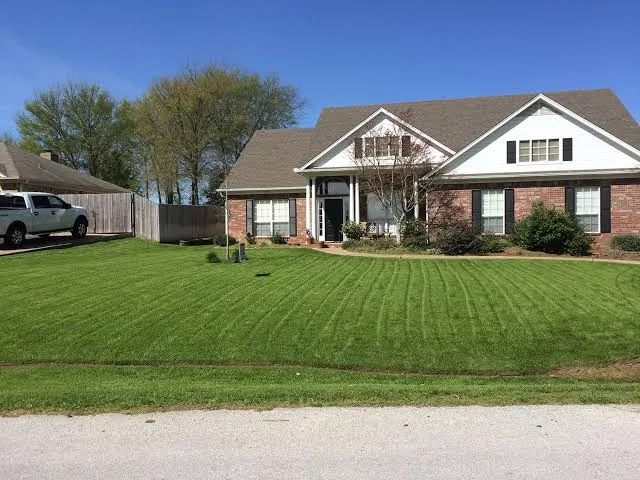
Why Texans Plant Ryegrass in the First Place
Texas summers belong to warm-season grasses like Bermudagrass and Zoysia. Once temperatures drop, those grasses go dormant and turn brown — sometimes for months on end.
That’s where ryegrass earns its place. As a cool-season grass, it thrives in the cold and keeps your lawn green through the winter. It also suppresses weeds, protects your soil from erosion, and adds organic matter when it naturally breaks down in spring.
One important note before we go further: St. Augustine grass generally stays green through mild Texas winters and doesn’t need overseeding. Attempting it can actually damage the grass — so if that’s what you have, this process doesn’t apply to you.
Annual vs. Perennial Ryegrass — Which One Is Right for You?
Before you buy seed, you need to know which type to get. They behave very differently.
| Feature | Annual Ryegrass | Perennial Ryegrass |
|---|---|---|
| Cost | Budget-friendly | 2–3x more expensive |
| Germination Speed | 3–8 days faster | Slower to establish |
| Blade Texture | Coarser, lighter green | Finer, darker green |
| Spring Transition | Dies off quickly — less competition for Bermuda | Can linger and compete with warm-season grass |
| Best For | Most homeowners, large areas | Premium lawns, golf courses, sports fields |
The bottom line: Most Texas homeowners choose annual ryegrass. It’s cheaper, germinates faster, and transitions out cleanly in spring — meaning your Bermuda or Zoysia comes back without a fight. If you want a finer, richer-looking lawn and have the budget for it, perennial is worth considering.
When to Plant Ryegrass in Texas — The Exact Window
Let’s get to what you came here for.
The Golden Rule — Soil Temperature and Frost Dates Come First
Here’s what most guides get wrong: the calendar date matters far less than two things — soil temperature and weeks until your first frost.
Ryegrass germinates best when soil sits between 50–65°F. Below 50°F, germination slows to a crawl. Above 70°F at night, seeds may rot or go dormant before they ever sprout. You can check your soil temperature inexpensively with a soil thermometer from any garden center, or look it up through your local Texas A&M AgriLife Extension office.
The second rule: plant at least 30–45 days before your expected first frost. That gives roots enough time to anchor firmly before temperatures really drop. Texas A&M Extension advises targeting “four to six weeks before the average first killing frost” for the best results.
Aim for days when highs are around 70°F and nights stay above 50°F. That combination is your green light.
Texas Regional Timing Breakdown
Texas spans USDA Hardiness Zones 6 through 9, which means planting dates shift significantly from the Panhandle to the Gulf Coast. Use this table to find your exact window:
| Region | Cities | Best Planting Window | Soil Temp Target | Best Varieties |
|---|---|---|---|---|
| North Texas | Dallas, Fort Worth, Panhandle | Sept 25 – Oct 16 | 50–60°F | TAM 90, Jackson, Winterhawk |
| Central Texas | Austin, San Antonio, Hill Country | Oct 1 – Oct 22 | 60–65°F | TAM 90, Jackson, FrostProof |
| East Texas | Tyler, Lufkin, Nacogdoches | Oct 1 – Oct 20 | 55–60°F | Jackson (rust-resistant is key here) |
| South & Gulf Coast | Houston, Corpus Christi, McAllen | Oct 25 – Nov 22 | 60–65°F | Jackson, Nelson, FrostProof |
| West Texas | El Paso, Lubbock, Midland | Late Aug – Sept 30 | 50–55°F | Marshall, TAM 90 |
Sources: Texas A&M Bexar County Extension and USDA zone data.
West Texas homeowners — pay attention here: You have the earliest planting window in the entire state because cold fronts arrive sooner. If you wait until October, you’ve likely already missed it.
Gulf Coast and South Texas: You get extra time. First frosts rarely arrive before December, so seeding in late October through November gives you a solid, comfortable window.
What Happens If You Plant Too Early or Too Late?
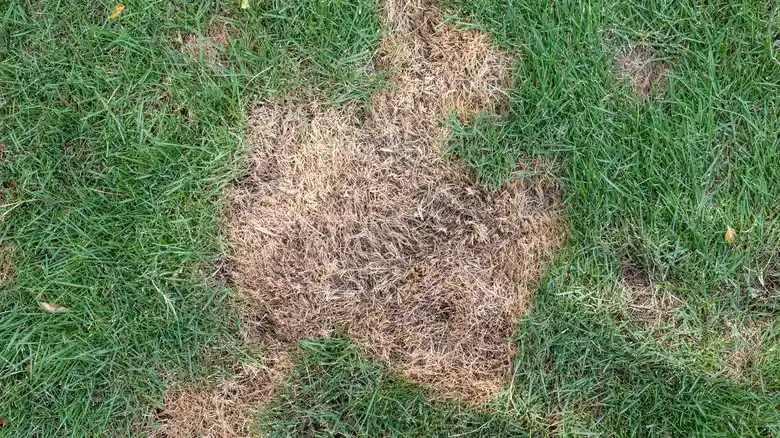
Too early (nights still above 70°F): You risk brown patch disease — a fungal condition that thrives in warm, moist conditions — along with poor germination and wasted seed money.
Too late (past mid-November in most regions): The grass won’t have enough time to establish roots before hard freezes arrive. You’ll end up with thin, patchy coverage that struggles all season.
Think of it like Goldilocks — the window has to be just right. When daytime highs are in the 70s and nights dip into the 50s, that’s your moment.
How to Plant Ryegrass in Texas — Step by Step
Got your timing dialed in? Here’s exactly what to do.
Step 1 — Prepare Your Lawn First
Proper prep is the difference between a lush result and a frustrating one. Before a single seed hits the ground:
- Scalp your Bermuda grass as short as possible. This process — called scalping — removes thick thatch so seed can reach the soil. Direct seed-to-soil contact is critical for germination. Never scalp St. Augustine. It damages the stolons and can kill the grass.
- Aerate if your soil is compacted. Core aeration done 30 days before seeding opens up the soil and dramatically improves seed contact and water penetration.
- Check your soil pH. Ryegrass grows best between pH 6.0 and 7.0. Below 5.5, growth drops off sharply. Inexpensive soil test kits are available at most garden centers, or you can request a formal test through Texas A&M’s Soil Testing Lab.
Step 2 — Seed at the Right Rate
More seed is not always better. Sow too thickly and the grass competes against itself.
For overseeding an existing lawn, use 6–10 lbs of ryegrass seed per 1,000 sq ft. A broadcast spreader gives you the most even coverage — sow half going east-west, then the other half going north-south. This double-pass technique fills gaps and produces a more uniform stand.
After spreading, lightly rake the seed into the soil surface. Good seed-to-soil contact is everything.
Step 3 — Water Immediately and Consistently
This is where most people slip up.
Ryegrass seed needs consistent moisture — but it’s not the same as watering Bermuda. Overwatering ryegrass seed causes rot. Here’s the correct schedule:
- Days 1–7: Water lightly 3–6 times per day in short sessions (30–60 seconds each), keeping the top inch of soil consistently moist
- Days 7–14: Reduce to 1–2 times daily as seedlings begin emerging
- After 2 weeks: Transition to deeper, less frequent watering — 3 times per week
- After full establishment: Once weekly, deeply
Germination typically takes 5–10 days when conditions are right. You’ll know it’s working when you see a bright green flush spreading across your lawn.
Caring for Ryegrass Through a Texas Winter
Planted. Watered. Growing. Here’s how to keep it looking sharp all season.
When to Mow Ryegrass
Resist mowing too early. Wait until ryegrass reaches 3 inches tall before the first cut. Once established, maintain it at 2–2.5 inches through the winter months.
Keep your mower blades sharp. Dull blades tear rather than cut, leaving ragged edges that invite disease and weaken the stand.
Fertilizing Ryegrass the Right Way
According to Texas A&M Extension, apply a complete starter fertilizer such as 18-6-12 at 5 lbs per 1,000 sq ft immediately after seeding. This jumpstarts germination without risking seedling burn.
During the winter months, light follow-up applications every three weeks keep the stand dense and healthy.
Here’s a critical mistake to avoid though: do not fertilize ryegrass heavily in early spring. This causes it to stay green longer and compete directly with your Bermuda as it tries to green up — a process lawn professionals call spring transition. Getting this wrong can set your warm-season lawn back by weeks.
Spring Transition — When Ryegrass Naturally Dies Off
Once temperatures consistently hit 83–85°F — typically April to May across most of Texas — ryegrass naturally fades and dies. That’s by design.
As spring approaches, start mowing your ryegrass progressively lower. This opens up the canopy and lets sunlight reach the Bermuda or Zoysia beneath, accelerating the green-up process. You don’t need to remove the ryegrass manually — it decomposes and actually feeds your soil as it breaks down.
Common Mistakes Texas Homeowners Make When Planting Ryegrass
Even with the right timing, these errors will cost you:
- Planting too early — still the #1 mistake; warm soil means poor germination and fungal risk
- Skipping scalping and soil prep — seed sitting on top of thick thatch rarely germinates well
- Overwatering at the wrong stage — ryegrass rots; short, frequent sessions are the move early on
- Fertilizing heavily in early spring — delays your Bermuda’s return and causes spring transition problems
- Using the wrong variety for your region — Gulf Coast areas need rust-resistant varieties like Jackson or Nelson; crown rust is a real threat in humid southern Texas
- Trying to overseed St. Augustine the same way as Bermuda — it won’t work and can damage your lawn
Frequently Asked Questions About Planting Ryegrass in Texas
Can I plant ryegrass in Texas in December?
It depends on your region. In South Texas and along the Gulf Coast, December planting is sometimes still viable since first frosts arrive late — often not until January. But in North, Central, and West Texas, December is too late. The ground is too cold for reliable germination and roots won’t establish before hard freezes hit.
Will ryegrass survive a Texas freeze?
Once established, annual ryegrass handles light frosts (brief dips below 32°F) reasonably well. Hard, sustained freezes below 20°F, however, can thin or kill stands — especially in young, not-yet-established lawns. This is why planting early enough for full establishment before winter matters so much. Cold-hardy varieties like Marshall and TAM 90 perform better in North and West Texas than standard varieties.
How long does ryegrass last in Texas?
Annual ryegrass lasts through the winter and naturally dies off in spring when temperatures consistently exceed 83–85°F — usually April to May in most of Texas. It’s a temporary, seasonal grass designed to bridge the gap during warm-season grass dormancy. Perennial ryegrass behaves similarly; neither type survives Texas summers.
Can I overseed St. Augustine grass with ryegrass?
It’s not recommended for most homeowners. St. Augustine has thick, low-growing stolons that prevent ryegrass seed from reaching the soil, and you cannot scalp it without causing serious damage. In most Texas regions, St. Augustine stays green enough through winter to not need overseeding at all. For more on St. Augustine care, Texas A&M’s turfgrass resources cover it in depth.
How much water does newly planted ryegrass need?
More frequent than you’d think — but in short sessions. For the first week, water lightly 3–6 times per day to keep the top inch of soil consistently moist. Once germination starts (day 5–10), gradually reduce frequency. Too much water at once causes seed rot. Too little and germination fails entirely. After full establishment at around 2 weeks, treat it like a normal lawn — deep, infrequent watering a few times per week.
Conclusion — Your Next Steps for a Green Winter Lawn
Planting ryegrass in Texas is one of the most rewarding fall lawn projects you can do. But it all comes down to hitting the right window.
Here’s your quick recap:
- Know your region — timing ranges from late August (West Texas) to late November (Gulf Coast)
- Watch soil temp, not just the calendar — target 50–65°F at the soil surface
- Prep your lawn before seeding — scalp Bermuda, check pH, aerate if needed
- Water smart — frequent and light during germination, then taper off gradually
- Plan your spring transition — ease off fertilizer and mow low to help Bermuda recover
The window opens and closes quickly. Check your soil temperature this week, pick up the right seed variety for your region, and get it down in time. Your neighbors will be staring at brown grass all winter while your lawn stays green.
Sources & Further Reading
- Texas A&M AggieTurf — Annual Ryegrass
- Texas A&M Bexar County Extension — Winter Ryegrass
- Noble Research Institute — Annual Ryegrass Management
- Neil Sperry’s Gardens — Overseeding Warm-Season Turf
- LawnLove — Best Time to Plant Grass Seed in Texas
- USDA Plant Hardiness Zone Map
About Author
Khalid Fazal is a seasoned lawn care specialist and horticultural researcher with over 15 years of hands-on experience transforming challenging landscapes into lush, resilient green spaces. His journey didn’t start in a lab, but in a backyard full of stubborn, cracked clay that “experts” said would never grow a healthy blade of grass. Refusing to accept a yard full of dust, Khalid spent years experimenting with organic soil restoration and precise mulching—eventually turning that wasteland into a neighborhood showpiece on a shoestring budget.
From mastering core aeration techniques to optimizing soil pH for specialized turf varieties, Khalid’s approach combines old-school grit with modern agronomic science. He founded Gen Lawn to provide homeowners with honest, research-backed advice that prioritizes long-term soil health over quick-fix chemical solutions. When he isn’t analyzing soil profiles, he’s developing precision tools to help others achieve professional results without the professional price tag.

Lawn Winterizer: When to Apply by Grass & Region [2026]
Table of Contents Home / By Khalid Fazal | Updated:...
Read More
Spring Lawn Care: What to Do and When in Every US Region
Table of Contents Home / By Khalid Fazal | Updated:...
Read More
Lawn Maintenance Checklist by Season and Grass Type (2026)
Table of Contents Home / By Khalid Fazal | Updated:...
Read More
Liquid Fertilizer vs Granular Fertilizer: Which Wins?
Table of Contents Home / By Khalid Fazal | Updated:...
Read More