Mulch vs Topsoil: What’s the Difference and Which One Does Your Yard Actually Need?
Most homeowners grab the wrong one — and end up wondering why their grass isn’t growing, their flower bed looks parched, or their weed problem keeps getting worse.
Standing in the garden center aisle, mulch and topsoil look almost identical. The bags are similar sizes. The prices aren’t far off. And the labels? Not exactly written for someone who just wants a healthier yard.
Here’s the real answer before we dive in: topsoil is where your plants grow. Mulch is what protects them. They do completely different jobs — and using one in place of the other is a costly mistake that’s more common than you’d think.
By the end of this guide, you’ll know exactly which one to buy, when to use each, how to layer them correctly, how to avoid the most damaging mistakes, and how to get the best price.
Let’s dig in.
What Is Topsoil — and What Does It Actually Do?
Topsoil Is Where Your Plants Live
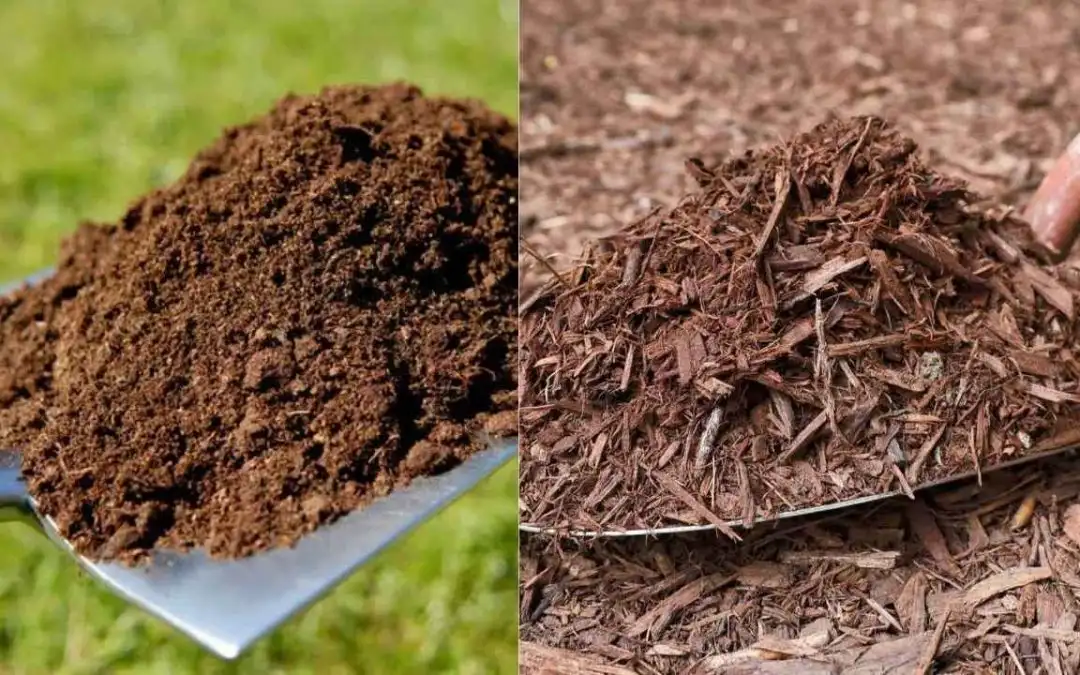
Topsoil is the uppermost layer of earth — roughly the top 5 to 10 inches — and it’s where all the biological action happens. It’s dense with organic matter, minerals, and microorganisms (think bacteria, fungi, and earthworms) that plant roots depend on for nutrients, water, and structure.
The U.S. Environmental Protection Agency (EPA) identifies three non-negotiables for plant growth that healthy topsoil supports: water infiltration, root development, and nutrient cycling. Without adequate topsoil, plants simply can’t establish themselves — no matter how much water or fertilizer you add.
For lawns and garden beds, screened topsoil is what you want. This means the soil has been sifted to remove rocks, roots, and debris, giving you a clean, fine-textured base that seeds can germinate in and roots can penetrate easily. You can read more about what screened topsoil is and why it matters here.
Not All Topsoil Is Created Equal — Read This Before You Buy
Here’s something most articles won’t tell you: bulk topsoil isn’t always what it claims to be.
When you order topsoil by the truckload, what arrives can sometimes be little more than fill dirt — inert subsoil scraped from a construction site, with minimal organic content or active soil biology. Fill dirt won’t support healthy plant growth, and you won’t know the difference until your seeds don’t germinate.
Before buying, look for these signs of quality topsoil:
- Dark brown or near-black color — indicates organic matter
- Earthy smell — not sour or chemical
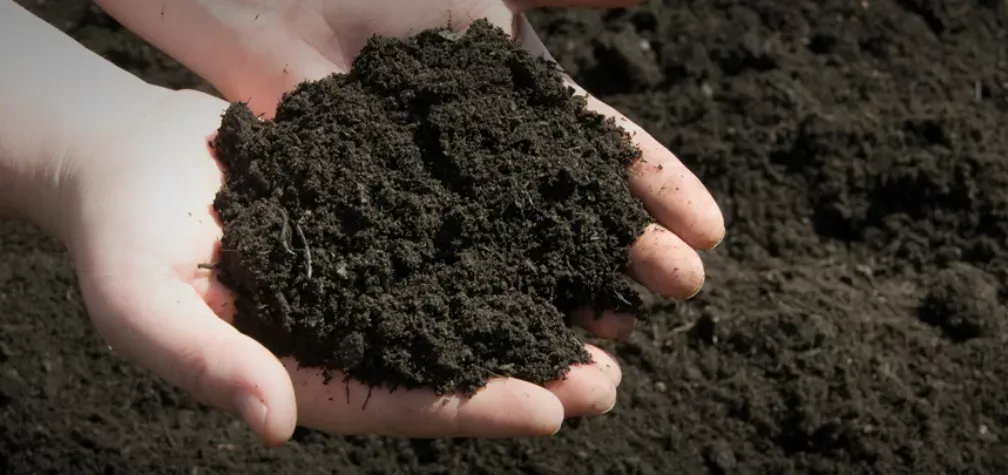
- Fine, crumbly texture — no large clumps, rocks, or sticks
- Ask about organic matter content — Penn State Extension recommends aiming for soil with at least 5% organic matter for healthy plant performance
What Is Mulch — and Why Is It More Than Just Decoration?
Mulch Is a Protective Layer, Not a Growing Medium
Mulch is a surface material — usually wood chips, bark, straw, or stone — spread over the top of your soil to shield and preserve it. Plants don’t grow in mulch. Mulch protects what’s underneath it.
Think of it as a blanket for your soil. Here’s what that blanket does:
- Retains moisture — Oklahoma State University Extension reports that proper mulching can reduce soil evaporation by up to 50%, which is a game-changer during hot US summers
- Suppresses weeds — A 2–3 inch layer blocks sunlight from reaching weed seeds, stopping most annual weeds before they start
- Regulates soil temperature — Mulch insulates roots from summer heat spikes and winter freeze-thaw cycles
- Prevents erosion — On slopes or in areas with heavy rain, mulch stops your topsoil from washing away
And here’s a bonus most people overlook: over time, organic mulch slowly breaks down and feeds the soil below it — acting as a passive, low-maintenance fertilizer.
Organic vs Inorganic Mulch: Which Type Is Right for You?
Organic mulch (best for most US homeowners):
- Wood chips, shredded bark, straw, compost, shredded leaves
- Breaks down over 1–2 years, gradually adding nutrients to the soil
- Best for: garden beds, trees, shrubs, vegetable gardens
- Learn more: Iowa State University Extension — Mulching Guide
Inorganic mulch:
- Rubber chips, gravel, crushed stone, landscape fabric
- Long-lasting — doesn’t decompose or need annual refreshing
- Best for: pathways, play areas, low-maintenance decorative zones
- Doesn’t enrich the soil, but excellent for weed control and durability
For most lawns and garden beds, organic hardwood or double-shredded bark mulch is the best all-around choice — affordable, attractive, and beneficial to soil health over time.
Mulch vs Topsoil: Head-to-Head Comparison
Key Differences at a Glance
| Feature | Topsoil | Mulch |
|---|---|---|
| Primary Role | Growing medium for plants | Protective surface layer |
| Placement | Worked into or laid on ground | Spread on top of soil only |
| Helps Plants Grow |  Directly Directly | Indirectly |
| Suppresses Weeds |  No No | Yes |
| Retains Moisture | Somewhat | Up to 50% less evaporation |
| Adds Nutrients | Yes (varies by quality) | Organic types do, over time |
| Needs Replacing | Rarely | Every 1–2 years |
| Typical Application Depth | 4–8 inches | 2–3 inches |
| Best For | New lawns, beds, leveling | Established beds, trees, shrubs |
The Rule That Matters Most: Layer, Never Mix
Here’s the thing most people get wrong when they try to use both.
Blending wood mulch into your soil is one of the worst things you can do to a garden. Fresh wood chips are carbon-rich and nitrogen-poor. As they decompose inside the soil, they pull nitrogen away from your plants in a process called nitrogen immobilization — sometimes referred to as “nitrogen robbery.” The result: yellowed, stunted plants that look like they need fertilizer, when the real problem is the mulch you mixed in.
The correct method is always to layer, not blend:
- Prepare and level the area
- Add topsoil as the base growing medium
- Plant seeds, sod, or plants
- Apply mulch on top as the protective finish layer
This is the foundation of every healthy lawn and garden bed — and getting it right changes everything.
When to Use Mulch vs Topsoil: A 3-Question Decision Guide
Not sure which one you need? Answer these three questions first:
- Are you starting from scratch, or maintaining something that already exists?
- Is your soil thin, compacted, sandy, or nutrient-poor?
- Do you have a weed, moisture, or erosion problem right now?
Your answers point you straight to the right material.
Use Topsoil When…
Topsoil is what you need any time you’re building or rebuilding the growing foundation of your yard.
- Starting a new lawn from seed or sod — Apply 4–6 inches before seeding. Penn State Extension’s lawn establishment guide outlines proper depth and prep for best germination results.
- Filling in low spots, bare patches, or ruts in your existing lawn
- Building raised beds or new garden beds from scratch — aim for 6–8 inches deep
- Your current soil is compacted, sandy, or has poor drainage — Adding quality topsoil improves structure and root penetration
- Leveling uneven terrain before laying sod or seeding
Pro tip before you buy: Run a basic soil test first. Your local cooperative extension office or most home improvement stores offer inexpensive test kits that tell you your soil’s pH, nutrient levels, and what it actually needs — so you’re not guessing.
Use Mulch When…
Mulch is what you need any time you’re protecting and maintaining what’s already established.
- Suppressing weeds in existing garden beds — 2–3 inches of mulch stops most annual weeds before they sprout
- Protecting tree roots from summer heat stress and winter freeze-thaw damage
- Reducing how often you need to water — Iowa State University Extension confirms mulched beds require up to 40% less watering
- Preventing soil erosion on slopes or in high-rainfall areas of the US
- Giving garden beds a clean, finished look after the growing season
Depth matters — and more is not better. The sweet spot is 2–3 inches. Less than 2 inches won’t suppress weeds effectively. More than 4 inches can suffocate roots and trap harmful moisture against plant stems.
Use Both Together When…
This is the move that separates good lawns from great ones. Use both when:
- Building any new planting area from scratch
- Doing a full spring or fall yard refresh
- Establishing raised vegetable or flower beds
The correct layering order:
 Prepare and level the ground
- Add 4–6 inches of quality screened topsoil
- Plant seeds, sod, bulbs, or shrubs
- Apply 2–3 inches of organic mulch over the surface
Topsoil feeds. Mulch protects. Together, they work.
The Most Common Mulching Mistake in America: Volcano Mulching
Before we move on — this one’s important.
Volcano mulching is the practice of piling mulch in a steep mound directly against tree trunks. Drive through almost any US neighborhood and you’ll see it everywhere. It looks neat. It’s actually killing trees.
Here’s why it’s so damaging:
- Traps moisture against the bark, causing crown rot and fungal disease
- Creates habitat for pests, insects, and rodents
- Can slowly kill even large, established trees over several seasons
Always keep mulch at least 3–4 inches away from tree trunks and plant stems. Mulch should sit flat like a donut ring, not a volcano cone.
How Much Do Mulch and Topsoil Cost in 2026?
Topsoil Pricing
| Form | Cost Range |
|---|---|
| Bagged (40 lb bag) | $2–$6 per bag |
| Bagged (per cubic yard equivalent) | $54–$225/cu yd |
| Bulk screened topsoil | $10–$55/cu yd |
| Average quality screened | $20–$30/cu yd |
| Delivery fee | $50–$150/trip |
| Full project average | $262–$1,015 |
Sources: Angi 2026 · HomeGuide 2026 · LawnLove 2026
Mulch Pricing
| Form | Cost Range |
|---|---|
| Bagged mulch | $2–$13 per bag |
| Bulk organic mulch (materials only) | $25–$100/cu yd |
| Professionally installed (all-in) | $72–$94/cu yd |
| Delivery fee | $50–$140/trip |
Sources: Angi 2026 · LawnStarter 2026 · LawnLove 2026
Bags vs Bulk: The Math That Changes Everything
Bagged mulch and topsoil seem convenient — until you do the math.
To get just one cubic yard of topsoil from 40-lb bags, you need to buy, carry, and unload 36 bags. At $4 per bag, that’s $144 for one cubic yard — versus $20–$30 in bulk.
For any project covering more than 2 cubic yards, bulk delivery wins by 40% or more.
3 Ways to Spend Less
- Buy off-season. Mulch prices jump 10–20% in April and May when spring demand peaks. Order in January–February or pre-book a spring delivery at off-season rates. Topsoil is generally cheaper to purchase in late fall.
- Order enough in one trip. Delivery fees are usually flat per trip — $50 to $150 regardless of how much you order. Ordering 5 yards vs 3 yards at the same delivery cost lowers your per-yard price significantly.
- Get free mulch. Many US municipalities offer free wood chip mulch from tree-trimming operations — check your local public works department. You can also sign up for Chip Drop, a free service that connects homeowners with arborists who need to drop off freshly chipped wood. It’s organic, it’s local, and it costs nothing.
Frequently Asked Questions About Mulch vs Topsoil
Is mulch the same as topsoil?
No — they are completely different products that serve different purposes. Topsoil is the nutrient-rich earth layer where plant roots live and grow. Mulch is a surface material spread on top of soil to protect it from heat, weeds, and moisture loss. Using one in place of the other will lead to poor results.
Can I put mulch directly on top of topsoil?
Yes — and this is actually the recommended approach for most garden beds. Lay topsoil first as your growing base, plant what you’re growing, then finish with 2–3 inches of mulch on top. Just never mix mulch into topsoil, since fresh wood mulch can temporarily rob nitrogen from your plants as it decomposes underground.
Which is better for grass — mulch or topsoil?
For establishing a new lawn from seed or sod, topsoil is what you need. It gives grass roots a nutrient-rich, well-structured environment to anchor and grow. Mulch is not suitable as a base for grass seed. That said, a thin layer of compost (a type of decomposed organic mulch) can be lightly spread over newly seeded areas to help retain moisture during germination — this technique is widely used by lawn professionals.
Does mulch turn into topsoil over time?
Partially, yes. Organic mulch slowly breaks down over 1–2 years, adding organic matter to the soil beneath it and gradually improving its structure and fertility. However, this is a slow, supplemental process — not a substitute for applying proper topsoil. Think of it as a long-term bonus benefit of mulching, not its primary purpose.
How deep should I apply topsoil vs mulch?
- Topsoil: 4–6 inches for lawns; 6–8 inches for vegetable and flower beds
- Mulch: 2–3 inches for most applications (never more than 4 inches)
Applying too much of either can cause problems. Over-mulching starves roots of oxygen and traps moisture against plant stems. Too much topsoil can change the grading and drainage pattern of your yard, which causes its own set of issues.
The Bottom Line: Mulch vs Topsoil
Here’s all you need to remember:
- Starting fresh, seeding a new lawn, or improving poor soil? → Topsoil
- Suppressing weeds, reducing watering, protecting established beds? → Mulch
- Doing a full build or yard refresh from scratch? → Use both — topsoil first, mulch on top
Mulch and topsoil aren’t competing products. They’re two parts of the same healthy yard system. Use them together correctly and you’ll spend less time watering, less time weeding, and more time actually enjoying your outdoor space.
Not sure where to start? Our spring lawn care checklist walks you through every step from soil prep to seeding to mulching — so your yard looks its best from the first warm day. Or if you’d rather have a professional handle it, connect with the Gen Lawn team and we’ll take care of it for you.
References & External Resources
- U.S. EPA — Soil Health
- USDA NRCS — Soil Health
- Penn State Extension — Soil Organic Matter
- Penn State Extension — Establishing a Lawn from Seed
- Oklahoma State University Extension — Mulches for the Home Landscape
- Iowa State University Extension — Mulch
- University of Minnesota Extension — Wood Chip Mulch
- University of Minnesota Extension — Mulching Trees and Shrubs
- USDA Forest Service — Urban & Community Forestry
About Author
Khalid Fazal is a seasoned lawn care specialist and horticultural researcher with over 15 years of hands-on experience transforming challenging landscapes into lush, resilient green spaces. His journey didn’t start in a lab, but in a backyard full of stubborn, cracked clay that “experts” said would never grow a healthy blade of grass. Refusing to accept a yard full of dust, Khalid spent years experimenting with organic soil restoration and precise mulching, eventually turning that wasteland into a neighborhood showpiece on a shoestring budget.
From mastering core aeration techniques to optimizing soil pH for specialized turf varieties, Khalid’s approach combines old-school grit with modern agronomic science. He founded Gen Lawn to provide homeowners with honest, research-backed advice that prioritizes long-term soil health over quick-fix chemical solutions. When he isn’t analyzing soil profiles, he’s developing precision tools to help others achieve professional results without the professional price tag.

Lawn Winterizer: When to Apply by Grass & Region [2026]
Table of Contents Home / By Khalid Fazal | Updated:...
Read More
Spring Lawn Care: What to Do and When in Every US Region
Table of Contents Home / By Khalid Fazal | Updated:...
Read More
Lawn Maintenance Checklist by Season and Grass Type (2026)
Table of Contents Home / By Khalid Fazal | Updated:...
Read More
Liquid Fertilizer vs Granular Fertilizer: Which Wins?
Table of Contents Home / By Khalid Fazal | Updated:...
Read More