
The Best Mulch for Boxwood Shrubs (And How to Apply It the Right Way in Australia)
Most gardeners get boxwood mulching wrong. Not because they don’t care, but because the most common advice — pile it thick, pile it often — is actually one of the fastest ways to kill a perfectly healthy shrub.
Here’s the thing. If your boxwoods are yellowing, thinning, or showing random dieback despite regular watering and feeding, the culprit is often poor mulching practice. The wrong type, the wrong depth, or mulch piled right against the stem can do more damage than no mulch at all.
This guide changes that. You will walk away knowing exactly which mulch works best for boxwood shrubs in Australian conditions, how deep to apply it, when to refresh it, and the critical mistakes to avoid. Let’s get into it.
Why Mulch Matters More Than You Think for Boxwood Shrubs
Mulch is not just a garden bed accessory. For boxwood shrubs, it is a life-support system that quietly does a lot of heavy lifting beneath the surface.
Protecting Boxwood’s Shallow Roots in Australian Summers
Boxwood (Buxus) has a shallow, fibrous root system that sits very close to the soil surface. This makes it extremely vulnerable to Australian summer heat, rapid moisture loss, and soil temperature spikes that can damage fine feeder roots before you even notice a problem.
A proper mulch layer acts as insulation between the harsh sun and those delicate roots. It keeps the soil cooler, retains moisture far longer between waterings, and significantly reduces the stress load on the plant during the hottest months of the year.
Moisture, Weeds and Soil Temperature
Without mulch, boxwood roots are fighting on three fronts at once. Soil moisture evaporates rapidly in warm weather. Weeds compete aggressively for both water and nutrients. And wild swings in soil temperature stress the root system from the inside out.
The right mulch fixes all three problems at once. It locks in moisture, blocks weed seedlings from getting the sunlight they need to germinate, and buffers the soil temperature so your boxwoods stay stable and strong all season long.
The Best Types of Mulch for Boxwood Shrubs in Australia
Not all mulch performs equally around boxwood. Some common choices actively harm the plant. Here is a clear breakdown of what works, what is widely available across Australia, and what to skip entirely.
Pine Bark Mulch (Top Pick)
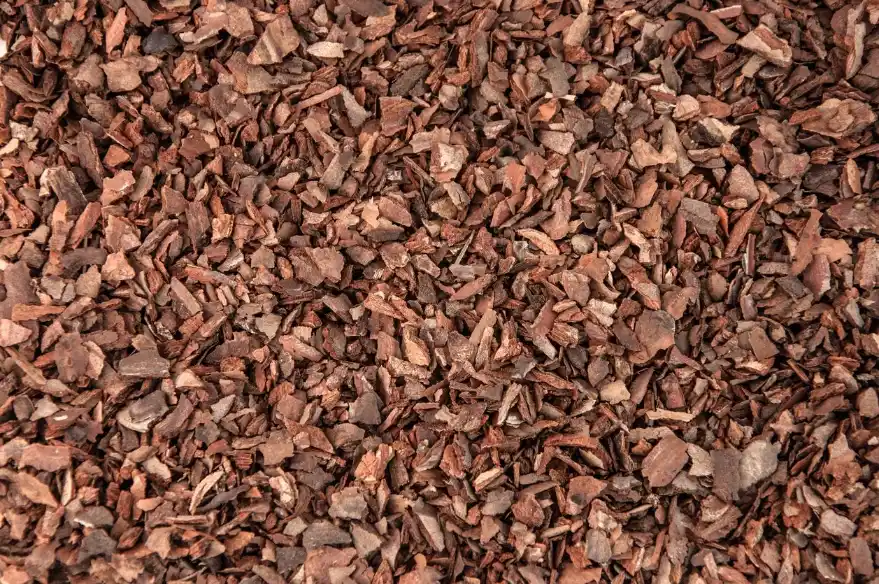
Pine bark mulch is widely regarded as the best mulch for boxwood shrubs, and for good reason. It decomposes slowly, so one application provides long-lasting coverage that does not need constant topping up. Its slightly aerated texture allows good airflow and drainage around the plant base, which is critical for avoiding root rot.
As pine bark breaks down over time, it introduces a mild acidity to the soil. This works in your favour if your soil pH is sitting at the higher end, since boxwood thrives best in a pH range of 6.5 to 7.5. One practical note: pine bark can shift on sloped garden beds during heavy rain. A simple garden edging strip solves this easily.
Lucerne (Alfalfa) Mulch
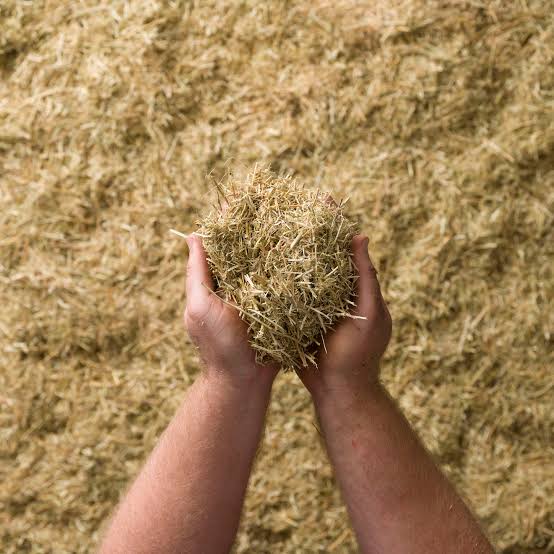
Lucerne mulch is a great option if your boxwoods need a nutritional boost alongside moisture retention. It breaks down faster than bark mulch and releases nitrogen into the soil as it does, improving overall plant vigour and leaf colour.
The tradeoff is longevity. You will need to top it up more frequently than pine bark, roughly every three to four months during the growing season. It is widely available at nurseries and garden centres right across Australia.
Sugar Cane Mulch
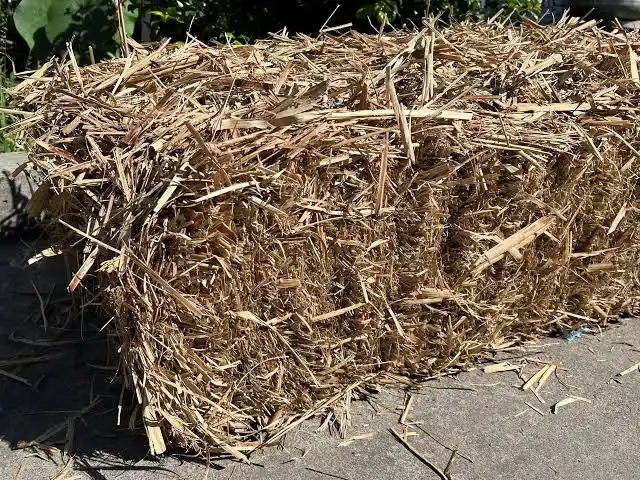
Sugar cane mulch is one of the most popular and affordable mulches in Australia. It excels at moisture retention and is a solid choice for boxwoods in warmer, drier regions where keeping roots cool is the priority.
It does break down within 6 to 12 months, so plan for an annual refresh. It works best in a slightly thinner layer than bark mulch, as it can compact over time if applied too heavily.
Wood Chip Mulch
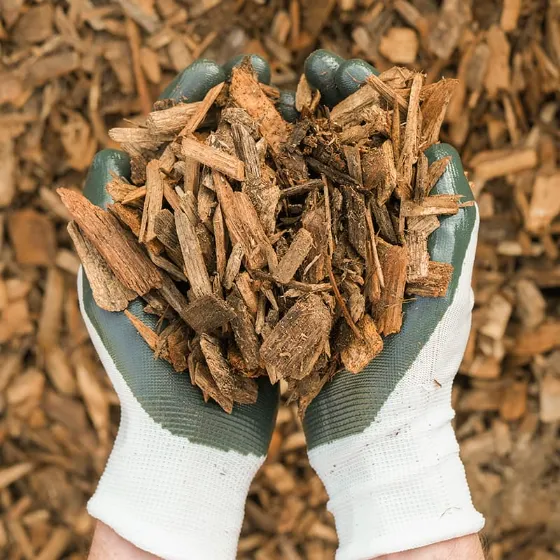
Wood chip mulch provides excellent weed suppression and is usually the most budget-friendly organic option available in Australia. As it decomposes, it slowly enriches the soil with organic matter and improves overall soil structure.
One critical tip here: always use aged wood chips rather than fresh ones. Fresh wood chips can cause nitrogen tie-up in the soil as they break down, temporarily robbing your boxwoods of the nutrients they need for healthy growth. Let wood chips cure for at least six months before using them around your shrubs.
What to Avoid Around Boxwood Shrubs
Some mulch choices do more harm than good around boxwood, particularly in the Australian climate.
- Gravel and stone mulch absorbs and radiates intense heat, which can burn shallow roots and stress the plant severely during summer. Avoid it entirely around boxwood.
- Rubber mulch holds heat, provides zero soil improvement, and adds no organic matter over time. It is simply not suitable for ornamental shrubs.
- Fresh grass clippings decompose quickly and can create a dense, heat-generating mat that traps moisture at the stem base and promotes fungal growth.
- Herbicide-treated grass clippings can introduce residues into the soil that damage the shallow root systems boxwood relies on.
Quick Comparison: Mulch Types for Boxwood Shrubs in Australia
| Mulch Type | Moisture Retention | Weed Control | AU Availability | Feeds Soil | Recommended |
|---|---|---|---|---|---|
| Pine Bark | High | Excellent | Widely available | Mildly over time | Yes |
| Lucerne (Alfalfa) | High | Moderate | Widely available | Yes (nitrogen) | Yes |
| Sugar Cane | Very High | Good | Widely available | Yes | Yes |
| Wood Chips (aged) | Good | Excellent | Widely available | Yes | Yes |
| Gravel or Stone | Low | Good | Yes | No | No |
| Rubber Mulch | Low | Good | Limited | No | No |
| Fresh Grass Clippings | Low | Poor | N/A | Short-term only | No |
How Mulch Helps Prevent Boxwood Blight (The Research Is Remarkable)
Here is something that surprises most gardeners. Mulch is not just about moisture and weeds. It is one of the most powerful tools available for preventing boxwood blight, a destructive fungal disease that can wipe out established boxwood plantings within a single season.
Why Boxwood Blight Spreads and How Mulch Stops It
Boxwood blight spreads primarily through water splash. When rain or overhead irrigation hits bare soil, it launches fungal spores upward onto the lower leaves of the plant, where the disease takes hold and spreads rapidly.
A properly applied mulch layer acts as a physical barrier. It absorbs the impact of falling water and prevents those spores from launching off the soil surface onto the foliage. It also keeps the area around the plant base drier overall, reducing the damp conditions that fungal disease thrives in.
The Numbers Speak for Themselves
A two-year study from Virginia Tech found that proper mulching around boxwood shrubs reduced the number of blight lesions by up to 97 percent. Even the researchers were surprised by the scale of difference a simple mulch layer made in disease outcomes.
That figure alone makes mulching non-negotiable for any gardener who values their boxwood plantings.
How to Apply Mulch Around Boxwood Shrubs (Step by Step)
Choosing the right mulch is only half the job. How you apply it matters just as much as what you choose.
How Deep Should the Mulch Be?
The research-backed sweet spot is 5 to 8 cm deep. This depth is enough to retain moisture, regulate temperature, and suppress weeds without blocking airflow or encouraging roots to grow up into the mulch layer where they become vulnerable.
Thinner than 5 cm and you lose most of the protective benefits. Thicker than 8 cm and you risk waterlogging, increased disease pressure, and smothering the shallow root system that boxwood depends on.
The Mulch-Free Zone Rule (Critical for Boxwood Health)
Never let mulch touch the stems or trunk of your boxwood shrub. This is one of the most common and most damaging mistakes made in gardens everywhere.
Mulch piled against the stem (sometimes called “volcano mulching”) traps constant moisture against the bark. This leads directly to collar rot, pest harbourage, and eventual stem death. Keep a clear gap of at least 5 to 10 cm around the base of the plant, creating a donut shape rather than a mound. Think of it as giving the plant room to breathe.
Step-by-Step Application Guide
Follow these steps every time you mulch around boxwood shrubs and you will get consistent, healthy results.
- Clear the area first. Remove old compacted mulch, weeds, and any dead leaf debris from around the base of the plant.
- Hand-weed the bed thoroughly before applying fresh mulch. Mulching over weeds simply gives them a warm, moist home to thrive in.
- Inspect the plant base for signs of rot, fungal growth, or pest damage. Address any issues before covering them with a new mulch layer.
- Water the soil lightly before applying if it is dry, so the ground is already damp beneath the mulch from the start.
- Spread mulch evenly to a depth of 5 to 8 cm across the root zone and slightly beyond the drip line of the shrub.
- Create the clear zone at least 5 to 10 cm away from the stem in all directions. No mulch should be touching the plant.
- Water lightly after application to help settle the mulch in place and remove any dry air pockets within the layer.
When to Mulch Boxwood Shrubs in Australia
Timing matters significantly. Apply mulch at the wrong time and you miss the key protective window for your plants.
Best Seasons to Mulch Boxwood in Australian Gardens
Spring (September to October) is the number one mulching window in Australia. Applying a fresh layer in early spring locks soil moisture in before the heat of summer arrives and gives your boxwoods the protective cover they need for the hardest months ahead.
Autumn (March to April) is your second best opportunity. A fresh layer applied in autumn helps insulate the root zone during cooler winter months and gives organic mulch time to begin breaking down and enriching the soil beneath before the next growing season begins.
How Often Should You Refresh the Mulch?
Organic mulch breaks down naturally over time. Plan on an annual top-up as a minimum, or twice yearly if you are using faster-decomposing options like lucerne or sugar cane mulch. Signs that your mulch needs refreshing include a thinning layer, visible weed breakthrough, and a faded or compacted texture that has lost its original structure and depth.
Common Mulching Mistakes That Damage Boxwood Shrubs
Let’s keep this simple and direct. These are the errors that shorten boxwood lifespans.
- Mulching too deep smothers roots and encourages disease. Stay within the 5 to 8 cm range.
- Piling mulch against the stem causes collar rot. Always leave a clear gap of 5 to 10 cm.
- Using stone or gravel traps heat in Australian summers. It is not suitable for ornamental shrubs like boxwood.
- Skipping the pre-mulch clear leaves old debris and weed seeds beneath the fresh layer where they continue to cause problems.
- Never refreshing old mulch allows it to compact and harden, reducing drainage and inviting pests and fungal issues.
- Using fresh (uncured) wood chips can lock nitrogen out of the soil temporarily and starve your boxwoods during the growing season.
Frequently Asked Questions About Mulch for Boxwood Shrubs
What is the best mulch for boxwood shrubs in Australia?
Pine bark mulch is the top choice for boxwood shrubs in Australia. It drains well, aerates the soil as it breaks down, and provides long-lasting coverage that does not need constant replacing. Lucerne and sugar cane mulch are excellent alternatives, particularly in regions with very hot, dry summers where moisture retention is the main priority.
How deep should mulch be around boxwood shrubs?
Apply mulch to a depth of 5 to 8 cm. This is deep enough to retain moisture and regulate soil temperature while still allowing proper airflow to the root zone. Avoid going deeper than 8 cm, as this increases the risk of disease and root suffocation.
Can wood chip mulch be used around boxwood shrubs?
Yes, aged wood chips are a good option for boxwood shrubs. The key word is aged. Fresh wood chips can temporarily deplete nitrogen in the soil as they decompose, which stresses the plant. Always allow wood chips to cure for at least six months before using them around boxwood.
Does mulch help prevent boxwood blight?
Absolutely. Research from Virginia Tech showed that a proper mulch layer reduced boxwood blight lesions by up to 97 percent. Mulch works by preventing water splash from carrying fungal spores off the soil and onto the lower leaves of the plant, which is the primary way blight spreads.
Should I remove old mulch before adding new mulch to boxwood shrubs?
Yes, if the old layer is compacted, mouldy, or thicker than 8 cm, remove it before applying fresh mulch. If it is simply thin and partially decomposed, you can top it up directly. Always remove any diseased plant material before mulching to avoid trapping fungal spores in the soil beneath the fresh layer.
Wrapping It Up
Mulching boxwood shrubs correctly is one of the simplest and highest-impact things you can do for your garden. Here is a quick recap of the key points:
- Use pine bark, lucerne, or sugar cane mulch for the best results in Australian gardens
- Apply to a depth of 5 to 8 cm and maintain a clear 5 to 10 cm gap around the stem
- Mulch in spring (September to October) and refresh again in autumn (March to April)
- Avoid gravel, rubber mulch, and fresh (uncured) wood chips around boxwood
- A proper mulch layer can reduce boxwood blight risk by up to 97 percent based on published research
Your boxwood shrubs are a long-term investment in your garden’s structure and beauty. The right mulch, applied the right way, protects that investment every single season.
References and External Resources
- Virginia Tech Extension: Boxwood Blight Management
- Virginia Tech BMP for Boxwood Blight
- NewGen Boxwood: Mulch Research and Routine Boxwood Care
- Precision Gardening Solutions Australia: Best Mulch for Australian Gardens
- Modern Edu Australia: Top 10 Types of Mulch for Australian Gardens
- Gardening Know How: Boxwood Plant Care Guide
- Wilson Bros Gardens: Boxwood Planting and Soil pH Guide
About Author
Khalid Fazal is a seasoned lawn care specialist and horticultural researcher with over 15 years of hands-on experience transforming challenging landscapes into lush, resilient green spaces. His journey didn’t start in a lab, but in a backyard full of stubborn, cracked clay that “experts” said would never grow a healthy blade of grass. Refusing to accept a yard full of dust, Khalid spent years experimenting with organic soil restoration and precise mulching—eventually turning that wasteland into a neighborhood showpiece on a shoestring budget.
From mastering core aeration techniques to optimizing soil pH for specialized turf varieties, Khalid’s approach combines old-school grit with modern agronomic science. He founded Gen Lawn to provide homeowners with honest, research-backed advice that prioritizes long-term soil health over quick-fix chemical solutions. When he isn’t analyzing soil profiles, he’s developing precision tools to help others achieve professional results without the professional price tag.

Lawn Winterizer: When to Apply by Grass & Region [2026]
Table of Contents Home / By Khalid Fazal | Updated:...
Read More
Spring Lawn Care: What to Do and When in Every US Region
Table of Contents Home / By Khalid Fazal | Updated:...
Read More
Lawn Maintenance Checklist by Season and Grass Type (2026)
Table of Contents Home / By Khalid Fazal | Updated:...
Read More
Liquid Fertilizer vs Granular Fertilizer: Which Wins?
Table of Contents Home / By Khalid Fazal | Updated:...
Read More