
Can You Cut Grass Wet? Here’s What Every Homeowner Needs to Know
The short answer: yes, you technically can cut grass wet. But should you? Almost certainly not.
Your lawn is overdue, the rain just stopped, and you have a free hour. The temptation is completely understandable. But before you fire up the mower, there are some things you need to know that could save your lawn, your equipment, and even your safety.
This guide covers the real risks of mowing wet grass, exactly how long to wait after rain, what to do if you absolutely have to mow, and a quick comparison table to make your decision easy.
Can You Cut Grass Wet? The Short Answer
Yes, you can mow wet grass. Most mowers will handle it. But “can” and “should” are two very different things.
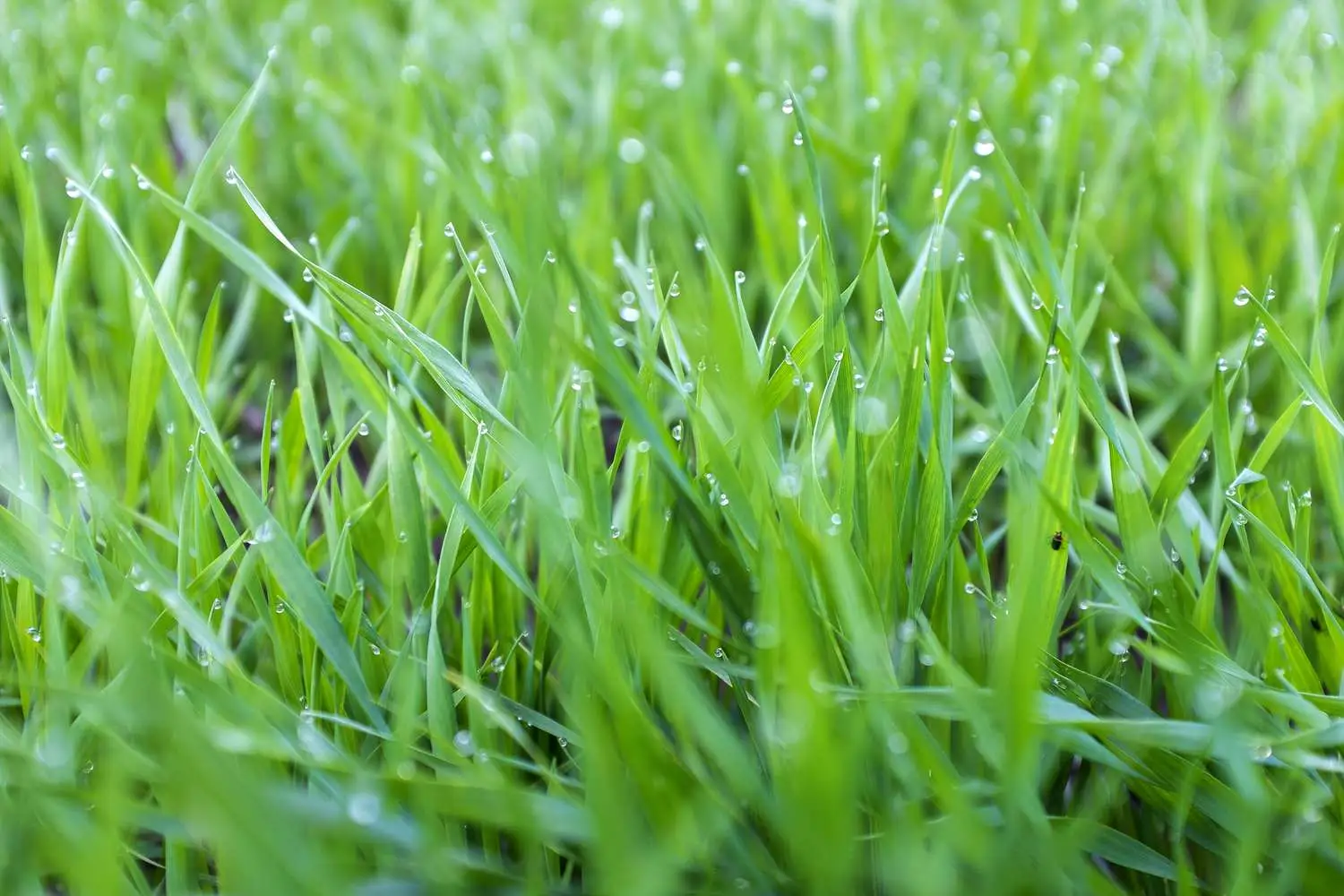
Here is the deal. Wet grass bends flat under the weight of water instead of standing upright. Your mower blades pass right over those bent blades instead of cutting them cleanly. The result is a patchy, uneven lawn that looks worse once everything dries out and the grass stands back up.
What “Wet Grass” Actually Means
Not all wet grass is the same. There is a big difference between:
- Morning dew: A light surface moisture that usually burns off by mid-morning on sunny days
- Damp grass after a light shower: Moderate moisture on the blades, soil is mostly firm underneath
- Rain-soaked grass after heavy rainfall: Blades are heavy and bent, soil is soft and waterlogged
Each level carries a different level of risk. Dew is manageable if you wait a bit. Rain-soaked grass after a heavy storm? That is a hard no.
When It Is Technically Okay to Mow Wet Grass
There are situations where mowing damp grass is acceptable:
- Your grass is dangerously overgrown and you have had weeks of rain with no dry window
- There is only light surface moisture with no saturated soil underneath
- You have a commercial-grade gas mower with a wide deck and strong torque
- You follow all the precautions covered in the safety section below
When You Should Absolutely Wait
Stop. Put the mower away. Wait if:
- There is standing water or puddles anywhere in the yard
- The soil feels soft and spongy underfoot
- Your shoes get wet just from walking through the lawn
- You had heavy rain in the last 24 hours
- You are using an electric or corded mower
What Happens When You Cut Grass Wet: The Real Risks
This is where it gets serious. Mowing wet grass is not just a cosmetic issue. It can cause lasting damage to your lawn, your mower, and your personal safety.
Uneven Cuts and a Patchy Lawn
Wet grass lies flat. Your mower blades were designed to cut upright grass blades. When the blades pass over water-heavy, bent grass, they tear it rather than slice it cleanly. You end up with ragged, brown-tipped grass and a lawn that looks worse after you mow than before.
And here is the kicker. You will likely need to mow again once the grass dries and the unevenness becomes obvious. That doubles your effort for zero benefit.
Lawn Disease Spreads Fast
This is probably the biggest risk most homeowners overlook.
When mower blades tear wet grass instead of cutting it cleanly, those jagged cuts become entry points for fungal infections. According to the University of Maryland Extension, fungal spores (the microscopic “seeds” that spread lawn disease) stick more easily to moist surfaces like mower blades and shoes, then get carried across the entire lawn with every pass you make.
The most common diseases to watch out for include:
- Brown Patch: Circular patches of dry, brown turf that thrive in hot, humid conditions
- Anthracnose: Yellow or tan streaking that can kill large sections of turf if left untreated
- Red Thread: Pink or reddish threads binding grass blades together, most common in lawns with low nitrogen
In mild temperatures, grass blades that stay wet for just 12 to 24 hours can develop full fungal outbreaks, according to UMD research. Mowing wet grass makes that window even shorter by spreading spores you cannot see.
Mower Damage: Clogged Decks, Engine Strain, and Rust
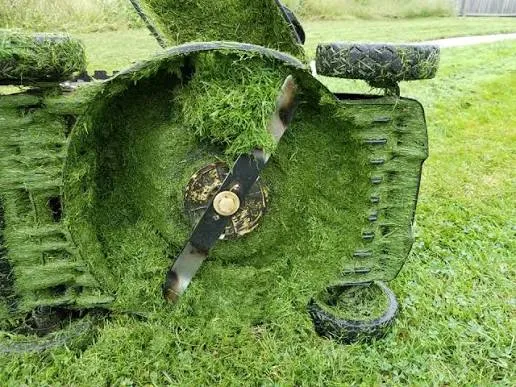
Wet grass clippings are sticky. They clump together and pack tightly against the underside of your mower deck, blocking airflow and clogging the discharge chute. When the blade struggles to spin through that buildup, the engine works harder, overheats, and wears out faster than it should.
Electric mowers are especially at risk. They have less torque than gas-powered models, meaning they struggle more with thick, wet grass. Prolonged exposure to moisture also puts electrical components at risk of short circuits and corrosion.
Over time, wet clippings left sitting on mower blades will cause rust, dulling them faster and requiring more frequent sharpening or full replacement. For a full breakdown on blade care, this guide on how to sharpen lawn mower blades is a great starting point.
Safety Hazards You Should Not Ignore
Wet grass is slippery, and that is not just inconvenient. It is genuinely dangerous.
The U.S. Consumer Product Safety Commission (CPSC) estimated that 18,500 emergency department visits were linked to walk-behind power lawn mowers from 2016 to 2018. About 5% of blade-contact injuries were caused by users slipping or falling unexpectedly, especially on slopes and uneven terrain.
And if you are using a corded electric mower? Water and electricity is a combination that should never be tested under any circumstances.
Soil Compaction and Ruts
Wet soil is soft soil. When you roll a heavy mower across it, the soil gets compressed beneath the wheels. This process is called soil compaction, and it is worse for your lawn than most people realize.
Compacted soil suffocates grass roots by cutting off oxygen, water, and nutrients they need to stay healthy. Research from the University of Massachusetts Amherst found that soil compaction can reduce nutrient uptake by 10% to 30%, leading to thin, patchy, struggling grass over time.
You will also end up with ruts. These are the deep grooves left behind by mower wheels sinking into soft ground. They create an uneven surface that makes future mowing harder and can take weeks or even months to fully correct.
How Long Should You Wait After Rain Before Mowing?
There is no single answer that fits every lawn, but here is a practical framework that works for most US homeowners.
The 3-Level Wait Time Guide
| Rain Type | How Long to Wait |
|---|---|
| Morning dew only | Wait until mid-morning; droplets should be fully gone |
| Light rain or drizzle | Wait 2 to 5 hours |
| Heavy rainfall | Wait at least 24 hours |
| Multiple days of rain | Wait 48 hours or more |
These are guidelines, not hard rules. Shaded areas of your lawn take longer to dry than sun-exposed spots. Clay soils hold water much longer than sandy or loamy soils, so factor your soil type into the equation.
The Shoe Test and Other Ways to Tell If Grass Is Ready
Not sure if your lawn is dry enough? Run through these quick checks before pulling the mower out:
- Walk through the lawn. If your shoes get wet, the grass is not ready.
- Run your hand across a patch of grass blades. Moisture on your palm means wait longer.
- Look at the tips of the grass blades. If you can still see water droplets, step back inside.
- Press your foot gently into the ground. If the soil feels soft or spongy, the lawn needs more time.
Does Your Grass Type Affect Drying Time?
Yes, and it matters more than most people think.
Cool-season grasses like Kentucky bluegrass, tall fescue, and perennial ryegrass tend to grow dense and hold moisture longer between the blades. Warm-season grasses like Bermuda, Zoysia, and St. Augustine have a slightly more open growth habit and can dry out a bit faster after rain.
If you are not sure what type of grass you have, this grass type identification guide from Pennington can help you figure it out quickly.
How to Cut Wet Grass Safely (If You Have No Choice)
Sometimes the grass gets so long that mowing becomes unavoidable, wet conditions or not.
Here is why. Michigan State University’s turf management guidelines recommend never cutting more than one-third of the grass blade in a single mowing session. If your lawn is already dangerously overgrown, waiting any longer means your next mow will stress the grass even more. In that case, mowing slightly damp is the lesser of two evils.
Here is how to do it with the least possible damage.
Step-by-Step: Mowing Wet Grass the Right Way
- Wait as long as you realistically can. Even two extra hours makes a real difference in how much moisture has evaporated.
- Sharpen your mower blades before you start. Dull blades tear wet grass far worse than sharp ones. The University of Maryland recommends sharpening blades after approximately every 10 hours of cumulative use.
- Raise your mower deck to a higher setting than usual. MSU turf guidelines suggest a cutting height of 2 to 3.75 inches for most US lawns.
- Switch to side discharge mode instead of mulching or bagging. This pushes clippings out sideways rather than recirculating them, which dramatically reduces the chance of clogging.
- Mow slowly. Give the blades time to do the work without forcing the engine.
- Stop every few minutes to scrape your deck. Wet clippings pack tightly and can seize the blade if left unchecked. Turn the mower off before you clean underneath it.
Best Mower Settings for Wet Conditions
| Setting | Recommendation |
|---|---|
| Deck height | 2.5 to 3.75 inches (higher than your usual setting) |
| Mowing speed | Slower than normal |
| Clipping mode | Side discharge only |
| Blade condition | Sharp before you begin |
What to Do With Wet Grass Clippings After Mowing
Do not leave large clumps sitting on the lawn. Wet clippings mat down and block sunlight from reaching the grass underneath, which can kill patches of turf within just a few days.
Instead, rake clumps apart to let them spread and dry naturally, or collect them and add them to a compost pile. If your lawn already shows signs of disease, bag and dispose of the clippings entirely rather than composting them. Fungal spores can survive in compost and re-infect your lawn the next time you spread it.
Wet vs. Dry Grass: Quick Comparison
| Factor | Wet Grass | Dry Grass |
|---|---|---|
| Cut quality | Uneven, torn, ragged edges | Clean, precise cut |
| Lawn health | Higher disease and fungus risk | Minimal stress on grass |
| Mower impact | Clogging, rust, engine strain | Normal wear |
| Safety | Slipping risk, electric hazard | Standard safety conditions |
| Soil impact | Compaction and ruts | No significant impact |
| Clipping behavior | Clumps and smothers turf | Spreads evenly as natural mulch |
The takeaway here is pretty clear. Dry grass wins across every category. If you can wait, wait.
Frequently Asked Questions About Cutting Wet Grass
Can You Cut Grass Wet With an Electric Mower?
No, and this one is non-negotiable when it comes to corded models. Water getting into electrical connections or a frayed cord touching wet grass can cause electric shock or serious burns. Even cordless battery-powered mowers carry real risk, since most manufacturers explicitly advise against wet-grass use in their owner’s manuals. Before attempting it, check your manual and review the electrical safety guidelines from the CPSC.
Does Cutting Wet Grass Spread Disease?
Yes, it does. Mower blades pick up fungal spores from infected areas and carry them to healthy sections of your lawn with every pass. Diseases like red thread, brown patch, and anthracnose spread this way. If your lawn already has visible signs of disease, mowing wet is one of the worst things you can do. For more on identifying what you are dealing with, the University of Maryland Extension’s disease guide is one of the most thorough free resources available.
Is It Okay to Mow With Morning Dew on the Grass?
It is not ideal, but it is one of the more manageable situations. Morning dew is lighter than rain and typically evaporates within a couple of hours on a sunny day. Wait until mid-morning before mowing, and do the shoe test first. If your shoes stay dry as you walk the lawn, you are likely good to go.
Can You Cut Grass Wet If It Is Just a Light Drizzle?
A light drizzle falls into a gray area. The surface of the grass gets wet, but if the soil has not been saturated, the damage is less severe. That said, mowing during active rain is still a bad idea because you are constantly reintroducing moisture to the deck as you mow. Wait for the drizzle to stop completely, then give it two to three hours before starting up the mower.
Will Cutting Wet Grass Ruin My Lawn Mower?
A single session probably will not cause permanent damage, but repeated wet mowing adds up fast. Clogged decks, engine strain, rust on the blades, and moisture damage to electrical components all shorten your mower’s working life. Many manufacturers also note in their warranty terms that damage from improper use, including mowing wet grass, may not be covered. Always read your owner’s manual before risking it.
The Bottom Line on Cutting Wet Grass
Can you cut grass wet? Yes. Should you? Almost never.
Here is what to remember before you make that call:
- Wet grass produces uneven cuts, spreads lawn disease, compacts soil, and puts unnecessary strain on your mower
- After light rain, wait 2 to 5 hours before mowing. After heavy rain, wait at least 24 hours
- Use the shoe test to confirm the lawn is genuinely ready before you start
- If you have no choice, raise your deck, sharpen your blades, and switch to side discharge mode
- Never use a corded electric mower on wet grass under any circumstances
When in doubt, give your lawn one more hour. Your grass, your mower, and your back will all thank you for it.
References and Further Reading
- University of Maryland Extension: Diseases of Home Lawns
- UMass Amherst Turf Research: Soil Compaction and Cultivation
- Michigan State University: Mowing Lawn Turf
- CPSC: Walk-Behind Power Lawn Mower Injury Data
- Pennington: Grass Type Identification Guide
- LawnStarter: How to Sharpen Lawn Mower Blades
- The Spruce: What Is Clay Soil?
- Bob Vila: Parts of a Lawn Mower Explained
About Author
Khalid Fazal is a seasoned lawn care specialist and horticultural researcher with over 15 years of hands-on experience transforming challenging landscapes into lush, resilient green spaces. His journey didn’t start in a lab, but in a backyard full of stubborn, cracked clay that “experts” said would never grow a healthy blade of grass. Refusing to accept a yard full of dust, Khalid spent years experimenting with organic soil restoration and precise mulching, eventually turning that wasteland into a neighborhood showpiece on a shoestring budget.
From mastering core aeration techniques to optimizing soil pH for specialized turf varieties, Khalid’s approach combines old-school grit with modern agronomic science. He founded Gen Lawn to provide homeowners with honest, research-backed advice that prioritizes long-term soil health over quick-fix chemical solutions. When he isn’t analyzing soil profiles, he’s developing precision tools to help others achieve professional results without the professional price tag.

Lawn Winterizer: When to Apply by Grass & Region [2026]
Table of Contents Home / By Khalid Fazal | Updated:...
Read More
Spring Lawn Care: What to Do and When in Every US Region
Table of Contents Home / By Khalid Fazal | Updated:...
Read More
Lawn Maintenance Checklist by Season and Grass Type (2026)
Table of Contents Home / By Khalid Fazal | Updated:...
Read More
Liquid Fertilizer vs Granular Fertilizer: Which Wins?
Table of Contents Home / By Khalid Fazal | Updated:...
Read More