
Grass Treatment for Fleas: The Complete Yard Guide to Reclaiming Your Outdoor Space
Your dog will not stop scratching. Your kids come in from the backyard covered in mystery bites. You treated your pet last week. So why are the fleas still here?
Here is the frustrating truth most people miss. Treating your pet alone is only solving 5% of the problem. According to Oklahoma State University Extension, 95% of a flea population is hiding in just 5% of your yard as eggs, larvae, and pupae buried in the soil, under your deck, and along your fence line. Your grass is not just a resting spot for fleas. It is their breeding ground.
The good news? The right grass treatment for fleas can break the entire cycle. This guide covers every proven option, from chemical sprays to natural solutions, plus a clear step-by-step action plan so you can get your yard flea-free and keep it that way.
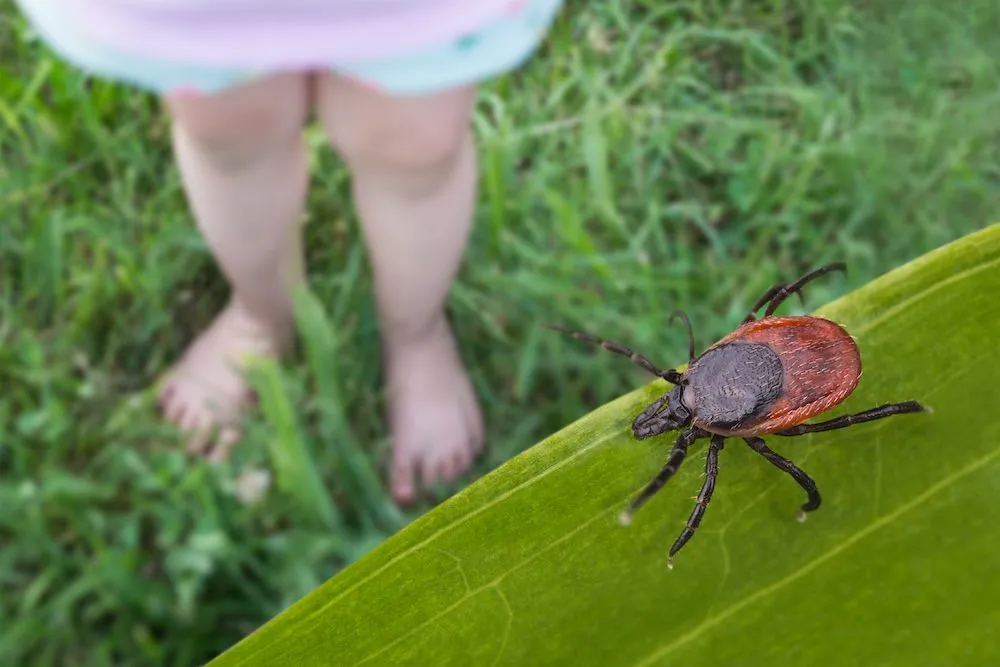
Why Fleas Love Your Grass More Than You Think
Before reaching for a spray, it helps to understand what you are actually dealing with. Fleas are not randomly scattered across your lawn. They are hiding in very specific spots, and knowing where to look changes everything about how you treat.
The Flea Lifecycle: Why One Treatment Is Never Enough
Fleas go through four lifecycle stages: egg, larva, pupa, and adult. The full cycle can take as little as two weeks or stretch to several months depending on temperature and humidity conditions.
Here is the part that catches most homeowners off guard. According to Lebanon Turf, the flea population breakdown in a typical yard looks like this:
- 50% eggs
- 35% larvae
- 10% pupae
- Only 5% adults
The fleas you can actually see jumping around are just a tiny fraction of what is living in your yard. A single treatment that only kills adult fleas leaves 95% of the problem completely untouched. That is why effective grass flea treatment requires repeated applications on a set schedule.
Where Fleas Actually Hide in Your Yard
Most people assume fleas are spread evenly across the lawn. They are not.
Professor Mike Rust, professor emeritus of entomology at the University of California Riverside, found that fleas are rarely present in open, sun-drenched areas of a yard. Instead, they concentrate in what he calls “protected microhabitats.” These are shaded, humid zones with limited air circulation.
The main hotspots to watch for:
- Under decks and porches
- Along fence lines and shaded borders
- Around dog houses and pet resting areas
- Inside leaf piles and organic debris
- Beneath dense shrubs and garden beds
And here is a detail that surprises most people: fleas actually live in the soil and leaf litter beneath the grass, not on the grass blades themselves. Surface-only sprays do not cut it. Your treatment needs to reach down into the soil to be effective.
Try the White Sock Test: Pull on a pair of tall white socks and walk slowly through your yard, focusing on shaded areas. If fleas are present, they will jump onto your socks and you will spot the tiny dark dots moving around. If you see them, it is time to act.
Best Grass Treatments for Fleas: Your Options Ranked
There are two main treatment paths: chemical and natural. The right choice depends on the severity of your infestation, whether you have pets and kids, and your personal preference. Here is a clear breakdown of each.
Chemical Grass Treatments for Fleas
Chemical treatments are the fastest option and work best for moderate to severe infestations.
Pyrethroid-based sprays such as bifenthrin and permethrin are the most widely used chemical options for grass flea treatment. Pyrethroids are synthetic compounds that mimic a natural insecticide found in chrysanthemum flowers. They attack the flea’s nervous system and provide fast knockdown of adult fleas within 24 to 48 hours of application.
Insect Growth Regulators (IGRs) are a separate category that many homeowners overlook. Products containing methoprene or pyriproxyfen disrupt the flea development cycle by preventing eggs from hatching and larvae from maturing into adults. IGRs do not kill adult fleas on their own. They work by stopping the next generation from ever forming.
The best approach is to combine both. A product that includes an adulticide plus an IGR gives you immediate knockdown of current fleas and long-term prevention of new ones developing. This is the same strategy professional pest control companies use.
Safety reminder: Always read the full label before applying any chemical treatment. Keep pets and children off the lawn until the product is completely dry, which usually takes 30 minutes to a few hours depending on the product and weather.
Natural and Organic Grass Treatments for Fleas
Prefer a chemical-free route? Several natural options are genuinely effective, especially when combined with good lawn maintenance habits.
Diatomaceous Earth (DE) is one of the most popular natural choices for grass flea treatment. It is a fine white powder made from the fossilized remains of tiny aquatic organisms called diatoms. DE works by physically dehydrating the fleas rather than using any chemical toxins. It breaks down their protective outer coating, causing them to dry out and die.
Important note: always use food-grade diatomaceous earth. Pool-grade DE contains additives that are unsafe to breathe and harmful to pets.
Beneficial Nematodes are microscopic roundworms that are natural predators of flea larvae hiding in the soil. You apply them directly to your yard using a hose-end sprayer. They seek out flea larvae, infect them, and kill them within 24 to 48 hours. Nematodes are completely harmless to people, pets, bees, earthworms, and plants. They work best in warm, moist soil.
Cedar Chips and Cedar Oil work as natural flea repellents. Fleas have a strong aversion to the smell of cedar. Spreading cedar chips around shaded hotspots or applying a cedar oil spray creates a barrier that discourages fleas from settling in those areas without using any harsh chemicals.
Essential Oil-Based Sprays containing peppermint oil, cedarwood oil, or cinnamon oil are the active ingredients in popular products like Wondercide and EcoLogic Lawn and Yard Spray. These are a practical option for pet-focused households that want a plant-based solution with real flea-control results.
| Treatment | Speed | Pet Safety | Cost | How Long It Lasts |
|---|---|---|---|---|
| Bifenthrin or Permethrin Spray | Fast (24-48 hrs) | Safe once dry | Low to Moderate | 4 to 6 weeks |
| IGR Plus Adulticide Combo | Fast and long-term | Safe once dry | Moderate | Up to 3 months |
| Diatomaceous Earth | Slower (2-3 days) | Safe when dry | Very Low | 2 to 4 weeks |
| Beneficial Nematodes | Moderate (1-2 weeks) | Completely safe | Low to Moderate | 2 to 3 months |
| Cedar Chips | Slow (repellent only) | Completely safe | Low | 1 to 2 months |
How to Treat Your Grass for Fleas: Step-by-Step
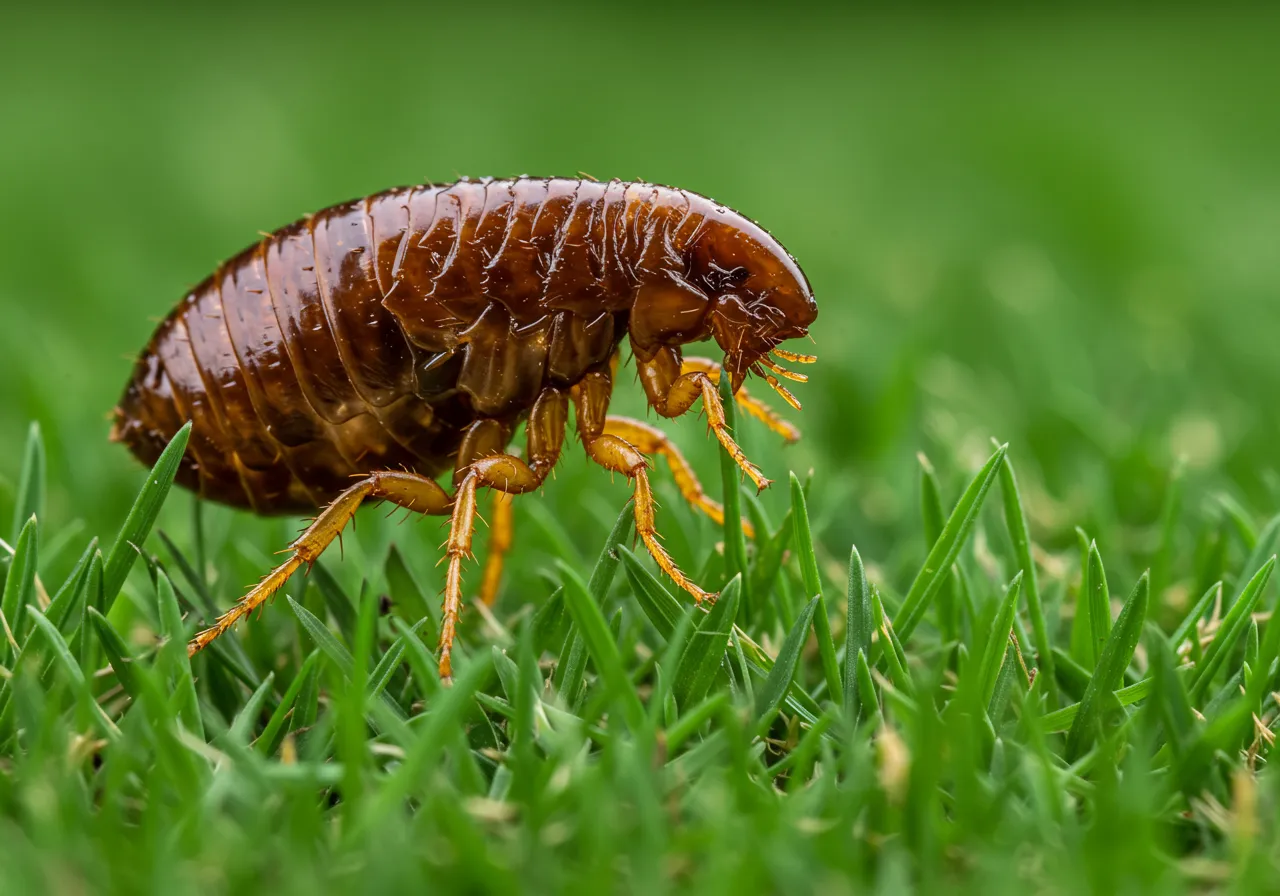
Here is where it all comes together. Follow these steps in order and you will get real, lasting results.
Step 1: Mow Your Lawn Cut your grass to around 2.5 to 3 inches tall. Taller grass gives fleas shade and protection. But do not mow too short either. Cutting below 2 inches removes beneficial predators like ground beetles and ants that naturally feed on flea larvae. Bag your clippings immediately to remove any flea eggs hiding in the grass.
Step 2: Clear Out All Debris Rake up leaf piles, twigs, and any organic clutter. If you have a thick layer of dead material built up between the soil and the grass surface (known as thatch), remove it before you treat. Thatch blocks your product from reaching the soil where fleas actually live.
Step 3: Focus on the Hotspots Do not spray your entire yard randomly and call it done. Direct your treatment to the shaded problem zones: under decks and porches, along fence lines, around pet resting areas, and beneath dense shrubs. Treating these targeted zones is far more effective than a general whole-yard spray.
Step 4: Apply Your Treatment Apply your chosen product in the early morning before the sun heats up. This limits product evaporation and gives it more time to work into the soil. For liquid sprays, a hose-end sprayer provides the most even and penetrating coverage. Follow the product label directions exactly for coverage rates and dilution ratios.
Step 5: Keep Pets and Kids Off the Treated Area After any treatment, chemical or natural, keep pets and children off the treated lawn until it is fully dry. This protects against direct contact with concentrated product.
Step 6: Treat Pets and Your Home at the Same Time This step is absolutely non-negotiable. If you treat the yard but skip the pets or your home, fleas will be back within days. Speak to your vet about a fast-acting flea product for your pets. Vacuum all carpets, furniture, and baseboards indoors. Wash all pet bedding in hot water. Full flea control requires treating every part of the environment at the same time.
Step 7: Stick to the Repeat Schedule Treat your lawn weekly for four full weeks, then move to a monthly maintenance application. This schedule catches newly hatched larvae as they emerge from eggs that survived your first treatment, which is how you finally break the full lifecycle.
When to Call a Professional for Grass Flea Treatment
DIY treatments work well for mild to moderate infestations. But sometimes the problem has grown too large to handle alone, and recognizing that early saves you a lot of time and money.
Signs the Infestation Is Beyond DIY
- Fleas are jumping onto your ankles indoors
- You have been treating for two or more weeks with no improvement
- Fleas are showing up in multiple rooms of your home
- You have multiple pets all showing persistent signs of flea activity
What Professional Grass Flea Treatment Includes
A professional pest control technician inspects your entire yard, identifies the exact breeding hotspots, and applies a targeted combination of adulticide and IGR products calibrated to your specific infestation level. They know how to get the product into the soil where it actually needs to go. Most reputable companies also include scheduled follow-up visits to treat any new larvae that hatch after the first application.
What It Will Cost You in the US
According to Angi and HomeAdvisor, here is the 2026 pricing breakdown for US homeowners:
- Yard treatment only: $75 to $300
- Combined indoor and outdoor treatment: $250 to $500
- Severe infestations with multiple visits: up to $1,000
The national average sits around $270 per appointment. For a serious infestation, professional treatment is almost always more cost-effective in the long run compared to repeated rounds of DIY products that do not fully resolve the problem.
How to Prevent Fleas From Coming Back to Your Grass
Getting rid of fleas is the hardest part. Keeping them gone is much more manageable once you build the right habits.
Monthly Lawn Habits That Deter Fleas
- Mow your lawn consistently at the recommended height for your grass type
- Water in the early morning between 4 a.m. and 10 a.m. to reduce surface moisture during peak activity hours
- Remove leaf litter and debris on a regular schedule
- Fix leaky or clogged sprinkler heads that create damp puddles where flea larvae thrive
Wildlife Is a Hidden Flea Source You Cannot Ignore
Raccoons, opossums, stray cats, deer, and rodents are constant flea carriers that regularly pass through residential yards. Every time they do, they deposit new eggs and larvae into your soil. To reduce their visits:
- Bring pet food bowls inside immediately after feeding
- Store trash cans away from the house with tight-fitting lids
- Seal any foundation gaps, vents, and entry points with steel wool and caulk
- Consider motion-activated lights or sprinkler deterrents in high-traffic wildlife zones
Flea-Repelling Plants That Work for Your Yard
Certain plants produce natural compounds that fleas actively avoid. Adding these to your garden beds and yard perimeter creates a passive layer of protection between treatments. Good options include lavender, catnip, chrysanthemums, eucalyptus, and fleabane daisy. On top of repelling fleas, many of these also add color and fragrance that make your outdoor space more enjoyable.
Frequently Asked Questions About Grass Treatment for Fleas
How long does grass flea treatment take to work?
Chemical treatments such as bifenthrin or permethrin sprays start killing adult fleas within 24 to 48 hours. But full control takes longer because no single treatment eliminates flea eggs. A weekly treatment schedule for four full weeks is needed to break the entire lifecycle as each generation hatches.
Is it safe for pets to go on grass after flea treatment?
For chemical treatments, keep pets off the treated lawn until the product is completely dry. This typically takes 30 minutes to a few hours. Natural options like beneficial nematodes and cedar chips are safe for pets almost immediately after application. Always check the specific product label for guidance.
What is the most effective grass treatment for fleas?
A combination of an adulticide (such as a bifenthrin or permethrin spray) paired with an Insect Growth Regulator gives you the most complete and lasting control. The adulticide kills existing adults fast while the IGR prevents eggs and larvae from developing into the next generation. This two-step approach is what professional pest control companies rely on for severe infestations.
Can fleas survive in short-cut grass?
Short grass is less hospitable to fleas because it reduces shade and shelter. However, mowing too short actually removes beneficial predators like ground beetles that feed on flea larvae naturally. Keep your grass at 2.5 to 3 inches for the best balance of flea control and healthy lawn maintenance.
Does vinegar kill fleas in grass?
No, vinegar does not kill fleas. The strong scent may push fleas out of a very small, direct area temporarily, but it does not eliminate them. Relying on vinegar as a flea treatment will not resolve an infestation and will likely allow it to grow worse while you wait for results that will never come.
The Bottom Line
Fleas in your grass are a bigger problem than they appear on the surface. With 95% of the population hiding as eggs, larvae, and pupae in the soil beneath your lawn, what you see jumping around is just a fraction of the actual infestation.
Here is a quick summary of what to take away from this guide:
- Target shaded hotspots first, not just the open sunny areas of your lawn
- Use a combination of adulticide and IGR for the most complete results
- Treat weekly for four full weeks, then drop to monthly maintenance
- Always treat your pets and your home at the same time as your yard
- Consistent lawn maintenance is your most effective long-term defense
Whether you go the DIY route or call in a professional, acting fast is the single most important thing you can do. The longer a flea infestation goes untreated, the harder and more expensive it becomes to break the cycle completely.
References and External Resources
- CDC: Flea Lifecycles
- NC State Extension: Biology and Control of Fleas
- Oklahoma State University Extension: Flea Control
- PetMD: How to Get Rid of Fleas in Your Yard
- LawnLove: Natural Ways to Treat Fleas in Your Yard
- Lebanon Turf: Controlling Fleas in Lawns
- FleaScience: Do Fleas Live in Grass?
- EPA: Pyrethrins and Pyrethroids
- Angi: Flea Exterminator Cost 2026
- HomeAdvisor: Flea Exterminator Cost
- Cornell University College of Veterinary Medicine: Fleas
- The Old Farmer’s Almanac: Growing Lavender
About Author
Khalid Fazal is a seasoned lawn care specialist and horticultural researcher with over 15 years of hands-on experience transforming challenging landscapes into lush, resilient green spaces. His journey didn’t start in a lab, but in a backyard full of stubborn, cracked clay that “experts” said would never grow a healthy blade of grass. Refusing to accept a yard full of dust, Khalid spent years experimenting with organic soil restoration and precise mulching, eventually turning that wasteland into a neighborhood showpiece on a shoestring budget.
From mastering core aeration techniques to optimizing soil pH for specialized turf varieties, Khalid’s approach combines old-school grit with modern agronomic science. He founded Gen Lawn to provide homeowners with honest, research-backed advice that prioritizes long-term soil health over quick-fix chemical solutions. When he isn’t analyzing soil profiles, he’s developing precision tools to help others achieve professional results without the professional price tag.

Lawn Winterizer: When to Apply by Grass & Region [2026]
Table of Contents Home / By Khalid Fazal | Updated:...
Read More
Spring Lawn Care: What to Do and When in Every US Region
Table of Contents Home / By Khalid Fazal | Updated:...
Read More
Lawn Maintenance Checklist by Season and Grass Type (2026)
Table of Contents Home / By Khalid Fazal | Updated:...
Read More
Liquid Fertilizer vs Granular Fertilizer: Which Wins?
Table of Contents Home / By Khalid Fazal | Updated:...
Read More