
Brown Color Mulch: Everything You Need to Know Before You Buy, Apply, and Refresh It
Picture this. You spent a Saturday spreading fresh mulch across your garden beds. It looked amazing for about three weeks. Then the sun hit, the rain washed it down, and by mid-July it had turned a dull, lifeless gray.
Sound familiar? You are not alone. Thousands of homeowners across the US buy the wrong type of brown mulch every year and end up frustrated with how fast it fades or how little it actually does for their yard. The problem is not mulch itself. The problem is picking the wrong kind without knowing what to look for.
Here is the good news: brown color mulch is still the most versatile, natural-looking, and widely available option on the market. When you choose the right type and apply it correctly, it can completely transform your yard and stay looking fresh for up to two years.
This guide covers everything you need, from the different types and real benefits to step-by-step application and smart buying tips. Let us get into it.
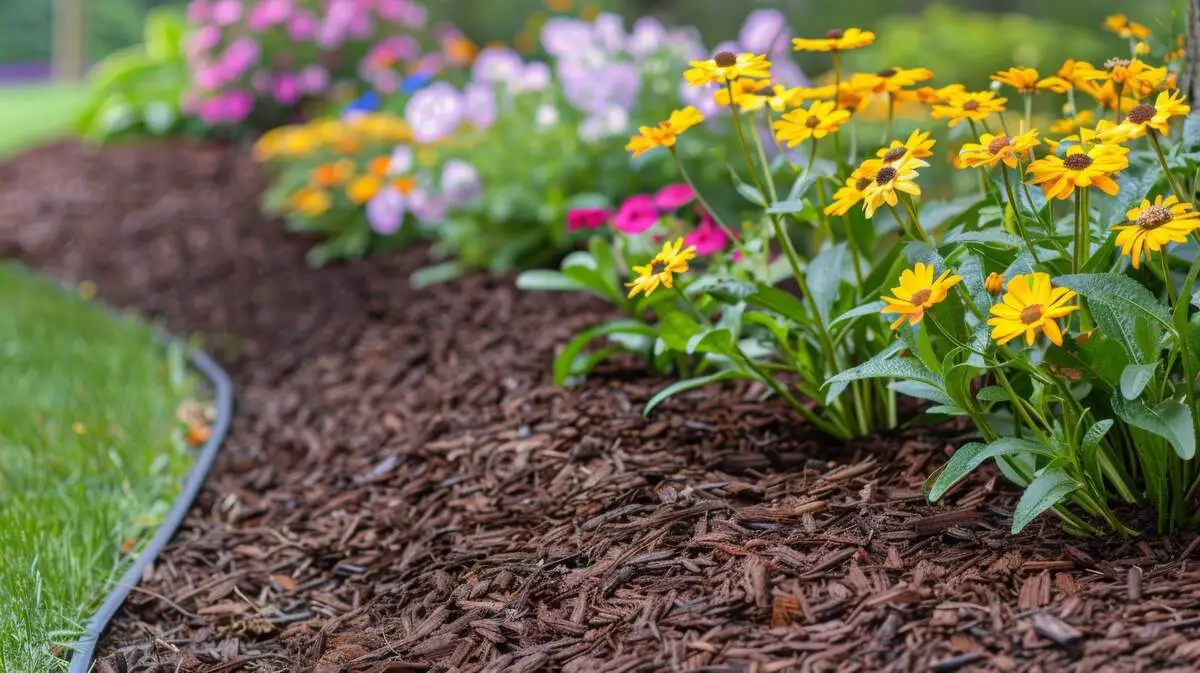
What Is Brown Color Mulch? (And Why It Is Still the Number One Choice)
Brown mulch is the most popular mulch color in the US, and it has earned that spot for good reason. Its natural, earthy tone blends seamlessly with almost any landscape style, whether you have a cottage garden, a modern front yard, or a simple flower bed running along your fence.
But here is something most people do not realize: not all brown color mulch is the same.
Natural Brown Mulch vs. Dyed Brown Mulch
There are two main types of brown color mulch, and they behave very differently once they are in your yard.
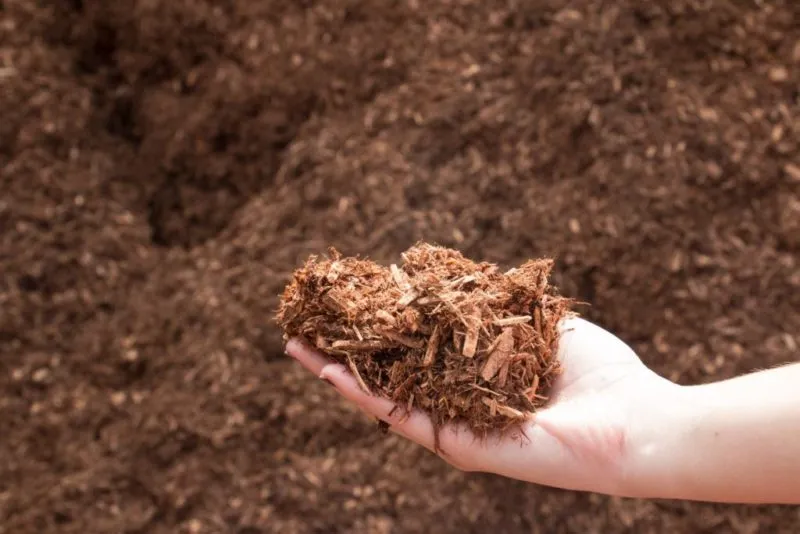
Natural brown mulch is made from shredded bark, wood chips, or composted forest materials. It gets its color from the wood itself. The downside is that it tends to fade and turn grayish within one to two months of sun and rain exposure. The upside is that it breaks down over time and feeds your soil with organic matter, which is a major win for long-term plant health.
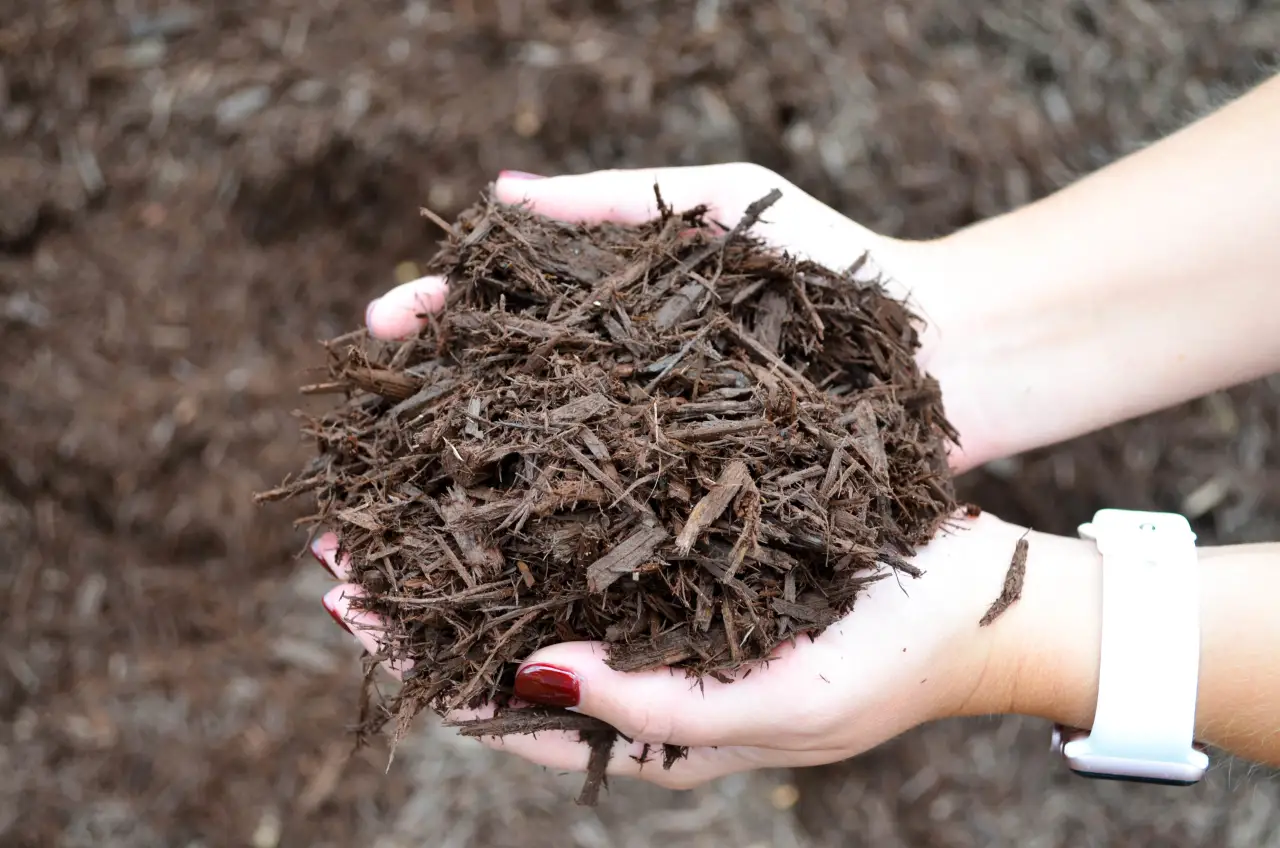
Dyed brown mulch is made from shredded wood fibers coated with a water-based, iron oxide pigment to create a uniform, rich chocolate or dark brown tone. According to Biology Insights, dyed brown mulch can maintain its color for up to a year or more, significantly longer than natural mulch. The dyes used in quality products are non-toxic and environmentally safe, so there is nothing to worry about when it comes to your plants, pets, or children.
What Materials Make Up Brown Color Mulch?
Brown mulch comes in several different materials, each with its own strengths:
- Shredded hardwood: The most common choice for homeowners. Affordable, widely available, and breaks down over time to improve soil health.
- Cedar mulch: Naturally insect-repelling and longer-lasting than standard hardwood. A solid pick if pests are a concern in your area.
- Pine bark: Available in fine, medium, or large nugget sizes. It drains well, resists compaction, and has a rich, textured appearance that works especially well in woodland-style beds.
You can also find rubber or pea gravel in brown shades, but those are inorganic options better suited for playgrounds or paths rather than garden beds.
The Real Benefits of Brown Color Mulch (Backed by Data)
Brown mulch is not just good-looking. It is one of the most practical additions you can make to your lawn and garden. Here is why.
Moisture Retention
This is the big one. Mulched soil holds onto water far longer than bare soil. Studies show that mulch can cut soil evaporation by up to 70 percent. That means fewer watering sessions, lower water bills, and healthier roots, especially during summer heat waves and drought-like conditions.
A two to four inch layer of brown color mulch is all it takes to lock in that moisture and give your plants a steady, consistent water supply throughout the growing season.
Weed Suppression and Temperature Control
Here is the thing: weeds need light to germinate. A proper layer of brown mulch blocks that light at the soil surface and stops weed seeds from sprouting before they even get started, saving you hours of weeding time throughout the season.
Brown mulch also acts as an insulating blanket for your soil. It keeps roots cool during hot summers and protects them from harsh, freezing temperatures in winter. According to Virginia Tech Extension, mulch promotes a healthy soil microbe population that enhances root growth, improves nutrient uptake, and reduces soilborne disease.
Soil Health Over Time
Unlike black mulch or rubber mulch, organic brown mulch slowly decomposes and converts into compost right in your garden bed. As Angi explains in their mulch comparison guide, this natural breakdown improves soil structure, feeds beneficial microbes, and adds nutrients that synthetic fertilizers often cannot replicate.
So while you will need to replenish it periodically, organic brown mulch is doing double duty as both a protective layer and a long-term soil amendment.
Curb Appeal
Brown is the most universally flattering mulch color for home landscaping in the US. It pairs beautifully with warm-toned homes, including brick, beige, and tan siding. It works as a neutral backdrop that makes flowers, shrubs, and greenery stand out without competing for attention.
And when dyed brown mulch eventually fades, it does so gradually and gracefully, shifting to a lighter tan rather than looking washed out like red or black mulch can.
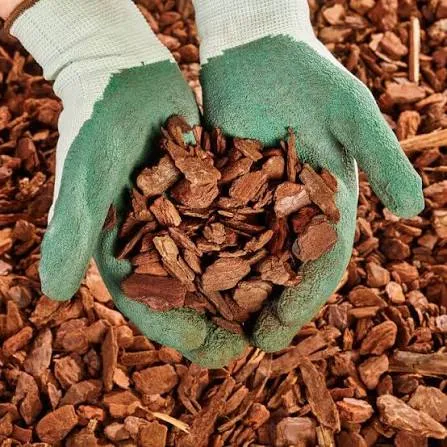
Types of Brown Color Mulch: Which One Is Right for You?
Here is a side-by-side comparison to help you choose based on your specific goals:
| Type | Color Retention | Longevity | Best For |
|---|---|---|---|
| Dyed Hardwood | 8 to 14 months | 1 to 2 years | Curb appeal, flower beds |
| Natural Hardwood | 1 to 2 months | 1 to 2 years | Vegetable gardens, soil health |
| Cedar | 6 to 12 months | 2 to 3 years | Insect control, longevity |
| Pine Bark | 4 to 8 months | 1 to 2 years | Drainage, texture, woodland beds |
If curb appeal is your top priority, dyed brown hardwood mulch is the clear winner. It holds its rich chocolate tone the longest and fades in a way that still looks intentional. If you are growing vegetables or care most about long-term soil health, natural hardwood or cedar are your best options.
How to Apply Brown Color Mulch the Right Way
Getting the most out of your brown color mulch comes down to proper application. Follow these steps and you will get professional results without hiring anyone.
How Much Do You Need? (Simple Formula)
Before you buy, you need to know how much mulch your space requires. Use this simple formula:
Length (ft) x Width (ft) x Depth (ft) divided by 27 = Cubic Yards Needed
For a standard 3-inch layer, use 0.25 as your depth value in feet. As a general rule, one cubic yard of mulch covers approximately 100 square feet at a depth of 3 inches. If math is not your thing, you can use the free Mulch Calculator from Mulch Pros to get your number instantly.
Step-by-Step Application
Follow this process for a clean, long-lasting result:
- Clear the area. Pull existing weeds and remove dead vegetation. Edge the bed for a sharp, defined border.
- Loosen and wet the soil. Dry soil repels water. A quick soak before mulching helps moisture penetrate deeper from the start.
- Spread at 2 to 4 inches deep. This is the sweet spot. Too thin and weeds push right through. Too thick and you risk suffocating plant roots and blocking water.
- Keep it away from stems and trunks. Leave at least 2 to 3 inches of bare ground around the base of trees and shrubs. Piling mulch up against trunks creates what landscapers call a “mulch volcano,” which traps moisture, invites pests, and can cause bark rot over time.
- Let dyed mulch cure. If you are using dyed brown mulch, wait 24 to 48 hours before heavy watering. This gives the pigment time to fully bond with the wood fibers so the color does not bleed or wash away right from the start.
When to Refresh Your Brown Color Mulch
Even the best brown color mulch does not last forever. Here is when to act:
Dyed brown mulch: Top off with 1 to 2 fresh inches once a year. Patuxent Nursery recommends doing this in spring or fall and avoiding application during wet or rainy weather to prevent color bleed.
Natural brown mulch: You may need to refresh twice a year, since it fades faster and breaks down more quickly. The upside is that the decomposing material is actively feeding your soil, so nothing is wasted.
If you notice the mulch is soggy, matted, or has developed a sour smell, replace it entirely rather than simply topping it off.
Buying Brown Color Mulch: Bagged vs. Bulk (Cost Breakdown)
The way you buy your brown mulch can matter just as much as which type you choose.
Bagged Brown Mulch
Bagged mulch typically costs between $2 and $13 per bag, with each bag covering around 10 square feet at a 2-inch depth, according to LawnLove’s 2026 mulch pricing guide. It is the most convenient option for small flower beds, quick touch-ups, or anyone without access to a truck or trailer.
Bagged mulch is the right call for projects under 1.5 cubic yards. Above that, the cost adds up fast.
Bulk Brown Mulch
Bulk mulch costs between $25 and $100 per cubic yard for materials alone. When you compare that to buying the same volume in bags, going bulk is typically 35 to 60 percent cheaper, as shown in Topsoil.com’s bagged vs. bulk comparison. For larger yards or multiple garden beds, that kind of savings makes a real difference.
The break-even point is around 1.5 to 2 cubic yards. If your project requires more than that, bulk is almost always the smarter financial choice.
What to Look for on the Label
Whether you are buying bagged or bulk, always check for these things before you commit:
- Water-based, non-toxic dye. Look for iron oxide pigments, the same compounds found naturally in soil and red brick. They are safe for plants, pets, and kids.
- Untreated wood source. Avoid any mulch made from CCA-treated lumber (also called chromated copper arsenate), which can leach harmful chemicals into your soil over time.
- Colorfast quality. Premium suppliers stand behind the color retention of their dyed mulch. If you cannot find this information on the label or the website, ask before you buy.
Frequently Asked Questions About Brown Color Mulch
How long does brown color mulch keep its color?
It depends on the type. Dyed brown mulch holds its color for 8 to 14 months under normal conditions, with some premium products lasting up to two years. Natural brown mulch tends to fade to gray within one to two months of regular sun and rain exposure. Shaded areas will always hold color longer than spots in full sun. For a deeper look at what affects color retention, check out this breakdown from Mulch Mound.
Is dyed brown mulch safe for vegetable gardens?
Yes, in most cases. Quality dyed brown mulch uses water-based iron oxide pigments that are considered non-toxic and safe for use around edible plants. That said, always verify that the wood source is untreated. Some recycled wood mulches may contain traces of chemicals from treated lumber, which you do not want anywhere near your food garden. When in doubt, opt for natural undyed hardwood or cedar mulch in your vegetable beds.
How often should I replace brown mulch?
For dyed brown mulch, plan to top off annually and do a full replacement every one to two years. For natural brown mulch, a seasonal refresh in both spring and fall will keep things looking great. If you notice matting, mold, or a sour smell at any point, replace it right away rather than just adding more on top.
Brown mulch vs. black mulch: which one is better?
Both have their place. Black mulch offers stronger contrast and a modern, polished look, but it absorbs significantly more heat, which can stress sensitive plants in hot summer climates. Brown mulch has a more natural appearance, fades more gracefully, and is better suited for long-term soil health. For most home gardens and mixed landscape styles, brown is the more forgiving and versatile choice. You can read a full side-by-side comparison in Angi’s brown vs. black mulch guide.
How deep should I apply brown color mulch?
The ideal depth is 2 to 4 inches. Two inches is the minimum for effective weed suppression and moisture retention. Four inches is the maximum before you start blocking water and air from reaching your plant roots. For most garden beds, three inches is the sweet spot that balances function and plant health perfectly.
Conclusion: Make Brown Color Mulch Work for Your Yard
Brown color mulch is the most popular landscaping material in the US for very good reasons. It looks natural, it works hard all season long, and it fits almost any yard style, home color, or planting type. But the difference between mulch that stays rich and fresh and mulch that turns gray by June comes down to the choices you make before you ever open a bag.
Here is a quick recap of what matters most:
- Choose dyed brown mulch for longer color retention (8 to 14 months) or natural brown mulch for richer soil health over time.
- Apply at 2 to 4 inches deep and always keep mulch a few inches away from tree trunks and plant stems.
- Use bagged mulch for small jobs under 1.5 cubic yards and go bulk for anything larger to save up to 60 percent.
- Refresh dyed mulch once a year and natural mulch twice a year for best results.
- Always check for non-toxic dye and untreated wood sources before buying.
Your yard deserves to look its best from the first warm day of spring all the way through fall. Start with the right brown color mulch, apply it the right way, and your garden beds will reward you all season long.
Ready to give your lawn and garden a fresh look? Reach out to the Gen Lawn team today and let our experts help you pick the right mulch and get it applied perfectly.
References and Further Reading
- Virginia Tech Extension: Mulching Benefits and Best Practices
- Angi.com: Black vs. Brown Mulch Comparison Guide
- MulchSmartKC: Dark Brown Mulch Landscaping Guide
- LawnLove: Mulch Cost Guide 2026
- Topsoil.com: Bagged vs. Bulk Mulch
- Patuxent Nursery: Maintaining Mulch Year-Round
- Biology Insights: Is Brown Mulch Dyed?
- Frontiers in Agronomy: Mulching and Soil Moisture Research
About Author
Khalid Fazal is a seasoned lawn care specialist and horticultural researcher with over 15 years of hands-on experience transforming challenging landscapes into lush, resilient green spaces. His journey didn’t start in a lab, but in a backyard full of stubborn, cracked clay that “experts” said would never grow a healthy blade of grass. Refusing to accept a yard full of dust, Khalid spent years experimenting with organic soil restoration and precise mulching, eventually turning that wasteland into a neighborhood showpiece on a shoestring budget.
From mastering core aeration techniques to optimizing soil pH for specialized turf varieties, Khalid’s approach combines old-school grit with modern agronomic science. He founded Gen Lawn to provide homeowners with honest, research-backed advice that prioritizes long-term soil health over quick-fix chemical solutions. When he isn’t analyzing soil profiles, he’s developing precision tools to help others achieve professional results without the professional price tag.

Lawn Winterizer: When to Apply by Grass & Region [2026]
Table of Contents Home / By Khalid Fazal | Updated:...
Read More
Spring Lawn Care: What to Do and When in Every US Region
Table of Contents Home / By Khalid Fazal | Updated:...
Read More
Lawn Maintenance Checklist by Season and Grass Type (2026)
Table of Contents Home / By Khalid Fazal | Updated:...
Read More
Liquid Fertilizer vs Granular Fertilizer: Which Wins?
Table of Contents Home / By Khalid Fazal | Updated:...
Read More