
Shredded Bark Mulch: Benefits, How to Apply It, and Which Type Is Right for Your Yard
You water your garden twice a week. You pull weeds every weekend. And you still watch your plants struggle the moment summer heat kicks in.
Sound familiar?
Here is the thing: most US homeowners are working harder than they need to. One simple layer of shredded bark mulch can cut your watering time, stop weeds before they start, and actually improve your soil, all at once.
In this guide, you will learn exactly what shredded bark mulch is, why it works, how to apply it correctly, which type suits your yard, and what costly mistakes to avoid. By the end, you will have everything you need to make a confident decision for your landscape.
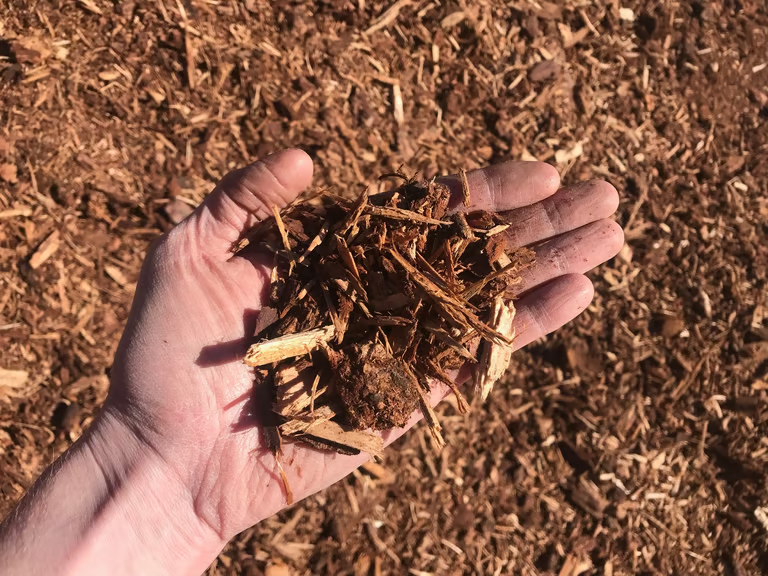
What Is Shredded Bark Mulch?
Shredded bark mulch is made from the outer bark of trees, most commonly pine, cedar, and hardwood species like oak and maple. It is primarily a byproduct of the lumber and sawmill industry, which makes it one of the more sustainable mulching options available to US gardeners.
The bark is processed into thin, fibrous pieces that naturally interlock when laid down on soil. That interlocking texture is exactly what makes shredded bark different from other mulch types.
How Shredded Bark Mulch Differs from Wood Chips and Bark Nuggets
This is where a lot of buyers get confused at the garden center. All three products look similar on the shelf, but they behave very differently in your yard.
Shredded bark has a fine, fibrous texture that knits together when applied. This means it stays firmly in place on slopes, does not float away in heavy rainstorms, and creates a tighter barrier over your soil. According to Iowa State University Extension, shredded mulch is significantly less likely to blow or wash away compared to wood chips.
Wood chips are chunkier pieces that last longer and work better for pathways and tree rings. Bark nuggets are larger, more decorative pieces that look polished but tend to float in heavy rain and do not suppress weeds as tightly as shredded bark does.
For most garden beds and landscaped areas, shredded bark mulch is the most practical and effective choice.
4 Real Benefits of Using Shredded Bark Mulch
Let’s get into why this product is worth every dollar.
It Keeps Soil Moisture Locked In
This is the number one reason homeowners make the switch, and the results are dramatic.
A peer-reviewed study on pine bark water retention found that sandy soil without mulch lost up to 90% of its moisture over just three days, compared to mulched soil of the same type. That is a massive difference, especially during a dry US summer when plants are already stressed.
Shredded bark works by softening the impact of rainfall so water can penetrate the soil more effectively. It also reduces evaporation from the soil surface, keeping roots moist between watering sessions. Fewer watering trips, lower water bills, healthier plants.
It Suppresses Weeds Naturally
Weed seeds need sunlight hitting the soil to germinate. Shredded bark mulch blocks that sunlight, stopping most annual weeds before they even break through the surface.
The UC Integrated Pest Management Program recommends a depth of 3 to 4 inches for reliable weed suppression. At that depth, you can dramatically cut down on the number of weeds popping up without using any chemicals at all.
Keep in mind that perennial weeds with established deep roots can still push through. For those, manual removal before laying mulch is the right first step.
It Regulates Soil Temperature Year-Round
Your plant roots are sensitive to sudden temperature swings. Shredded bark mulch acts as a natural insulating layer, keeping the soil cooler during summer heat and protecting roots as temperatures drop in fall.
Research shows that bark mulch can extend the growing season by several weeks by moderating these extremes. That is extra time for your plants to produce and thrive, with zero additional effort on your part.
It Improves Your Soil Over Time
Here is a benefit that most homeowners overlook entirely.
As shredded bark mulch breaks down, it adds organic matter back into the soil. This process feeds beneficial soil microbes, improves soil structure, and gradually increases fertility season after season.
One thing to watch for: fresh wood-based mulches can temporarily tie up nitrogen in the soil as they begin to decompose. If you notice yellowing leaves shortly after mulching, a light application of nitrogen fertilizer will quickly correct this while the mulch settles in.
How to Apply Shredded Bark Mulch the Right Way
Getting all those benefits depends almost entirely on how you apply the mulch. Here is the process, step by step.
Step-by-Step Shredded Bark Mulch Application
- Clear the area of existing weeds and any large debris before you start.
- Spread shredded bark mulch to a depth of 2 to 4 inches across the soil surface.
- Keep mulch at least 3 to 4 inches away from all plant stems and tree trunks.
- Replenish the layer annually, or whenever it drops below 2 inches due to natural decomposition.
That is all it takes. No digging, no special tools, no landscaping experience required.
How Much Shredded Bark Mulch Do You Need?
Here is a quick way to calculate your coverage before buying.
One cubic yard of shredded bark mulch covers approximately 162 square feet at 2 inches deep, or 108 square feet at 3 inches deep. To figure out how much you need, simply measure your garden bed length x width to get the square footage, then divide by the coverage rate for your chosen depth.
For example: a 300 square foot bed mulched at 3 inches deep needs about 2.8 cubic yards.
Buying in bulk is almost always the smarter move for anything larger than a few small beds. LawnStarter’s 2026 mulch cost guide found that buying bagged mulch can cost up to 35% more than purchasing the same volume in bulk by the cubic yard.
The Biggest Mistake: Mulch Volcanoes
This one mistake quietly undoes all the benefits of mulching, and it is more common than you think.
A mulch volcano happens when you pile mulch up against the base of a tree trunk, creating a cone or mound shape. It looks tidy. It is actually harming your tree.
CSU Extension warns that mulch piled against tree trunks traps moisture against the bark, causes rot, and creates shelter for pests like voles that chew through bark and can completely girdle a tree. Always pull mulch back 6 inches from the trunk base and leave the root flare fully exposed.
The same rule applies to shrubs and perennial plants: keep mulch off the stems, always.
Also important: never apply more than 4 inches total depth anywhere. Deeper than that and you risk suffocating root systems and preventing water from reaching the soil at all.
Best Places to Use Shredded Bark Mulch
Shredded bark mulch works well across a wide range of outdoor settings:
- Garden flower beds and planting borders
- Tree rings and shrub areas
- Sloped terrain where other mulches wash or blow away
- Natural pathways and garden trails
- Around roses, ornamental grasses, and perennial plants
For vegetable gardens, use aged or partially decomposed shredded bark rather than fresh bark. Fresh bark can temporarily shift your soil pH and compete with your vegetables for nitrogen during early decomposition. Aged bark delivers the benefits without the downsides.
Choosing the Right Type of Shredded Bark Mulch for Your Landscape
Not all shredded bark mulch is the same. The type of tree it comes from affects how long it lasts, how it looks, how it interacts with your plants, and whether it helps or hinders pest management.
Cedar Shredded Bark
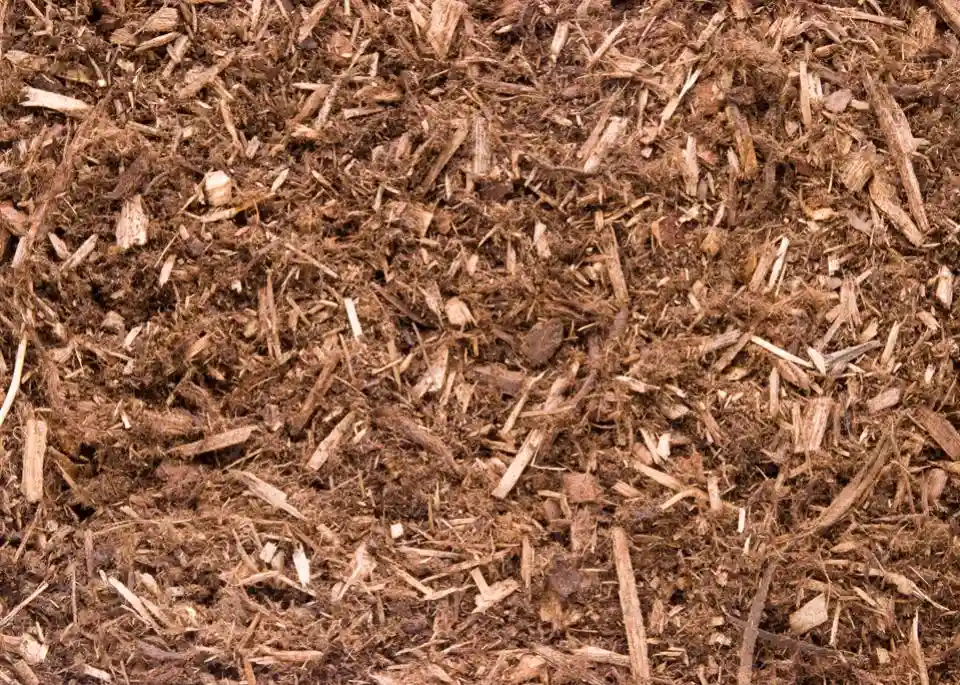
Cedar is the premium choice, and the reasons are well-documented.
Cedar bark contains a natural compound called thujone, which is toxic to termites and repels many other insects including cockroaches and odorous house ants. Studies from the University of Florida and Cornell University found cedar mulch linked to termite mortality rates as high as 76% in controlled conditions.
Cedar also lasts longer than most alternatives, typically 2 to 3 years before needing full replacement. The tradeoff is cost: cedar runs around $40 to $60 per cubic yard in the US market.
Best for: garden beds near your home’s foundation, areas with known pest pressure, or homeowners looking for the lowest long-term maintenance option.
Pine Bark Mulch
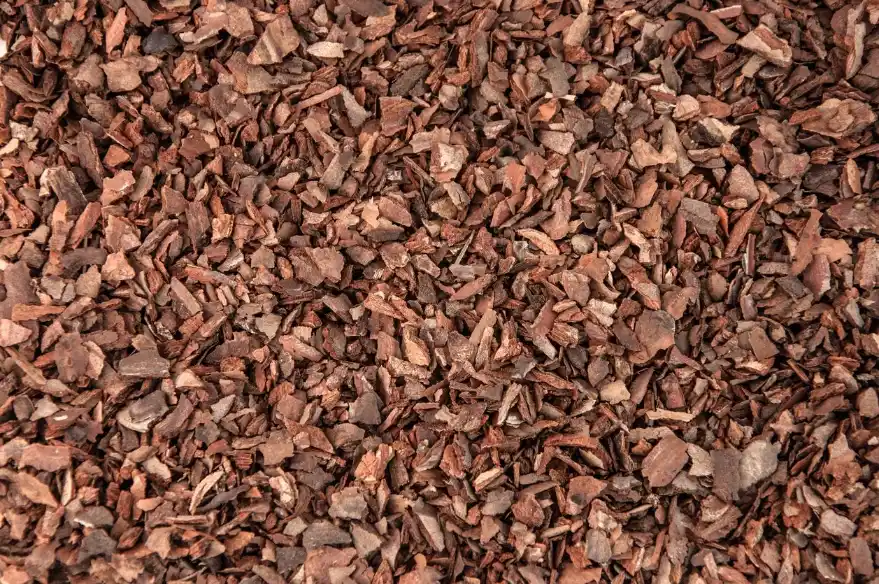
Pine bark is widely available, affordable, and an excellent choice for specific plant types.
It has a slightly acidic pH, which is ideal for acid-loving plants like blueberries, azaleas, rhododendrons, and hydrangeas. It also keeps its rich reddish-brown color longer than most other mulch types, which helps landscaped beds look sharp between seasons.
Pine bark lasts around 3 to 4 years before needing full replacement, making it one of the longer-lasting organic mulch options. The downside is that it is lightweight. In high-wind areas or on steep slopes, it can shift or blow away after application.
Cost: around $30 to $50 per cubic yard.
Best for: beds with acid-loving plants and areas with moderate, stable weather conditions.
Shredded Hardwood Bark
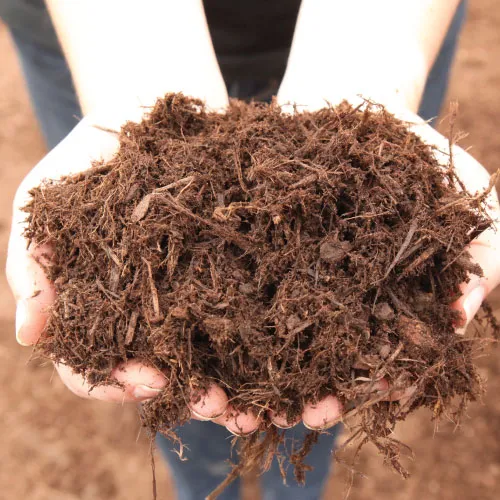
Shredded hardwood is the most popular all-around option for US homeowners, and for good reason.
It holds moisture exceptionally well, stays in place even on slopes, and breaks down faster than cedar or pine, meaning it enriches your soil more quickly. According to UNH Extension, shredded hardwood is also excellent at suppressing weeds and does not wash away easily compared to other organic mulch types.
The tradeoff for that faster decomposition is that it needs refreshing more frequently. Plan to top it up with about an inch annually and fully replace every 2 to 3 years. It is also the most budget-friendly option, starting around $25 to $45 per cubic yard.
Best for: general garden beds, tree rings, mixed plantings, and most US climates.
Cedar vs Pine vs Hardwood: Quick Comparison
| Feature | Cedar | Pine Bark | Hardwood |
|---|---|---|---|
| Cost (per cu yd) | $40 to $60 | $30 to $50 | $25 to $45 |
| Longevity | 2 to 3 years | 3 to 4 years | 1 to 2 years |
| Pest Resistance | High (repels termites) | Low | Low |
| Soil pH Effect | Neutral | Slightly acidic | Neutral |
| Stays on Slopes | Yes | Moderate | Yes |
| Best Use | Near foundations, pest-prone beds | Acid-loving plants | General garden beds |
Does Shredded Bark Mulch Attract Termites?
This is one of the most common concerns US homeowners bring up, and it deserves a direct answer.
Shredded bark mulch does not directly attract termites as a food source. But mulch applied too thickly or placed right against your home’s foundation creates the moist, insulated conditions that subterranean termites are always searching for.
Here is how to protect your home while still getting the benefits of mulching:
- Keep all mulch at least 12 to 18 inches away from your home’s foundation or any wooden structures.
- Never exceed 3 to 4 inches of depth near buildings.
- Choose cedar mulch for beds closest to your home if termites are active in your region.
- Inspect mulched areas a few times per year for mud tubes or damaged wood, which are early signs of termite activity.
Simple precautions go a long way here.
Where to Buy Shredded Bark Mulch Near You
You have several solid options depending on the size of your project.
Local garden centers and nurseries typically carry the freshest product and staff who can advise on the best type for your specific plants and local climate. Big box stores like Home Depot and Lowe’s are convenient for small bagged purchases and one-off projects.
For larger projects, a local landscaping supplier or bulk mulch yard will almost always give you better pricing and fresher material delivered directly to your property.
When buying, always check that the mulch smells earthy and fresh, similar to damp wood or a forest floor. If it has a sour, vinegary, or alcohol-like smell, it may be what landscapers call sour mulch. Sour mulch forms when bark is stored in large piles without enough airflow, causing it to ferment. It can burn plants and damage your lawn. If you end up with it, spread it out thin and let it air out for 24 to 48 hours before applying it to your beds.
Frequently Asked Questions About Shredded Bark Mulch
How often should I replace shredded bark mulch?
It depends on the type you use. Shredded hardwood mulch benefits from annual refreshing, adding about 1 inch on top of existing mulch, with full replacement every 2 to 3 years. Pine bark mulch lasts longer at 3 to 4 years before needing full replacement. Cedar falls in between at around 2 to 3 years. LawnStarter’s replacement guide covers this in more detail if you want to dig deeper.
Is shredded bark mulch safe for vegetable gardens?
Yes, with one key condition. Use aged or partially decomposed bark rather than fresh bark in vegetable beds. Fresh bark can temporarily affect soil nitrogen levels and pH during the early breakdown stage, which can stress your vegetables. Aged bark adds nutrients without those risks.
Does shredded bark mulch attract termites?
Mulch itself does not attract termites as a primary food source. However, thick mulch layers or mulch placed against wooden structures creates moist conditions that termites prefer. Keep mulch 12 to 18 inches from your foundation and choose cedar mulch near your home if termite pressure is a concern. The Terminix resource on mulch and termites is a great place to learn more.
What is the difference between shredded bark mulch and wood chips?
Shredded bark has a fine, fibrous texture that interlocks on application, making it ideal for garden beds and sloped areas. Wood chips are chunkier, last longer, and work better for pathways and around larger trees. For weed suppression and moisture retention in planted beds, shredded bark mulch generally outperforms wood chips. Iowa State Extension has a helpful breakdown of both types.
How deep should shredded bark mulch be applied?
Apply 2 to 3 inches for most garden beds. Go up to 4 inches if weed suppression is your main priority. Never exceed 4 inches total, as this can suffocate plant roots, restrict water infiltration, and create pest-friendly conditions around your plants.
Key Takeaways
- Shredded bark mulch saves water, suppresses weeds, regulates temperature, and feeds your soil as it breaks down.
- Apply 2 to 4 inches deep, keep it away from stems and trunks, and refresh the layer annually.
- Cedar is the best choice for pest resistance, pine works best for acid-loving plants, and hardwood is the top pick for general use across most US landscapes.
- Buying mulch in bulk is up to 35% cheaper than bagged mulch for projects larger than a few small beds.
- Keep all mulch 12 to 18 inches away from your home’s foundation to reduce termite risk.
Whether you are maintaining an established garden or starting from scratch this season, shredded bark mulch is one of the simplest and most effective upgrades you can make for your outdoor space. If you want help picking the right type for your specific yard, soil type, and region, reach out to a local lawn care professional who can walk your property and give you a personalized recommendation.
References and External Resources
- Iowa State University Extension: Using Mulch in the Garden
- CSU Extension: Mulching Best Practices
- University of New Hampshire Extension: Garden Mulches Fact Sheet
- UC IPM: Weed Management in Landscapes
- ResearchGate: Water Retention Ratios of Pine Bark Mulch Study
- LawnStarter: Mulch Cost Guide 2026
- LawnStarter: How Often Should You Replace Mulch?
- Terminix: Does Mulch Attract Termites?
- Gardening Know How: Pine Bark Mulch Uses and Benefits
- AgriLife Today (Texas A&M): Managing Weeds with Mulch
- Frontiers in Agronomy: Mulching and Soil Moisture Research
About Author
Khalid Fazal is a seasoned lawn care specialist and horticultural researcher with over 15 years of hands-on experience transforming challenging landscapes into lush, resilient green spaces. His journey didn’t start in a lab, but in a backyard full of stubborn, cracked clay that “experts” said would never grow a healthy blade of grass. Refusing to accept a yard full of dust, Khalid spent years experimenting with organic soil restoration and precise mulching, eventually turning that wasteland into a neighborhood showpiece on a shoestring budget.
From mastering core aeration techniques to optimizing soil pH for specialized turf varieties, Khalid’s approach combines old-school grit with modern agronomic science. He founded Gen Lawn to provide homeowners with honest, research-backed advice that prioritizes long-term soil health over quick-fix chemical solutions. When he isn’t analyzing soil profiles, he’s developing precision tools to help others achieve professional results without the professional price tag.

Lawn Winterizer: When to Apply by Grass & Region [2026]
Table of Contents Home / By Khalid Fazal | Updated:...
Read More
Spring Lawn Care: What to Do and When in Every US Region
Table of Contents Home / By Khalid Fazal | Updated:...
Read More
Lawn Maintenance Checklist by Season and Grass Type (2026)
Table of Contents Home / By Khalid Fazal | Updated:...
Read More
Liquid Fertilizer vs Granular Fertilizer: Which Wins?
Table of Contents Home / By Khalid Fazal | Updated:...
Read More