
Late Summer Lawn Care: The Complete Guide to a Healthy, Fall-Ready Lawn
Look at your lawn right now. If it looks a little rough, a little thin, or just tired, you are not imagining it.
Late summer is one of the hardest seasons a lawn goes through. The heat has been relentless. The rain has been inconsistent. And underneath the surface, compacted soil, hungry grubs, and spreading weeds are quietly doing damage you may not even see yet.
Here is the thing: most homeowners ease off lawn care in August and September because things look slow. But that is exactly the wrong move.
Late summer is actually your most important maintenance window of the year. The steps you take right now determine how your lawn looks all fall and into next spring. This guide covers everything you need to know about late summer lawn care, from mowing and watering to aeration, overseeding, and pest control, all backed by research from university extension programs and lawn care experts across the US.
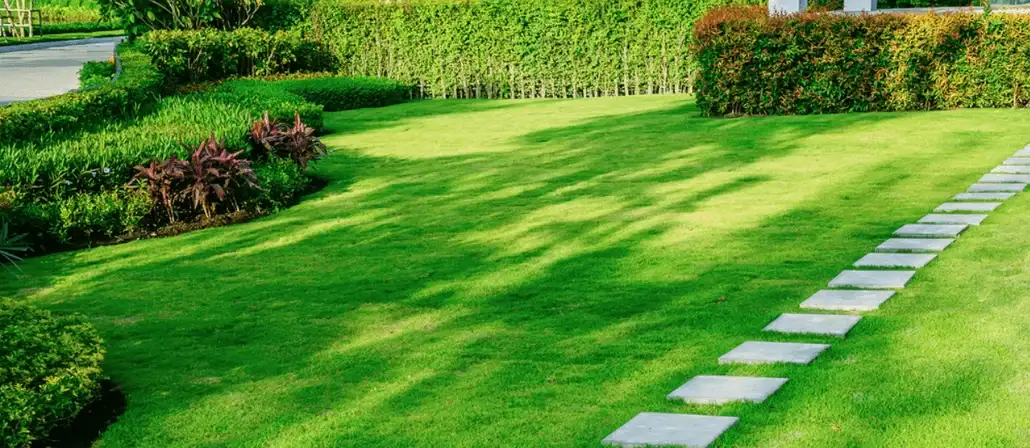
Why Late Summer Is the Most Important (and Most Overlooked) Window for Lawn Care
What Is Happening to Your Lawn Right Now
Your lawn is under more stress than it looks. High temperatures slow root growth, reduce moisture retention in the soil, and push grass into survival mode. Foot traffic over summer compacts the soil, cutting off airflow and water penetration to the roots.
On top of that, weeds like crabgrass and dandelions are setting seed right now. If you let them go, you are giving them a head start for spring.
According to Iowa State University Extension, late summer and fall provide the ideal window to revive stressed lawns and build healthier turf for the next growing season. But only if you act.
Is Your Lawn Dead or Just Dormant? Here Is How to Tell
This is one of the most common late summer questions homeowners ask, and the answer matters a lot.
Dormancy is a natural survival response. Cool-season grasses like Kentucky bluegrass and tall fescue go brown in extreme heat to conserve energy. According to Purdue University Extension, dormant grass can survive up to 4 to 6 weeks without water before it actually starts to die. It looks dead, but it is not.
Here is how to tell the difference:
- Dormant grass: Browning is uniform across the lawn. Grass stays firmly rooted when you tug it. You may see green or cream color at the crown (the base of the grass blade near the soil surface).
- Dead grass: Pulls out easily with no resistance. No green anywhere near the crown. Dry and brittle throughout.
- Grub damage: Turf lifts like a loose carpet. You may notice birds, skunks, or raccoons digging up sections of your yard.
If you suspect grubs, cut out a 12-inch square of turf and check the soil beneath. One to three grubs per square foot is acceptable. Five or more means you should consider treatment. Ten or more is a significant infestation that needs immediate action. Learn more about identifying and treating grub damage before it gets worse.
Late Summer Lawn Care Tasks: What to Do and When
Mowing: Keep It High, Keep It Sharp
In late summer, the single most important mowing rule is this: do not cut too short.
Keep your mower blade at 3 inches during late summer. Taller grass shades the soil, holds in moisture, and protects roots from heat. It also naturally crowds out weed seedlings.
Always follow the one-third rule: never remove more than one-third of the grass blade in a single mow. Cutting more than that shocks the plant and piles stress onto already stressed turf.
Also, sharpen your mower blades regularly. Dull blades tear the grass instead of cutting it cleanly, leaving ragged tips that are more vulnerable to disease.
Watering Your Lawn the Right Way in Late Summer
Your lawn needs about 1 inch of water per week in late summer, counting rainfall. But the key is not how much you water. It is how you water.
Water deeply and infrequently rather than a little every single day. Deep watering encourages roots to grow downward into the soil, making the grass far more drought-resistant over time. Shallow daily watering keeps roots near the surface where they dry out fast.
Always water in the early morning. This gives the grass time to absorb moisture before the heat increases evaporation. Evening watering leaves grass wet overnight, which promotes fungal lawn diseases like brown patch and dollar spot.
Not sure if your lawn needs water? Use the finger test: push your finger about 2 inches into the soil. If it feels dry, it is time to water.
Should You Fertilize in Late Summer?
The answer depends on your grass type and the current weather conditions.
For cool-season grasses, late summer into early fall is actually the best time to fertilize. As temperatures cool, grass comes out of its semi-dormant state and is ready to absorb nutrients. Use a slow-release fertilizer with a balanced N-P-K ratio (nitrogen, phosphorus, and potassium). A blend around 25-5-10 works well, supporting root and blade strength without pushing excessive soft growth that stresses the plant.
For warm-season grasses, ease off nitrogen as summer wraps up. These grasses are heading toward dormancy and do not need a feeding push right now.
One rule that applies to both: do not fertilize during a heat wave or drought. Fertilizer applied to dry, stressed grass can burn your lawn and cause more damage than it prevents. Wait for temperatures to cool or for consistent rain to return.
Weed Control Before Fall Sets In
But wait, here is something most people miss: late summer is actually one of the best times to go after weeds, because they are actively growing and more vulnerable to treatment.
Target broadleaf weeds like dandelions, clover, plantain, and thistle with a selective post-emergent herbicide while they are still growing strong. Eliminating them now also reduces the number of seeds they drop before winter, which means fewer weeds popping up next spring.
One important note: avoid broadcast herbicide applications during heat waves. High temperatures can cause the chemicals to volatilize and harm your grass. Spot-treat problem areas instead, and always apply during the cooler morning hours.
Aeration and Overseeding: The Late Summer Power Move
Why Aeration in Late Summer Is So Effective
Core aeration is one of the highest-impact things you can do for your lawn. It involves removing small plugs of soil (about 3/4 inch in diameter and 3 inches deep) to allow air, water, and nutrients to reach the root zone more effectively.
Aim for 20 to 40 holes per square foot. Most homeowners need to make several passes with a core aerator to hit that target consistently. The best window for aeration is mid-August to early September. Aerating now gives the grass enough growing time to recover before temperatures drop in fall. For clay soils or high-traffic lawns, aerating once a year is a smart habit.
How to Overseed for a Thicker Fall Lawn
Right after aeration is the perfect time to overseed. The holes from aeration create direct contact between the seed and the soil, which is critical for strong germination.
The ideal overseeding window is mid-August to mid-September, which is about 5 to 6 weeks before your area’s first expected frost. Warm soil temperatures (60 to 70 degrees Fahrenheit) combined with cooler air temperatures create perfect conditions for seed establishment.
After seeding, topdress with compost or quality topsoil to improve moisture retention around the seeds. Water lightly and consistently until the new grass establishes, then gradually shift back to your deep, infrequent watering routine.
Grub Control: Do Not Skip This Step
Late summer to early fall is the best window to treat for white grubs because they are young, small, and close to the surface where treatments reach them most effectively.
If you are seeing signs of grub activity (spongy turf, patches lifting like a rug, wildlife digging) or your count reaches 5 or more grubs per square foot, apply a curative grub control product right away. Always follow label instructions carefully and water the product in after application for best results.
Late Summer Lawn Care by Grass Type
Cool-Season Grasses (Kentucky Bluegrass, Tall Fescue, Perennial Ryegrass)
These grasses thrive in spring and fall but slow down or go semi-dormant during peak summer heat. Late summer is your prime recovery window.
Key late summer care tips for cool-season lawns:
- Begin overseeding when soil temps reach 60 to 70 degrees Fahrenheit
- Resume fertilizing as air temperatures cool below 85 degrees Fahrenheit
- Mow at 3 to 3.5 inches to protect the root zone
- Continue mowing until daytime highs consistently drop below 50 degrees Fahrenheit
Warm-Season Grasses (Bermuda, Zoysia, St. Augustine)
Warm-season grasses handle summer heat well, but late summer signals the beginning of the seasonal wind-down toward dormancy.
Key late summer care tips for warm-season lawns:
- Maintain the recommended mowing height for your grass type (Bermuda: 1.5 to 2 inches; Zoysia: 1 to 2 inches; St. Augustine: 3 to 4 inches)
- Hold off on heavy nitrogen applications after mid-August to avoid pushing soft new growth before dormancy
- Water consistently but avoid overwatering as the growing season slows
- Watch closely for chinch bug activity in St. Augustine lawns, which tends to spike in late summer heat
Late Summer Lawn Care Checklist
Here is your quick reference for every task this season:
| Task | When to Do It |
|---|---|
| Raise mower blade to 3 inches | Right now |
| Water 1 inch per week (early morning) | Ongoing through fall |
| Spot-treat broadleaf weeds | Now through early September |
| Soil test (target pH 6.0 to 7.0) | Late August |
| Core aerate | Mid-August to early September |
| Overseed bare or thin spots | Mid-August to mid-September |
| Apply slow-release fertilizer (cool-season only) | When temps cool below 85 degrees |
| Check and treat for grubs (5 or more per sq ft) | Late August through September |
| Dethatch if thatch exceeds 1/2 inch | Mid-August to early September |
Frequently Asked Questions About Late Summer Lawn Care
How Often Should I Water My Lawn in Late Summer?
Aim for 1 inch of water per week total, including any rainfall. Water deeply 1 to 2 times per week rather than lightly every day. Early morning is the best time. Use the finger test: push two fingers 2 inches into the soil and if it feels dry, it is time to water.
Can I Overseed My Lawn in August?
Yes, absolutely. Mid-August to mid-September is the best time to overseed cool-season lawns in most of the US. Soil temperatures are warm enough for fast germination (60 to 70 degrees Fahrenheit) while air temperatures are starting to cool down. Always aerate before overseeding for the best seed-to-soil contact. Warm-season grasses should not be overseeded in late summer.
What Are the Signs My Lawn Is Dormant vs. Dead?
Dormant grass browns uniformly, stays rooted when tugged, and often has green or cream-colored crowns at the base of the blade. Dead grass pulls out easily with no resistance and feels completely dry and brittle. If large sections lift like a carpet with no rooting at all, grub damage may be the cause. When in doubt, water consistently for two to three weeks and watch closely for any green recovery pushing through.
When Should I Stop Fertilizing in Late Summer?
For cool-season grasses, late summer is actually a great time to fertilize as temperatures begin to cool. Stop applying nitrogen-heavy fertilizer about 6 weeks before the first expected frost in your area. For warm-season grasses, hold off on heavy nitrogen after mid-August to avoid pushing soft new growth before the grass heads into dormancy.
Should I Aerate My Lawn in Late Summer?
Yes. Mid-August to early September is one of the best aeration windows, especially for cool-season lawns. The soil is still warm, the grass is actively growing, and there is enough time before winter for the lawn to fully recover. Aeration also sets up your lawn perfectly for overseeding, which should follow right after.
Your Late Summer Lawn Care Action Plan
Late summer lawn care does not have to be overwhelming. Here are the key takeaways to remember:
- Mow at 3 inches and never remove more than one-third of the blade at a time
- Water 1 inch per week in the early morning, deeply and infrequently
- Aerate between mid-August and early September for maximum impact
- Overseed immediately after aeration while soil temperatures are still warm
- Fertilize cool-season grasses as temperatures start to drop
- Spot-treat weeds now to reduce spring germination
- Check for grubs and treat if you find 5 or more per square foot
Pick one task from this list and start this weekend. The effort you put into your lawn right now will show up as thicker, greener, healthier grass all through fall and well into next spring.
Sources and Further Reading
- Iowa State University Extension: Late Summer and Fall Lawn Care
- University of Kentucky Horticulture: Late Summer Lawn Care
- Andersons Lawn: End of Summer Lawn Care Guide
- Nature Hills: Late Summer Lawn Grass Care
- LawnStarter: How to Treat a Heat-Stressed Lawn
- University of Minnesota Extension: Core Aeration
- GrowTrax: Signs of Summer Lawn Stress
About Author
Khalid Fazal is a seasoned lawn care specialist and horticultural researcher with over 15 years of hands-on experience transforming challenging landscapes into lush, resilient green spaces. His journey didn’t start in a lab, but in a backyard full of stubborn, cracked clay that “experts” said would never grow a healthy blade of grass. Refusing to accept a yard full of dust, Khalid spent years experimenting with organic soil restoration and precise mulching, eventually turning that wasteland into a neighborhood showpiece on a shoestring budget.
From mastering core aeration techniques to optimizing soil pH for specialized turf varieties, Khalid’s approach combines old-school grit with modern agronomic science. He founded Gen Lawn to provide homeowners with honest, research-backed advice that prioritizes long-term soil health over quick-fix chemical solutions. When he isn’t analyzing soil profiles, he’s developing precision tools to help others achieve professional results without the professional price tag.

Lawn Winterizer: When to Apply by Grass & Region [2026]
Table of Contents Home / By Khalid Fazal | Updated:...
Read More
Spring Lawn Care: What to Do and When in Every US Region
Table of Contents Home / By Khalid Fazal | Updated:...
Read More
Lawn Maintenance Checklist by Season and Grass Type (2026)
Table of Contents Home / By Khalid Fazal | Updated:...
Read More
Liquid Fertilizer vs Granular Fertilizer: Which Wins?
Table of Contents Home / By Khalid Fazal | Updated:...
Read More