
Low Maintenance Florida Landscaping Ideas That Work With the Climate, Not Against It
You just got your water bill. Again.
The sprinklers ran every other day, the lawn still looks half-dead, and the weekend you planned to spend relaxing somehow turned into four hours of pulling weeds in 94-degree heat.
Sound familiar?
Here is the thing most Florida homeowners never realize: the problem is not your effort. The problem is that traditional landscaping was designed for cooler, wetter climates. It was never built to survive Florida’s sandy soil, relentless sun, and summer humidity. Every week you spend fighting the lawn, the lawn is fighting back.
The good news? Florida’s natural ecosystem is one of the most biodiverse in the country. When you swap fighting-the-climate plants for ones that love it here, your yard practically runs itself.
In this guide, you will find 7+ proven low maintenance Florida landscaping ideas that actually hold up, with specific plant names, pro tips backed by the University of Florida IFAS Extension, real data, and everything you need to build a beautiful yard without sacrificing your weekends.
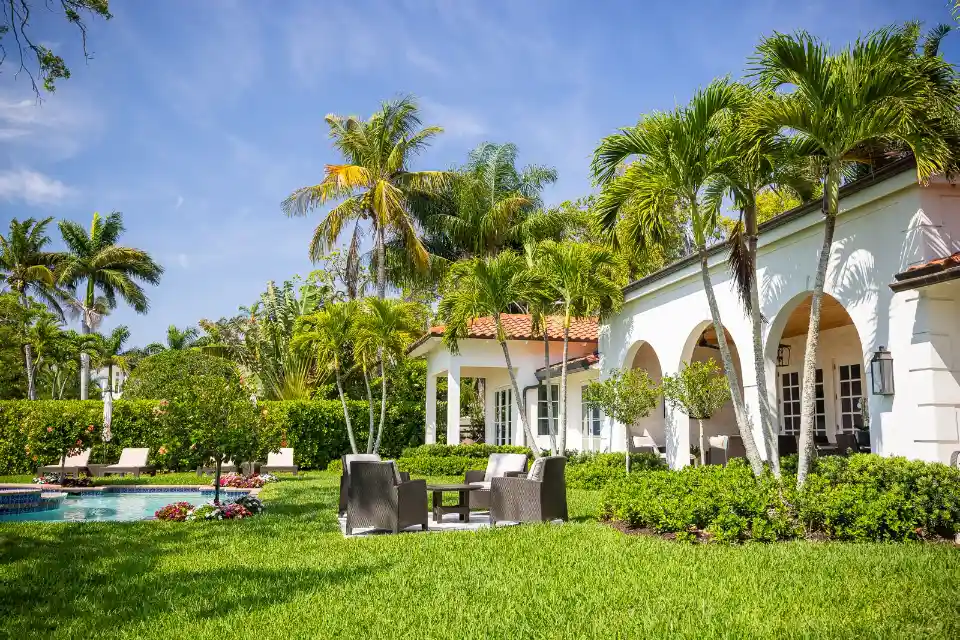
Why Florida Is Actually Perfect for Low Maintenance Landscaping
Before jumping into the ideas, let’s clear something up.
The Climate Myth Most Florida Homeowners Believe
Most people assume Florida’s heat and humidity make landscaping harder. It does, but only if you plant the wrong things.
Species like St. Augustinegrass and boxwood hedges need constant water, fertilizer, and trimming to survive here. They are not built for this climate. Swap them out for plants that evolved in Florida’s own ecosystem and the story changes completely.
Native plants have spent thousands of years adapting to Florida’s sandy soil, seasonal droughts, and intense sun. They know what they are doing. You just need to let them.
What Florida-Friendly Landscaping Actually Means
The Florida-Friendly Landscaping (FFL) program, developed by the University of Florida, is built around one core idea: the right plant in the right place. It uses nine principles designed to help homeowners create yards that look great, use less water, and reduce chemical runoff into waterways.
Here is why this matters for you specifically. Florida Statute 373.185 actually protects homeowners who install Florida-Friendly landscapes, even in HOA communities. That means your low maintenance yard is not just smart gardening. It is legally protected from HOA interference.
And the numbers back it up. Applying xeriscaping principles (drought-tolerant plants combined with smart irrigation) can cut your outdoor water use by up to 50% compared to a traditional landscape.
Low Maintenance Florida Landscaping Ideas for the Front Yard
Your front yard sets the tone for your entire property. It also has to survive HOA scrutiny, foot traffic, and full sun every single day. Here is how to nail it without the upkeep.
Replace High-Maintenance Grass Borders With Native Groundcovers
Groundcovers are one of the smartest low maintenance Florida landscaping moves you can make, especially along borders and under trees where grass always struggles.
Plants like Coontie (Florida’s only native cycad), Asiatic Jasmine, and Perennial Peanut spread naturally to fill space, suppress weeds without herbicide, and need almost no mowing. Once established, they look intentional and polished all year long.
Perennial Peanut deserves a special mention. It produces cheerful yellow flowers, stays low to the ground, and handles both drought and heavy Florida rain with equal ease. It is the kind of plant that makes your neighbors ask how you keep your yard looking so good when they never see you out there working.
Drought-Tolerant Shrubs That Look Polished Year-Round
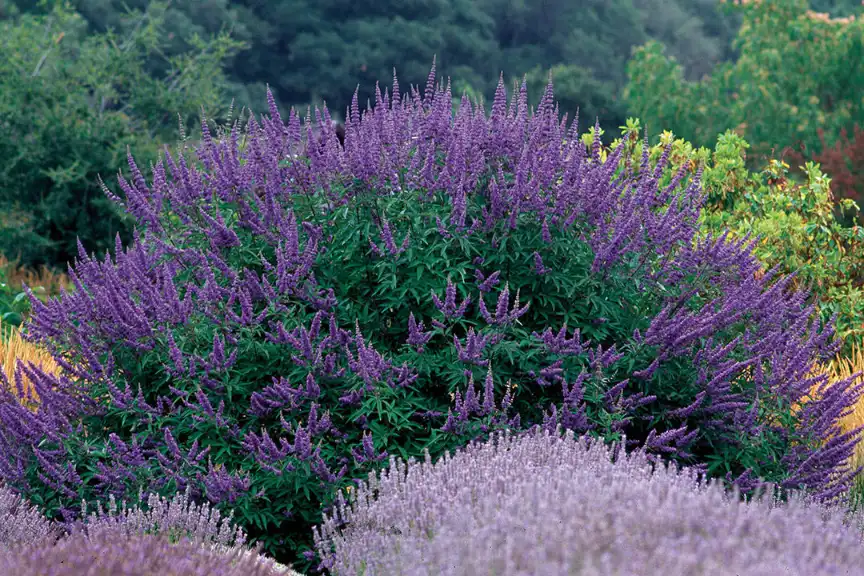
A few well-chosen shrubs give your front yard structure without turning into a trimming project every two weeks.
Good options that perform exceptionally well in Florida include:
- Dwarf Yaupon Holly: Native, compact, and incredibly tough. It holds its shape with minimal pruning and thrives in almost any Florida soil.
- Firebush (Hamelia patens): Produces vivid orange-red flowers that attract hummingbirds and butterflies. It grows quickly, handles intense heat, and needs very little attention once established.
- Lantana (native varieties): Bright blooms, drought-tolerant, and almost impossible to kill once established. Just make sure you choose sterile or native varieties, not the invasive hybrid types that can spread into natural areas.
The best part? All three are FFL-approved, which means they count as Florida-Friendly under the law that protects your landscaping choices from HOA restrictions.
Use Rock Beds and Mulch to Create Clean, Defined Structure
Here is a simple trick that makes a big visual impact for almost zero ongoing maintenance.
Define your garden beds with a clean edge, fill them with 3 inches of organic mulch, and you have just solved your weed problem for the next several months. Mulch retains soil moisture, regulates soil temperature in Florida’s extreme heat, and creates that crisp, put-together look that holds up beautifully through rainy season.
For a more permanent version, consider Mexican beach pebbles, coquina rock (Florida’s native limestone), or decomposed granite. These materials are installed once and last indefinitely. No replacing them season after season. No weeding through them if you lay landscape fabric underneath first.
Backyard Low Maintenance Florida Landscaping Ideas
The backyard is where most homeowners actually spend their time. The goal here is to create a space that looks great and functions well without turning into a weekly chore.
Native Trees That Give Shade Without the Mess
Not all shade trees are created equal in Florida. Some drop messy fruit or seeds, some have invasive root systems, and some need constant trimming to stay manageable.
These three are genuinely different:
- Live Oak (Quercus virginiana): The heavyweight champion of Florida shade trees. Drought-tolerant, wind-resistant, and built to last for generations. Yes, it drops some leaves, but it is a slow and manageable process compared to most alternatives.
- Sabal Palm: Florida’s state tree for a very good reason. It is self-cleaning (old fronds drop naturally on their own), salt-tolerant, and handles hurricane-force winds better than almost any other tree in the state.
- Bottlebrush Tree (Callistemon): A smaller option with striking red flowers that bring hummingbirds in droves. Drought-tolerant, low-pruning, and perfectly scaled for average-sized backyards.
A good rule to follow: always choose slow-growing trees. Slow growth means less trimming now and less mess over the long term.
Ditch the Grass Entirely: No-Mow Lawn Alternatives
This might be the single most liberating option on this entire list.
A growing number of Florida homeowners are replacing all or part of their turfgrass with no-mow lawn alternatives, and the results are impressive. Plants like Asiatic Jasmine, Sunshine Mimosa, and Coontie create a green, lush-looking yard that needs zero mowing, minimal irrigation, and almost no fertilizer once established.
What about artificial turf? It works well in specific high-traffic spots like dog runs, side yards, or small areas around a pool. However, in Florida’s full summer sun, artificial turf can reach surface temperatures of 150 degrees or higher, making it uncomfortable and impractical as a large-area solution. Use it strategically, not as a whole-yard replacement.
Smart Hardscaping That Eliminates Entire Mowing Zones
Hardscaping refers to any non-plant landscape element: patios, walkways, retaining walls, and decorative stone areas. The logic is refreshingly simple. Every square foot you cover with pavers or gravel is a square foot you never mow, water, or weed again.
For Florida specifically, choose materials that handle heat and moisture without cracking or shifting. Travertine and flagstone perform well across Florida’s climate zones. Permeable pavers are especially smart here because they allow rainwater to drain through instead of pooling, which matters a great deal during Florida’s summer rainy season.
Pair a paver patio with a few container plants and you have a setup that looks professionally designed while requiring almost zero ongoing maintenance.
Best Low Maintenance Plants for Florida Yards (By Type)
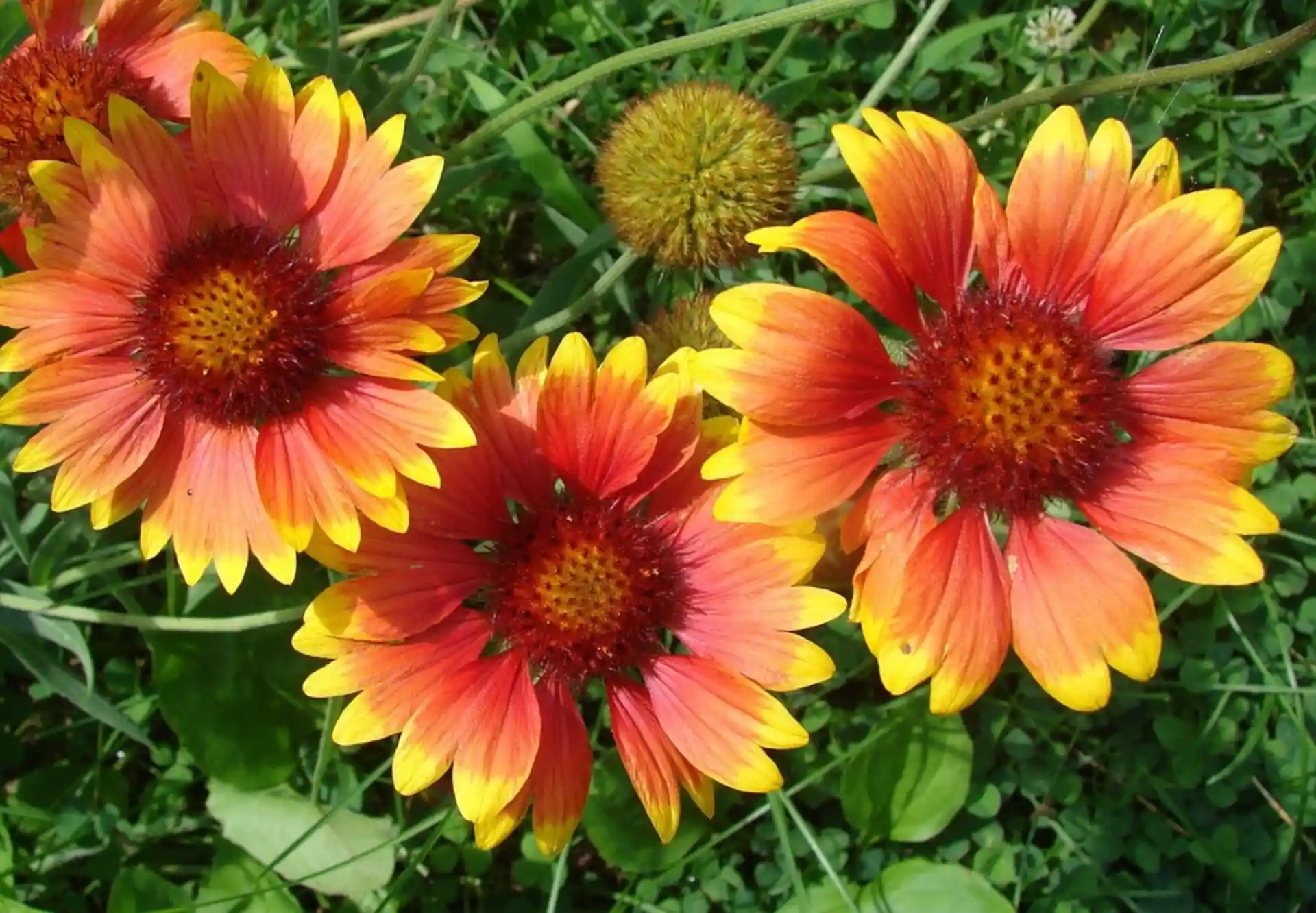
Let’s get specific. Here are the plants that consistently outperform in Florida yards with the least amount of care.
Native Flowering Plants for Color That Takes Care of Itself
- Gaillardia, also called Blanket Flower: Red and yellow blooms, full sun, drought-tolerant, and a pollinator magnet. Extremely tough and endlessly cheerful throughout the growing season.
- Black-eyed Susan (Rudbeckia): A Florida classic for a reason. Bright yellow blooms, near-zero maintenance, and thrives through the heat without complaint.
- Beautyberry (Callicarpa americana): A native shrub with understated flowers but jaw-dropping clusters of bright purple berries in fall. Adapts well to sun or partial shade and asks for almost nothing in return.
For a full region-specific list of low-maintenance flowering plants vetted for Florida’s climate, the Florida Native Plant Society maintains one of the best searchable databases available.
Native Grasses and Groundcovers That Fill Space Effortlessly
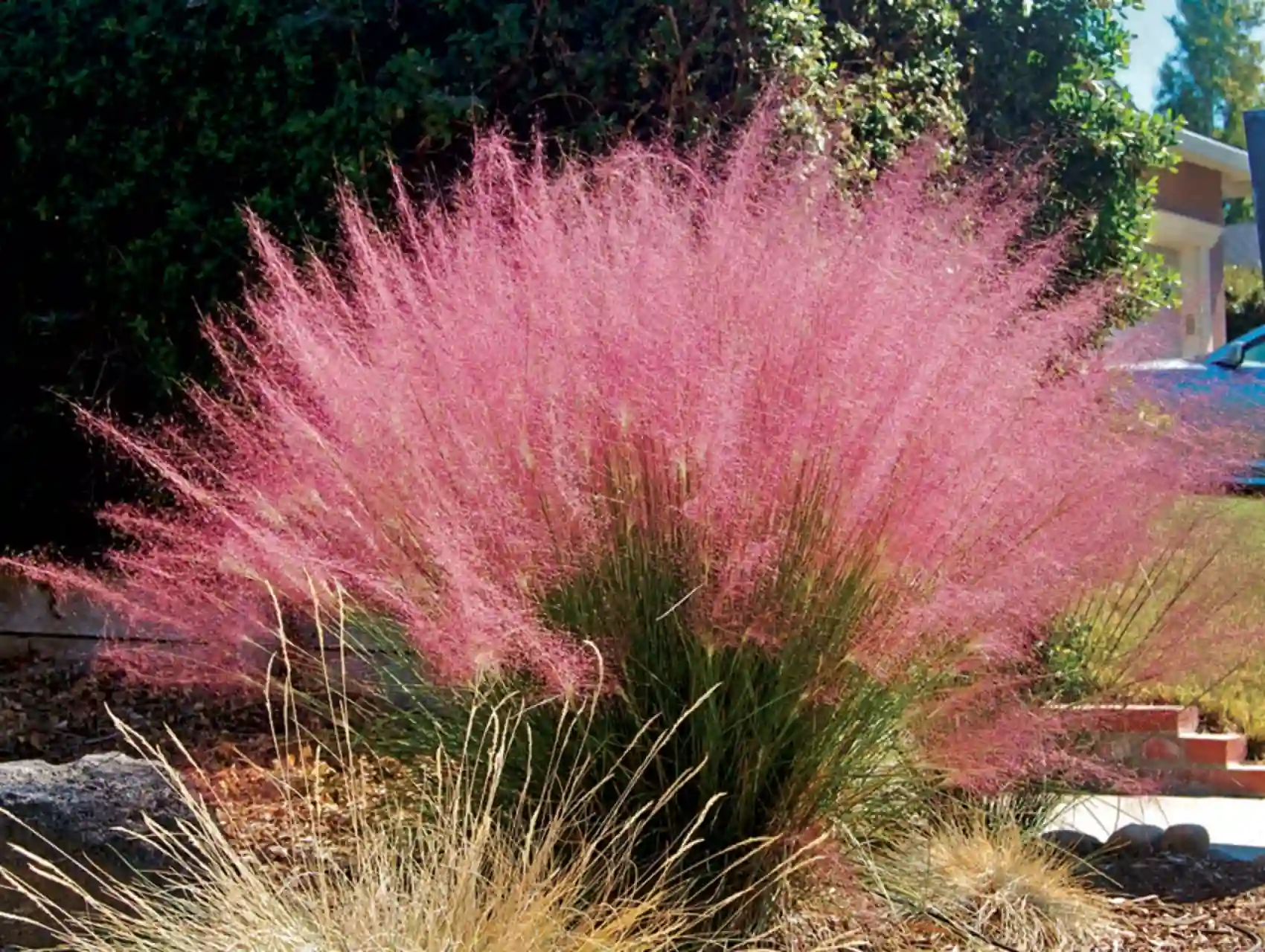
- Muhly Grass (Muhlenbergia capillaris): Arguably the most visually striking low maintenance grass in all of Florida. In fall, it produces a soft cloud of pink-purple plumes that make people stop and stare. The rest of the year, it sits quietly and needs nothing from you.
- Cordgrass (Spartina bakeri): Built for wet or low-lying areas. Performs beautifully near retention ponds, drainage swales, or any spot where other plants consistently struggle.
- Perennial Peanut: Ground-hugging, drought-tolerant, and self-spreading. It suppresses weeds, stays green in Florida heat, and happens to look polished and intentional without any work on your part.
Plants to Avoid in Florida (and What to Plant Instead)
Some plants are everywhere in Florida yards but quietly making your life harder every single week.
| Avoid | The Problem | Replace With |
|---|---|---|
| St. Augustinegrass | Extremely high water, fertilizer, and pest demands | Bahiagrass, Zoysia, or native groundcovers |
| Invasive Lantana hybrids | Can escape into natural areas and displace native species | Native Lantana camara sterile varieties |
| Privet hedges | Invasive root systems and constant trimming needs | Native Clusia or Wax Myrtle (Morella cerifera) |
| Non-native flowering annuals | Must be replanted each season, high water needs | Native Gaillardia or Black-eyed Susan |
The UF/IFAS Extension maintains a vetted list of over 330 low-maintenance plants for South Florida that is absolutely worth bookmarking before your next nursery visit.
5 Pro Tips to Keep Your Florida Landscape Looking Sharp With Minimal Effort
You have chosen the right plants. Now let’s make sure they thrive with the absolute least amount of work.
Install a Smart Drip Irrigation System (Set It Once)
Drip irrigation delivers water directly to the root zone of each plant instead of spraying it across an entire lawn. In Florida’s sandy soil, this matters because water drains downward very quickly. Standard sprinkler systems waste a significant portion of what they put out to evaporation and surface runoff before any of it reaches the roots.
Here is something many homeowners do not know: Florida law requires rain sensor devices on all new irrigation system installations. These sensors shut your sprinklers off automatically when it rains. If you have an older system without one, adding a rain sensor is a quick, low-cost upgrade that makes a noticeable difference in your monthly water bill.
Mulch Like a Pro: Florida’s Number One Weed Defense
Three inches is the magic number to remember.
A 3-inch layer of organic mulch such as pine bark, pine straw, or eucalyptus mulch will suppress weeds for months, retain soil moisture through Florida’s dry spells, and slowly improve soil quality as it breaks down over time. The UF/IFAS Extension recommends organic mulch over rock in most landscape beds because it adds nutrients back to Florida’s notoriously sandy and nutrient-poor soil.
One important note: never push mulch directly against plant stems or tree trunks. Leave a small gap around each base. This prevents rot and keeps your plants healthy long-term.
Know Your Florida Hardiness Zone (and Stop Fighting It)
Florida spans four distinct USDA Plant Hardiness Zones, and choosing the wrong plant for your zone is the most common and most expensive landscaping mistake Florida homeowners make.
Here is a quick breakdown:
- Zone 8b to 9a: North Florida covering Tallahassee, Gainesville, and Jacksonville. Occasional light frost in winter.
- Zone 9b: Central Florida including Orlando and Tampa. Warm winters with only rare frost events.
- Zone 10a to 10b: South Florida including Naples, Fort Lauderdale, and Miami. Year-round tropical growing conditions.
- Zone 11: Extreme South Florida and the Florida Keys. No meaningful frost, ever.
A plant that thrives and spreads beautifully in Jacksonville may struggle or even die in Miami, and vice versa. Always verify the hardiness zone rating before purchasing any plant. Matching plants to your zone means they arrive already suited to your winters, summers, and rainfall rhythms, which is the single biggest factor in long-term plant survival and low maintenance performance.
Frequently Asked Questions About Low Maintenance Florida Landscaping
What is the lowest maintenance landscaping for Florida?
A combination of Florida-native plants, organic mulch beds, and strategic hardscaping delivers the lowest maintenance landscape possible for Florida homeowners. Replacing traditional turfgrass with native groundcovers like Coontie or Perennial Peanut eliminates mowing in those areas entirely. Adding pavers or decomposed granite walkways reduces the total area that needs watering, fertilizing, or upkeep each season.
What plants require the least maintenance in Florida?
Top low maintenance performers for Florida yards include Muhly Grass, Firebush, Dwarf Yaupon Holly, Gaillardia (Blanket Flower), Black-eyed Susan, Coontie, native Lantana varieties, and Sabal Palm. These are all Florida-native or well-adapted species that require minimal watering, pruning, or fertilization once they have established their root systems. The Florida Native Plant Society offers a searchable plant database organized by Florida region, sun exposure, and water needs.
How do I landscape my Florida yard on a budget?
Start small and phase the project over time. Choose one problem area, clear existing plants, lay landscape fabric, apply 3 inches of mulch, and install three to five native groundcovers or shrubs. Native plants are often less expensive than exotic varieties and frequently available at local nurseries or through native plant sales hosted by UF/IFAS Extension offices throughout Florida. Spreading the project across one to two growing seasons keeps your upfront costs manageable while letting established plants fill in naturally.
What ground cover is best for low maintenance in Florida?
Perennial Peanut is widely considered the best all-around low maintenance ground cover for most of Florida. It is drought-tolerant, stays naturally low to the ground, produces cheerful yellow flowers, and spreads to suppress weeds without any help from you. Coontie and Asiatic Jasmine are also excellent choices depending on your available sun exposure and your specific hardiness zone. For shaded areas, Asiatic Jasmine performs especially well.
Is artificial grass a good low maintenance option in Florida?
Artificial grass works well in smaller, high-traffic areas such as dog runs, side yards, or pool surrounds where natural grass always struggles. However, in full Florida sun, artificial turf surface temperatures can climb extremely high during summer months, making large areas impractical and uncomfortable. For most yards, a thoughtful combination of native groundcovers, mulched beds, and hardscaping delivers better results, lower costs over time, and a much more comfortable outdoor environment during Florida’s hottest months.
Conclusion: Your Low Maintenance Florida Yard Starts With One Decision
Florida’s climate does not have to work against you. With the right plants and the right design approach, it becomes your greatest landscaping advantage.
Here are the key takeaways from this guide:
- Choose Florida-native plants adapted to your local soil, heat, and seasonal rainfall patterns
- Use mulch and hardscaping strategically to eliminate the highest-maintenance zones first
- Install drip irrigation with a rain sensor to cut water use and stop babysitting your sprinkler schedule
- Always match every plant to your Florida hardiness zone to avoid costly replacements down the road
- Use the Florida-Friendly Landscaping program and UF/IFAS Extension as free, science-backed resources before making any major plant purchases
Start with one section of your yard this season. Pick two or three native plants, lay fresh mulch, and watch how little work it actually takes to keep them looking great. You will wonder why you did not make the switch sooner.
Ready to transform your Florida yard into a low maintenance landscape that actually thrives? Reach out to the Gen Lawn team for expert guidance tailored to your specific Florida zone, soil type, and lifestyle.
References and External Resources
- University of Florida IFAS Extension: Low Maintenance Landscaping
- Florida-Friendly Landscaping Program (FFL)
- Florida Native Plant Society: Plant Database
- UF/IFAS: No-Mow Lawns in Florida
- UF/IFAS: 22 Ideas for a Low-Care, Low-Cost Landscape
- UF/IFAS: Low-Maintenance Landscape Plants for South Florida (330+ species)
- USDA Plant Hardiness Zone Map
- Southwest Florida Water Management District: Landscape Watering Guide
- BLG Environmental: Xeriscaping in Florida
About Author
Khalid Fazal is a seasoned lawn care specialist and horticultural researcher with over 15 years of hands-on experience transforming challenging landscapes into lush, resilient green spaces. His journey didn’t start in a lab, but in a backyard full of stubborn, cracked clay that “experts” said would never grow a healthy blade of grass. Refusing to accept a yard full of dust, Khalid spent years experimenting with organic soil restoration and precise mulching, eventually turning that wasteland into a neighborhood showpiece on a shoestring budget.
From mastering core aeration techniques to optimizing soil pH for specialized turf varieties, Khalid’s approach combines old-school grit with modern agronomic science. He founded Gen Lawn to provide homeowners with honest, research-backed advice that prioritizes long-term soil health over quick-fix chemical solutions. When he isn’t analyzing soil profiles, he’s developing precision tools to help others achieve professional results without the professional price tag.

Lawn Winterizer: When to Apply by Grass & Region [2026]
Table of Contents Home / By Khalid Fazal | Updated:...
Read More
Spring Lawn Care: What to Do and When in Every US Region
Table of Contents Home / By Khalid Fazal | Updated:...
Read More
Lawn Maintenance Checklist by Season and Grass Type (2026)
Table of Contents Home / By Khalid Fazal | Updated:...
Read More
Liquid Fertilizer vs Granular Fertilizer: Which Wins?
Table of Contents Home / By Khalid Fazal | Updated:...
Read More