
Benefits of Black Mulch: What It Actually Does for Your Lawn and Garden
You have probably stood in the mulch aisle at your local garden center, staring at that bag of jet-black mulch, wondering if it is actually worth it. It looks incredible in the display photo. But will it still look that way by July? And does it do anything genuinely useful, or is it just a cosmetic upgrade?
Here is the problem most homeowners run into. They pick mulch based on color alone, spread it around their flower beds, and call it a job well done. Then by midsummer, the beds look patchy, the weeds are creeping back in, and the mulch has faded to a washed-out gray. Frustrating, and completely avoidable.
Here is the good news. Black mulch is not just the sharpest-looking option on the shelf. When you choose the right type and apply it correctly, it works harder than almost any other mulch you can put down. It slows water loss, shuts down weed growth, regulates soil temperature, and builds healthier soil over time.
This guide breaks down exactly what black mulch does for your yard, where it works best, what the real downsides are, and how to apply it the right way from day one.
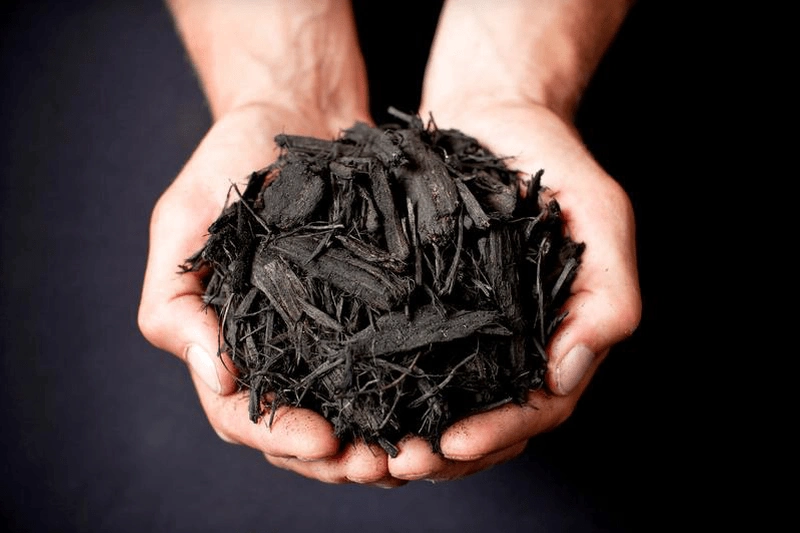
What Is Black Mulch, Exactly? (It Is Not All the Same)
Before anything else, it helps to understand what you are actually buying. Not all black mulch is the same product, and the type you choose will affect how long it lasts, how it looks, and what it does for your soil underneath.
Dyed Organic Black Mulch
This is the most common type you will find at a garden center or landscaping supplier. It is made from shredded hardwood or wood chips dyed black using either carbon-based or iron oxide colorants. Both are considered non-toxic and safe for plants, pets, and children playing in the yard.
The key difference between the two dyes comes down to longevity. Iron oxide dyes are significantly more resistant to UV exposure and weathering, meaning they hold their color longer through sun, rain, and season changes. If color retention matters to you, it is worth checking the product label before you buy.
Organic black mulch also decomposes over time. That is not a drawback. As it breaks down, it adds organic matter back into your soil and supports the microbial activity that keeps your garden thriving season after season.
Rubber and Plastic Black Mulch
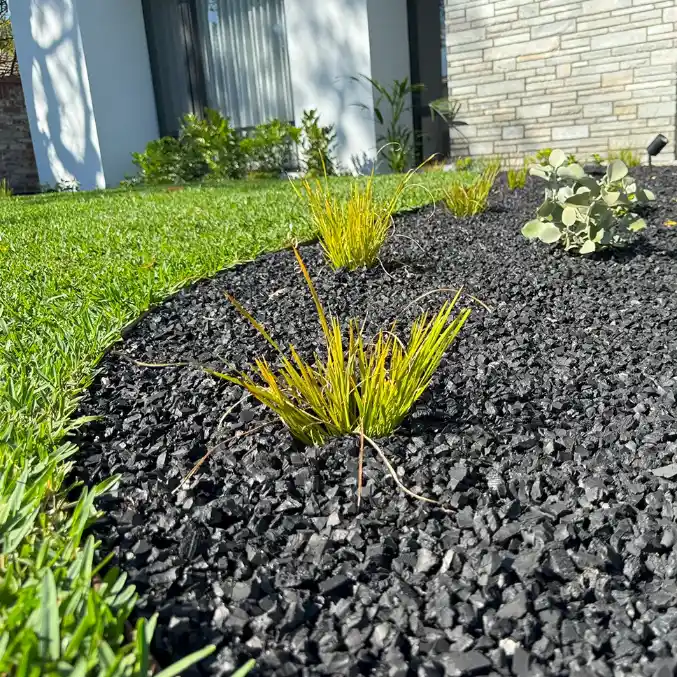
Rubber mulch is made from recycled tires and is commonly used around playgrounds and high-traffic areas. It lasts far longer than organic mulch and holds its color for years. The tradeoff is that it contributes zero nutrients to your soil, and some research has raised concerns about trace chemical compounds leaching into the ground over time.
Black plastic mulch is widely used in commercial farming and vegetable production. It is highly effective at warming soil quickly and suppressing weeds, but it does not breathe, can cause drainage issues in heavy rain, and needs to be physically removed and disposed of rather than left to break down.
For most homeowners mulching garden beds, dyed organic black mulch is the right call.
The Real Benefits of Black Mulch (Backed by Research)
Now for the part you came here for. Here is what black mulch actually does when you lay it down the right way.
It Slows Down Water Evaporation
One of the most practical benefits of black mulch is its ability to hold moisture in the soil. It acts as a physical barrier between the soil surface and the sun, dramatically reducing evaporation throughout the day. The soil stays consistently moist for longer, and you end up watering less frequently across the entire growing season.
This is especially valuable during the hot, dry stretches that hit much of the US in summer. Without mulch, bare soil can lose significant moisture within hours of watering. With black mulch properly applied, that moisture sticks around where your plants actually need it.
It Shuts Down Weed Growth
Here is something every gardener can appreciate. Black mulch blocks sunlight from reaching the soil surface, which prevents weed seeds from germinating in the first place. It works as a physical barrier, not a chemical one, which is part of what makes it safe for the environment and for use around edible plants.
For effective weed suppression, apply your black mulch at a depth of 2 to 3 inches. Any thinner and you let light through. Any deeper and you start creating a different set of problems, which we will cover in the downsides section below.
It Warms the Soil When Your Plants Need It Most
Dark surfaces absorb more heat from the sun. Black mulch puts that simple principle to work in spring and fall, when the soil is still cool and your plants are just getting established.
Research from the University of Delaware Cooperative Extension shows that black mulch raises soil surface temperatures compared to bare ground. Organic black mulch typically increases the temperature in the top few inches of soil by 8 to 12 degrees Fahrenheit. That extra warmth encourages faster germination, stronger early root development, and an extended growing season for heat-loving plants like tomatoes, peppers, and marigolds.
It Makes Your Yard Look Finished
There is a reason black mulch is the first choice for commercial landscaping and modern home designs. The rich, deep color creates a striking contrast against green foliage and brightly colored blooms, making your plants stand out in a way that brown or red mulch simply cannot match.
Black mulch pairs particularly well with homes that have light-colored exteriors such as white, cream, gray, or slate tones. If you are unsure which mulch color suits your specific yard and house, this mulch color selection guide from LawnStarter is a genuinely useful resource to review before you buy.
It also does an excellent job of concealing bare or uneven soil, giving your beds a clean, polished look without requiring much ongoing effort.
It Feeds the Soil as It Breaks Down
Organic black mulch is not just a surface treatment. Over the course of a season, it gradually decomposes and integrates into the soil beneath. This process adds organic material to the ground, improves soil structure, and encourages the earthworm and microbial activity that makes garden soil rich and productive over time.
That is a long-term payoff that rubber or plastic mulch simply cannot offer.
The Honest Downsides of Black Mulch
No mulch is perfect for every yard or every climate. Here is what you need to know before making a decision.
It Can Overheat Roots in Hot Climates
The same heat-absorbing quality that benefits your plants in spring can become a liability at the peak of summer, particularly in the Southern US. Research from the University of Delaware found that black mulch surfaces can reach dangerous temperatures during periods of intense sun and heat. While organic mulch does not get as extreme as plastic, it still runs noticeably hotter than lighter-colored alternatives.
Shade-loving plants like hostas, ferns, and astilbe are especially vulnerable when soil temperatures get too high. For these plants, and for beds that sit in full sun all day, a natural brown or cedar mulch is a safer choice.
The practical fix if you are committed to black mulch in a hot, sunny area is to apply a thinner layer (around 1.5 inches) to reduce heat buildup. You can also water more consistently during heat waves to help regulate soil temperature.
The Color Fades Faster Than You Would Expect
Most dyed black mulch fades to a muted gray within a single growing season. UV exposure gradually breaks down the colorant, especially in beds that receive direct sun for most of the day. If curb appeal and that bold black look matter to you, plan to top-dress with a fresh thin layer each spring to restore the color.
Iron oxide-dyed products fade significantly more slowly than carbon-based dyed mulch. If you are going to invest in black mulch, it is worth paying a little more for a product that holds its color through the full season.
Not All Black Mulch Is Worth Buying
The quality of black mulch varies quite a bit depending on the supplier. Some lower-cost products are made from recycled pallets or construction lumber that may have been treated with chemicals. Over time, poorly sourced mulch can introduce unwanted compounds into your soil.
When you are shopping, look for mulch made from clean hardwood and dyed with carbon-based or mineral colorants. A reputable local supplier will be able to tell you exactly what their product is made from. If they cannot, that is a sign to look elsewhere.
How to Apply Black Mulch the Right Way
Getting the application right is what separates black mulch that works from black mulch that causes headaches.
How Deep Should You Go?
The right depth for black mulch in most garden beds is 2 to 3 inches. That range gives you strong weed suppression and good moisture retention without cutting off the oxygen and water flow that your plant roots need. Going past 4 inches anywhere in your yard starts to cause problems, including root suffocation and trapped moisture that leads to rot and fungal issues.
One of the most common mistakes homeowners make is piling mulch against tree trunks and shrub stems. Landscaping professionals call this volcano mulching, and it is one of the fastest ways to damage an otherwise healthy tree. The trapped moisture softens the bark and creates conditions for rot and pest activity. Always leave a clear, mulch-free zone of at least 3 to 6 inches around tree trunks and the base of your shrubs.
When Is the Best Time to Apply It?
The two most effective windows for applying black mulch are mid-to-late spring and early fall. A spring application gets ahead of summer weed germination and helps the soil hold moisture heading into the hottest months. A fall application insulates plant roots before winter temperatures drop and protects the soil structure through freeze-thaw cycles.
You can technically apply mulch at any time of year, but those two windows give you the most return for your effort.
How Much Black Mulch Do You Actually Need?
Use this simple formula before you place an order:
(Area in square feet x Depth in inches, then divide by 12, then divide by 27) = Cubic yards needed
As a quick reference point, one cubic yard of mulch covers approximately 108 square feet at a 3-inch depth. For a 200 square foot flower bed at 3 inches deep, you would need about 1.85 cubic yards.
If you prefer a faster option, the Old Farmer’s Almanac mulch calculator lets you plug in your measurements and get a result in seconds.
Frequently Asked Questions About Black Mulch
Is Black Mulch Safe for Vegetable Gardens?
Dyed organic black mulch made with non-toxic carbon-based or iron oxide colorants is generally safe for vegetable gardens. The dye itself does not transfer to your edible plants. That said, if you are unsure about the wood source used in the product, the safer route for food gardens is to use natural cedar, untreated wood chips, or straw mulch. Save the dyed black mulch for your ornamental beds.
Does Black Mulch Attract Bugs or Pests?
Black mulch does not attract insects any more than other mulch types. The colorant has no effect on pest behavior. What does attract insects is consistently wet, thick mulch layers that create a warm, sheltered habitat. Keeping your layer at 2 to 3 inches, not piling it against plant stems, and allowing the surface to dry out slightly between waterings will keep pest activity to a minimum.
How Long Does Black Mulch Last Before Fading?
Most dyed black mulch holds its color through one full growing season. After that, it typically fades to gray as UV light breaks down the colorant. Top-dressing with about an inch of fresh black mulch each spring is enough to restore the look without starting from scratch. Iron oxide-dyed products will hold color noticeably longer than carbon-based alternatives, making them the better investment if you want less frequent refreshing.
Is Black Mulch Better Than Brown Mulch?
The answer really depends on your specific yard and goals. Black mulch delivers stronger visual contrast, slightly better heat absorption in cool climates, and works best in modern or contemporary landscape styles. Brown mulch is more adaptable for traditional or rustic designs, fades more gradually, and is less likely to cause root heat stress in warm climates. A good comparison resource is this mulch color guide from LawnStarter which walks through the differences based on home style, plant type, and regional climate.
Can Black Mulch Harm or Kill Plants?
Yes, in certain situations. The two main risks are heat buildup in full-sun beds during intense summer heat, which can stress or damage shallow-rooted and shade-loving plants, and over-application beyond 4 inches, which can suffocate roots by blocking oxygen and trapping excess moisture. Stick to the 2 to 3 inch rule, choose your application areas thoughtfully based on your plant types, and black mulch will help rather than harm your garden.
Final Thoughts
Black mulch is one of the most functional and visually impactful choices you can make for your yard. When applied at the right depth, at the right time, with a quality product from a trusted supplier, it conserves water, keeps weeds at bay, improves your soil over time, and gives your landscape a clean, finished look that holds up through the season.
A few key things to keep in mind before you buy:
- Match your mulch to your climate. In hot, sun-heavy regions, apply thinner layers or choose a lighter mulch for full-sun beds with shade-loving plants.
- Check the dye type. Iron oxide outlasts carbon-based every time.
- Source your mulch carefully. Know what the wood base is made from.
- Respect the 2 to 3 inch rule and always leave a clear zone around trunks and stems.
Ready to upgrade your yard this season? Measure your beds, run your numbers, and give black mulch a try. If you want a hand figuring out the right approach for your specific landscape, the team at Gen Lawn is happy to walk you through it.
Sources and Further Reading
- University of Delaware Cooperative Extension: Black Plastic Mulch and Soil Temperature Research
- University of Minnesota Extension: Mulching Landscapes
- Old Farmer’s Almanac: Mulch Volume Calculator
- LawnStarter: How to Choose the Right Mulch Color for Your Landscape
- Gardener’s Supply: How Much Mulch Do I Need
- USDA Natural Resources Conservation Service: Soil Organic Matter
- U.S. Geological Survey: Evaporation and the Water Cycle
About Author
Khalid Fazal is a seasoned lawn care specialist and horticultural researcher with over 15 years of hands-on experience transforming challenging landscapes into lush, resilient green spaces. His journey didn’t start in a lab, but in a backyard full of stubborn, cracked clay that “experts” said would never grow a healthy blade of grass. Refusing to accept a yard full of dust, Khalid spent years experimenting with organic soil restoration and precise mulching, eventually turning that wasteland into a neighborhood showpiece on a shoestring budget.
From mastering core aeration techniques to optimizing soil pH for specialized turf varieties, Khalid’s approach combines old-school grit with modern agronomic science. He founded Gen Lawn to provide homeowners with honest, research-backed advice that prioritizes long-term soil health over quick-fix chemical solutions. When he isn’t analyzing soil profiles, he’s developing precision tools to help others achieve professional results without the professional price tag.

Lawn Winterizer: When to Apply by Grass & Region [2026]
Table of Contents Home / By Khalid Fazal | Updated:...
Read More
Spring Lawn Care: What to Do and When in Every US Region
Table of Contents Home / By Khalid Fazal | Updated:...
Read More
Lawn Maintenance Checklist by Season and Grass Type (2026)
Table of Contents Home / By Khalid Fazal | Updated:...
Read More
Liquid Fertilizer vs Granular Fertilizer: Which Wins?
Table of Contents Home / By Khalid Fazal | Updated:...
Read More