
How to Use Black Mulch Dye to Revive Faded Beds (Complete Guide)
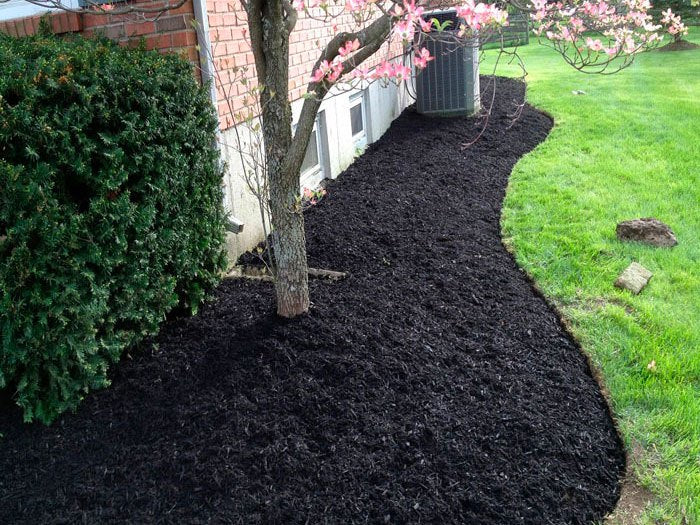
Your mulch beds looked stunning three months ago. Deep black, clean edges, sharp contrast against the green. Now? They’ve faded to a washed-out gray that makes your entire yard look neglected.
Here’s the good news: you don’t need to rip everything out and buy new bags. Black mulch dye lets you restore that rich, dark color in a single afternoon for a fraction of the replacement cost. It’s a simple DIY job that most homeowners can knock out with a garden sprayer, a few hours, and about $10 to $12 in dye concentrate.
This guide covers everything you need to get it right the first time: how the dye works, how to pick the right product for your yard, a step-by-step application walkthrough, timing by climate, and honest answers on safety and cost.
What Is Black Mulch Dye and How Does It Work?
Black mulch dye is a liquid colorant designed to bond with wood fibers in your existing mulch. You dilute it with water, spray it on, and let it dry. The pigment soaks into the mulch surface and restores the original dark color without replacing a single bag.
It’s the same type of colorant that commercial mulch producers use when manufacturing dyed mulch in bulk. The difference is that you’re applying it after the mulch is already in your beds, rather than before it’s packaged.
Water-Based vs. Carbon-Based Black Mulch Dye
Not all black mulch dyes use the same pigment. The two main types work differently and hold up differently over time.
Water-based dyes use iron oxide pigments suspended in water. They’re easier to clean up, widely available, and safe for residential use. Most consumer products you’ll find at hardware stores or online fall into this category.
Carbon-based dyes rely on carbon black pigment, which penetrates wood fibers more deeply. That deeper bond means better UV resistance and longer-lasting color. Carbon black is the reason high-end black mulch holds its color longer than red or brown alternatives.
Here’s the practical takeaway: carbon-based formulas cost a bit more but fade slower. Water-based formulas are cheaper and perfectly fine for annual touch-ups.
Why Mulch Fades and Loses Its Black Color in the First Place
Mulch doesn’t stay black forever because UV radiation from sunlight breaks down the pigment bonds on the wood surface. Rain accelerates this by washing loosened pigment particles away.
The fading timeline depends on three things: sun exposure, rainfall volume, and the original dye quality. Beds in full sun can start looking gray in as little as three to four months. Shaded beds might hold color for eight months or longer.
Understanding this helps you plan. If your beds get hammered by direct sun, you’ll likely need to touch up once or twice per season rather than expecting a single application to last all year.
How to Choose the Right Black Mulch Dye
Walk into any garden center or search online and you’ll find dozens of options. The labels all promise “rich, lasting color.” But the real differences come down to three factors.
Coverage, Concentration, and Cost Per Square Foot
This is where most homeowners get tripped up. A $9 bottle that covers 500 square feet and a $12 bottle that covers 3,200 square feet are wildly different values, even though the shelf price looks similar.
Always check the coverage per bottle on the label. Concentrated formulas require dilution (typically 2 to 8 ounces per gallon of water), and one bottle can treat a large area. Ready-to-spray formulas are more convenient but cover less ground per dollar.
Here’s a quick reference:
| Factor | Concentrate | Ready-to-Spray |
|---|---|---|
| Typical coverage | 1,500 to 5,000 sq ft per bottle | 200 to 800 sq ft per bottle |
| Mixing required | Yes (water + sprayer) | No |
| Cost per sq ft | Lower | Higher |
| Best for | Medium to large yards | Small beds or quick touch-ups |
For most homeowners with standard-sized mulch beds, a single quart of concentrate and a $15 to $25 pump sprayer will handle the entire job.
Concentrate vs. Ready-to-Spray: Which Fits Your Yard Size
If you’re treating less than 500 square feet total (think: one or two small beds around the front of the house), a ready-to-spray bottle saves you the hassle of mixing and cleaning a sprayer.
But if you have multiple beds, tree rings, or a larger property, concentrate is the clear winner. You’ll get significantly more coverage per dollar, and you can adjust the dilution ratio: lighter mixes for minor fade, stronger mixes for mulch that’s gone fully gray.
One thing to watch for: some concentrates specify different ratios for “touch-up” versus “full color restoration.” Read the label before you mix. Going too heavy wastes product. Going too light means streaky, uneven color.
How to Dye Mulch Black: Step by Step
This is the hands-on section. Follow these steps and you’ll get an even, professional-looking result without staining your driveway or killing your plants.
Tools You’ll Need Before You Start
Gather everything before you open the dye. Once you start spraying, you don’t want to stop halfway to hunt for supplies.
- Pump garden sprayer (1 to 2 gallon capacity)
- Black mulch dye concentrate
- Plastic sheeting or drop cloths
- Garden rake
- Rubber gloves
- Old clothes and closed-toe shoes you don’t mind staining
- Garden hose (for cleanup)
The Application Process
Step 1: Prep your beds. Pull any weeds, remove debris like sticks and leaves, and rake the mulch so it’s loosened and even. Compacted, matted mulch won’t absorb dye evenly.
Step 2: Protect your surroundings. Lay plastic sheeting over adjacent walkways, driveways, stone borders, and any hardscape you don’t want stained. Black mulch dye is tough to remove from concrete and pavers once it dries. Cover the bases of plants with cardboard or sheeting if you want to be extra cautious, although most water-based dyes won’t harm foliage.
Step 3: Mix your dye. Follow the product’s recommended dilution ratio. For most concentrates, that’s 4 to 8 ounces of dye per gallon of water. Use the lighter ratio for minor fading and the stronger ratio for heavily bleached mulch.
Step 4: Spray in even passes. Hold the sprayer nozzle about 6 to 8 inches from the mulch surface. Work in overlapping passes, moving steadily across the bed. Think of it like spray-painting: consistent distance, consistent speed, slight overlap on each pass.
Step 5: Let it dry completely. Most products need 24 hours of dry weather to cure. Check the forecast before you start. If rain hits before the dye sets, you’ll end up with runoff and uneven color.
Common Mistakes That Ruin a Black Mulch Dye Job
A few avoidable errors can turn a simple project into a frustrating mess:
- Spraying before rain. This is the number one mistake. If dye hasn’t cured for at least 24 hours, rain will wash it off and potentially stain whatever it runs onto.
- Skipping the rake. Compacted mulch absorbs dye unevenly. Loosening the top layer takes five minutes and makes a visible difference.
- Over-saturating one spot. Move the sprayer steadily. Pooling dye in one area creates dark blotches that look worse than the original fading.
- Not protecting hardscaping. Iron oxide and carbon black pigments stain porous surfaces like concrete. Covering your walkways takes two minutes and saves hours of scrubbing.
Best Time to Dye Mulch Black and How Long It Lasts by Climate
Timing matters more than most guides admit. The right application window can add months to your color’s lifespan.
Ideal Application Windows by Season
Spring (March through May) is the most popular window for good reason. You’re refreshing beds right as the growing season kicks off, and the milder temperatures help the dye cure properly.
Fall (September through October) is an underrated second window. Applying dye in early fall gives your beds a clean look heading into winter and means the color is already locked in when spring arrives.
Avoid midsummer applications if possible. Intense heat can cause dye to dry too fast before it fully penetrates, and UV exposure is at its peak, which shortens color life from the very first day.
How Long Black Mulch Dye Holds Up in Wet vs. Dry, Hot vs. Cold Regions
Black mulch dye typically lasts 8 to 12 months under normal conditions. But “normal” varies wildly depending on where you live.
- Northeast and Mid-Atlantic: Black mulch is the dominant color choice in these regions. Expect 8 to 10 months of solid color with one application. Cold winters actually help since UV intensity drops significantly.
- Southeast and Gulf Coast: High humidity and heavy summer rain shorten the timeline to 6 to 8 months. Plan for a mid-season touch-up if your beds are in full sun.
- Midwest: Moderate rainfall and strong seasonal UV shifts mean 8 to 12 months is realistic, especially if you apply in early spring.
- Southwest and arid West: Low rainfall helps, but intense sun exposure works against you. Expect 7 to 10 months, with faster fading on south-facing beds.
For a deeper dive into how climate affects mulch performance overall, the University of Florida IFAS Extension has a solid, research-backed resource on mulch management.
Is Black Mulch Dye Safe and Is It Worth It vs. New Mulch?
These are the two questions that stop most homeowners from pulling the trigger. Let’s answer both directly.
Is Black Mulch Dye Safe for Plants, Pets, and Soil?
Yes. The pigments used in commercial black mulch dye (iron oxide and carbon black) are non-toxic and occur naturally in soil. They do not leach harmful chemicals, and they don’t affect soil pH or nutrient levels.
Once the dye dries and cures, it bonds to the wood fibers and stays put. Pets walking through dyed mulch beds won’t pick up wet pigment unless they’re on the beds during the 24-hour curing window.
That said, keep children and pets off freshly sprayed beds until the dye is fully dry. Wet dye can stain fur, skin, and clothing.
Black Mulch Dye Cost vs. Buying New Mulch
This is where the math gets compelling.
A bag of pre-dyed black mulch runs $4 to $6 and covers roughly 8 square feet at 3 inches deep. For a 500-square-foot mulch bed, you’d need around 60 bags, costing $240 to $360 in materials alone, not counting the labor of hauling and spreading.
A quart of black mulch dye concentrate costs $8 to $12 and covers 1,500 to 3,200 square feet. Even if you add $20 for a pump sprayer, your total is under $35 for coverage that far exceeds what $300+ in bagged mulch would provide.
The catch: dye only works on mulch that’s still structurally intact. If your mulch has decomposed into thin, soil-like material, dye won’t fix it. You need fresh mulch at that point. But if the wood is still chunky and just looks gray, dye is the smarter play every time.
Frequently Asked Questions
Is black mulch dye safe for pets and plants?
Yes. Both iron oxide and carbon black pigments are non-toxic and found naturally in soil. Once the dye dries (allow 24 hours), it bonds to wood fibers and poses no risk to pets, plants, or soil organisms.
How long does black mulch dye last?
Most black mulch dyes last 8 to 12 months under typical conditions. Full-sun beds and high-rainfall climates shorten this to 6 to 8 months. Shaded beds in dry climates can hold color for up to a year.
Can you dye mulch black yourself, or is it a job for a pro?
It’s a straightforward DIY project. All you need is a pump sprayer, dye concentrate, and a few hours. No special training or equipment is required. Most homeowners finish a full yard in one afternoon.
Does black mulch dye wash off in the rain?
Not once it has cured. The dye needs about 24 hours of dry weather to set. After that, it’s bonded to the wood and will withstand normal rainfall. Applying right before a storm, though, will result in runoff and uneven coverage.
Is black mulch dye bad for soil health over time?
No. The pigments break down slowly and don’t release chemicals that harm soil microorganisms or plant roots. Repeated applications over several years have no documented negative effect on soil health.
Conclusion
Black mulch dye is one of the simplest, most cost-effective ways to keep your landscape looking sharp without replacing mulch every season. Here’s what to remember:
- Black mulch dye is a water-based or carbon-based colorant that bonds to wood fibers and restores faded mulch color.
- Carbon-based formulas last longer (8 to 12 months), while water-based options are cheaper and fine for annual touch-ups.
- Apply in spring or fall, always with a 24-hour dry weather window ahead.
- The cost is roughly $10 to $35 total versus $240+ for bagged replacement mulch on a typical yard.
- It’s non-toxic, pet-safe (once dry), and has no negative impact on soil health.
If you’re planning to refresh your beds this season, start by measuring your total mulch area so you know exactly how much dye to buy. Gen Lawn’s mulch calculator can help you figure out the quantities before you shop.
References & Sources
- University of Florida IFAS Extension: Mulch Management
- University of Minnesota Extension: Pump and Backpack Sprayers for Homeowners
- University of Minnesota Extension: Soil Organisms
- Wikipedia: Carbon Black
- Wikipedia: Iron Oxide
About Author
Khalid Fazal is a seasoned lawn care specialist and horticultural researcher with over 15 years of hands-on experience transforming challenging landscapes into lush, resilient green spaces. His journey didn’t start in a lab, but in a backyard full of stubborn, cracked clay that “experts” said would never grow a healthy blade of grass. Refusing to accept a yard full of dust, Khalid spent years experimenting with organic soil restoration and precise mulching, eventually turning that wasteland into a neighborhood showpiece on a shoestring budget.
From mastering core aeration techniques to optimizing soil pH for specialized turf varieties, Khalid’s approach combines old-school grit with modern agronomic science. He founded Gen Lawn to provide homeowners with honest, research-backed advice that prioritizes long-term soil health over quick-fix chemical solutions. When he isn’t analyzing soil profiles, he’s developing precision tools to help others achieve professional results without the professional price tag.

Lawn Winterizer: When to Apply by Grass & Region [2026]
Table of Contents Home / By Khalid Fazal | Updated:...
Read More
Spring Lawn Care: What to Do and When in Every US Region
Table of Contents Home / By Khalid Fazal | Updated:...
Read More
Lawn Maintenance Checklist by Season and Grass Type (2026)
Table of Contents Home / By Khalid Fazal | Updated:...
Read More
Liquid Fertilizer vs Granular Fertilizer: Which Wins?
Table of Contents Home / By Khalid Fazal | Updated:...
Read More