
Can You Put Mulch Over Weeds? The Right (and Wrong) Way to Do It
Yes, you can put mulch over weeds — but here’s the catch: do it wrong, and you’ll just be feeding a weed bed instead of killing one. Mulch can absolutely smother existing weeds and keep new ones from sprouting, but only if you prep the area first and apply it correctly.
In this guide, you’ll learn exactly when mulching over weeds works, when it doesn’t, and the step-by-step process to get it right the first time — so you’re not back out there pulling weeds again in three weeks.
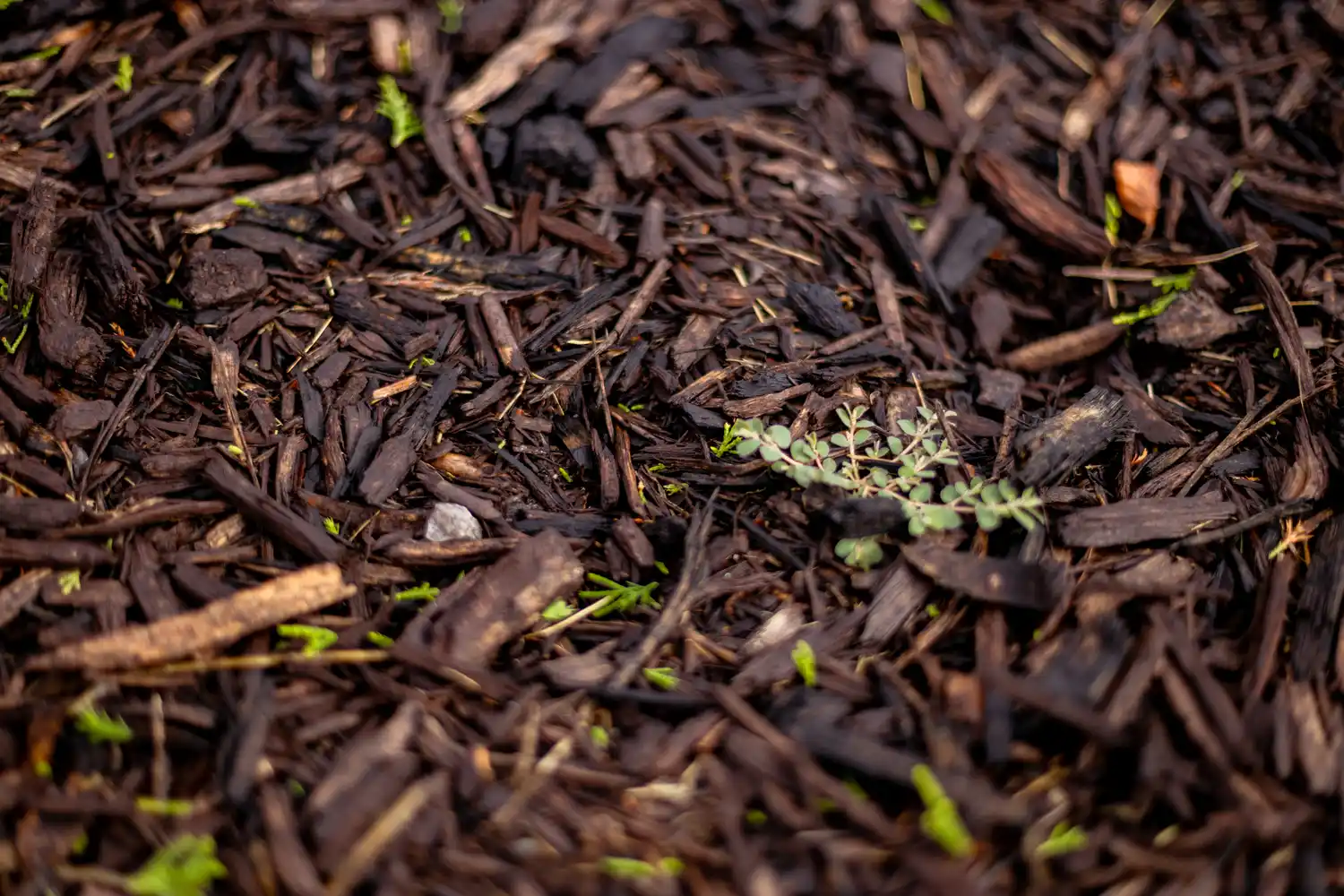
Can You Put Mulch Over Weeds? The Quick Answer
Yes — mulch can smother existing weeds and block new ones, as long as you cut growth down first, use a light-blocking barrier where needed, and apply enough mulch. Skip any of those steps and weeds will likely push right back through.
Here’s the thing: mulch isn’t magic. It works through a pretty simple mechanism, and once you understand why it works, the “how” makes a lot more sense.
How Mulch Actually Smothers Weeds
Weed seeds need sunlight to germinate, and established weeds need light to keep photosynthesizing. A thick, opaque layer of mulch blocks that light, which starves seedlings before they ever break the surface.
For weeds that are already growing, mulch does double duty:
- Blocks light to existing leaves, slowing or stopping photosynthesis
- Reduces oxygen at the soil surface, which weakens shoots trying to push through
- Creates a physical barrier that smaller, shallow-rooted weeds simply can’t get through
Research from university extension programs backs this up — Cornell’s turf weed science program notes that mulching is one of the most effective non-chemical tools for suppressing annual weeds, working primarily through light exclusion and physical obstruction.
When Putting Mulch Over Weeds Won’t Work
Mulch isn’t a cure-all. It struggles in a few specific situations:
- Tall or woody weeds create air gaps under the mulch that let light sneak through
- Aggressive perennial weeds (think bindweed, Canada thistle, or quackgrass) have deep root systems that can push through even a solid mulch layer
- A mulch layer that’s too thin simply won’t block enough light to matter
If your weed problem falls into one of these categories, you’ll need to combine mulch with a barrier layer (more on that below) or consider pairing it with spot treatment for the toughest offenders.
What You Need Before You Put Mulch Over Weeds
A little prep work goes a long way here. Before you grab a bag of mulch, get these basics sorted.
Tools and Materials Checklist
- A string trimmer, mower, or shears to cut weeds down to soil level
- Plain, unwaxed cardboard or 6-8 sheets of plain newspaper (skip glossy inserts)
- A garden hose or watering can
- A rake and wheelbarrow
- 3-4 inches’ worth of mulch for the area you’re covering (a mulch calculator can help you figure out exactly how much to buy)
- Garden edging material, if your beds don’t already have a defined border
Choosing the Best Mulch to Put Over Weeds
Not all mulch is created equal when weed control is the goal. You want something chunky and opaque — material that knits together into a solid, light-blocking layer rather than a thin, see-through one.
| Mulch Type | Weed Control | Best For |
|---|---|---|
| Shredded hardwood bark | Excellent | Garden beds, around shrubs |
| Wood chips | Excellent | Pathways, large beds |
| Straw (seed-free) | Good | Vegetable gardens |
| Grass clippings (thin layer alone) | Poor | Not recommended alone |
| Pine needles | Moderate | Acid-loving plants |
One word of caution: cheap or unsourced mulch can actually introduce new weed seeds into your beds. Buy from a reputable supplier and avoid mulch that looks like it’s full of seed heads or plant debris.
How to Put Mulch Over Weeds in 5 Simple Steps
Once you’ve got your materials, the process itself isn’t complicated — it just has to be done in the right order.
- Cut weeds down to soil level. Use a trimmer or mower to knock everything flat. Remove any seed heads so you’re not spreading more weed seed around as you work.
- Lightly water the soil. This helps your barrier layer (if you’re using one) mold tightly to the ground, closing off gaps where light could sneak in.
- Lay your barrier. For stubborn or perennial weeds, place plain cardboard or 6-8 layers of newspaper directly over the soil, overlapping seams by at least 6 inches. Skip this step for light, mostly-annual weed growth.
- Add 3-4 inches of mulch. Spread it evenly across the entire bed, right out to the edges — don’t leave thin or bare patches where light can get through.
- Edge and seal the bed. A clean edge keeps mulch from washing away and gives the whole area a finished look.
How Thick Should Mulch Be to Stop Weeds?
Depth is honestly the single biggest factor in whether this works. Aim for 3-4 inches across the bed, tapering to about 2 inches near plant crowns and trunks so you don’t smother your actual plants.
Clemson’s Home & Garden Information Center and the RHS both point to proper thickness — not just “some mulch” — as the deciding factor in long-term weed suppression. Two inches might knock back a few annual weeds, but established perennials will often find their way through.
Common Mistakes When You Put Mulch Over Weeds
Most people who say “I tried mulching and it didn’t work” made one of these three mistakes.
Layering Mulch Too Thin
This is, by far, the most common error. A one-inch sprinkle of mulch looks tidy, but it does almost nothing to block light. If you’re not hitting 3-4 inches, you’re not really getting weed control — you’re just decorating.
Skipping the Cardboard or Newspaper Barrier
For light annual weeds, mulch alone is often enough. But if you’re dealing with established perennials or a bed that’s been neglected for a season or two, skipping the barrier layer is a common reason weeds reappear within a month. This combined technique, often called sheet mulching, extends suppression significantly longer than mulch alone.
Mulching at the Wrong Time of Year
Timing matters more than people expect. Early spring — once soil has warmed but before weeds take off — tends to work best. Fall mulching is also effective, helping protect soil over winter and blocking cool-season weeds. Mulch too early and you can delay soil warming; mulch too late and the weeds may have already gone to seed.
Mulch vs. Other Weed Control Methods
Mulch isn’t your only option, so here’s how it stacks up against the two most common alternatives.
| Method | Cost | Effort | Longevity | Soil Health Impact |
|---|---|---|---|---|
| Organic mulch | Low-Moderate | Moderate (reapply yearly) | 1 season+ | Improves soil as it breaks down |
| Landscape fabric | Moderate | High upfront install | Several years | Can restrict water/air over time |
| Herbicide | Low | Low | Weeks to months | No soil benefit; can affect nearby plants |
Organic mulch tends to win on overall value — it suppresses weeds and builds healthier soil over time, which neither fabric nor herbicide can claim. Landscape fabric can offer longer-lasting suppression but tends to restrict water and air exchange in the soil as it ages, and it’s more work to install correctly.
When It Makes Sense to Call a Lawn & Landscape Pro
If you’re dealing with a small flower bed, DIY mulching is usually a Saturday-afternoon job. But if you’re staring down a large yard overrun with aggressive perennial weeds, uneven grading, or beds that haven’t been maintained in years, it might be worth bringing in a landscaping professional to handle the prep work and get the bed properly reset before you maintain it yourself going forward.
Frequently Asked Questions About Putting Mulch Over Weeds
Can you put mulch directly over weeds without pulling them first?
Yes, but trim them down to soil level first rather than leaving them standing. For tougher or established weeds, laying cardboard or newspaper underneath the mulch significantly improves your results.
How long does it take for mulch to kill weeds?
Annual weeds typically die off within 2-4 weeks under a properly applied mulch layer. Perennial weeds with deeper root systems can take a full growing season — or longer — to fully die back.
Will weeds eventually grow back through mulch?
Some might, especially around the edges of a bed or in spots where the mulch layer has thinned out over time. Routine maintenance — pulling the occasional stray weed and topping up thin spots — keeps a mulched bed weed-free long term.
Can you put new mulch over old mulch and weeds?
You can, but it’s best to rake the old layer first to loosen it and pull any weeds that have taken hold. Adding fresh mulch directly on top of a compacted old layer without addressing weeds underneath won’t solve the underlying problem.
What’s the best mulch to put over weeds for the long term?
Chunky, opaque organic mulches — shredded hardwood bark or wood chips — tend to offer the best long-term weed control while also improving soil health as they break down.
Final Thoughts
Putting mulch over weeds absolutely works — it’s one of the simplest, most effective non-chemical tools available for keeping beds weed-free. The results just come down to following a few non-negotiable steps:
- Cut existing weeds down to soil level before you start
- Use a cardboard or newspaper barrier for stubborn or perennial weeds
- Apply a true 3-4 inches of mulch, edge to edge
- Time it right — early spring or fall works best
- Top up thin spots each year to keep light from sneaking back in
Skip any of these, and you’re likely to be back out there pulling weeds sooner than you’d like.
Ready to get your beds weed-free for the season? Start with the bed that bothers you most, follow the steps above, and you’ll see a noticeable difference within a few weeks. And if the job is bigger than a weekend project, a local lawn and landscaping team can handle the prep and mulching for you so you can skip straight to the “low-maintenance yard” part.
References
- Clemson HGIC: Controlling Weeds by Cultivating and Mulching
- Royal Horticultural Society: Mulches and Mulching
- Cornell Turfgrass Weed Science: Mulch
- UC IPM: Mulching as a Weed Management Practice
- Preen: Mulching Do’s and Don’ts
About Author
Khalid Fazal is a seasoned lawn care specialist and horticultural researcher with over 15 years of hands-on experience transforming challenging landscapes into lush, resilient green spaces. His journey didn’t start in a lab, but in a backyard full of stubborn, cracked clay that “experts” said would never grow a healthy blade of grass. Refusing to accept a yard full of dust, Khalid spent years experimenting with organic soil restoration and precise mulching—eventually turning that wasteland into a neighborhood showpiece on a shoestring budget.
From mastering core aeration techniques to optimizing soil pH for specialized turf varieties, Khalid’s approach combines old-school grit with modern agronomic science. He founded Gen Lawn to provide homeowners with honest, research-backed advice that prioritizes long-term soil health over quick-fix chemical solutions. When he isn’t analyzing soil profiles, he’s developing precision tools to help others achieve professional results without the professional price tag.

Lawn Winterizer: When to Apply by Grass & Region [2026]
Table of Contents Home / By Khalid Fazal | Updated:...
Read More
Spring Lawn Care: What to Do and When in Every US Region
Table of Contents Home / By Khalid Fazal | Updated:...
Read More
Lawn Maintenance Checklist by Season and Grass Type (2026)
Table of Contents Home / By Khalid Fazal | Updated:...
Read More
Liquid Fertilizer vs Granular Fertilizer: Which Wins?
Table of Contents Home / By Khalid Fazal | Updated:...
Read More