Cypress vs Pine Mulch: Which One Actually Belongs in Your Yard?
You’re standing in the garden aisle — or staring at your screen with two browser tabs open — and you’ve got the same two options staring back at you: cypress mulch or pine mulch. Same general purpose. Similar price range. And zero clarity on which one is actually right for your yard.
Here’s the short answer: cypress mulch lasts longer and stays put better, while pine mulch is more affordable, eco-friendly, and great for building healthier soil. But the “right” choice depends on your climate, your plants, and your goals.
By the end of this guide, you’ll know exactly which mulch fits your situation — no guesswork, no second-guessing at the register.
What Is Cypress Mulch?
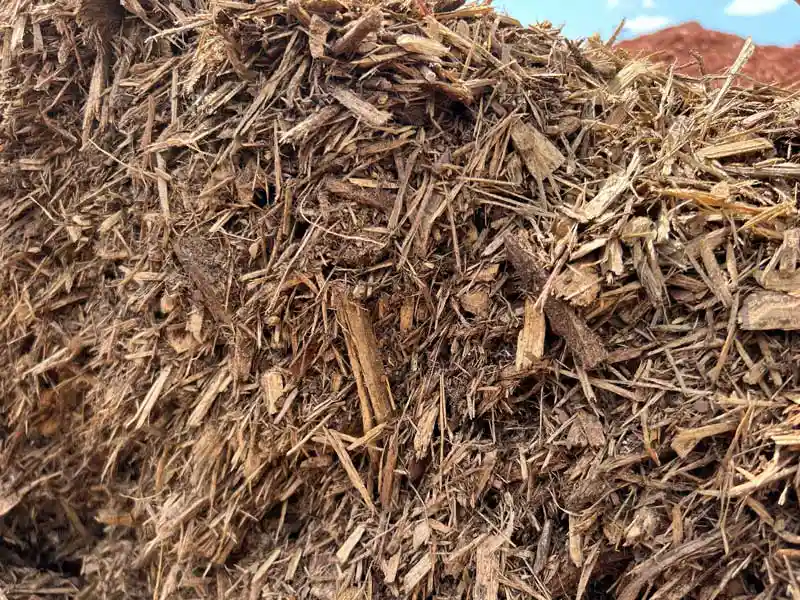
Cypress mulch is made from the shredded bark and wood of bald cypress (Taxodium distichum) and pond cypress trees, primarily harvested from wetland forests across Florida and Louisiana.
It has a warm golden-brown color, a pleasant woody aroma, and a naturally dense texture that forms a tight mat on the ground — which is a big reason it’s so popular.
Where Cypress Mulch Comes From
Cypress trees grow in ecologically sensitive Southern US wetlands. Historically, cypress mulch was a byproduct of sawmills processing timber for construction. But as demand for the mulch itself grew, direct harvesting of cypress forests ramped up significantly — which is where the environmental story gets complicated (more on that shortly).
Key Benefits of Cypress Mulch
- Natural pest and decay resistance — Cypress wood contains oils that make it naturally resistant to rot and insects. Note: this is more true of old-growth cypress; modern harvested cypress offers reduced (though still decent) resistance according to University of Florida researchers.
- Excellent moisture retention — Its dense mat holds moisture in the soil, reducing how often you need to water.
- Erosion control — Cypress holds its position even on slopes and during heavy rain better than many other mulches.
- Long lifespan — Cypress mulch typically lasts 2–3 years before needing replacement, making it cost-effective over time.
- Weed suppression — The tight mat it forms blocks sunlight from reaching weed seeds effectively.
The Sustainability Concern You Should Know
This is the part most mulch guides skip — but it matters.
According to US Forest Service research, cypress harvesting for mulch became a full-blown environmental issue in the 1990s and has remained controversial ever since. Over 200,000 acres of cypress wetlands have been logged since 2000. Cypress trees are slow-growing, take decades to mature, and play critical roles in wetland ecosystems — filtering water, controlling floods, and providing habitat for hundreds of bird species.
The Gulf Restoration Network has actively campaigned against cypress mulch, and scientists at the University of Florida have confirmed that equally effective, sustainable alternatives exist.
What you can do: If you prefer cypress mulch, look for bags with FSC (Forest Stewardship Council) certification on the label. Only 10–20% of market cypress mulch currently carries this certification, so it’s worth checking.
What Is Pine Mulch?
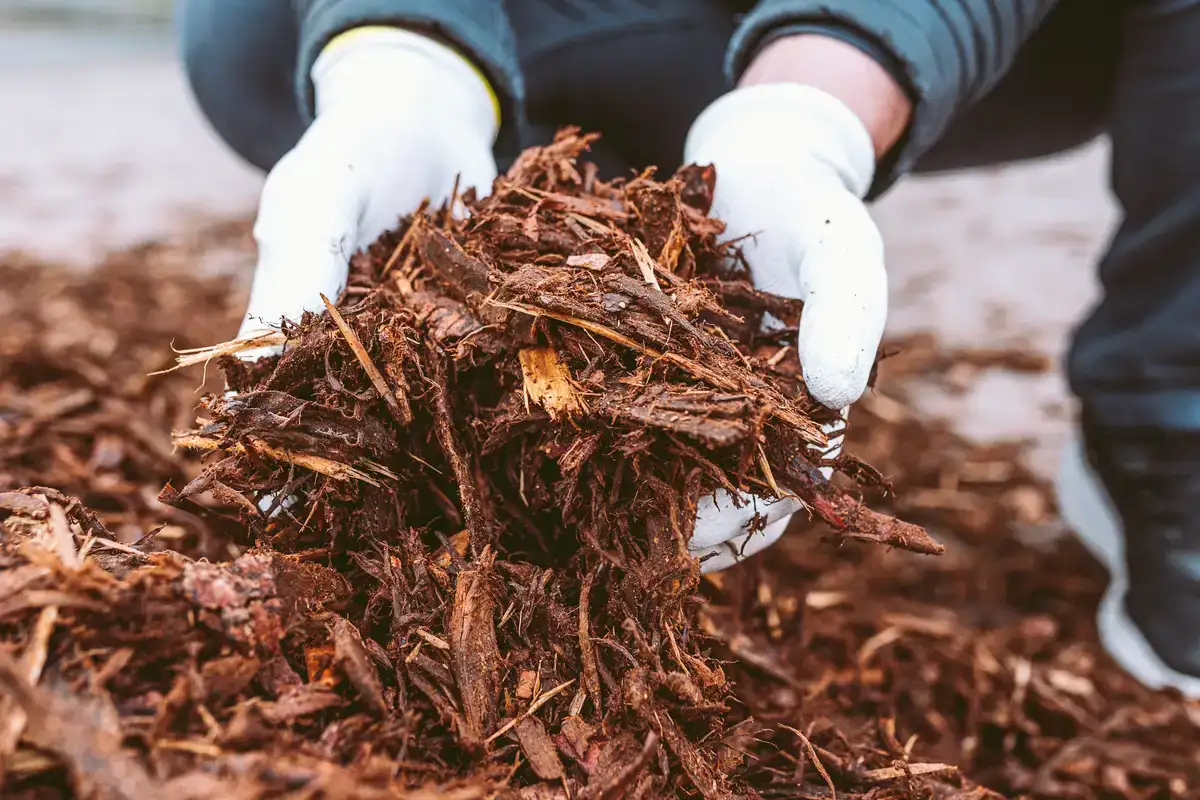
Pine mulch is a broader category — it includes several distinct products made from different parts of pine trees. Understanding the differences helps you choose the right type for your specific use case.
The Three Main Types of Pine Mulch
1. Pine Bark Nuggets Large chunks of pine bark, typically 1–3 inches in size. These are long-lasting (nuggets decompose slowly), aesthetically pleasing, and great for walkways and high-traffic areas. They don’t compact easily and allow good airflow to the soil.
2. Shredded Pine Bark The most common type found in US garden centers. Finely shredded bark that knits together nicely, suppresses weeds well, and decomposes faster than nuggets — feeding nutrients back into the soil more quickly.
3. Pine Straw (Pine Needles) Loose pine needles, often sold in bales. Lightweight, excellent for slopes (the needles interlock and resist washing), and very budget-friendly. Widely used across the Southeast US. Learn more about how pine straw is used in landscaping via the Clemson University Extension.
Key Benefits of Pine Mulch
- Cost-effective — Pine is generally 30–50% cheaper than cypress per bag or per cubic yard, making it the budget-smart pick for large projects.
- Widely available — Pine mulch is sold at virtually every garden center, home improvement store, and landscape supplier across the US.
- Excellent soil enrichment — As pine mulch decomposes, it adds valuable organic matter to your soil, improving its structure and fertility over time.
- Sustainable — Pine bark mulch is primarily a byproduct of the timber and paper industries, meaning trees aren’t harvested specifically for mulch. Look for FSC-certified pine mulch for extra assurance.
- Versatile — Works well in flower beds, around trees, on slopes (especially pine straw), and in playgrounds (nuggets).
Busting the Pine Acidity Myth
Here’s one of the most persistent myths in gardening: “Pine mulch will acidify your soil and kill your plants.”
According to Oregon State University Extension horticulturalist Amy Joy Detweiler, pine needles do have a low pH of 3.2–3.8 when they fall from the tree — but the decomposition process neutralizes that acidity. By the time they’re breaking down in your soil, they’re essentially pH-neutral.
The Alabama Cooperative Extension System’s Jack LeCroy puts it plainly: “It’s a myth that pine straw acidifies your soil.” The soil under pine trees tends to be acidic for other reasons — primarily dry shade and root competition, not the needles themselves. Read the full extension research here.
Bottom line: Pine mulch is safe for the vast majority of garden plants. If you’re genuinely concerned about soil pH, get your soil tested first — the Purdue University Extension guide explains exactly how.
Cypress vs Pine Mulch — Head-to-Head Comparison
Let’s put both mulches side by side across the factors that actually matter when you’re making a buying decision.
| Feature | Cypress Mulch | Pine Mulch |
|---|---|---|
| Appearance | Golden-brown, uniform, polished | Reddish-brown bark; straw (needles) |
| Texture | Dense, fine, forms a tight mat | Varies: chunky nuggets to fine shreds |
| Lifespan | 2–3 years | 1–2 years |
| Moisture Retention | Excellent | Good to Very Good |
| Weed Suppression | Excellent | Good |
| Erosion Control | Excellent (holds in heavy rain) | Good (pine straw excellent on slopes) |
| Soil Enrichment | Moderate (slow decomp) | High (faster decomp = more nutrients) |
| Soil pH Impact | Slightly acidic | Near-neutral when decomposed |
| Cost (bagged) | ~$3.50–$6.50/bag | ~$2.97–$5.00/bag |
| Cost (bulk) | Higher per cubic yard | 30–50% less than cypress |
| Eco-Friendliness | Concerns (wetland harvesting) | Better (timber byproduct) |
| Pest Resistance | Good (natural oils) | Moderate |
Pricing sourced from LawnLove’s 2026 mulch cost guide and HomeGuide.
Appearance & Curb Appeal
Both look great — but differently. Cypress has a clean, uniform, natural golden tone that works beautifully in formal garden beds and front-yard landscapes. Pine bark adds a richer, reddish-brown contrast that complements greenery well. Pine bark color also tends to hold longer than many dyed mulches, according to South Florida landscaping experts.
Ultimately, appearance is subjective — but both are solid choices aesthetically.
Weed Suppression & Moisture Retention
Both mulches work well here. Applied at a 2–3 inch depth, either will block most weed seeds from sprouting by cutting off their sunlight. Cypress forms a slightly tighter mat, giving it a marginal edge in ornamental beds. Pine bark nuggets, with their larger surface area and airflow, work better around trees where you don’t want to suffocate roots.
For moisture retention, cypress holds a slight advantage due to its density — but consistently applied pine mulch performs comparably in most climates.
How Long Each Mulch Lasts
Cypress wins on longevity — typically 2–3 years versus pine’s 1–2 years. But here’s the thing: faster decomposition isn’t always a downside. If your goal is to build soil organic matter over time, pine’s faster breakdown is actually an advantage. The USDA Natural Resources Conservation Service explains why organic matter is so critical to soil health.
Think of it in terms of total cost: Pine is cheaper upfront but needs topping up more often. Cypress costs more upfront but fewer applications over a 3-year period. For large beds, run the math — it often evens out.
Cost Breakdown (US Pricing, 2025–2026)
According to HomeGuide’s mulch pricing data and LawnStarter:
- Bagged mulch: $3.25–$6.50 per bag (both types)
- Cypress at Home Depot: approximately $2.97–$4.58 per 2–3 cubic foot bag
- Bulk mulch: $30–$135 per cubic yard, depending on type and region
- Pine is generally 30–50% cheaper than cypress per cubic yard in bulk
For smaller projects, bags work fine. For anything over 500 square feet, buying bulk by the cubic yard saves significantly.
Environmental Impact
Pine mulch is the clearer winner here. It’s predominantly a byproduct of existing timber processing, meaning no additional trees are felled specifically for mulch. Cypress, on the other hand, is increasingly harvested from irreplaceable Southern wetland ecosystems. Cypress-Tupelo swamps store 20–30% more carbon per acre than upland forests, according to research cited by MulchPros, and provide critical flood and storm protection to coastal communities.
If sustainability matters to you, pine is the more responsible choice — or look for FSC-certified cypress from verifiable sources.
Which Mulch Should You Choose? (Situation-Based Guide)
Here’s where the rubber meets the road. Instead of a one-size-fits-all answer, here are scenario-specific recommendations.
Best for Flower Beds & Ornamental Gardens
Go with shredded pine bark or cypress.
Both work well here. Cypress gives ornamental beds that polished, uniform look and needs less frequent topping up. Shredded pine bark is a great alternative if you’re working with a budget or prioritize soil health. Either way, apply at 2–3 inches deep and keep mulch pulled back 2–3 inches from plant stems to prevent rot. See the University of Minnesota Extension’s guide on mulching ornamental plants for detailed advice.
Best for Trees & Shrubs
Pine bark nuggets are ideal.
The larger chunk size allows better airflow to roots, doesn’t compact over time, and decomposes more slowly than shredded bark — a plus for established trees. Apply in a mulch ring, not a mulch volcano (piling mulch against the trunk is one of the most common and damaging mistakes homeowners make). Clemson University’s Horticulture Extension covers this perfectly.
Best for Slopes & Erosion Control
Pine straw or cypress, depending on your region.
Pine straw’s interlocking needle structure makes it excellent on slopes — it resists washing far better than bark-based mulches. Cypress is also strong here because it forms a dense mat that holds even during heavy downpours. If you’re in a high-rainfall area like the Southeast, either is a solid pick. For very steep slopes, pine straw edges ahead due to its lighter weight and needle interlocking. Learn more about erosion control mulching from the USDA.
Best for Hot, Dry US Climates (Southwest, Plains States)
Cypress mulch.
Its superior moisture retention and slower decomposition rate make it better suited for hot, dry conditions where you need maximum water conservation. In these climates, mulch is doing heavy lifting to protect plant roots from heat stress — and cypress stays in place longer without needing constant refreshing.
Best for Humid Southern States (Southeast US)
Pine straw or shredded pine bark.
These are the most widely used mulches across the Southeast for a reason — they’re locally sourced, affordable, and perform exceptionally well in humid conditions. Cypress can form a dense, compacted crust in very wet environments, reducing water penetration. Pine straw breathes more freely and is a regional staple in Georgia, the Carolinas, and Florida.
Best for Budget-Conscious Homeowners
Pine bark — hands down.
At 30–50% less per cubic yard than cypress, pine gives you excellent performance for significantly less money. If you’re mulching a large area or working with a tight landscaping budget, pine is the smart pick. Check for seasonal mulch sales at Home Depot and Lowe’s — both run regular 5-for-$10 promotions that slash costs further.
How to Apply Mulch the Right Way
Even the best mulch performs poorly if it’s applied incorrectly. Here are the key rules to get the most out of whichever you choose.
Ideal depth: 2–4 inches. Anything thinner than 2 inches won’t suppress weeds effectively. Anything over 4 inches risks suffocating plant roots and blocking water penetration. For pine straw specifically, you can go up to 3–4 inches because the needles are airy and breathable.
Keep mulch away from stems and trunks. Leave a 2–3 inch gap around plant stems and tree trunks. Mulch piled against wood creates moisture buildup that leads to rot, disease, and pest problems — a classic mistake called a “mulch volcano.”
Add nitrogen before mulching. As organic mulch decomposes, it temporarily draws nitrogen from the upper soil layer. Adding a nitrogen-rich fertilizer to your beds before laying mulch helps offset this effect and keeps your plants fed through the transition.
When to refresh:
- Pine mulch: top up every 12–18 months
- Cypress mulch: top up every 24–36 months
Best time to mulch: Spring (after soil warms up) or fall (to insulate roots before winter). Avoid mulching over frozen ground or during drought when soil is bone dry.
For a thorough visual walkthrough, the NC State University Extension’s mulching guide covers trees and shrubs in detail.
Frequently Asked Questions About Cypress vs Pine Mulch
Is cypress mulch better than pine mulch?
Neither is universally “better” — it depends on your priorities. Cypress mulch lasts longer (2–3 years vs 1–2 years), has superior moisture retention, and holds better on slopes and in heavy rain. Pine mulch is cheaper, more eco-friendly, and better at building soil health over time. For longevity and low maintenance: choose cypress. For budget, sustainability, and soil enrichment: choose pine.
Does pine mulch make soil more acidic?
This is a widespread myth that’s been thoroughly debunked. According to Oregon State University Extension and Alabama Cooperative Extension, pine needles and pine bark neutralize as they decompose — the end result is near-neutral pH. The apparent acidity around pine trees comes from dry shade and root competition, not the mulch itself. If you need to genuinely lower soil pH for acid-loving plants like blueberries or azaleas, consult a soil pH amendment guide from Clemson University Extension.
How long does cypress mulch last compared to pine?
Cypress mulch typically lasts 2–3 years before breaking down enough to need refreshing. Pine bark mulch lasts 1–2 years, while pine straw may need topping up annually. The trade-off: pine’s faster decomposition enriches your soil faster. Cypress’s longer life means fewer applications and less ongoing labor.
Which mulch is better for weed control — cypress or pine?
Both provide good weed suppression when applied at 2–3 inches deep. Cypress forms a tighter mat that blocks sunlight slightly more effectively in formal ornamental beds. Pine bark nuggets leave more gaps and are less effective at weed suppression than shredded pine or cypress. For maximum weed control, apply either mulch at consistent depth and top up thin spots after storms or heavy irrigation. The University of Florida IFAS Extension covers mulch and weed suppression in depth.
Is cypress mulch bad for the environment?
It can be, depending on its source. US Forest Service research confirms that cypress harvesting has contributed to wetland habitat loss in the southeastern US, particularly in Louisiana and Florida. Cypress trees are slow to regenerate, and some harvested wetlands cannot recover naturally. If you choose cypress mulch, look for FSC-certified products from verified sustainable sources. If you can’t confirm the source, pine or hardwood mulch is the more responsible choice.
Conclusion: Which Mulch Wins?
Here’s the bottom line on cypress vs pine mulch:
- Choose cypress if you want long-lasting mulch (2–3 years), superior moisture retention, and excellent erosion control — especially in hot, dry climates or on slopes
- Choose pine if you’re working with a budget, care about sustainability, want to enrich your soil over time, or live in the humid Southeast
- Whichever you choose, apply 2–3 inches deep, keep it away from stems and trunks, and add nitrogen to your beds before mulching
- Pine straw is the unsung hero for slopes, large areas, and cost-sensitive projects across the South
- Always check for FSC certification if you’re buying cypress — it’s the only way to ensure you’re not contributing to wetland habitat loss
The best mulch is the one that fits your yard’s conditions, your plants’ needs, and your values. Both cypress and pine have earned their place in American landscaping — you just need to know when to use which.
Not sure where to start? Explore Gen Lawn’s lawn and landscaping guides for more hands-on advice tailored to your yard — or reach out to a local lawn care professional for a personalized recommendation.
References & Further Reading
- US Forest Service — Evaluating Cypress Sustainability
- OSU Extension — Pine Needle Mulch Acidity Myth
- LawnLove — How Much Does Mulch Cost in 2026?
- HomeGuide — Mulch Prices 2026
- Clemson University HGIC — Mulches for Landscapes
- University of Florida IFAS — Mulching in the Florida Landscape
- NC State Extension — Mulching Around Trees and Shrubs
- USDA NRCS — Soil Health & Organic Matter
- FSC Certification — Find Certified Products
- Gulf Restoration Network — Cypress Mulch Campaign
About Author
Khalid Fazal is a seasoned lawn care specialist and horticultural researcher with over 15 years of hands-on experience transforming challenging landscapes into lush, resilient green spaces. His journey didn’t start in a lab, but in a backyard full of stubborn, cracked clay that “experts” said would never grow a healthy blade of grass. Refusing to accept a yard full of dust, Khalid spent years experimenting with organic soil restoration and precise mulching—eventually turning that wasteland into a neighborhood showpiece on a shoestring budget.
From mastering core aeration techniques to optimizing soil pH for specialized turf varieties, Khalid’s approach combines old-school grit with modern agronomic science. He founded Gen Lawn to provide homeowners with honest, research-backed advice that prioritizes long-term soil health over quick-fix chemical solutions. When he isn’t analyzing soil profiles, he’s developing precision tools to help others achieve professional results without the professional price tag.

Lawn Winterizer: When to Apply by Grass & Region [2026]
Table of Contents Home / By Khalid Fazal | Updated:...
Read More
Spring Lawn Care: What to Do and When in Every US Region
Table of Contents Home / By Khalid Fazal | Updated:...
Read More
Lawn Maintenance Checklist by Season and Grass Type (2026)
Table of Contents Home / By Khalid Fazal | Updated:...
Read More
Liquid Fertilizer vs Granular Fertilizer: Which Wins?
Table of Contents Home / By Khalid Fazal | Updated:...
Read More