
Earthworm Castings in Your Lawn: What They Are, Why They Are Good, and How to Use Them
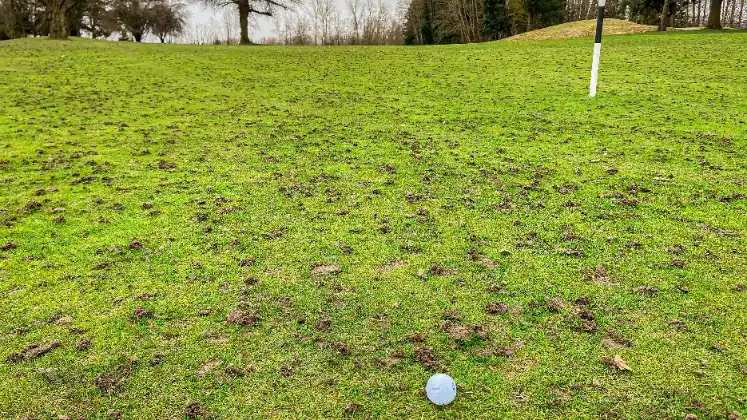
You step outside after a few days of autumn rain, look down at your lawn, and notice small muddy lumps dotted all over the surface. Your first instinct might be to reach for the phone and call a pest control company. But here is the thing: those little mounds are not damage. They are one of the best signs your lawn can show you.
Those muddy piles are earthworm castings, and if your lawn has them, your soil is doing something right.
In this guide, you will learn exactly what earthworm castings in a lawn are, why they appear during the Australian spring and autumn seasons, whether they are helping or hurting your turf, and how to actually use them to grow a thicker, greener lawn without spending a cent on chemical fertiliser.
What Are Earthworm Castings on a Lawn?
The Short Answer: It Is Worm Poop (And That Is a Good Thing)
Earthworm castings are the waste that earthworms leave behind after digesting organic matter in your soil. In simple terms, they are worm poo. But unlike most waste products, worm castings are genuinely one of the richest natural soil improvers available to Australian homeowners.
As earthworms move through your soil, they consume decomposing plant material, soil particles, and organic matter. What comes out the other end is a nutrient-dense, biologically active material that your lawn roots can absorb almost immediately. This is why castings are often called vermicompost or “black gold” in the horticulture world.
What Do Earthworm Castings Look Like?
Earthworm castings on a lawn look like small, coiled or lumpy mounds of dark soil sitting on top of the grass. They range from pea-sized to golf-ball sized, depending on how active the worm population is.
They are often confused with molehills, but castings sit flat on the surface and are far smaller. When fresh, they feel soft and slightly moist. Once they dry out, they crumble easily between your fingers. According to Daleys Turf, the castings have a slightly slimy texture when fresh because of the natural secretions from the earthworm’s digestive system.
Why Do Earthworm Castings Appear on Australian Lawns?
Castings appear most often during spring (September through November) and autumn (March through May) in Australia. These are the seasons when soil moisture levels rise and make it difficult for earthworms to breathe underground.
When the soil becomes waterlogged after heavy rain, earthworms rise to the surface to breathe and feed. This is when they deposit their castings above ground. According to Lawn Solutions Australia, overwatering your lawn can also force worms to the surface, so keeping an eye on your irrigation schedule can reduce the volume of visible castings during dry stretches.
Are Earthworm Castings Good or Bad for Your Lawn?
The Benefits Are Real (And Backed by Science)
Let us be direct: earthworm castings in your lawn are overwhelmingly positive. Here is what the research actually says.
Nutrients your lawn can use straight away
Worm castings contain a full range of macronutrients and micronutrients, including nitrogen, phosphorus, potassium, calcium, magnesium, sulphur, iron, zinc, and copper. Their NPK ratio typically ranges from 1-0-0 to 5-5-3, depending on what the worms have been eating.
Here is what makes castings different from standard fertilisers: the nutrients are already broken down and water-soluble. That means your lawn roots absorb them almost immediately rather than waiting for soil bacteria to do the conversion work first.
Natural soil aeration and structure improvement
As earthworms tunnel through the ground, they create tiny channels that allow water, air, and nutrients to move more freely through the soil profile. This natural aeration reduces compaction, which is one of the most common problems in Australian clay-heavy soils. Less compaction means deeper, stronger root systems for your turf.
Thatch breakdown without the effort
Earthworms actively consume thatch, which is the layer of dead grass stems and organic matter that builds up between the soil surface and the green blades above. By breaking it down naturally, earthworms reduce the need for manual dethatching and convert that material into usable nitrogen in the root zone.
Disease suppression backed by research
Research from Cornell University confirms that vermicompost actively suppresses soil-borne pathogens, making it a genuinely valuable amendment for long-term turf health. A lawn with a thriving worm population has a natural buffer against certain fungal diseases that would otherwise require chemical treatment.
Slow-release feeding that lasts for weeks
A thin oil layer coats each casting as it passes through the worm’s digestive system. This layer breaks down over approximately two months, slowly releasing nutrients back into the soil. Your lawn keeps feeding long after a rain event or a watering session, which is something no synthetic fertiliser can replicate.
The One Downside: Appearance
Here is the honest part. Earthworm castings can be a cosmetic nuisance, and that is genuinely the only real concern.
When fresh castings get smeared by foot traffic or a lawnmower, they spread across the surface and leave a muddy, patchy look. On very short-cut lawns like couch and kikuyu, this becomes more noticeable. In very high volumes, castings can also create a slightly uneven surface over time.
But the key word is: temporary. Once conditions dry out, the castings firm up and the issue resolves on its own without any intervention from you.
How to Manage Earthworm Castings on Your Australian Lawn
Wait, Rake, Repeat: The Simple 3-Step Method
Managing castings that appear naturally on your lawn does not need to be complicated. Here is the process that works every time:
- Wait for the castings to dry out fully. Dealing with wet castings just spreads them across your grass.
- Once dry, use a lawn rake or stiff broom to brush the castings back across the surface of the lawn.
- Water lightly to help the broken-up castings settle into the soil and reach the roots.
That really is it. According to LawnPride Australia, raking dry castings is the equivalent of spreading free organic fertiliser across your turf. You are doing your lawn a favour, not just tidying up.
Mowing Tips to Minimise the Mess
If you are dealing with a heavy casting season, a few simple adjustments to your mowing routine can keep things looking tidy:
- Raise your cut height slightly. Even lifting the mower deck by 5mm helps the grass blades hide the castings from view below.
- Use a catcher when mowing during wet periods to avoid smearing fresh castings across the surface.
- Avoid mowing straight after heavy rain. Give the surface at least a day to firm up before you run the mower across it.
Should You Try to Reduce Earthworm Activity?
In most situations, no. Earthworms are a clear indicator of a healthy soil ecosystem, and Australian lawn care professionals consistently advise against using any chemical treatment to reduce or kill them. There are no registered domestic products for this purpose in Australia anyway.
If casting volumes are genuinely excessive, the most effective natural approach is to reduce the food supply available to the worms. Collect grass clippings with a catcher, rake up fallen leaves promptly, and avoid overwatering. Less organic matter sitting at the surface means less reason for worms to travel upward.
How to Use Earthworm Castings on Your Lawn Intentionally
This is the section most Australian lawn guides skip entirely. And that is a real missed opportunity for lawn owners who want to do more than just manage what nature provides.
If your soil does not yet have a thriving worm population, or you want to give your lawn a concentrated nutrient boost, you can purchase worm castings and apply them yourself. Here is how to do it properly.
Top Dressing with Worm Castings (Step by Step)
Top dressing is the most effective method for applying worm castings to an established lawn. Follow these steps for best results in Australian conditions:
- Mow your lawn before applying. A shorter cut helps the castings reach the soil surface more easily.
- If your lawn has more than 1cm of thatch buildup, do a light rake-through before spreading.
- Allow the castings to dry slightly and break up any large clumps by hand or through a garden sieve.
- Spread the castings evenly across the lawn at a rate of approximately 3 to 5 litres per square metre for established turf, as recommended by Dr Greenthumbs Australia.
- Water the lawn lightly afterward to help the castings integrate into the soil and begin releasing nutrients.
The best times to apply in Australia are early spring (August to September) and early autumn (March to April), when your lawn is actively growing and best placed to make use of the added nutrition.
Worm Casting Tea: How to Make It and Why It Works
Worm casting tea is a liquid fertiliser made by steeping castings in water. It stretches your supply further and allows you to cover a large lawn area in a single session. Love of Dirt Australia has a thorough guide on the process, but here is the simple version to get you started:
What you need:
- 1 cup of worm castings
- 10 litres of water (use rainwater, or leave tap water uncovered for 24 hours to let the chlorine off-gas)
- An aquarium air pump and bubbler (optional but highly recommended for better microbial activity)
- A paint strainer bag or clean old stocking
Steps:
- Place the castings inside the strainer bag and submerge in the bucket of water.
- Run the air pump for 24 hours to aerate the brew and activate the beneficial microbes.
- Strain and apply to the lawn immediately. Use within 48 hours before microbial activity declines.
- Apply early in the morning or late in the evening to reduce evaporation.
You should see your lawn respond within a few days with a noticeably richer green colour as the water-soluble nutrients are taken up by the roots.
Worm Castings vs. Standard Lawn Fertiliser: A Quick Comparison
| Feature | Worm Castings | Synthetic Fertiliser |
|---|---|---|
| Nutrient availability | Immediate, water-soluble | Requires soil breakdown first |
| Burn risk | None | High if over-applied |
| Impact on soil biology | Actively improves it | Can damage over time |
| Release speed | Slow and sustained | Fast spike then drops off |
| Cost | Low to free (home worm farm) | Ongoing purchase required |
| Environmental impact | Zero runoff risk | Chemical runoff possible |
Where to Get Worm Castings in Australia
Buying Worm Castings in Australia: What to Look For
Worm castings are now widely available at nurseries, garden centres, and online stores across Australia. When buying, look for the following:
- 100% pure vermicast with no added fillers like peat, sand, or bark
- A fresh, earthy smell that reminds you of soil after rain (never sour or rotten)
- Dark brown to black colour with a crumbly, loose texture
- A product stored in cool, breathable conditions rather than sealed airtight bags for long periods
Quality Australian suppliers like Dr Greenthumbs offer microbe-charged worm castings that contain active biology for faster lawn results. Fresher castings always deliver better outcomes because microbial activity declines the longer they are stored.
Setting Up a Home Worm Farm for Lawn Use
Setting up a home worm farm is one of the most cost-effective investments an Australian homeowner can make for their lawn and garden. A basic tray-system worm farm, fed with kitchen scraps and garden waste, will produce a steady supply of castings and worm juice within three to four months.
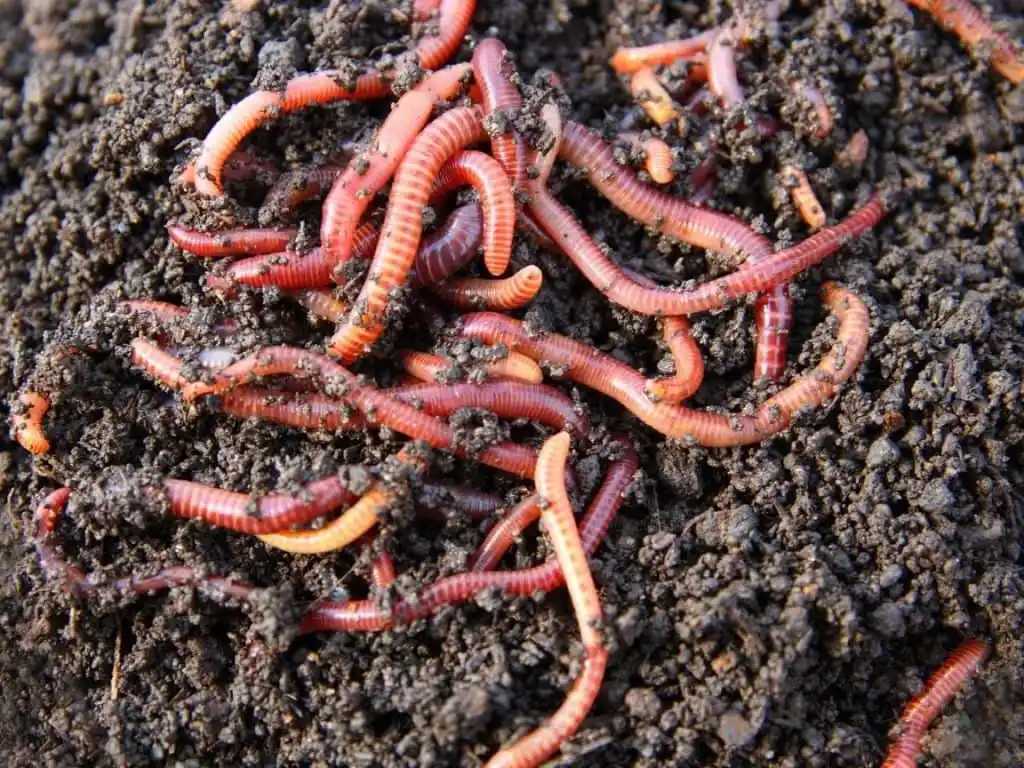
Red wriggler worms (Eisenia fetida) are the most popular species for home composting in Australia and are available from nurseries and online suppliers nationwide. Once your farm is running, you have a free, ongoing source of top-quality organic fertiliser sitting right in your backyard.
Frequently Asked Questions About Earthworm Castings in Lawns
Are earthworm castings in my lawn good or bad?
They are good. Earthworm castings are a direct sign of healthy, biologically active soil. They are packed with water-soluble nutrients, beneficial microbes, and natural plant growth hormones like auxins and cytokinins that actively support turf health. The only downside is cosmetic, and that is temporary.
Why do I suddenly have so many earthworm castings on my lawn?
A sudden surge in castings almost always follows heavy rain or overwatering. When the soil becomes saturated, earthworms rise to the surface to breathe and deposit their castings above ground. This is most common during spring and autumn in Australia. It is not a problem. It is your soil thriving with life.
How do I get rid of earthworm castings on my lawn?
Wait until the castings are fully dry, then rake or sweep them back into the lawn surface. This breaks them up, distributes the nutrients evenly, and restores a tidy appearance. Avoid working with wet castings as this smears them across the grass and creates a muddy finish.
Can I use earthworm castings instead of lawn fertiliser?
Yes, and many Australian lawn enthusiasts do exactly that. Worm castings will not deliver the same rapid green-up that a high-nitrogen synthetic fertiliser provides, but they build long-term soil health in a way no synthetic product can. Most lawn care professionals recommend using them alongside a balanced fertiliser program for the best of both worlds.
Do earthworm castings smell or attract pests?
Quality worm castings smell earthy, similar to fresh soil after rain. They do not carry an unpleasant odour and do not attract pests. If your castings smell sour or rotten, it usually means they were stored in wet, airless conditions and the beneficial biology inside them has been compromised. Healthy castings should always smell clean and natural.
Key Takeaways
- Earthworm castings in your lawn are a sign of healthy, biologically rich soil. They are not a pest issue.
- Manage natural castings by letting them dry and raking them back into the turf as free organic fertiliser.
- You can intentionally apply purchased worm castings as a top dressing at 3 to 5 litres per square metre, or brew them into a liquid worm casting tea.
- The best application windows in Australia are early spring and early autumn.
- Never use chemicals to remove earthworms from your lawn. The long-term damage to your soil biology far outweighs any short-term cosmetic gain.
Ready to upgrade your lawn naturally? Start by sourcing a quality bag of Australian worm castings or setting up a simple home worm farm. Your turf will be the proof.
References and External Resources
- Lawn Solutions Australia: Earthworms and Your Lawn
- LawnPride Australia: Worm Castings Guide
- Daleys Turf: Mud Balls in Lawn
- Daleys Turf: Earthworms in Your Lawn
- Dr Greenthumbs Australia: Worm Castings Guide
- Love of Dirt Australia: How to Make Worm Casting Tea
- Worms Downunder: Nutrient Values in Worm Castings
- Worm Farming Secrets: Worm Castings for Lawn Care
- Help Me Compost: Top Dressing with Worm Castings
- Gardening Know How: Worm Casting Tea
- Hortitech: What Are Worm Castings
About Author
Khalid Fazal is a seasoned lawn care specialist and horticultural researcher with over 15 years of hands-on experience transforming challenging landscapes into lush, resilient green spaces. His journey didn’t start in a lab, but in a backyard full of stubborn, cracked clay that “experts” said would never grow a healthy blade of grass. Refusing to accept a yard full of dust, Khalid spent years experimenting with organic soil restoration and precise mulching—eventually turning that wasteland into a neighborhood showpiece on a shoestring budget.
From mastering core aeration techniques to optimizing soil pH for specialized turf varieties, Khalid’s approach combines old-school grit with modern agronomic science. He founded Gen Lawn to provide homeowners with honest, research-backed advice that prioritizes long-term soil health over quick-fix chemical solutions. When he isn’t analyzing soil profiles, he’s developing precision tools to help others achieve professional results without the professional price tag.

Lawn Winterizer: When to Apply by Grass & Region [2026]
Table of Contents Home / By Khalid Fazal | Updated:...
Read More
Spring Lawn Care: What to Do and When in Every US Region
Table of Contents Home / By Khalid Fazal | Updated:...
Read More
Lawn Maintenance Checklist by Season and Grass Type (2026)
Table of Contents Home / By Khalid Fazal | Updated:...
Read More
Liquid Fertilizer vs Granular Fertilizer: Which Wins?
Table of Contents Home / By Khalid Fazal | Updated:...
Read More