
Good Mulch for Roses: 6 Top Picks and What Gardeners Get Wrong
Roses are one of the most rewarding plants you can grow — but they’re also one of the most sensitive to what’s happening beneath the surface.
The soil around your roses takes a beating every season: harsh sun, dry spells, freezing temperatures, and relentless weeds all chip away at root health. The result? Fewer blooms, stressed plants, and a whole lot of frustration.
Here’s the good news: the right mulch fixes all of that at once.
In this guide, you’ll get the 6 best types of good mulch for roses, a side-by-side comparison table, a clear list of what to avoid, and a step-by-step plan for applying it correctly. Whether you’re planting your first rose bush or fine-tuning a garden you’ve tended for years — this covers everything you need.
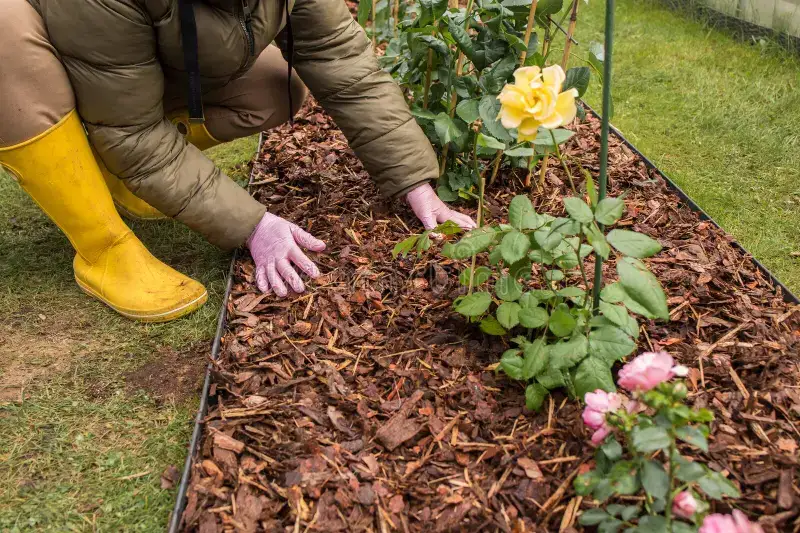
Why Good Mulch for Roses Matters More Than You Think
Most gardeners treat mulch as a finishing touch. It’s not. It’s infrastructure.
Without mulch, bare soil in a rose bed can swing more than 21°F in soil temperature over a single midsummer day, according to research by Bartlett Tree Research Laboratories conducted across California, Arizona, Texas, and New Jersey. That kind of temperature swing is genuinely damaging.
Here’s why: rose roots stop functioning efficiently above 85°F. When the soil overheats, roses reduce water and nutrient uptake to conserve energy. The visible result is wilting, stress, and reduced blooms — even when you’re watering consistently.
The right mulch cuts that temperature swing drastically. A 4-inch layer of arborist wood chips, for example, kept daily soil temperature swings under 9°F in the same study. It also cuts water loss by nearly 50% and can reduce soil temperature by up to 20°F, according to Heirloom Roses.
There’s one more benefit most guides overlook: disease prevention. Black Spot — the most common rose disease in the US — overwinters in old mulch and fallen leaves. A fresh layer of mulch in spring buries those spores before they can splash back up onto new foliage and cause damage.
What Makes a Mulch “Good” for Roses Specifically
Not every mulch is rose-friendly. Here’s what to evaluate before you buy:
- pH compatibility: Roses thrive in slightly acidic soil with a pH of 6.0–6.5. Some mulches shift pH over time — knowing this lets you choose wisely.
- Organic vs. inorganic: Organic mulches break down and actively feed the soil. Inorganic options — rubber, gravel, plastic — add zero nutritional value for roses and can cause real harm.
- Breathability: Mulch that packs tightly against canes traps moisture and invites rot. You want texture, airflow, and structure — not a solid, smothering mat.
The 6 Best Types of Good Mulch for Roses
Not every mulch works the same way. Here are the top performers, backed by expert sources and real garden results.
1. Compost — The Top Pick for Most Gardeners
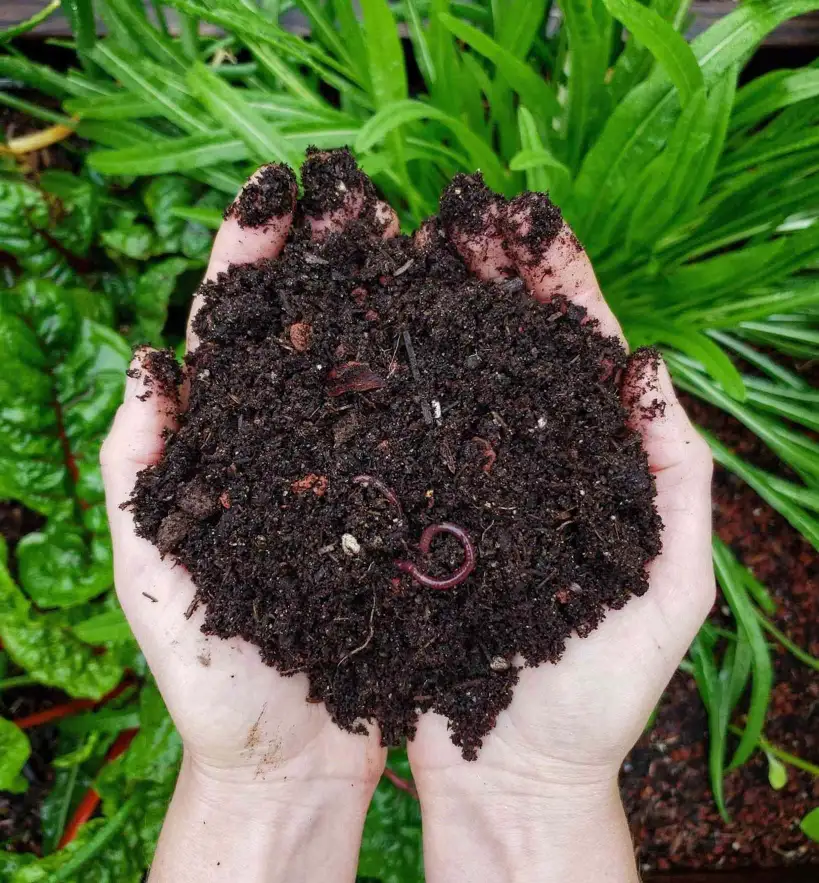
Compost is the gold standard for rose mulch. It improves soil structure, feeds beneficial soil microorganisms, regulates moisture, and delivers slow-release nutrients — all simultaneously.
Fully composted manure also works well. Horse manure is the safest option; chicken manure is the most potent but most likely to burn if not fully aged. Always verify it’s completely composted — fresh manure will damage roots and scorch leaves.
How to apply: 2–3 inches around the base, with a 2-inch gap kept clear from stems.
Best for: All US climates, especially nutrient-poor or sandy soils.
2. Shredded Hardwood Bark — The Reliable Workhorse
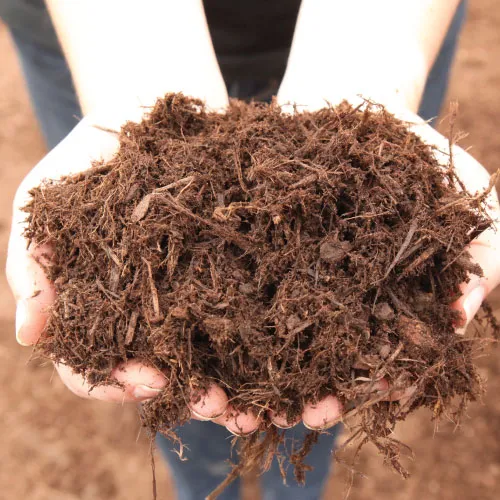
Shredded hardwood bark is the most consistently recommended mulch for roses by experts at both Jackson & Perkins and the American Rose Society. It breaks down at the right pace — slower than compost, but faster than large bark nuggets — striking the ideal balance between long-lasting weed suppression and gradual soil improvement.
Here’s a detail most guides miss: shredded bark forms an interlocked mat that holds its position on slopes and during heavy rain. Large bark nuggets roll and shift, creating thin spots that weeds exploit immediately.
Ask for “double ground” hardwood at your local garden center — it means the material has been processed twice into a finer, more stable texture.
How to apply: 2–3 inches deep. Always choose natural, undyed bark.
Best for: All US climates; especially effective for gardens with any slope.
3. Pine Needles (Pine Straw) — Best for Southern US and Humid Climates
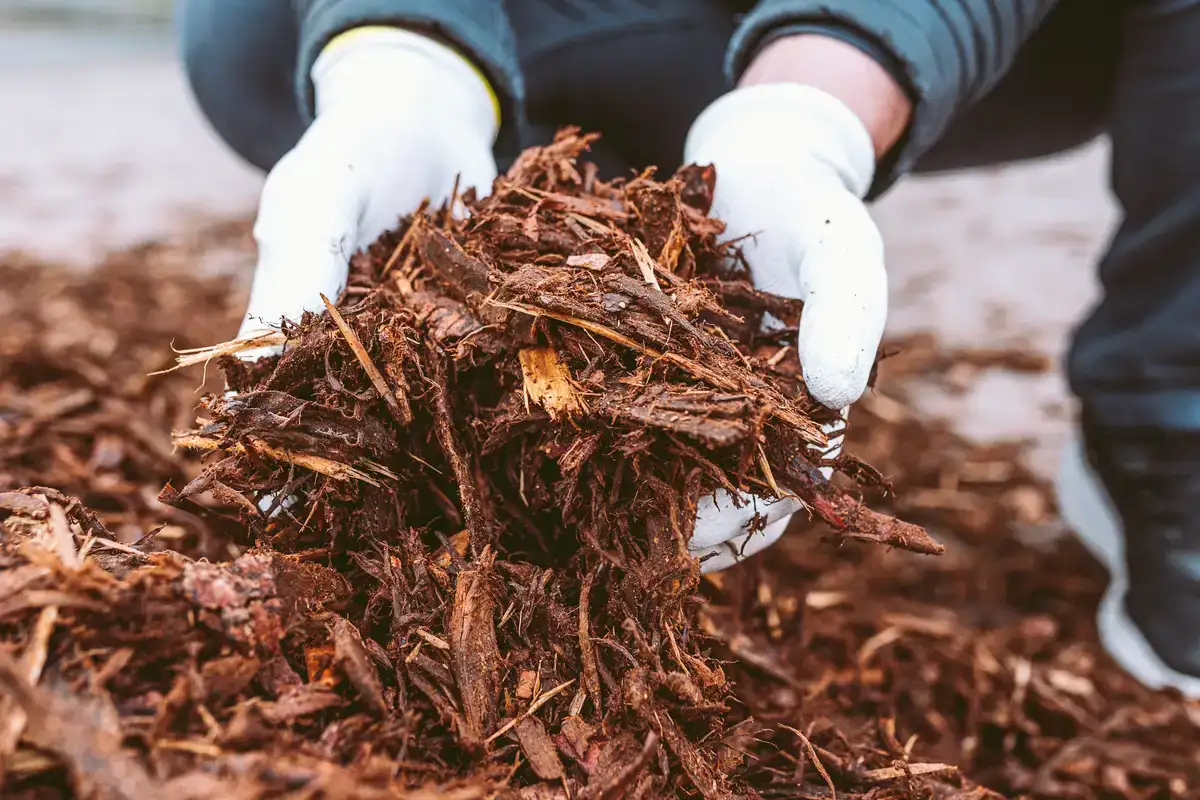
Pine straw is a Southern US staple — widely used in Georgia, the Carolinas, and Texas — and for excellent reasons. It’s lightweight, easy to spread, and creates an airy mat that sheds water gently without ever compacting into a hard layer.
Pine straw decomposes slowly, which means long-lasting coverage without constant topping up. It also naturally lowers soil pH slightly, which suits most roses well.
As members of the American Rose Society Forum note, pine straw is particularly valued in humid regions because its open texture promotes airflow, reducing the fungal disease pressure that damp, compacted mulch creates.
How to apply: 2–3 inches. Avoid stacking too thickly in very dry climates.
Best for: South, Southeast, and Pacific Northwest US regions.
4. Straw — Budget-Friendly Winter Champion
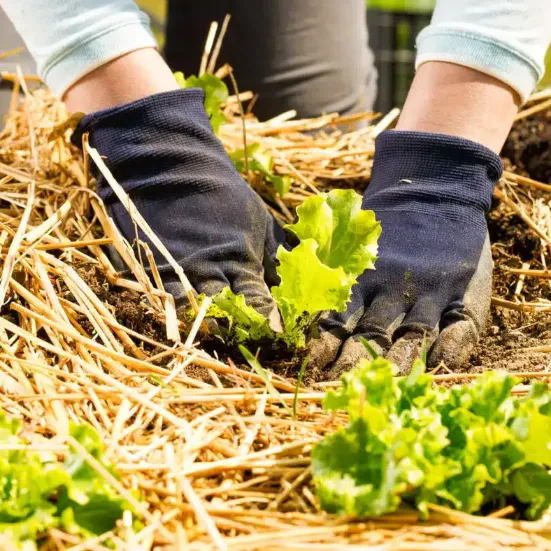
Clean straw (not hay — hay carries weed seeds) is one of the most effective and affordable mulches for protecting rose roots through winter. It’s light, airy, and insulates roots from freezing temperatures without compacting or trapping moisture against the plant.
In colder USDA Hardiness Zones — Zone 5 and below — mounding straw 6–8 inches around the base of roses before a hard freeze can mean the difference between healthy plants in spring and dead canes. The New York Botanical Garden recommends mounding 6 inches deep in late fall as the soil begins to freeze, then gradually pulling it back six weeks before the last expected frost date.
One caution: Always buy straw labeled “weed-free.” Low-quality bales bring unwanted seeds straight into your rose bed.
How to apply: 2–3 inches during the growing season; 6–8 inches mounded for winter protection in cold zones.
Best for: Cold-climate gardeners in northern US zones; budget-conscious gardeners everywhere.
5. Aged Wood Chips — Long-Lasting and Low-Maintenance
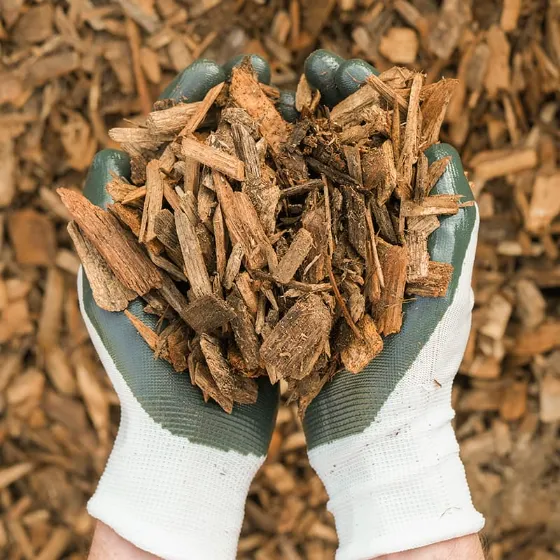
Fresh wood chips have a bad reputation around roses — and it’s partly earned. Fresh chips temporarily deplete nitrogen from the soil as they decompose, which can stress plants if the chips are mixed into the ground.
But here’s the nuance most guides miss: that nitrogen issue mainly occurs when chips are mixed into the soil, not when they sit on top as a mulch layer. Aged arborist chips — left to sit for at least 6 months — are a different story entirely: long-lasting, excellent at moisture retention, and often free or very low cost from local tree-trimming companies and municipal programs.
How to apply: 2–3 inches of aged (not fresh) chips on top of the soil only — never mix in.
Best for: Low-maintenance gardens; gardeners looking for long-lasting, affordable coverage.
6. Cocoa Shell Mulch — Attractive but Use With Caution
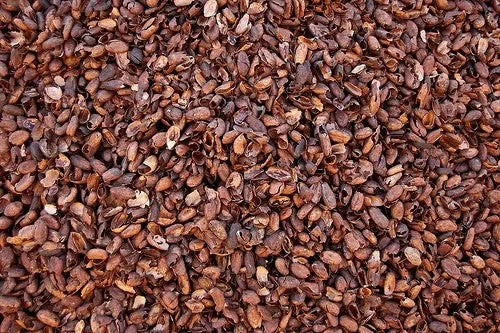
Cocoa shell mulch looks beautiful in the garden, carries a pleasant chocolate scent, and has a naturally rose-friendly pH. It’s a popular aesthetic choice at US garden centers and nurseries.
But there’s a non-negotiable warning: cocoa mulch is toxic to dogs. The chocolate scent attracts curious pets, and ingestion can cause vomiting, seizures, and in serious cases, worse. If you have dogs with access to your garden, skip this mulch entirely.
How to apply: 2–3 inches. Keep pet dogs completely away from the area.
Best for: Rose beds in pet-free gardens; gardeners who prioritize visual appeal.
Mulch Comparison Table
| Mulch Type | Cost | pH Impact | Best Season | Best US Region | Dog-Safe? |
|---|---|---|---|---|---|
| Compost | Low–Medium | Neutral | Spring & Fall | All regions |  Yes Yes |
| Shredded Hardwood Bark | Medium | Slightly acidic | Year-round | All regions | Yes |
| Pine Needles / Pine Straw | Low | Slightly acidic | Year-round | South, SE, PNW | Yes |
| Straw (weed-free) | Low | Neutral | Winter / Protection | Northern zones | Yes |
| Aged Wood Chips | Free–Low | Slightly acidic | Year-round | All regions | Yes |
| Cocoa Shell Mulch | Medium–High | Slightly acidic | Spring & Summer | All regions |  No No |
Mulch to Never Put Around Your Roses
Choosing the right mulch matters — but avoiding the wrong ones matters just as much.
Rubber or synthetic mulch traps heat, adds zero soil value, and does nothing for root health. Despite its long shelf life, it has no place in a rose garden.
Dyed mulch is another firm skip. Most dyed products are made from recycled wood pallets and old lumber that may have been treated with chemicals. As Jackson & Perkins points out, these mulches don’t break down effectively and could leach harmful compounds into your soil over time.
Fresh grass clippings on their own are a recipe for trouble. They decompose rapidly, generate heat, mat into an oxygen-blocking layer, and create ideal conditions for fungal diseases. If you want to use grass clippings, dry them completely first and always mix them with another mulch type for aeration.
Fresh manure contains salts that will burn rose roots and scorch leaves. Fully composted manure is excellent — but the fresh version causes real damage.
Peat moss dries out and forms a hard, crusty layer. Water runs off rather than soaking through, which defeats the entire purpose of mulching.
The Volcano Mulching Mistake (And How to Avoid It)
This is one of the most common rose garden mistakes in the US — and it’s easy to make without realizing it.
“Volcano mulching” is when mulch gets piled in a thick mound directly against the base of the plant — it creates a shape that looks like a little volcano around the stem. It seems protective. It’s actually dangerous. Mulch piled against canes traps moisture, invites crown rot, and creates a sheltered habitat for pests to overwinter.
The fix is simple: always leave a 2–3 inch clear ring of bare soil around each cane base. Think of it as breathing room — roses need airflow at the base just as much as they need moisture at the roots.
How to Apply Good Mulch Around Roses the Right Way
The Two-Layer Method That Most Gardeners Miss
Fine Gardening describes a technique that mimics how a healthy forest floor works — and it’s genuinely one of the most effective approaches for rose beds.
Here’s how it works:
- Layer 1: A thin ½ inch layer of finished compost placed directly on the soil surface
- Layer 2: 2–3 inches of coarser mulch (shredded bark, pine straw, or aged wood chips) spread on top
The compost at the bottom feeds the soil ecosystem from the ground up. The coarser mulch on top blocks weeds, locks in moisture, and gradually decomposes into that compost layer each season — self-refreshing year after year. It replicates what nature has been doing on forest floors for millions of years.
When Is the Best Time to Mulch Roses?
Spring is the most important window. Apply mulch in early spring — typically late March to mid-April in most US regions — shortly after your roses’ first feed and before weed seeds start germinating. David Austin Roses recommends timing this carefully: the mulch needs to go down after the soil begins to warm, not before, so it doesn’t trap cold in the root zone.
Fall is your second key window. Once the soil has cooled but before it freezes hard, add a protective layer around the base. In cold USDA zones (Zone 5 and below), mound mulch 6–8 inches deep for real winter insulation. Pull the majority of that layer back in early spring, about six weeks before your last expected frost.
Step-by-Step Application
- Water deeply the day before you mulch — moist soil holds and benefits from mulch far better than dry soil
- Clear the bed of weeds and lightly loosen the top inch of soil
- Add the compost base (the two-layer method) — a thin ½ inch layer directly on the soil
- Spread your mulch 2–3 inches deep evenly across the full bed
- Leave a 2–3 inch clear ring around every cane base — never let mulch touch the stems
- Water lightly after application to help the mulch settle into position
For a visual walkthrough of this process, David Austin Roses has an excellent step-by-step guide with photos that make the depth and spacing easy to judge.
How Often Should You Refresh Mulch Around Roses?
Most organic mulches need refreshing at least once a year — twice is better for faster-decomposing types like compost or straw. According to gardening extension resources, you generally want to top up mulch to maintain a 2–3 inch layer throughout the growing season.
It’s time to refresh your rose mulch when you notice:
- The layer has thinned below 1 inch in depth
- Weeds are pushing through easily with little resistance
- The surface looks grey, crusty, or matted into a flat sheet
- Soil is drying out faster between waterings than it used to
- The mulch color has faded significantly and no decomposition is visible underneath
Each spring, rather than simply piling more mulch on top of old material, rake the surface back slightly first. If the bottom layer has broken down into dark, crumbly material — that’s healthy decomposition. Use it as your new compost base and lay fresh mulch right on top. If the old mulch is disease-affected, remove it entirely before adding fresh material to break the spore cycle.
Frequently Asked Questions About Good Mulch for Roses
What is the best mulch to put around roses?
The best all-around option is organic compost or shredded hardwood bark. Compost feeds the soil while retaining moisture; shredded bark lasts longer and suppresses weeds more aggressively. For the best results, combine both using the two-layer method — compost base with bark on top. The American Rose Society and most expert rose growers point to organic mulches consistently as the top choice.
How deep should mulch be around rose bushes?
During the growing season, apply mulch 2–3 inches deep across the full bed. For winter protection in cold zones (USDA Zone 5 and below), mound mulch 6–8 inches around the base of each plant after the soil cools. Always maintain a 2–3 inch clear gap around the canes regardless of season.
Is fresh wood chip mulch good for roses?
Fresh wood chips are not ideal — they can temporarily deplete nitrogen as they decompose, particularly if mixed into the soil. However, aged wood chips (at least 6 months old) are excellent and one of the most cost-effective options available. Look for free aged chips from local tree services or municipal programs.
Should I use mulch or compost around roses?
Use both. Compost is a soil amendment that directly feeds soil health; mulch is a protective surface layer that retains moisture and blocks weeds. Apply a thin compost layer directly on the soil first, then cover with 2–3 inches of mulch to get the full benefit of both materials working together.
Can I use pine needles as mulch for roses?
Yes — pine needles (pine straw) are an excellent choice for roses, especially in humid or Southern US climates. They stay light and airy, don’t compact easily, shed water gently, and maintain a slightly acidic pH that most roses prefer. They’re also one of the most affordable options available in the regions where they’re most useful.
Conclusion: Keep It Simple, Keep It Consistent
You don’t need to overthink this. The formula is straightforward:
- Choose organic — compost, shredded hardwood bark, pine straw, straw, or aged wood chips all deliver real results
- Apply 2–3 inches during the growing season and always leave a clear ring around canes
- Use the two-layer method when you can — compost base first, coarser mulch on top
- Refresh at least once a year — spring and fall are your two most important windows
- Avoid rubber mulch, dyed mulch, fresh grass clippings, and peat moss
Get this right, and your roses will show it — stronger roots, fewer weeds, less time watering, and better blooms from spring through fall. Small, consistent effort under the soil pays off in everything you see above it.
Ready to level up the rest of your outdoor space? Explore more practical lawn and garden guides at Gen Lawn — built for US homeowners who want results without the guesswork.
References & Resources
External Sources
- American Rose Society — Rose care guidance, regional resources, and certified expert advice
- Bartlett Tree Research Laboratories — Soil temperature study comparing mulch types across US climates
- USDA Plant Hardiness Zone Map — Find your USDA hardiness zone by zip code
- David Austin Roses — How to Mulch a Rose — Step-by-step spring mulching guide with photos
- Fine Gardening — The Two-Layer Mulch Approach — Detailed technique for feeding roses through layered mulching
- Jackson & Perkins — What Kind of Mulch Should I Use? — Expert mulch selection guidance from a leading US rose grower
- GardeningKnowHow — Best Mulch for Roses — Expert guide by ARS Certified Master Rosarian Stan V. Griep
- Penn State Extension — Soil pH and Organic Matter — Science-backed soil health resources for home gardeners
About Author
Khalid Fazal is a seasoned lawn care specialist and horticultural researcher with over 15 years of hands-on experience transforming challenging landscapes into lush, resilient green spaces. His journey didn’t start in a lab, but in a backyard full of stubborn, cracked clay that “experts” said would never grow a healthy blade of grass. Refusing to accept a yard full of dust, Khalid spent years experimenting with organic soil restoration and precise mulching—eventually turning that wasteland into a neighborhood showpiece on a shoestring budget.
From mastering core aeration techniques to optimizing soil pH for specialized turf varieties, Khalid’s approach combines old-school grit with modern agronomic science. He founded Gen Lawn to provide homeowners with honest, research-backed advice that prioritizes long-term soil health over quick-fix chemical solutions. When he isn’t analyzing soil profiles, he’s developing precision tools to help others achieve professional results without the professional price tag.

Lawn Winterizer: When to Apply by Grass & Region [2026]
Table of Contents Home / By Khalid Fazal | Updated:...
Read More
Spring Lawn Care: What to Do and When in Every US Region
Table of Contents Home / By Khalid Fazal | Updated:...
Read More
Lawn Maintenance Checklist by Season and Grass Type (2026)
Table of Contents Home / By Khalid Fazal | Updated:...
Read More
Liquid Fertilizer vs Granular Fertilizer: Which Wins?
Table of Contents Home / By Khalid Fazal | Updated:...
Read More