
How Long Does Mulch Last? (By Type + Real Signs It’s Time to Replace)
Most mulch lasts anywhere from 1 to 6 years — but that wide range is exactly why this question matters. Choose the wrong type for your climate, apply it at the wrong depth, or ignore the warning signs, and you could be wasting money every single spring.
Here’s what you actually need to know: the type of mulch you use is the single biggest factor in how long it lasts. Organic mulches like shredded hardwood break down in a year or two. Bark mulch can survive nearly a decade. Rubber mulch? It just keeps going.
In this guide, we break down lifespan by mulch type, explain what speeds up (or slows down) decomposition, show you exactly when to replace it, and share expert-backed tips to get the most out of every yard you lay.
How Long Does Mulch Last? (Quick Answer by Type)
Before we go deep, here’s the short version. Use this table to find your mulch type fast.
| Mulch Type | Average Lifespan | Notes |
|---|---|---|
| Bark Mulch | 7–10 years | Most durable organic option |
| Wood Chips | 5–7 years | Slower breakdown than shredded |
| Shredded Hardwood | 1–3 years | Very common, mid-range lifespan |
| Pine Straw | 1–2 years | Lightweight, blows away easily |
| Dyed/Colored Mulch | 1–1.5 years (color) | Mulch functions longer than the color lasts |
| Rubber Mulch | 10+ years | Inorganic; longest lifespan |
| Straw / Grass Clippings | 3–6 months | Breaks down very fast |
| Gravel / Stone | 10+ years | Never decomposes; needs occasional cleaning |
Organic Mulch Lifespan Overview
Organic mulches — wood chips, bark, pine straw, straw — all break down over time. That’s actually a feature, not a bug. As they decompose, they return nutrients to the soil and improve its structure. The tradeoff is that you’ll need to replenish them more often.
According to Philip Carnley, Director of Sustainable Agriculture at Spartanburg Community College, mulch should be maintained at a depth of 1 to 3 inches. Once it drops below that threshold from natural breakdown, it’s time to act.
Inorganic Mulch Lifespan Overview
Inorganic mulches — rubber, gravel, stone — don’t break down. They last 10+ years with minimal maintenance and are a smart pick for high-traffic areas or low-maintenance landscapes. The downside: they don’t feed your soil, and some (like rubber) come with a higher upfront cost and a distinct smell.
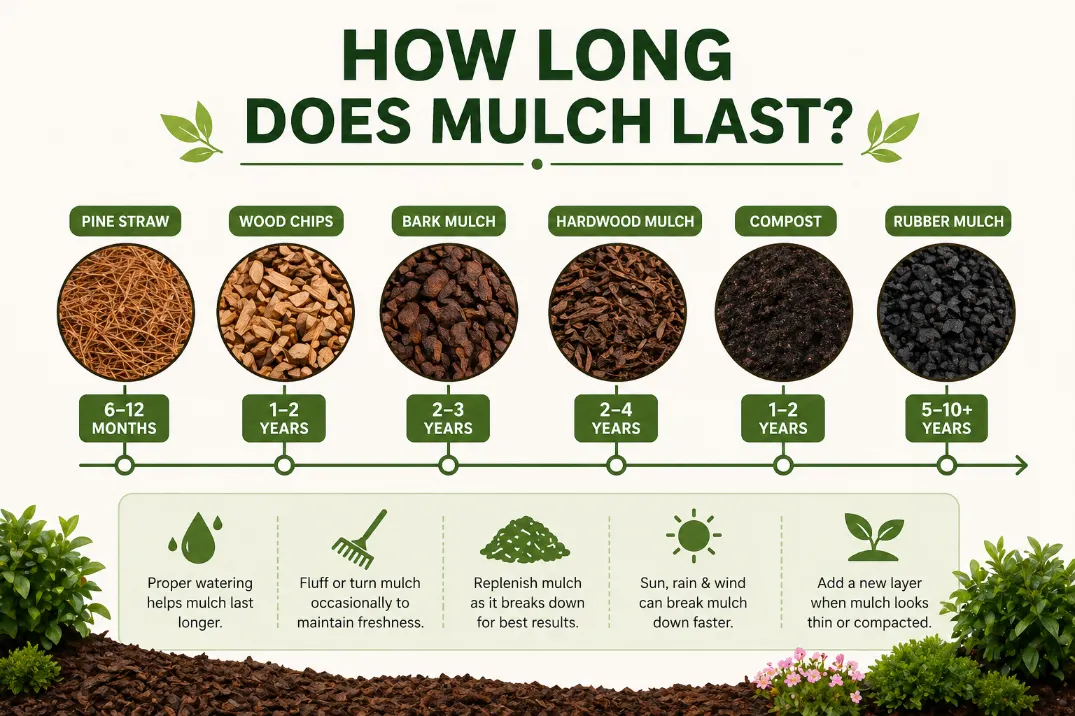
How Long Does Each Type of Mulch Last?
Bark Mulch (7–10 Years)
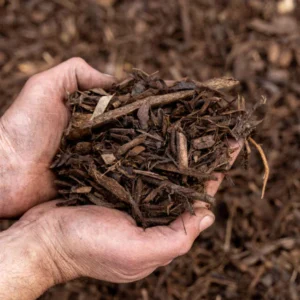
Bark mulch is the long-distance runner of the mulch world. Because bark comes from the outermost, toughest layer of the tree, it decomposes far more slowly than interior wood material. Large bark nuggets last even longer than smaller chunks — the bigger the piece, the slower the breakdown.
The catch? Large bark chunks tend to float in heavy rain. If your beds are on a slope or in a flood-prone area, this can be a problem.
Wood Chips (5–7 Years)
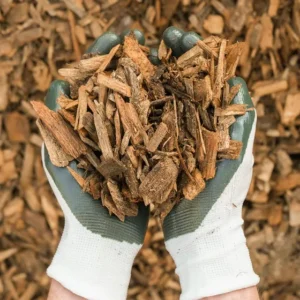
Wood chips include a mix of bark, sapwood, and hardwood — which means more chemical diversity and more nutrients going back into your soil as they break down. They decompose at a medium pace and are one of the most popular choices for homeowners.
According to Texas A&M AgriLife, using locally produced wood chips is a sustainable, environmentally sound practice that keeps useful organic material out of landfills.
Shredded Hardwood Mulch (1–3 Years)
This is the most widely used mulch in American gardens. It looks great, it’s affordable, and it’s widely available. But shredded hardwood breaks down faster than chips or bark — and it can wash or blow away in bad weather if it’s not applied at the right depth.
Here’s the thing: shredded mulch interlocks as it settles, which actually helps it stay put better than chipped varieties in wind. Apply it at 2–3 inches for the best performance and longest lifespan.
Pine Straw (1–2 Years)
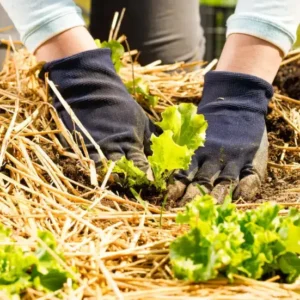
Pine straw is popular in the Southeast US. It’s lightweight, inexpensive, and gives garden beds a natural look. But it breaks down relatively quickly and needs to be replenished more often than wood-based options. In windy or wet climates, expect to refresh it annually — or even twice a year.
Rubber Mulch (10+ Years)
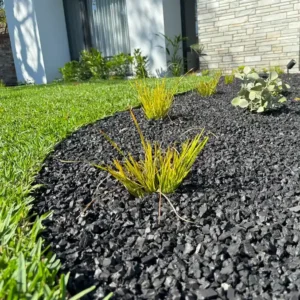
Rubber mulch doesn’t decompose. Made from recycled tires, it can last 10 or more years with almost no maintenance. It’s especially popular around playgrounds and high-traffic landscaping areas.
The downsides are worth noting: it costs more upfront, doesn’t improve soil health, and has a distinct odor — especially when it’s hot. Some homeowners also find disposal difficult when they eventually want to redesign their landscape.
How Long Does Colored Mulch Last?
This is one of the most searched sub-questions — and the answer has two parts.
The color on dyed mulch (red, black, brown) typically lasts 1 to 1.5 years before fading significantly, especially in beds with full sun exposure. The mulch itself continues doing its job (weed suppression, moisture retention) even after the color fades.
Important note: before buying dyed mulch, check how it was colored. Quality dyed mulches use carbon-based, non-toxic colorants. Cheaper options may use artificial dyes that can leach into your soil. When in doubt, ask your supplier or check the product label.
Straw, Grass Clippings & Compost (3–6 Months)
These fast-decomposing mulches are excellent for vegetable gardens and seasonal beds. They break down quickly, feeding the soil rapidly. But they need replenishment far more often than woody mulches — sometimes every few months.
Factors That Affect How Long Mulch Lasts
Climate and Rainfall
Where you live might be the biggest external factor in how long your mulch lasts. Homeowners in the Pacific Northwest, Southeast, and other high-rainfall regions often replace organic mulch annually — or even twice a year. Wood and bark mulches in wet climates can compress, mat, or develop mold within just 6 to 8 months.
In hot, dry climates like Texas or Arizona, mulch fades faster from UV exposure but breaks down more slowly from decomposition.
Sun Exposure
Full-sun beds are tough on mulch. The UV light bleaches color fast and dries out the organic material, which accelerates surface breakdown. Meanwhile, shaded areas under trees stay moist longer — which actually speeds up decomposition even as color lasts longer.
Neither is better or worse. It just changes what to expect and how often to refresh.
Application Depth
This one you can control entirely — and it matters more than most people realize.
LaLa Burgess, Urban Horticulture Agent at Clemson University Extension, explains it well: when chip or shredded mulch starts to look like compost or actual soil, it has served its primary function and is now acting as a soil amendment. That’s the signal to replenish, not replace.
A 3-inch layer lasts meaningfully longer than a 1-inch spread. Thicker mulch takes more time to decompose all the way through, and it does a better job suppressing weeds and holding moisture in the meantime.
Shred Size and Processing
Here’s a detail most homeowners don’t know about: how your mulch was processed changes how long it lasts.
- Single shred — processed once, leaving larger, chunkier pieces that break down more slowly
- Double shred — medium-sized pieces that balance durability with a cleaner appearance
- Triple shred — processed three times into fine, polished mulch that looks excellent but decomposes the fastest
If longevity is your priority, go with single or double shred. If looks matter more than lifespan, triple shred is your pick.
Signs Your Mulch Needs to Be Replaced
You don’t need to mark your calendar. Your mulch will tell you when it’s done. Here are the signals to look for.
Visual Signs
Faded color is the first thing most people notice — but it doesn’t mean the mulch has stopped working. It’s still suppressing weeds. If color matters for your curb appeal, that’s reason enough to refresh.
Bare patches or thin coverage mean the mulch has broken down or washed away. If you can see soil, it’s time to add more.
Gray or dusty appearance in natural (undyed) mulch usually happens within 1–2 months outdoors. For dyed mulch, expect color to hold for roughly a year.
Functional Signs
Compacted mulch is a bigger problem than fading. When mulch packs tight, water runs off instead of soaking through, and weed seeds find it easier to take root. If you can’t fluff it up with a rake, it’s time for fresh material.
Weed breakthrough is a clear sign your mulch layer is too thin or too broken down to do its job.
Foul smell — like rotten eggs, vinegar, or skunk — means your mulch has gone sour. This usually happens when mulch is stored without ventilation or applied too thick, trapping moisture. Break it up and let it air out. If it’s also slimy or growing fungi, remove and replace it immediately.
Water beading off the surface is a sign of hydrophobic mulch — a condition where dried-out, compacted mulch repels water instead of absorbing it. This can seriously harm your plants. If you see this, remove the mulch promptly.
Top-Dress vs. Full Replacement
Not every situation calls for a complete do-over. Here’s when each approach makes sense:
- Top-dress (add 1 inch of fresh mulch on top): When your existing mulch is thinning but otherwise healthy — no mold, no compaction, no pests
- Full replacement: When mulch is compacted, hydrophobic, moldy, infested, or has broken down entirely into compost-like soil
How to Make Your Mulch Last Longer
Apply the Right Depth (2–4 Inches)
This is the single most important thing you can do. Two to four inches is the expert-recommended sweet spot. Less than that and it breaks down too fast, dries out, and lets weeds through. More than four inches and you risk smothering plant roots and trapping too much moisture.
Avoid Volcano Mulching
Piling mulch up against the base of a tree trunk — the “mulch volcano” — is one of the most common landscaping mistakes. It traps moisture against the bark, causes rot, and can kill a tree before you even notice. Always leave a gap of a few inches around the trunk.
Rake and Turn Regularly
Once a month, loosen your mulch with a rake. This prevents compaction, improves air circulation, discourages fungal growth, and gives your beds a freshened-up look without buying new material. It’s a five-minute task that extends the life of your mulch significantly.
How Long Does Mulch Last in a Bag?
Unopened, properly stored bagged mulch can last indefinitely. The key word is dry. Moisture is the enemy — it leads to souring, mold, and pest infestation.
If you need to store excess mulch, spread it on a tarp, cover it with a second tarp, and stake down the edges while leaving some ventilation underneath. Properly stored, loose mulch stays usable for up to six months.
Avoid storing dyed mulch on concrete — the colorant can stain permanently.
Frequently Asked Questions
How long does mulch last before it needs to be replaced?
Most organic mulches last 1–3 years in typical conditions, with bark mulch lasting up to 7–10 years. Inorganic mulches like rubber or gravel can last 10+ years. The right answer for your yard depends on the type of mulch, your climate, and how deep you applied it.
How long does colored mulch last?
The color typically fades within 1 to 1.5 years, especially in direct sunlight. The actual mulch material continues functioning (weed suppression, moisture retention) longer than the color does. If aesthetics matter, plan to top-dress with fresh dyed mulch annually.
How long does mulch last in a bag (unopened)?
As long as the bag stays dry and sealed, bagged mulch can last for years. Once opened or exposed to moisture, it should be used or properly stored within a few months to prevent souring, mold, and pest attraction.
Does mulch break down, and how long does that take?
Yes — all organic mulch decomposes eventually. The rate depends on type, shred size, moisture, and temperature. Shredded hardwood may look like compost within 1–2 years. Bark chips might take 7–10 years to break down fully. As it decomposes, organic mulch adds nutrients back to your soil — so breakdown is actually a benefit.
How often should you replace mulch?
Most homeowners replenish organic mulch every 1–2 years — either with a full replacement or a top-dress of fresh material. In wet, high-rainfall climates, annual replenishment is common. In drier climates, you may stretch to every 2–3 years. Check depth each spring and fall: if it’s below 2 inches, it’s time to add more.
Final Takeaways
- Most mulch lasts 1–6 years, with bark on the long end and shredded varieties on the short end
- Rubber and gravel mulch last 10+ years but don’t improve your soil
- Depth matters more than most people realize — 2–4 inches is the sweet spot recommended by horticulture experts
- Don’t wait for a calendar reminder — faded color, compaction, bare patches, and bad smells are your cues to act
- Bagged mulch stores fine as long as it stays dry; bulk mulch is more economical for larger beds
Ready to go deeper? Check out our guide on [the best mulch types for your garden] and [how to mulch trees and shrubs correctly] to make sure every layer you lay is working as hard as possible.
About Author
Khalid Fazal is a seasoned lawn care specialist and horticultural researcher with over 15 years of hands-on experience transforming challenging landscapes into lush, resilient green spaces. His journey didn’t start in a lab, but in a backyard full of stubborn, cracked clay that “experts” said would never grow a healthy blade of grass. Refusing to accept a yard full of dust, Khalid spent years experimenting with organic soil restoration and precise mulching—eventually turning that wasteland into a neighborhood showpiece on a shoestring budget.
From mastering core aeration techniques to optimizing soil pH for specialized turf varieties, Khalid’s approach combines old-school grit with modern agronomic science. He founded Gen Lawn to provide homeowners with honest, research-backed advice that prioritizes long-term soil health over quick-fix chemical solutions. When he isn’t analyzing soil profiles, he’s developing precision tools to help others achieve professional results without the professional price tag.
Sources & References
- Burgess, LaLa — Clemson University Extension, Urban Horticulture Agent
- Carnley, Philip — Director of Sustainable Agriculture/Horticulture, Spartanburg Community College
- Texas A&M AgriLife Extension — Wood Chip Sustainability Research
- LawnStarter: How Often Should You Replace Mulch?
- Mulch Mound: How Long Does Mulch Last?
- Patuxent Nursery: Maintaining Mulch Year-Round
- Saunders Landscape Supply: Does Mulch Go Bad?

Lawn Winterizer: When to Apply by Grass & Region [2026]
Table of Contents Home / By Khalid Fazal | Updated:...
Read More
Spring Lawn Care: What to Do and When in Every US Region
Table of Contents Home / By Khalid Fazal | Updated:...
Read More
Lawn Maintenance Checklist by Season and Grass Type (2026)
Table of Contents Home / By Khalid Fazal | Updated:...
Read More
Liquid Fertilizer vs Granular Fertilizer: Which Wins?
Table of Contents Home / By Khalid Fazal | Updated:...
Read More