
How Long for Fertilizer to Work? (Real Timelines + What to Expect)
You just spread fertilizer across your lawn. Now you’re walking outside every morning, staring at the grass, wondering if anything’s actually happening.
Here’s the short answer: most fertilizers begin working within 24 hours to 7 days — but visible results can take anywhere from 1 day to 6 weeks, depending entirely on which type you used.
The wait can feel frustrating. But here’s what’s important to know: something is happening underground long before your lawn turns that deep, satisfying shade of green. This guide breaks down exactly how long each fertilizer type takes to show results, what speeds things up or slows them down, and how to tell whether your fertilizer is actually doing its job.
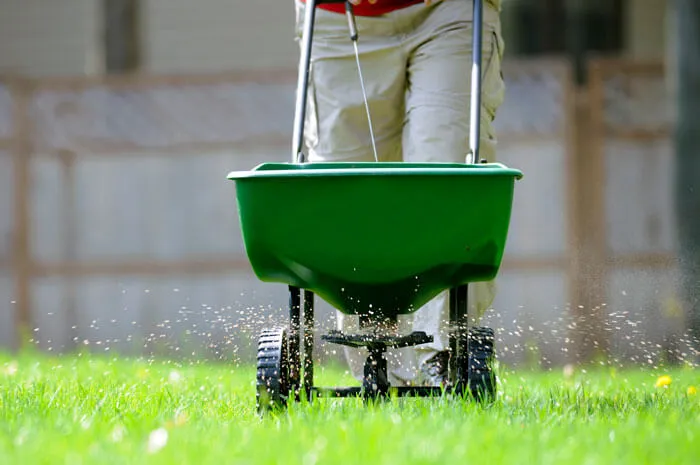
How Long for Fertilizer to Work — Quick Reference
Before diving into the details, here’s a side-by-side look at every major fertilizer type, when activity starts underground, and when you can realistically expect to see results.
| Fertilizer Type | Activity Starts | Visible Results | How Long It Lasts |
|---|---|---|---|
| Liquid (fast-release) | Within hours | 24–72 hours | 2–4 weeks |
| Fast-release granular | 15–20 hrs after watering | 3–7 days | 2–4 weeks |
| Slow-release granular | 1–2 weeks | 2–6 weeks | 6–8 weeks |
| Quick-release organic | 48–72 hours | 3–5 days | 2–4 weeks |
| Slow-release organic | 2–4 weeks | 4–8 weeks | Up to 4 months |
| Starter fertilizer | 1 week | 1–3 weeks | 4–6 weeks |
The type of fertilizer you’re using is the single biggest factor in how fast you see results. Let’s break each one down.
How Long for Each Type of Fertilizer to Work
How Long for Liquid Fertilizer to Work
Liquid fertilizers are the fastest option available. Because they’re already dissolved in water, your grass can absorb the nutrients almost immediately — through both the roots and the leaf blades in a process called foliar absorption.
Most homeowners notice a greener lawn within 24 to 72 hours of application. Liquid fertilizers bypass the breakdown process entirely, which is why they’re so fast.
The tradeoff? They don’t last long. You’ll typically need to reapply every 2 to 4 weeks during the growing season. They’re best used when your lawn needs a rapid boost — recovering from drought, pest damage, disease, or a harsh winter.
How Long for Fast-Release Granular Fertilizer to Work
Fast-release granular fertilizers dissolve quickly once moisture hits them. Research shows that grass begins absorbing nitrogen into its blades within 15 to 20 hours after the granules are properly watered in.
Visible greening typically appears within 3 to 7 days when moisture levels are adequate.
Here’s the key: granular fertilizer sitting on dry soil or a thick thatch layer does almost nothing. You need to water within 24 hours of application to activate it. After that, aim for 1–2 inches of water per week to keep results moving.
One thing to be careful about — fast-release fertilizers carry a higher risk of fertilizer burn if over-applied, especially on hot, dry days or if applied to drought-stressed grass. Always follow label rates.
How Long for Slow-Release Granular Fertilizer to Work
Slow-release granular fertilizers are coated pellets — called prills — that dissolve gradually in the soil over time. They won’t give you the instant green-up of a liquid fertilizer, but they’ll feed your lawn consistently for 6 to 8 weeks from a single application.
Expect the first visible color change around 1 to 2 weeks after application. Full results — deeper green, denser growth, stronger root systems — typically show up by week 3 to 6.
The real advantage here is consistency. Slow-release formulas promote even, balanced growth rather than a sudden surge that has you mowing every four days. They’re also much less likely to burn your lawn.
Products like Milorganite are a widely used slow-release organic-blend option, with some homeowners reporting visible results in as little as 10 days.
How Long for Organic Fertilizer to Work
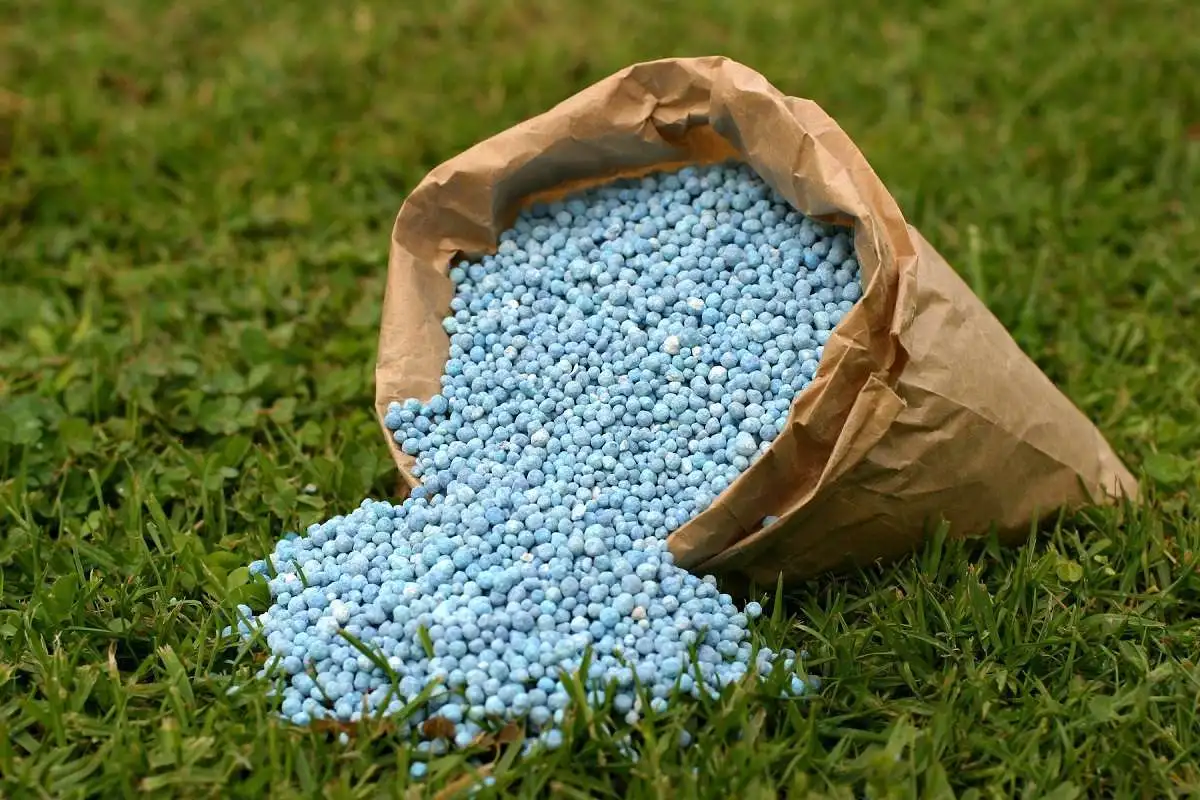
Organic fertilizers split into two very different camps — and the timeline difference between them is significant.
Quick-release organic fertilizers (fish emulsion, seaweed extract, blood meal) can show results in 48 to 72 hours. These come from natural sources that break down rapidly and deliver nutrients fast, similar in speed to synthetic liquid options.
Slow-release organic fertilizers (bone meal, compost, feather meal) rely on soil microbes to break down organic matter before nutrients become available to grass roots. This biological process takes time — expect 4 to 8 weeks for visible results, with some products taking up to 4 months for the full soil benefit to appear.
Here’s why the wait is worth it: slow-release organic fertilizers don’t just feed your grass — they improve your actual soil structure. That leads to better water retention, stronger root development, and a healthier, more resilient lawn for years to come.
How Long for Starter Fertilizer to Work
Starter fertilizers are specially formulated for new lawns — whether you’re seeding, overseeding, or laying fresh sod. They’re higher in phosphorus, which supports root development in young, establishing grass.
You’ll typically see initial results within 1 to 3 weeks. Scotts research shows starter fertilizer can help new grass grow up to 35% faster and produce 70% thicker turf compared to unfed new lawns.
After establishing, wait 6 to 8 weeks before applying your next round of fertilizer.
5 Factors That Affect How Long Fertilizer Takes to Work
Even the fastest fertilizer can underperform if conditions aren’t right. Here are the five biggest variables controlling your timeline.
Soil Temperature
This is one of the most overlooked factors in lawn care. Soil microbes — responsible for breaking down nutrients and delivering them to grass roots — become nearly inactive when soil temperature drops below 50°F.
The sweet spot for most fertilizers is a soil temperature between 55°F and 85°F, which roughly aligns with spring and early fall across most of the US. Fertilizing during a cold snap? You might wait weeks for results that should have appeared in days.
You can monitor your soil temperature with an inexpensive soil thermometer or check your local university extension office’s seasonal resources.
Watering and Moisture
For granular fertilizers, water isn’t just helpful — it’s essential. Without it, pellets simply sit on the surface and accomplish nothing.
The rule of thumb: water within 24 hours of application, and aim for 1 to 2 inches of water per week going forward. Homeowners who follow this consistently typically see results in 3 to 5 days rather than 1 to 2 weeks.
But avoid over-watering right after application. Excess water can cause nutrients to leach away from the root zone before grass absorbs them — wasting your fertilizer and potentially affecting nearby waterways.
Soil Health and pH
Here’s something many homeowners overlook: fertilizer works dramatically better in healthy, balanced soil.
If your soil pH is too acidic (below 6.0) or too alkaline (above 7.5), nutrients get chemically “locked up” in the soil and can’t be absorbed — even if you applied the right product at the right time.
Aerating your lawn before fertilizing also speeds things up considerably. Compacted soil creates a physical barrier that stops granules from reaching the roots. Annual aeration is one of the most impactful things you can do to improve fertilizer efficiency.
Not sure about your soil? A simple soil test ($15–$30 at most garden centers or through your local county extension office) tells you your pH, nutrient levels, and exactly what your lawn is missing before you spend money on fertilizer.
Your Grass Type
Cool-season and warm-season grasses operate on completely different growth cycles — and that directly affects how quickly fertilizer shows visible results.
Cool-season grasses (Kentucky bluegrass, tall fescue, perennial ryegrass) are most active in spring and fall. Fertilize during those windows and you’ll see fast, dramatic results.
Warm-season grasses (Bermuda, Zoysia, St. Augustine, Centipede) hit their stride in late spring through summer. Fertilizing a warm-season grass before it’s fully out of dormancy in early spring is like trying to wake someone up before the alarm goes off — results will be slow and disappointing.
Season and Sun Exposure
Spring fertilization consistently produces the fastest visible results. Grass is emerging from dormancy, soil is warming, and root systems are actively hungry for nutrients. Expect results 1 to 2 weeks faster in spring than in the middle of summer.
Summer fertilization is largely about maintenance, not transformation. Heat stress diverts the grass’s energy, so visible changes may appear slower even with the right product and perfect application.
One more thing worth knowing: full-sun lawns respond to fertilizer measurably faster than shaded areas. Shade reduces photosynthesis, which limits how efficiently the grass can convert nutrients into growth.
Signs Your Fertilizer Is Working (And Signs It Isn’t)
This is the question nobody really answers directly — so here it is straight.
Signs it IS working:
- Deeper, richer green color appearing within the first week (this is always the first visible sign)
- Faster mowing frequency — you’ll notice the growth surge before color even fully deepens
- Thicker turf density that fills in over several weeks
- Reduction in bare patches as root systems strengthen and grass spreads
Don’t panic if you notice:
- Slight yellowing in the first few days — this is common and temporary, especially with fast-release products
- No visible change in the first week if you’re using slow-release — that’s completely normal
- Slightly uneven color — this usually just means uneven application or watering patterns
When to actually be concerned:
- No visible change by week 3 on granular fertilizer with consistent watering — check your soil pH and moisture levels
- Brown or crispy patches appearing soon after application — this is fertilizer burn, typically caused by over-application or applying to dry grass in heat
- Grass deteriorating rather than improving — this could signal a soil pH problem, nutrient lockout, or an underlying disease issue that fertilizer alone won’t fix
Frequently Asked Questions About How Long Fertilizer Takes to Work
How Long Does Fertilizer Take to Work After Rain?
Light to moderate rain after application is actually a good thing — it helps dissolve granular fertilizer and moves nutrients toward the root zone, speeding up results. However, heavy rainfall or flooding right after application can wash nutrients away before the soil absorbs them. If a significant storm is forecast within 24 hours of applying, it’s worth waiting for it to pass.
How Long for Fertilizer to Work on Yellow or Stressed Grass?
Yellow grass often signals a nitrogen deficiency. A liquid or fast-release fertilizer can begin restoring color in 2 to 5 days under good conditions. However, if yellowing is caused by soil pH imbalance, iron deficiency on alkaline soil, or an underlying disease, fertilizer alone won’t fix it. Identify the root cause first with a soil test before applying.
Can Fertilizer Work Overnight?
No fertilizer produces fully visible results overnight. Even the fastest liquid products need 24 to 48 hours before you’ll notice any real color change. Absorption begins within hours, but grass blades take time to visibly reflect those nutrient gains. If a product promises overnight results, that’s a red flag.
How Long After Fertilizing Can I Mow?
Wait at least 24 hours after applying fertilizer before mowing. This gives granular products time to settle and begin absorbing into the soil. Mowing too soon can physically disturb the fertilizer pellets before they’ve been watered in, reducing their effectiveness. For liquid fertilizers, wait until the product has fully dried on the grass blades before mowing.
How Long Does Fertilizer Last in the Soil?
It depends on the type. Fast-release fertilizers are active in the soil for 2 to 4 weeks. Slow-release granular products feed your lawn for 6 to 8 weeks per application. Slow-release organic fertilizers can remain biologically active for up to 4 months, gradually improving soil structure and microbial health long after the visible results appear on the surface.
The Bottom Line
How long for fertilizer to work? Here’s the fast version:
- Liquid fertilizer: 24–72 hours
- Fast-release granular: 3–7 days with proper watering
- Slow-release granular: 2–6 weeks, feeds for 6–8 weeks total
- Quick-release organic: 48–72 hours
- Slow-release organic: 4–8 weeks, with up to 4 months of soil benefit
- Starter fertilizer: 1–3 weeks for new lawns
The fastest results always come from matching the right fertilizer type to your grass’s current needs — and making sure soil temperature, moisture, and pH are all working in your favor.
Not sure which fertilizer schedule makes sense for your lawn type and your region? Explore Gen Lawn’s complete lawn care guides for step-by-step seasonal advice tailored to US homeowners.
References & External Resources
- Scotts Miracle-Gro — Understanding Fertilizer Numbers (NPK)
- University of Minnesota Extension — Fertilizing Lawns
- Penn State Extension — Soil pH and Plant Nutrients
- Pennington — Lawn Aeration: Everything You Need to Know
- Pennington — Cool-Season vs Warm-Season Grasses
- Pennington — Understanding Fertilizer Burn
- Milorganite — How to Use Milorganite on Your Lawn
- EPA — Nutrient Pollution: Agriculture Sources and Solutions
- USDA NRCS — Soil Health and Microbial Activity
- Lawn Chick — How Long Does Granular Fertilizer Take to Work?
- Hunker — How Long Does Fertilizer Take to Work in the Grass?
About Author
Khalid Fazal is a seasoned lawn care specialist and horticultural researcher with over 15 years of hands-on experience transforming challenging landscapes into lush, resilient green spaces. His journey didn’t start in a lab, but in a backyard full of stubborn, cracked clay that “experts” said would never grow a healthy blade of grass. Refusing to accept a yard full of dust, Khalid spent years experimenting with organic soil restoration and precise mulching—eventually turning that wasteland into a neighborhood showpiece on a shoestring budget.
From mastering core aeration techniques to optimizing soil pH for specialized turf varieties, Khalid’s approach combines old-school grit with modern agronomic science. He founded Gen Lawn to provide homeowners with honest, research-backed advice that prioritizes long-term soil health over quick-fix chemical solutions. When he isn’t analyzing soil profiles, he’s developing precision tools to help others achieve professional results without the professional price tag.

Lawn Winterizer: When to Apply by Grass & Region [2026]
Table of Contents Home / By Khalid Fazal | Updated:...
Read More
Spring Lawn Care: What to Do and When in Every US Region
Table of Contents Home / By Khalid Fazal | Updated:...
Read More
Lawn Maintenance Checklist by Season and Grass Type (2026)
Table of Contents Home / By Khalid Fazal | Updated:...
Read More
Liquid Fertilizer vs Granular Fertilizer: Which Wins?
Table of Contents Home / By Khalid Fazal | Updated:...
Read More