
How Much Is a Scoop of Mulch? 2026 Pricing, Size & Coverage Guide
A scoop of mulch in 2026 costs between $25 and $80 — but that number means almost nothing until you know what size scoop you’re actually getting.
Here’s the problem most homeowners run into: “scoop” isn’t a standard unit. Two suppliers can charge the exact same price per scoop and deliver completely different amounts of mulch. That one misunderstanding leads to miscalculated orders, wasted money, and garden beds that run out halfway through the job.
This guide gives you real pricing by mulch type, exact coverage numbers, a simple formula to calculate how many scoops you need, and five questions to ask any supplier before you order. By the end, you’ll have everything you need to get the right amount without overpaying.
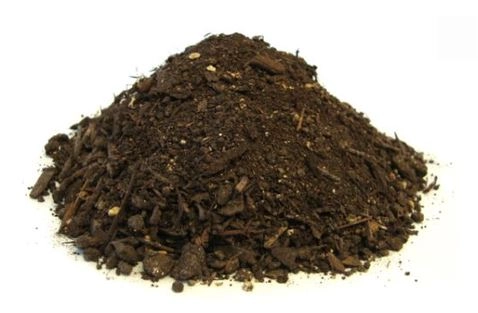
What Is a Scoop of Mulch, Exactly?
Before you can answer “how much is a scoop of mulch,” you need to understand what you’re buying — because it varies more than most people expect.
The Size of a Standard Loader Scoop
A “scoop” refers to one bucket-load from a front-end loader — the heavy equipment landscape supply yards use to fill your truck or dump into a delivery vehicle. The challenge is that loader buckets come in different sizes depending on the machine and the supplier.
Most scoops in the US fall somewhere between 0.5 and 1.25 cubic yards. The most common benchmark is ⅔ of a cubic yard, which equals roughly 18 cubic feet.
To put that in perspective: one cubic yard is a 3×3×3 foot block of material — roughly the size of a standard washing machine. Knowing this helps you convert scoop prices to a common unit so you can actually compare quotes.
Pro tip: Before ordering from any supplier, ask: “How many cubic yards is your scoop?” That one question makes every price comparison accurate.
What Real US Suppliers Are Charging Per Scoop
Here’s what actual landscape supply yards across the country are pricing right now:
| Supplier | Scoop Size | Price Per Scoop |
|---|---|---|
| Miller Plant Farm (PA) | ½ cubic yard | $21.99 |
| Ken-Mulch | ½ cubic yard | $31.95 (black mulch) |
| Bucklins Tree Service (WI) | ½ yd (small) / 1 yd (medium) | $22–$38 |
Notice how the same word — “scoop” — covers very different volumes and prices across different suppliers. This is exactly why verifying the cubic yard size matters before you commit to an order.
How Much Does a Scoop of Mulch Cost in 2026?
Now for the pricing breakdown you came here for.
Average Scoop Price by Mulch Type
Mulch pricing shifts considerably based on the material. Here’s what you can expect to pay per ⅔ cubic yard scoop across most US markets in 2026:
| Mulch Type | Avg. Cost Per Scoop | Notes |
|---|---|---|
| Basic Wood Chips / Natural | $15–$30 | Most affordable; natural brown color |
| Shredded Hardwood | $25–$45 | Common in flower beds and borders |
| Colored / Dyed Mulch | $35–$60 | Black, red, or brown; processing adds cost |
| Cedar / Pine Bark | $45–$70 | Lasts longer; naturally aromatic |
| Rubber Mulch | $60–$90 | Inorganic; 10+ year lifespan |
Want a deeper breakdown of which mulch type performs best for different applications? LawnStarter’s mulch cost guide covers material-by-material comparisons with real pricing data.
What Pushes the Price Higher?
The scoop price is just the starting point. Here’s what typically moves your final cost up:
- Mulch type: Organic hardwood costs less than cedar, cypress, or rubber — often by 30–50%
- Scoop size: A larger bucket means more material at the same “per scoop” label price
- Your region: Urban markets and the West Coast price higher than the rural Midwest or South
- Delivery vs. pickup: Delivery adds $25 to $100+ to your total. Angi’s mulch delivery cost breakdown puts average professional delivery at $75–$325 depending on volume
- Season: Spring demand spikes prices — buying in late summer or fall saves 10–20%
How Much Area Does One Scoop of Mulch Cover?
This is where most people make their biggest mistake. They price shop without calculating coverage — and end up either short of mulch or sitting on a pile they don’t need.
Coverage Table by Depth
How far a scoop goes depends entirely on how deep you spread it. Landscapers measure coverage in square feet, and the target depth makes a major difference:
| Depth | ⅔ CY Scoop (~18 cu ft) | 1 CY Full Scoop (27 cu ft) |
|---|---|---|
| 1 inch | ~195 sq ft | ~324 sq ft |
| 2 inches | ~80–100 sq ft | ~162 sq ft |
| 3 inches (recommended) | ~60–70 sq ft | ~108 sq ft |
| 4 inches | ~45–55 sq ft | ~81 sq ft |
The 2–3 Inch Mulching Rule (And Why It Matters for Lawn Health)
Most landscapers — and the EPA’s composting and soil guidance — recommend a depth of 2–3 inches for most residential applications. Here’s why it matters:
- 2 inches: Solid weed suppression and moisture retention in established beds
- 3 inches: Ideal for new beds, heavy weed pressure, or areas that dry out quickly
- Under 1 inch: Weeds break through easily — too thin to do real work
- Over 4 inches: Risks root suffocation and fungal buildup near plant stems — too much causes real damage
The goal is protecting the soil without smothering what’s growing in it. Proper depth is where the difference between a lawn that thrives and one that struggles often starts.
How Many Scoops of Mulch Do You Need?
Here’s a quick reference table to match your project size to a scoop estimate at the recommended 3-inch depth:
| Project Size | Area (sq ft) | Scoops Needed (at 3″) |
|---|---|---|
| Small flower bed | ~100 sq ft | 1 scoop |
| Medium front yard border | ~250 sq ft | 2–3 scoops |
| Large landscape refresh | ~500 sq ft | 5–6 scoops |
| Full yard coverage | 1,000+ sq ft | 10+ scoops |
The Formula to Calculate Your Exact Number
Don’t want to estimate? Use this:
Length (ft) × Width (ft) × Depth (in) ÷ 12 ÷ 27 = Cubic yards needed
Example: A 20 ft × 15 ft bed at 3-inch depth = 20 × 15 × 3 ÷ 12 ÷ 27 = 2.78 cubic yards — so you’d order 3 scoops of a standard ⅔ CY size, or 3 full 1 CY scoops for added buffer.
Prefer to skip the math entirely? This free Mulch Calculator from The Calculator Site lets you enter dimensions, choose depth, and get your cubic yard total instantly.
Is Buying Mulch by the Scoop Worth It? (Vs. Bags)
The short answer: usually, yes — but the right answer depends on your project size and timing.
The Real Cost Comparison: Scoop vs. Bags
One ⅔ cubic yard scoop equals approximately 9 bags of 2-cubic-foot mulch. A full 1 cubic yard scoop equals about 13–14 bags.
When you run the math, bulk mulch by the scoop is typically 40–60% cheaper per cubic yard than buying the equivalent volume in bags from a big box store at regular prices. HomeGuide’s mulch pricing data puts bagged mulch at $50–$90 per cubic yard equivalent, compared to $30–$60 per yard for bulk.
But wait — there’s one exception that changes the math completely.
When Bags Actually Win the Price War
Every spring, major retailers run deep-discount mulch sales that can rival — or beat — bulk pricing for smaller projects.
The Home Depot Spring Black Friday Sale (which ran April 9–22, 2026) offered 5 bags of Earthgro mulch for $10 — roughly $27 per cubic yard equivalent. Lowe’s SpringFEST ran a matching deal through April 22.
The rule of thumb: if your project needs 2 cubic yards or less, check spring bag sales first. If you need 3+ cubic yards, bulk scoops almost always win — even before factoring in the time and trips required for bags.
5 Questions to Ask Before You Order a Scoop of Mulch
Most people call a supplier, ask “how much is a scoop of mulch?” and stop there. Here’s the problem — a price without context is useless.
Before you commit to any order, ask these five questions:
- How many cubic yards is your scoop? — The most important question. Without this, you cannot compare prices accurately across suppliers.
- Is delivery included, or is it extra? — A $30 scoop with a $75 delivery fee is a $105 scoop. Know the total before you say yes.
- What mulch types do you carry? — Many local supply yards stock varieties that big box stores don’t, at better prices.
- Is there a pickup discount? — Many yards reduce the per-scoop price by $5–$15 if you load and haul yourself.
- Do you offer pricing breaks for multiple scoops? — Ordering 5+ scoops often unlocks lower per-scoop pricing. Always ask before ordering large quantities.
Two minutes of questions can save a significant amount on any mulch project.
Frequently Asked Questions About Mulch Scoop Pricing
How many bags of mulch equal one scoop?
A standard ⅔ cubic yard scoop equals about 9 bags of 2-cubic-foot mulch. A full 1 cubic yard scoop is equivalent to roughly 13–14 bags. The key is confirming your supplier’s scoop volume first — a ½ cubic yard scoop only equals about 6–7 standard bags.
Is buying mulch by the scoop cheaper than buying bags?
In most situations, yes — bulk scoop pricing is 40–60% cheaper per cubic yard than retail bagged mulch. The exception is major spring sales at Home Depot or Lowe’s, where bags can drop to $2 each (roughly $27 per cubic yard equivalent). For projects under 2 cubic yards, compare the spring sale math before defaulting to bulk.
What is the cheapest time of year to buy mulch?
Two windows offer the best pricing. For bulk scoops, late summer to fall (August–October) is when suppliers discount to move inventory — typically 10–20% savings over spring rates. For bagged mulch, late March to mid-April is peak sale season at major retailers. The Krazy Coupon Lady’s mulch sale tracker monitors both Home Depot and Lowe’s sales in real time — worth bookmarking before your next order.
How much does a full truckload of mulch cost?
A standard pickup truck holds about 2–3 cubic yards of mulch when level-full. If you’re having mulch professionally delivered, HomeGuide puts average mulch delivery costs at $80–$175 per cubic yard including material and transport. Larger orders of 5+ cubic yards typically bring the per-yard rate down — always ask about volume pricing before booking delivery.
Does one scoop cover an entire yard?
Unlikely for most yards. One ⅔ cubic yard scoop covers roughly 60–100 square feet at a 3-inch depth — enough for a small flower bed or a short garden border. For a medium front yard refresh, expect to order 3–5 scoops. For full coverage of larger properties, use the formula above or the linked calculator to get your exact number before calling a supplier.
The Bottom Line on Mulch Scoop Pricing
Here’s what to take away from this guide:
- A scoop of mulch costs $25–$80, depending on type, size, and location
- Most scoops equal roughly ⅔ of a cubic yard (~18 cubic feet) — but confirm this with your supplier
- At the recommended 3-inch depth, one scoop covers approximately 60–100 square feet
- Bulk scoops beat bagged mulch by 40–60% in most scenarios — except during spring sales
- Always ask: “How many cubic yards is your scoop?” before comparing prices
Getting mulch coverage right starts with knowing your numbers. Measure your beds, pick your depth, run the formula — then call your supplier with a specific quantity rather than a vague estimate. That single habit will save you money on every project going forward.
Need help calculating the right amount for your yard? Use our free mulch calculator and get your cubic yard total in seconds — no math required.
References & Further Reading
- LawnStarter: How Much Does Mulch Cost? (2026)
- HomeGuide: Mulch Prices & Delivery Cost Guide
- Angi: Mulch Delivery and Installation Cost (2026)
- The Calculator Site: Free Mulch Calculator
- The Krazy Coupon Lady: When Does Mulch Go on Sale?
- EPA: Composting at Home — Soil & Landscape Use
- Calculator Soup: Mulch Volume Calculator
About Author
Khalid Fazal is a seasoned lawn care specialist and horticultural researcher with over 15 years of hands-on experience transforming challenging landscapes into lush, resilient green spaces. His journey didn’t start in a lab, but in a backyard full of stubborn, cracked clay that “experts” said would never grow a healthy blade of grass. Refusing to accept a yard full of dust, Khalid spent years experimenting with organic soil restoration and precise mulching—eventually turning that wasteland into a neighborhood showpiece on a shoestring budget.
From mastering core aeration techniques to optimizing soil pH for specialized turf varieties, Khalid’s approach combines old-school grit with modern agronomic science. He founded Gen Lawn to provide homeowners with honest, research-backed advice that prioritizes long-term soil health over quick-fix chemical solutions. When he isn’t analyzing soil profiles, he’s developing precision tools to help others achieve professional results without the professional price tag.

Lawn Winterizer: When to Apply by Grass & Region [2026]
Table of Contents Home / By Khalid Fazal | Updated:...
Read More
Spring Lawn Care: What to Do and When in Every US Region
Table of Contents Home / By Khalid Fazal | Updated:...
Read More
Lawn Maintenance Checklist by Season and Grass Type (2026)
Table of Contents Home / By Khalid Fazal | Updated:...
Read More
Liquid Fertilizer vs Granular Fertilizer: Which Wins?
Table of Contents Home / By Khalid Fazal | Updated:...
Read More