
Hybrid Bermuda Lawn: The Complete Guide to Growing and Maintaining a Championship-Quality Turf
Ever wonder how golf courses pull off that impossibly dense, dark-green carpet look — summer after summer, regardless of heat or drought? Chances are, you’re staring at a hybrid Bermuda lawn.
Hybrid Bermuda grass is the gold standard of warm-season turf. It’s the same grass that covers NFL stadiums, professional golf course fairways, and an increasing number of high-end residential yards across the American South. And for good reason — it’s tough, beautiful, and built to last.
But here’s the thing: hybrid Bermuda isn’t for everyone. It has real maintenance demands, specific climate requirements, and a higher upfront cost than most common grasses.
This guide covers everything you need to know — what hybrid Bermuda actually is, which variety is right for your yard, how to plant it, how to care for it year-round, and how to decide if it’s the right call for your lawn. Let’s get into it.
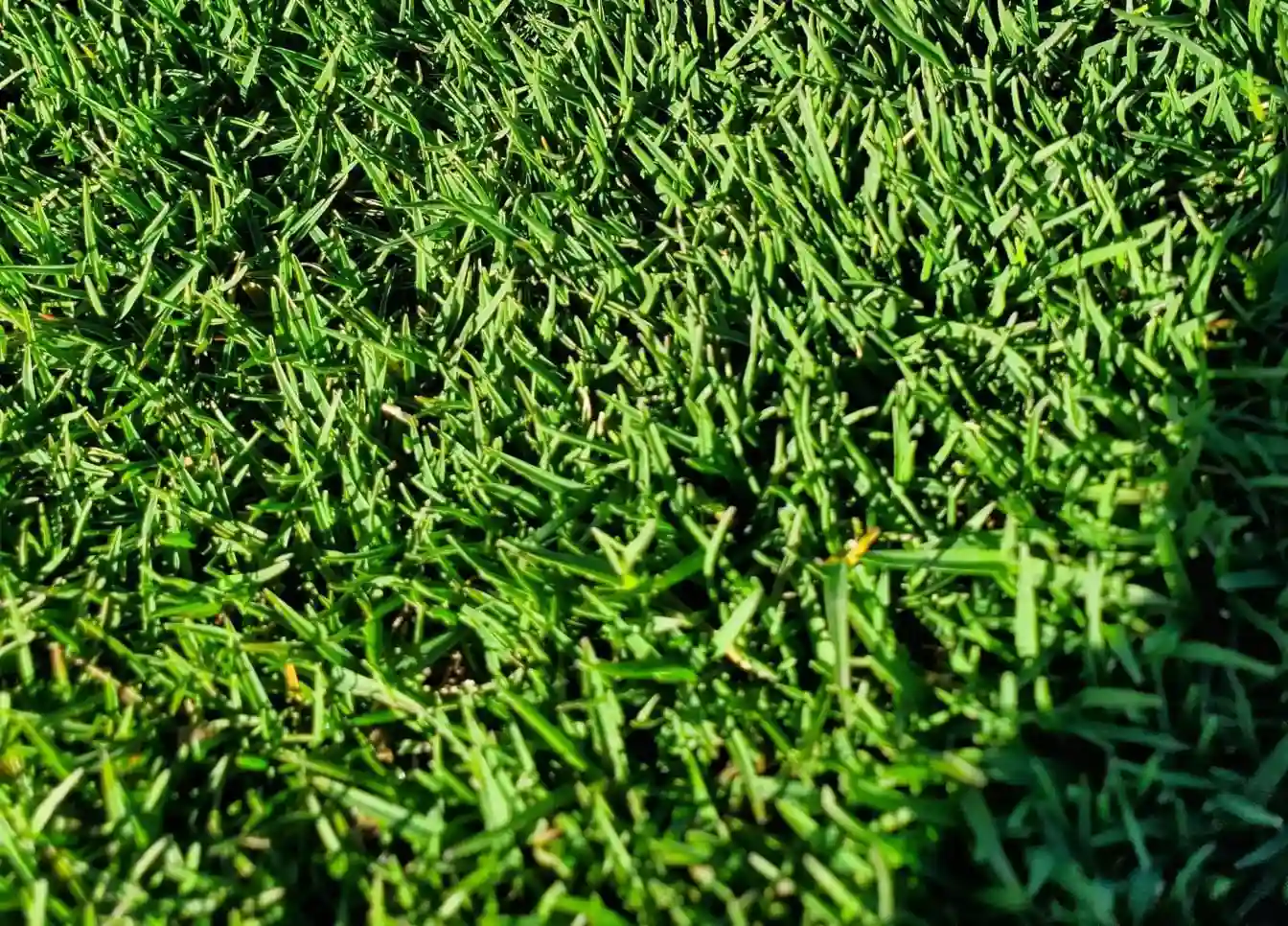
What Is a Hybrid Bermuda Lawn?
Hybrid Bermuda grass is a specially bred variety of Bermudagrass created by crossing two different species: Cynodon dactylon (common Bermuda) and Cynodon transvaalensis (African Bermuda). The result is a grass that combines the best traits of both parents — a finer texture, deeper color, and far superior density compared to anything you’d find in a basic seed bag at your local hardware store.
How Hybrid Bermuda Differs from Common Bermuda
The most important thing to understand is that hybrid Bermuda and common Bermuda are not interchangeable. They look different, behave differently, and require completely different levels of care.
Here’s a quick side-by-side:
| Feature | Common Bermuda | Hybrid Bermuda |
|---|---|---|
| Texture | Coarse, wider blades | Fine, narrow blades |
| Color | Medium green | Deep, vibrant green |
| Established by | Seed or sod | Sod, sprigs, or plugs only |
| Density | Moderate | Very high |
| Maintenance Level | Moderate | Higher — but more rewarding |
| Best Uses | General lawns, parks | High-end lawns, sports fields, golf courses |
| Disease Resistance | Moderate | Enhanced |
Common Bermuda is affordable, tough, and easy to get established. But if you’ve ever seen a well-maintained hybrid Bermuda lawn and then looked at a common Bermuda yard side by side, the difference is night and day.
Why Hybrid Bermuda Is Sterile (And Why That Matters)
Here’s something most homeowners don’t know going in: hybrid Bermuda grass is sterile. It cannot produce viable seeds. This is actually a feature, not a bug — that sterility is what ensures every blade of grass in your lawn is genetically identical, producing that perfectly uniform, carpet-like appearance.
But it means one very important thing for your wallet: you cannot plant a hybrid Bermuda lawn from seed. Full stop. It must be established through sod, sprigs, or plugs — all of which cost more than seeding. Plan your budget accordingly.
Best Hybrid Bermuda Lawn Varieties in the US
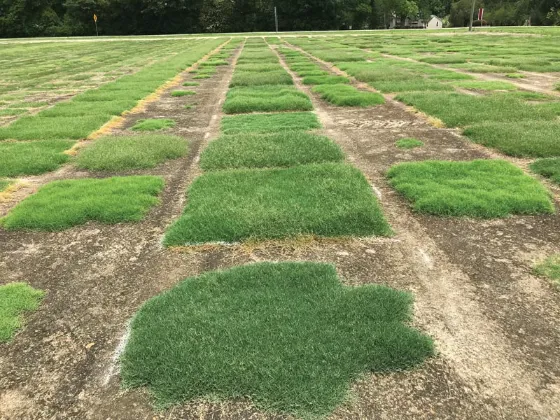
Not all hybrid Bermuda varieties are created equal. Different cultivars shine in different conditions. Here are the ones that matter most for US homeowners.
Tifway 419 — The Gold Standard
Tifway 419 has been the benchmark hybrid Bermuda for more than 50 years. For over half a century, Tifway delivered unmatched quality and performance, making it a fine-textured, dense, sterile hybrid that performs well in residential and commercial landscapes, golf course fairways and tees, sports fields, and public and private parks. SuperSod
Its deep green blades, excellent wear tolerance, and fast recovery make it the top pick for homeowners who want a professional-looking lawn that can handle heavy use. It thrives in USDA Zones 7b to 11a.
Best for: High-traffic residential lawns, athletic fields, anyone who wants that “golf fairway” look.
TifTuf — The Drought Champion
TifTuf is the newest major release from the University of Georgia’s renowned turfgrass breeding program, and it’s rapidly becoming the new residential standard. The data behind it is striking.
In University of Georgia tests, TifTuf uses 38% less water than Tifway while maintaining better turf quality. SuperSod That’s not a marketing claim — it’s backed by decades of independent research from Texas A&M, Oklahoma State, NC State, and the University of Florida.
TifTuf Bermuda is the first and only grass to be awarded the Smart Approved WaterMark for its exceptional water-saving benefits. The Turf Grass Group
Beyond water savings, TifTuf also offers one full hardiness zone beyond most hybrid Bermudas, reaching into Zone 6b — meaning homeowners in the transition zone now have a viable hybrid option where they previously didn’t.
Best for: Water-conscious homeowners, drought-prone climates, anyone tired of high irrigation bills.
Celebration Bermuda — The Shade Tolerator
Celebration is the go-to hybrid Bermuda for yards that receive some shade. While no hybrid Bermuda variety truly thrives in heavy shade, Celebration outperforms all others in partially shaded conditions.
It also earns praise for its soft texture underfoot, its deep blue-green color, and its strong recovery from drought and traffic. If your yard has trees or structures that cast afternoon shade, Celebration is your best hybrid Bermuda option.
Best for: Yards with partial shade, homeowners who prioritize a softer, lush feel.
Other Notable Varieties
A few others worth knowing:
- Tifgreen: A classic variety still commonly used on golf course putting greens and tees. Extremely fine-bladed and dense.
- Tifdwarf: A vegetative mutant of Tifgreen with even shorter internodes. Used almost exclusively for professional golf greens and bowling surfaces.
- Latitude 36 / NorthBridge / Tahoma 31: Cold-hardy hybrids specifically bred for the northern transition zone (Zones 6b–7). If you live in Tennessee, Virginia, or the Carolinas, these are your varieties to research.
How to Plant a Hybrid Bermuda Lawn
Planting hybrid Bermuda isn’t complicated — but there’s a right way and a wrong way. Getting the basics right at the start saves you months of frustration.
Best Time to Plant
The sweet spot for hybrid Bermuda installation is late spring through early summer, once soil temperatures have consistently climbed above 65°F. This gives the grass maximum growing time to establish before the heat of summer peaks — and well before fall dormancy sets in.
Avoid fall planting. Hybrid Bermuda needs time to establish a deep root system before going dormant, and a fall install doesn’t give it that window.
Soil Preparation
A hybrid Bermuda lawn lives and dies by its soil foundation. Here’s what to do before your sod, sprigs, or plugs ever touch the ground:
- Test your soil pH. A hybrid Bermuda lawn thrives in well-drained, fertile soil with a pH range of 6.0 to 7.0. Sandy loam is ideal, but clay soils can work if properly aerated and amended. Lawn Smart KC
- Remove all existing grass, weeds, and debris completely
- Till the soil 4–6 inches deep
- Amend heavy clay soils with compost to improve drainage
- Grade the surface to prevent standing water
Don’t skip the soil test. It’s a $15–$25 investment that tells you exactly what amendments your soil needs — and saves you from guessing with fertilizer all season.
Sod vs. Sprigs vs. Plugs — Which Method Should You Choose?
Since hybrid Bermuda can’t be seeded, you have three installation options. Each has a different cost, timeline, and ideal use case:
| Method | Relative Cost | Establishment Time | Best For |
|---|---|---|---|
| Sod | Highest | 2–3 weeks | Full lawn installs, fastest results |
| Sprigs | Medium | 4–8 weeks | Large areas, budget-conscious installs |
| Plugs | Lowest | 8–12 weeks | Small areas, DIY patch fills |
For most homeowners installing a new hybrid Bermuda lawn, sod is the recommended choice. Yes, it costs more upfront. But you get an established lawn in weeks instead of months, with far less risk of weed invasion during the patchy establishment period.
Hybrid Bermuda Lawn Care: The Year-Round Playbook
Here’s where hybrid Bermuda earns its “high maintenance” reputation. It demands more attention than most grasses — but follow this playbook and the results are genuinely stunning.
Mowing — The Single Most Critical Factor
Mowing isn’t just aesthetic with hybrid Bermuda. It directly controls the density, color, weed resistance, and overall health of your turf.
Hybrid Bermuda grass varieties like Tifway 419 and TifTuf look best when kept short and trimmed with a reel mower, which delivers a clean, even cut that rotary mowers often can’t achieve at low heights. Golf Course Lawn Store
Key mowing rules:
- Ideal height: 0.5–1.5 inches (lower end for golf course finish, higher end for standard residential)
- Mower type: Reel mower strongly recommended for anything under 1.5 inches
- Never remove more than ⅓ of the blade in a single mow — this causes stress and scalping
- Frequency: Every 3–5 days during peak summer growth (June–August)
- First spring mow: Scalp the lawn by going one notch lower than usual — this removes dormant thatch and exposes soil to warming sunlight
Watering the Right Way
Hybrid Bermuda is drought-tolerant, but drought-tolerant doesn’t mean drought-proof. During the active growing season, it needs consistent moisture to perform.
- Target 1–1.25 inches of water per week, including rainfall
- Water early morning (before 10 a.m.) to minimize evaporation and fungal risk
- Water deeply and infrequently — this trains roots to grow deeper, which improves drought resistance over time
Signs your hybrid Bermuda lawn needs water:
- A bluish or grayish tint to the grass
- Footprints or mower tracks that don’t spring back within minutes
- Leaf blades beginning to fold lengthwise
Fertilizing Schedule
Hybrid Bermuda is a heavy feeder during its active growing season. Nitrogen is the key driver of that deep green color and dense growth you’re after.
General fertilizing principles:
- Apply a high-nitrogen fertilizer during the active growing season (late spring through late summer)
- Apply between 3 and 6 pounds of nitrogen per 1,000 square feet annually, during the growing season. Too much fertility will result in a thatchy and unhealthy lawn. SuperSod
- Always base applications on a soil test — never guess
- Alternate between slow-release granular formulas (for sustained feeding) and liquid applications (for quick green-up boosts)
- Stop fertilizing 6–8 weeks before your first expected frost — late-season nitrogen pushes tender growth that gets damaged by cold
Seasonal Care Snapshot
| Season | Key Hybrid Bermuda Lawn Actions |
|---|---|
| Spring | Scalp and dethatch, apply pre-emergent herbicide, start fertilizing after green-up |
| Summer | Mow every 3–5 days, deep water twice weekly, fertilize monthly |
| Fall | Reduce fertilizing, consider ryegrass overseeding, raise mowing height slightly |
| Winter | Dormancy — minimize foot traffic, no fertilizer, no mowing needed |
Pros, Cons, and Is a Hybrid Bermuda Lawn Right for You?
Let’s be completely honest here. Hybrid Bermuda is genuinely excellent — but it’s not the right grass for every yard or every homeowner.
The Real Advantages
- Unmatched density and aesthetics: That carpet-like, vibrant green look you can’t get with common Bermuda
- Exceptional heat and drought tolerance: Built for the American South’s brutal summers
- Superior traffic resilience: Handles kids, pets, and heavy foot traffic and bounces back fast
- Enhanced disease and pest resistance: Requires less intervention than common Bermuda
- Strong weed suppression: Dense growth crowds out weeds naturally when properly maintained
The Honest Drawbacks
- Higher maintenance commitment: Reel mower, frequent mowing, strict fertilizing schedule — it demands attention
- Winter dormancy: Your lawn will turn brown from roughly October through March in most zones — this bothers some homeowners
- Cannot be seeded: Higher upfront installation cost than common Bermuda or fescue
- Poor shade performance: Needs a minimum of 6–8 hours of direct sun daily
- Reel mower required: For best results at low cutting heights, a rotary mower simply doesn’t cut cleanly enough
Who Should Choose a Hybrid Bermuda Lawn?
Hybrid Bermuda is a great fit if you:
- Live in USDA Zones 7–11 with a full-sun yard
- Want a golf course-level aesthetic and are willing to maintain it
- Have a high-traffic lawn (kids, dogs, outdoor entertaining)
- Are in a drought-prone region and want to maximize water efficiency (especially TifTuf)
- Are willing to invest in a reel mower and commit to a consistent care schedule
Hybrid Bermuda is probably NOT your best choice if you:
- Have significant shade in your yard (trees, fences, structures)
- Live in Zone 6a or colder (it won’t survive the winters)
- Want a set-it-and-forget-it lawn with minimal mowing
- Are working with a tight budget for both installation and ongoing equipment
If shade or climate are limiting factors, look at Zoysia or St. Augustine as solid warm-season alternatives.
Frequently Asked Questions About Hybrid Bermuda Lawns
Can you grow a hybrid Bermuda lawn from seed?
No. Hybrid Bermuda grass is sterile and does not produce viable seeds. It must be established vegetatively through sod, sprigs, or plugs. Any bag of “Bermuda seed” you find at a big-box hardware store is common Bermuda — not hybrid.
How long does it take for a hybrid Bermuda lawn to establish?
With sod, you can expect basic establishment in 2–3 weeks, with full root depth and density following over the next 4–6 weeks. Sprigs take 4–8 weeks to fill in, while plugs can take 8–12 weeks for complete coverage. Installation timing (late spring = faster establishment) plays a big role.
How often should I mow my hybrid Bermuda lawn?
During peak growing season (June through August), plan on mowing every 3–5 days. The key rule is never removing more than one-third of the blade in a single mowing session. Let the grass guide your frequency — when it hits the upper end of your target height range, it’s time to mow.
Does hybrid Bermuda grass stay green in winter?
No — hybrid Bermuda goes dormant in winter and turns brown once nighttime temperatures consistently drop below 50°F. If you want a green lawn year-round, overseeding with annual ryegrass in fall is the standard solution. The ryegrass provides winter color, then naturally fades out as hybrid Bermuda re-emerges in spring.
What’s the best hybrid Bermuda lawn variety for a home lawn?
It depends on your priorities. For the highest drought tolerance and lowest water bills, TifTuf is the current leader — TifTuf Bermuda uses 38% less water than comparable Bermuda varieties, making it the top choice for drought-prone regions and water-conscious homeowners. Usasod For a classic, wear-tolerant look, Tifway 419 remains an excellent choice. For partial shade situations, go with Celebration.
Conclusion
A hybrid Bermuda lawn is one of the most rewarding investments you can make in your property — if you’re in the right climate and willing to meet its demands.
Here’s a quick recap of what you need to know:
- Hybrid Bermuda is a sterile, vegetatively-propagated grass with finer texture and superior density compared to common Bermuda
- Top varieties include Tifway 419 (wear tolerance), TifTuf (drought efficiency), and Celebration (shade tolerance)
- Plant via sod, sprigs, or plugs in late spring to early summer in well-drained soil with a pH of 6.0–7.0
- Care requires mowing at 0.5–1.5 inches with a reel mower, watering 1–1.25 inches per week, and high-nitrogen fertilization during the growing season
- It’s ideal for full-sun yards in USDA Zones 7–11 with high-traffic or high-aesthetic demands
Ready to take the next step? Start with a soil test from your local cooperative extension office, choose the right variety for your zone and conditions, and reach out to a licensed local sod farm for installation pricing. Your future championship-quality lawn starts with one good decision today.
About the Author
Khalid Fazal is a seasoned lawn care specialist and horticultural researcher with over 15 years of hands-on experience transforming challenging landscapes into lush, resilient green spaces. His journey didn’t start in a lab, but in a backyard full of stubborn, cracked clay that “experts” said would never grow a healthy blade of grass. Refusing to accept a yard full of dust, Khalid spent years experimenting with organic soil restoration and precise mulching—eventually turning that wasteland into a neighborhood showpiece on a shoestring budget.
From mastering core aeration techniques to optimizing soil pH for specialized turf varieties, Khalid’s approach combines old-school grit with modern agronomic science. He founded Gen Lawn to provide homeowners with honest, research-backed advice that prioritizes long-term soil health over quick-fix chemical solutions. When he isn’t analyzing soil profiles, he’s developing precision tools to help others achieve professional results without the professional price tag.

Lawn Winterizer: When to Apply by Grass & Region [2026]
Table of Contents Home / By Khalid Fazal | Updated:...
Read More
Spring Lawn Care: What to Do and When in Every US Region
Table of Contents Home / By Khalid Fazal | Updated:...
Read More
Lawn Maintenance Checklist by Season and Grass Type (2026)
Table of Contents Home / By Khalid Fazal | Updated:...
Read More
Liquid Fertilizer vs Granular Fertilizer: Which Wins?
Table of Contents Home / By Khalid Fazal | Updated:...
Read More