
Is It Bad to Mow Lawn in the Rain? (Yes — Here’s Why You Should Wait)
By James Calloway | Published: May 29, 2026 | 7 min read
Your grass is overdue for a cut. The rain just started — or maybe it stopped an hour ago — and you’re standing at the back door wondering if you should just go for it. You’ve got a free hour, the lawn is getting shaggy, and it’s not even pouring that hard.
Here’s the short answer: Yes, it is bad to mow the lawn in the rain — and mowing on wet grass right after rain isn’t much better. It can seriously damage your lawn, wreck your mower, and even put you in physical danger.
But there’s more nuance than a flat no. In this guide, we’ll cover the real damage wet mowing causes, when it might actually be okay to mow after rain, exactly how long you need to wait, and what to do if you have no choice.
Quick Answer: Mowing the lawn in the rain — or on wet grass — causes torn grass blades, fungal disease, soil compaction, mower damage, and in some cases, electric shock. Lawn care experts recommend waiting 2–5 hours after light rain and 24–48 hours after heavy rain before mowing.
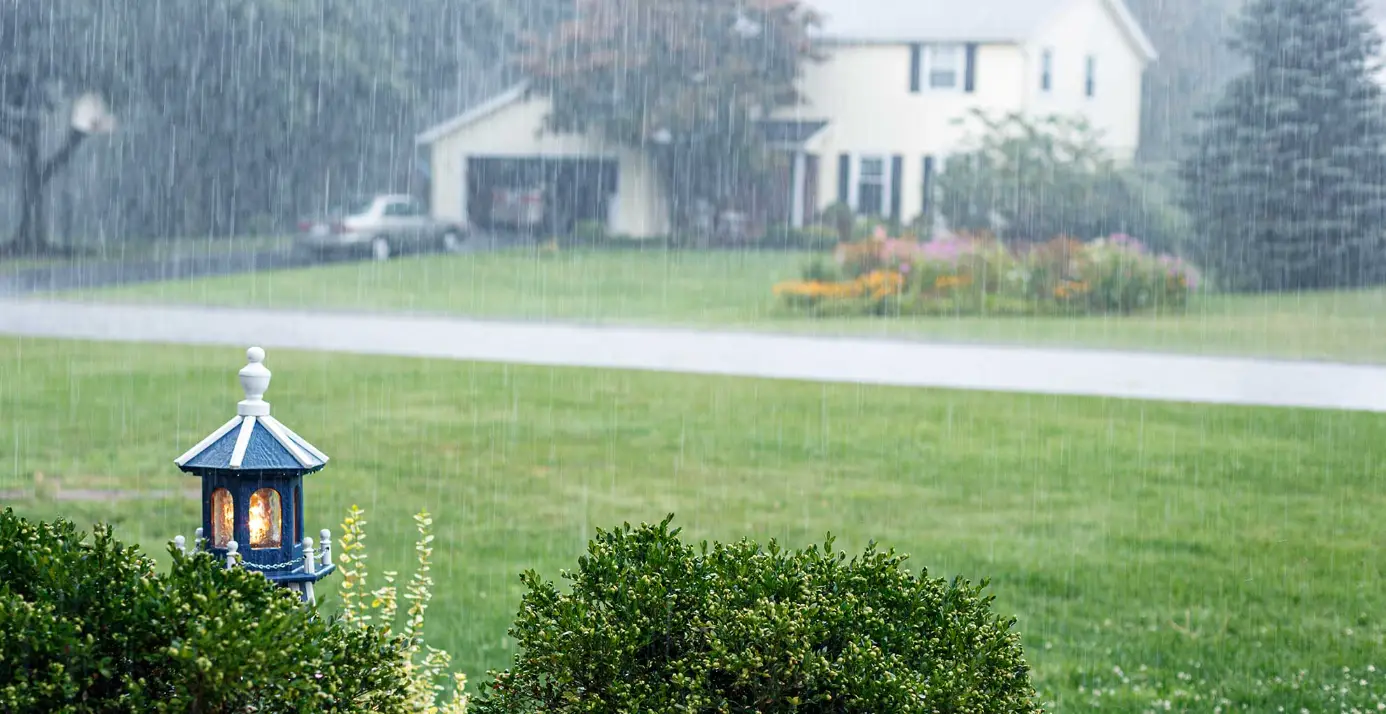
Why Mowing Wet Grass Is Bad for Your Lawn
Most people think wet mowing just looks a little messy. Here’s the thing: the damage goes much deeper than the surface.
Wet Grass Doesn’t Cut — It Tears
When grass blades are wet, they bend and clump together instead of standing upright. A dry blade stands tall and gets a clean, surgical slice from the mower. A wet blade flops over, and the mower shreds it instead.
Those torn, ragged tips don’t just look bad. They stay moist longer, stress the grass plant, and slow its recovery. Over time, you’ll notice the tips turning brown — not from drought, but from the physical damage caused by wet mowing.
Rain Creates the Perfect Environment for Fungal Disease
This one catches most homeowners off guard. Here’s why it matters: those torn grass tips become open wounds — and wet, humid conditions are exactly what fungal spores need to invade.
When you mow wet grass, the mower picks up wet clippings loaded with fungal spores and redistributes them across your entire lawn. What started as a small problem in one corner can spread lawn-wide in a single mowing session.
Common lawn diseases triggered or spread by wet mowing include:
- Brown Patch — Large circular areas of brown, dead grass. Thrives in warm, humid conditions.
- Dollar Spot — Small, silver-dollar-sized spots of bleached, straw-colored grass.
- Red Thread — Reddish-pink patches of dead grass, often visible after wet weather.
- Rust Disease — Orange or yellow powder coating individual blades. Spreads fast after rain.
For more on identifying and treating these, see this guide to common lawn fungal diseases from Pennington: https://www.pennington.com/all-products/grass-seed/resources/lawn-fungus-and-disease
Mowing in the Rain Compacts Your Soil
Saturated soil is soft — almost like wet sand. When your mower’s wheels roll over it, they compress the soil particles together, squeezing out the oxygen and water channels that grass roots depend on.
This is called soil compaction, and it’s a slow-burning problem. You may not notice it right away, but over time it leads to poor drainage, stunted root growth, thin patches, and a lawn that struggles to thrive no matter how much you water or fertilize it. The University of Minnesota Extension has an excellent deep-dive on soil compaction here: https://extension.umn.edu/lawn-care/dealing-soil-compaction-lawns
“The heavy weight of the mower on wet grass can compact the soil, limiting airflow to the ground and affecting drainage on your lawn.” — Chrissie Handley, Lawn Care Specialist, Online Turf
What Mowing in the Rain Does to Your Lawn Mower
Your lawn isn’t the only thing at risk. Think about this: a lawn mower is a significant investment — and wet mowing puts it through unnecessary wear every single time.
Clogged Mower Deck and Discharge Chute
Wet grass clippings are heavy and sticky. Instead of flying cleanly out of the discharge chute, they clump and paste themselves to the underside of the mower deck. This buildup restricts airflow, forces the engine to work harder, and can cause it to overheat.
If you’ve ever had to stop mid-mow to scrape green sludge out of your mower deck, you’ve experienced this firsthand. Bob Vila has a solid step-by-step guide on cleaning your mower deck properly: https://www.bobvila.com/articles/how-to-clean-lawn-mower/
Blade Dulling and Rust
Wet, clumping grass is far more resistant than dry grass — it forces mower blades to work harder, dulling them much faster than normal. Dull blades then tear grass rather than cutting it, creating a feedback loop of damage.
Moisture also accelerates rust on metal components. A mower used repeatedly in wet conditions without proper cleaning and drying will develop blade rust and corrosion far sooner than one that’s kept dry. Here’s how to sharpen lawn mower blades before the damage compounds: https://www.familyhandyman.com/article/how-to-sharpen-lawn-mower-blades/
Electric Mower Risk — This One Is Serious
Safety Warning: If you use a corded electric lawn mower, you should never mow in the rain or on wet grass. Water and electricity are a lethal combination. Any damaged cord, exposed wire, or pooled water near the mower creates a serious risk of electrocution. Even battery-powered electric mowers carry elevated risk in wet conditions. OSHA’s electrical safety guide explains the hazards in full: https://www.osha.gov/electrical
Is It Ever Okay to Mow in the Rain or After Rain?
Here’s the nuance most guides skip: the answer isn’t always a flat no. It depends heavily on how much rain fell, how saturated the soil is, and what type of mower you’re using.
The Foot Test and the Bounce Test — Two Ways to Know
Before you fire up the mower, run these two quick checks:
The Foot Test: Walk across your lawn. If your footprints leave visible impressions in the soil, the ground is still too wet and too soft. Wait longer.
The Bounce Test: Press a handful of grass blades down. If they spring back up dry and upright, the grass is ready. If they stay bent and damp, give it more time.
Light Drizzle vs. Heavy Rain — The Difference Matters
Not all rain is equal. A light morning drizzle on well-draining soil is a very different situation from a full overnight downpour on clay-heavy ground.
As a general rule: if your shoes stay dry walking through the yard, mowing is likely safe. If the ground feels spongy, soft, or slick, wait it out — no matter how impatient you are.
When Professionals Mow in the Rain
Professional landscapers sometimes mow in light rain because their schedules don’t allow delay. When they do, they use sharp blades, raise the mower deck height, remove the grass bag and let clippings discharge naturally, and mow slowly to reduce clumping. They also clean their equipment thoroughly afterward.
Pro Tip: If you have a gas-powered mower (not electric), cutting slightly damp grass — not soaking wet — with the deck raised high is the safest option when you absolutely cannot wait.
How Long Should You Wait to Mow After Rain?
This is the question everyone wants answered. Here it is, clearly:
| Rain Type | Conditions | Wait Time |
|---|---|---|
| Morning dew / very light drizzle | Soil firm, grass slightly damp | 2–5 hours |
| Light rain shower (under 1 hour) | Grass wet, soil still firm | 3–5 hours |
| Moderate rain (several hours) | Soil soft, grass saturated | 24 hours |
| Heavy rain / overnight storm | Spongy ground, standing water | 24–48 hours |
| Continuous rain / soggy season | Soil saturated for days | Wait for a full dry day |
Simple rule: if your shoes stay dry walking through the yard — you’re good to mow.
Sources: Angi (https://www.angi.com/articles/can-you-mow-wet-grass.htm) and Husqvarna (https://www.husqvarna.com/us/discover/can-you-mow-wet-grass/)
5 Tips If You Absolutely Must Mow Wet Grass
Life happens. Sometimes the grass can’t wait another day. If you have no choice, here’s how to minimize the damage:
1. Raise your mower deck height. Setting the blade higher reduces the amount of wet grass the mower has to work through, lowers the risk of tearing, and reduces clumping. Most lawn care experts recommend raising one notch above your usual setting. See ideal mowing heights by grass type here: https://www.lawnstarter.com/blog/lawn-care-tips/mowing-height/
2. Use a gas mower, not electric. Electric mowers — both corded and some battery models — carry a water and electricity risk. Stick to a gas-powered mower when mowing in or after rain.
3. Mow slowly. Don’t rush. Slower passes give the mower blades more time to cut cleanly instead of dragging and tearing through heavy, wet grass.
4. Remove the grass bag and discharge freely. Let wet clippings fall onto the lawn rather than packing them into a bag that will clog. Rake up the clumps afterward so they don’t smother the grass beneath. Here’s what to do with grass clippings after mowing: https://www.familyhandyman.com/article/what-to-do-with-grass-clippings/
5. Clean your mower deck immediately after. Don’t let wet clippings sit and harden inside the deck. Use a scraper or hose to remove all residue, then let it dry completely before storing to prevent rust and mold. Step-by-step mower cleaning guide: https://www.bobvila.com/articles/how-to-clean-lawn-mower/
Frequently Asked Questions
Is It Bad to Mow the Lawn in the Rain?
Yes. Mowing the lawn in the rain is bad for your grass, your mower, and your safety. Wet grass tears instead of cutting cleanly, wet clippings spread fungal spores, saturated soil compacts under mower wheels, and electric mowers pose a risk of electric shock in wet conditions. The only exception is a very light drizzle on firm, well-draining soil — and even then, it’s not ideal.
How Long After Rain Can I Mow the Lawn?
After light rain or morning dew, wait 2–5 hours and do the foot test before mowing. After moderate rain, wait at least 24 hours. After a heavy overnight storm, wait 24–48 hours. The grass should feel dry and spring back when pressed, and your footprints should not leave impressions in the soil.
Can I Mow in Light Rain If I Have a Gas Mower?
A gas mower is safer in wet conditions than an electric mower since there’s no risk of electric shock. However, even with a gas mower, mowing in active rain or on saturated soil causes torn grass, clumping, and soil compaction. If you must mow in light rain, raise the deck height, mow slowly, remove the grass bag, and clean the mower thoroughly after. More on safe wet mowing practices from Husqvarna: https://www.husqvarna.com/us/discover/can-you-mow-wet-grass/
Does Mowing Wet Grass Spread Lawn Disease?
Yes, and this is one of the most underappreciated risks. Wet grass blades carry fungal spores, and your mower acts as a delivery vehicle — spreading those spores across the entire lawn with every pass. Diseases like brown patch, dollar spot, red thread, and rust disease all thrive in the moist conditions created by wet mowing. Full guide to lawn diseases and treatments: https://www.pennington.com/all-products/grass-seed/resources/lawn-fungus-and-disease
What Happens If I Mow Wet Grass Too Often?
Repeated wet mowing compounds the damage over time. Chronic soil compaction leads to poor drainage and thin, patchy growth. Repeated fungal exposure weakens the lawn’s resistance. Mower blades dull faster, requiring more frequent sharpening or replacement. If you’re dealing with a prolonged rainy season, check your local forecast to plan mowing windows strategically: https://www.weather.gov/
Key Takeaways
- Mowing wet grass tears blades instead of cutting them, inviting fungal infection and browning.
- Wet conditions spread diseases like brown patch, dollar spot, red thread, and rust across your lawn.
- Mower wheels compact saturated soil, restricting root oxygen and causing long-term drainage problems.
- Electric mowers in wet conditions create a serious electrocution risk — always use a gas mower if you must mow damp grass.
- Wait 2–5 hours after light rain and 24–48 hours after heavy rain. Use the foot test and bounce test before starting.
- If you must mow wet: raise the deck, go slow, remove the bag, and clean your mower immediately after.
When in doubt, wait it out. Your lawn will thank you — and so will your mower.
References
- Family Handyman — Should You Cut Wet Grass After It Rains? https://www.familyhandyman.com/article/cut-wet-grass-after-it-rains/
- Angi — Can You Mow Wet Grass? https://www.angi.com/articles/can-you-mow-wet-grass.htm
- Husqvarna US — Can You Mow Wet Grass? https://www.husqvarna.com/us/discover/can-you-mow-wet-grass/
- Bob Vila — Can You Mow Wet Grass? https://www.bobvila.com/articles/mowing-wet-grass/
- LawnLove — Why You Shouldn’t Mow Wet Grass https://lawnlove.com/blog/why-not-to-mow-wet-grass/
- Pennington — Lawn Fungus and Disease Guide https://www.pennington.com/all-products/grass-seed/resources/lawn-fungus-and-disease
- University of Minnesota Extension — Soil Compaction in Lawns https://extension.umn.edu/lawn-care/dealing-soil-compaction-lawns
About Author
Khalid Fazal is a seasoned lawn care specialist and horticultural researcher with over 15 years of hands-on experience transforming challenging landscapes into lush, resilient green spaces. His journey didn’t start in a lab, but in a backyard full of stubborn, cracked clay that “experts” said would never grow a healthy blade of grass. Refusing to accept a yard full of dust, Khalid spent years experimenting with organic soil restoration and precise mulching—eventually turning that wasteland into a neighborhood showpiece on a shoestring budget.
From mastering core aeration techniques to optimizing soil pH for specialized turf varieties, Khalid’s approach combines old-school grit with modern agronomic science. He founded Gen Lawn to provide homeowners with honest, research-backed advice that prioritizes long-term soil health over quick-fix chemical solutions. When he isn’t analyzing soil profiles, he’s developing precision tools to help others achieve professional results without the professional price tag.

Lawn Winterizer: When to Apply by Grass & Region [2026]
Table of Contents Home / By Khalid Fazal | Updated:...
Read More
Spring Lawn Care: What to Do and When in Every US Region
Table of Contents Home / By Khalid Fazal | Updated:...
Read More
Lawn Maintenance Checklist by Season and Grass Type (2026)
Table of Contents Home / By Khalid Fazal | Updated:...
Read More
Liquid Fertilizer vs Granular Fertilizer: Which Wins?
Table of Contents Home / By Khalid Fazal | Updated:...
Read More