
8 Landscaping Ideas Around Tree Roots (That Actually Work)
You know that bare, lumpy patch of dirt circling the base of your oak tree? The one where grass refuses to grow, roots poke up like they own the place, and no amount of reseeding ever fixes it?
Most homeowners ignore it, throw down a heap of mulch, or fight the roots with a mower. Here is the problem with all three approaches: they either look bad or they slowly damage the tree. Research cited by the International Society of Arboriculture (ISA) shows that unprotected tree trunks get struck by lawnmower blades 12 to 17 times per growing season. Every single strike creates an open wound in the bark, which becomes an entry point for disease and pests.
Here is the good news. You do not have to choose between a beautiful yard and a healthy tree. These 8 landscaping ideas around tree roots give you both. Whether you want something low-maintenance, colorful, or completely no-dig, there is an option on this list that fits your yard and your schedule.
Why the Space Around Tree Roots Is So Tricky
Before you start digging or decorating, it pays to understand what you are actually working with. Most of a tree’s roots sit within the top 12 to 18 inches of soil, and they spread far beyond the outer edge of the tree’s canopy. These roots are pulling in water, nutrients, and oxygen around the clock. Disrupt that system and you stress the tree. Stress it long enough and you lose it.
What Most Homeowners Get Wrong
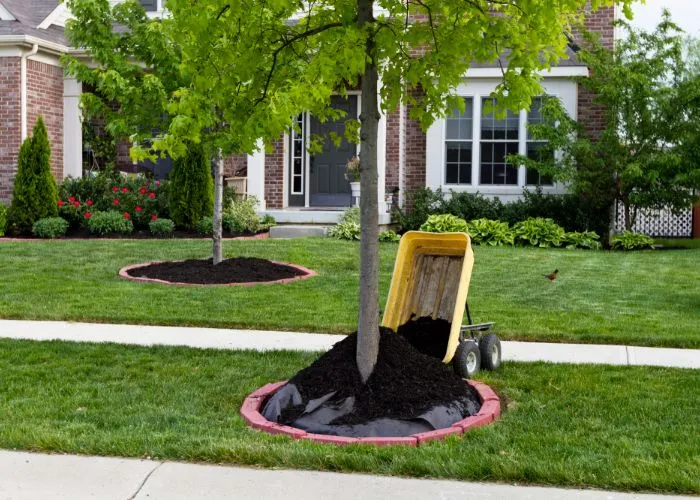
The biggest mistake is piling soil or mulch directly against the trunk in what arborists call a mulch volcano. It looks tidy but it traps moisture against the bark, encourages rot, and can cause girdling roots that slowly strangle the tree from the ground up.
Other common mistakes include:
- Laying plastic landscape fabric directly on exposed roots (it blocks oxygen, water, and nutrients completely)
- Dumping thick layers of soil over the root zone all at once (roots need time to adjust gradually)
- Mowing over surface roots repeatedly (those blade strikes add up fast and leave wounds)
- Planting aggressive, invasive groundcovers that compete with the tree for resources
The Root Zone: Know Before You Dig
The critical root zone (also known as the drip line) is the circular area directly beneath the outer edge of the tree’s canopy. This is where most of the feeder roots are most active. Any digging, planting, or hardscaping inside this zone needs to be done with a light hand and real intention.
When in doubt before making major changes near a mature tree, consult a certified arborist. They can assess the root system and recommend exactly what your tree can handle.
8 Landscaping Ideas Around Tree Roots for a Beautiful Yard
Now for the good part. These ideas range from quick weekend fixes to more involved weekend projects. Start with one and build from there.
1. Create a Mulch Ring Using the 3-3-3 Rule
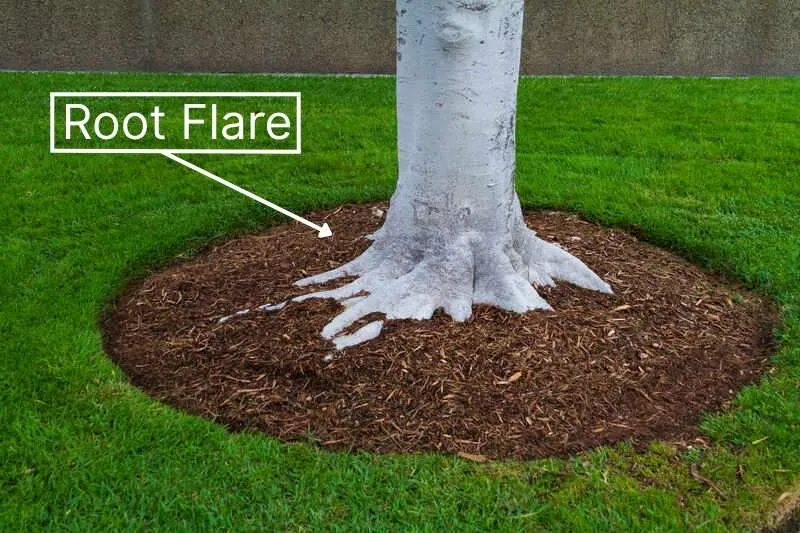
Mulch is the number one recommended solution by arborists across the board. It protects roots, retains moisture, regulates soil temperature, and eliminates the need to mow dangerously close to the trunk.
Follow the 3-3-3 rule from Penn State Extension: keep mulch 3 inches deep, extend it at least 3 feet out from the trunk, and always leave a 3 to 6 inch gap between the mulch and the trunk itself. According to ISA research, a proper mulch ring improves soil moisture retention by up to 25% and moderates soil temperature by 10 to 15 degrees Fahrenheit. Use shredded bark or wood chips, refresh each spring, and never use dyed or rubber mulch near the root zone.
2. Install a Decorative Stone or Gravel Ring
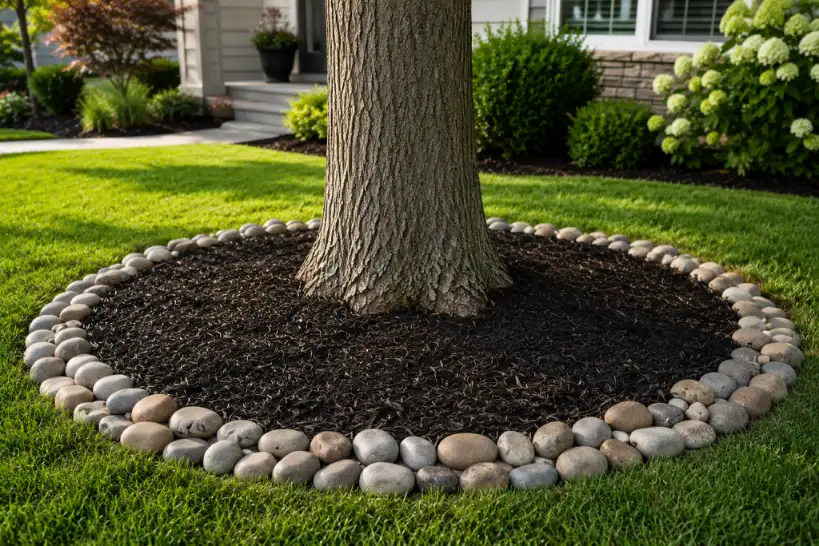
Want something that lasts longer than mulch and requires zero annual refreshing? A ring of pea gravel, river rock, or decomposed granite around the tree is a clean, durable option.
The key is installation. Skip plastic sheeting and use a breathable, woven landscape fabric if you use anything at all, and keep the stone layer shallow so water and air still reach the roots. Permeable materials like gravel allow rain to reach the root zone naturally, which is exactly what a healthy tree needs.
3. Plant Shade-Tolerant Groundcovers
Groundcovers solve two problems at once: they cover bare soil and they actually thrive in the conditions that most plants cannot handle. This makes them one of the smartest landscaping ideas around tree roots for any yard.
Top picks that do well in root-competitive, low-light conditions include:
- Hostas (Zones 3 to 8): Bold, glossy leaves, completely non-invasive, and they even tolerate the natural toxins produced by black walnut trees
- Vinca minor (Periwinkle): Evergreen, fills in quickly, and produces small lavender-blue flowers
- Ajuga (Bugleweed): Low-growing, evergreen, and thrives in even dense shade
- Epimedium (Barrenwort): Drought-tolerant once established, ideal for dry shade beneath big canopy trees
- Lamium (Dead Nettle): Variegated foliage that brightens up dark spaces with minimal water
For a deeper breakdown of your plant options, check out this guide from House Digest on the best ground cover plants for tree roots.
4. Add Native Ferns and Woodland Perennials
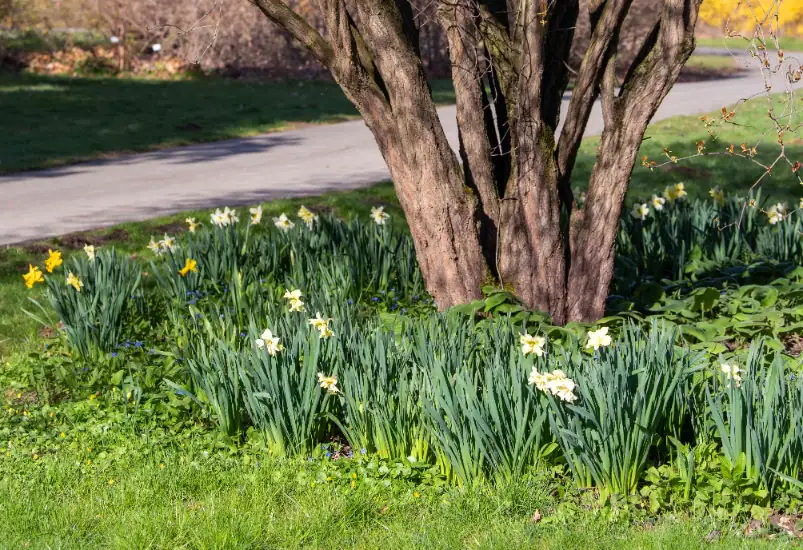
For a lush, naturalistic look, ferns and woodland perennials are hard to beat. They have shallow root systems that work around the tree rather than competing with it for space.
Great options include:
- Lady fern and ostrich fern: Reach 2 to 3 feet tall and create a striking woodland canopy
- Japanese painted fern: Adds silver and burgundy color in the shade
- Astilbe: Feathery plumes in pink, red, or white from early summer onward
- Coral bells (Heuchera): Year-round color in the shade with almost no upkeep
Plant these in clusters rather than single plants for maximum visual impact, and water them generously during the first season while they establish.
5. Build a Raised Garden Bed (Done Right)
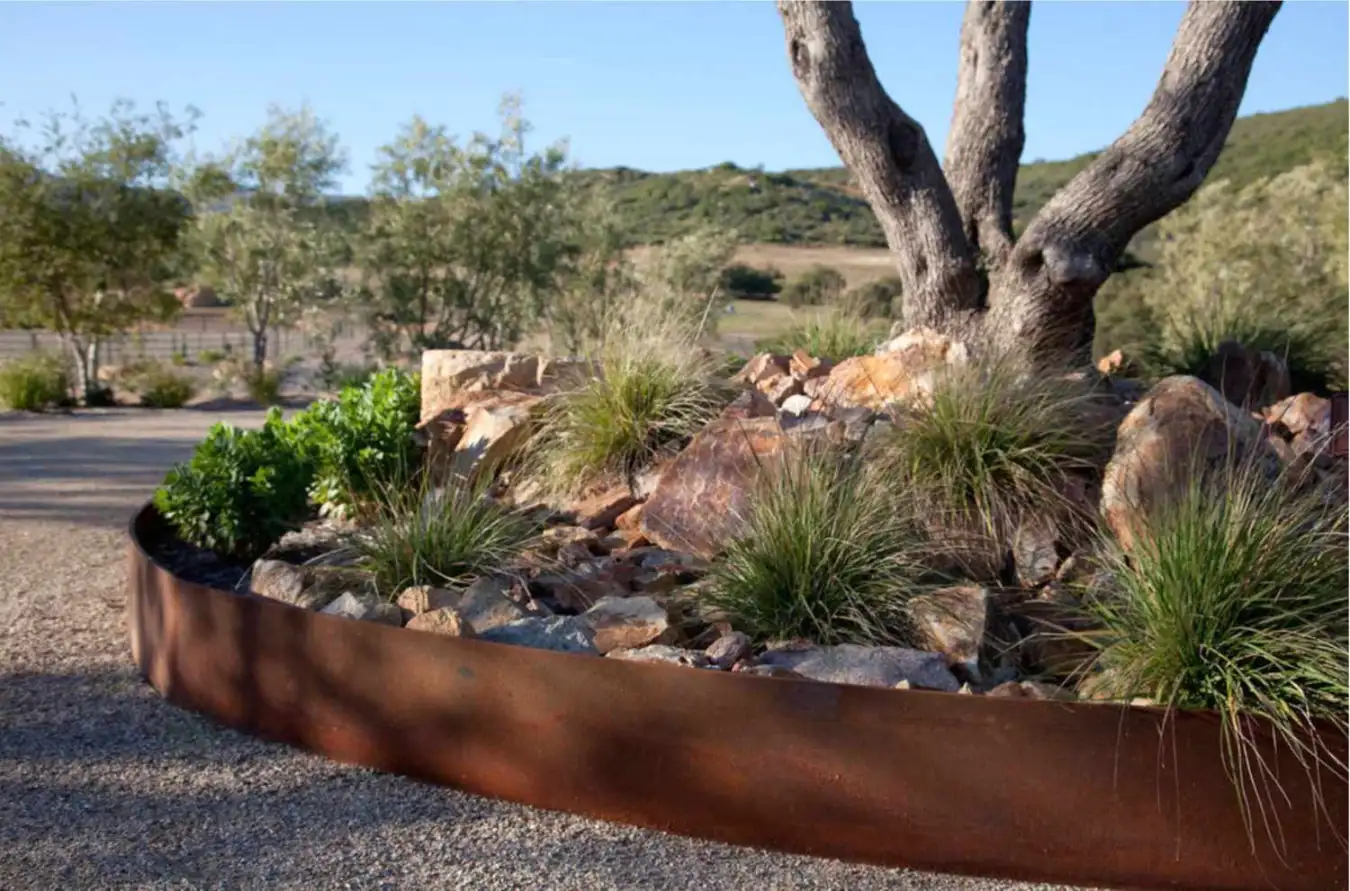
Raised beds can absolutely work around trees, but only when installed with care. The mistake most people make is bringing in thick layers of new soil, which cuts off oxygen to shallow roots.
Keep the bed low. Adding no more than 2 inches of soil over the root zone at any time is the rule to follow. Use natural stone, untreated cedar, or rot-resistant wood for the border. Choose shallow-rooted, shade-tolerant perennials for planting inside and avoid deep digging during installation at all costs.
6. Add a Circular Bench or Tree Surround Seating
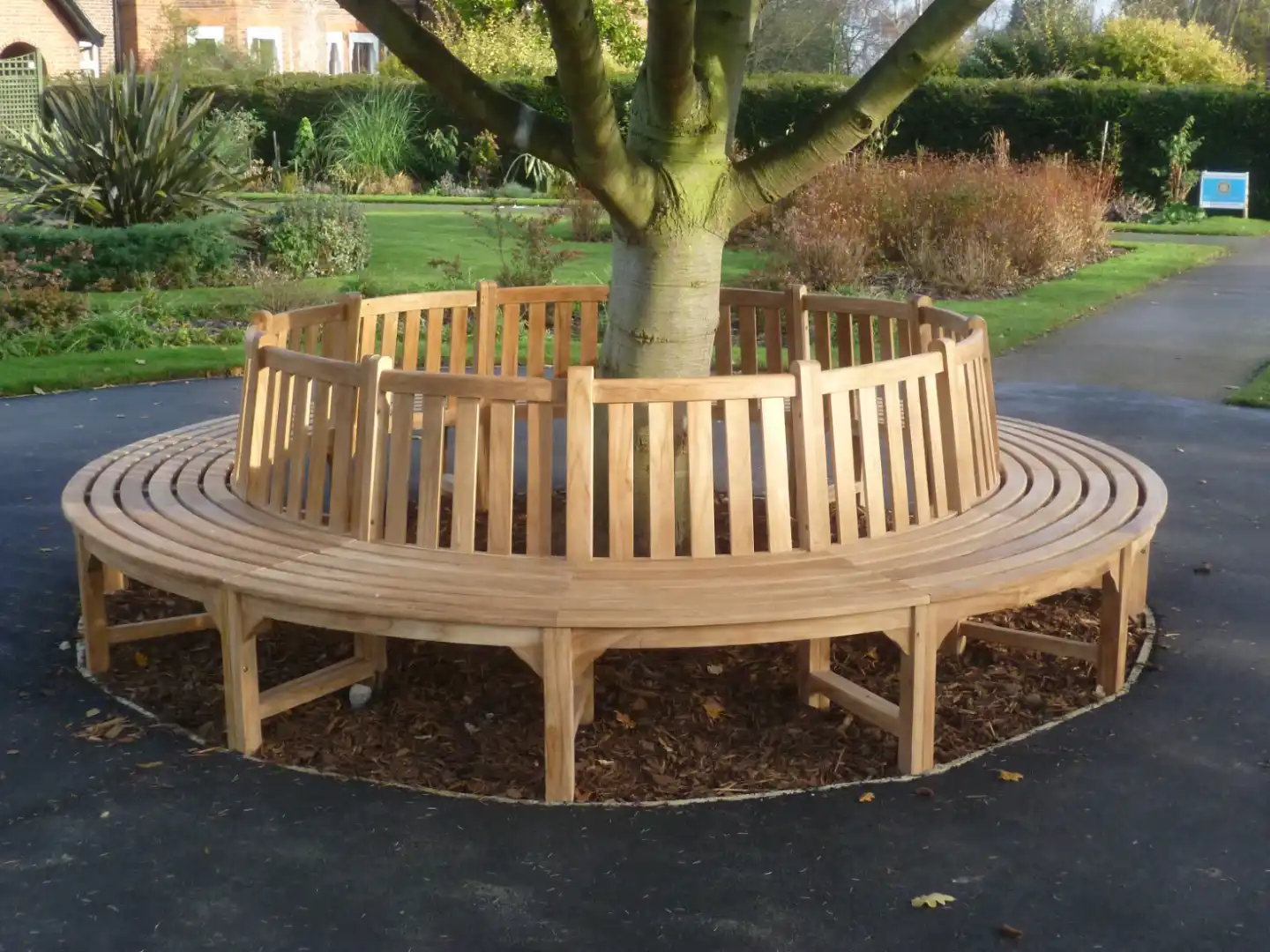
A tree surround bench turns the space beneath your tree into an actual destination in your yard. It is one of those landscaping ideas around tree roots that is as functional as it is beautiful.
These benches wrap around the trunk in a hexagonal or circular shape and sit above the root zone without compacting the soil. Pair the bench with a mulch or gravel base underneath for a finished, cohesive look. This is a great focal point for any backyard or front yard with a large, mature tree.
7. Use Stepping Stones to Navigate the Root Zone
Surface roots can be a real tripping hazard, especially in high-traffic parts of your yard. A simple, effective fix is a series of flat stepping stones laid directly on top of the soil.
Use large, flat flagstones, slate pieces, or natural concrete pavers. Place them directly on the soil surface with zero digging required. They distribute foot traffic weight across a wider surface area, which helps reduce soil compaction in the root zone.
8. Design a Dry Creek Bed Feature
A dry creek bed is both a visual feature and a practical solution for yards where drainage is an issue near trees. It guides rainwater away from the root zone while adding a natural, riverbed aesthetic to your landscape.
Use smooth river rocks or cobblestones and route the creek organically around the surface roots. Fill surrounding areas with mulch or shade plants to tie the look together. This one takes a bit of planning but looks completely intentional when done right.
Choosing the Right Landscaping Idea Based on Your Tree Type
Here is the thing: not all trees are built the same. The right landscaping approach depends heavily on which tree you are working with and how established it is.
Shallow-Rooted Trees (Willows, Silver Maples, Beeches, Poplars)
These trees have roots that run very close to the surface and spread aggressively outward. Stick to completely no-dig solutions like mulch, gravel, container gardens, stepping stones, and lighting. Avoid raised beds or groundcovers that require any meaningful soil preparation near the base.
Deeper-Rooted Trees (Oaks, Pines, Hickories)
These trees give you considerably more flexibility. Groundcovers, perennial beds, and shallow raised beds are all workable options. You still need to avoid deep digging, but the root system is generally more forgiving of light planting work done carefully.
Young Trees vs. Mature Trees
For young trees, think long-term. A proper mulch ring installed now protects the root zone as the tree establishes itself and as the root system expands over time. For mature trees with visible, established root systems, the priority is working around what is already there. Focus on surface solutions and avoid anything that disturbs the root flare at the base of the trunk.
Quick Tips for Landscaping Around Tree Roots Without Damaging Them
Before you start any project around your tree, run through this checklist:
- Keep any soil additions to no more than 2 inches over the root zone at any one time
- Skip plastic landscape fabric entirely: it blocks oxygen and should never go directly on or near roots
- Avoid invasive plants like English ivy or wintercreeper in open areas near the root zone
- Water new plantings generously during their first season since tree roots compete heavily for available moisture
- Never dramatically raise the soil grade around a mature tree without first consulting a certified arborist
- Always leave the root flare visible: this is the widened base where the trunk meets the roots, and it should never be buried
Frequently Asked Questions About Landscaping Ideas Around Tree Roots
What can I plant around tree roots that will not damage them?
The best plants for landscaping around tree roots are shallow-rooted, shade-tolerant, and non-invasive. Top picks across the US include hostas, ferns, vinca minor, ajuga, epimedium, sweet woodruff, coral bells, and lamium. These plants work with the tree rather than against it. For a comprehensive regional breakdown by growing zone, Iowa State Extension has an excellent guide on shade groundcovers.
Can I put rocks around tree roots?
Yes, rocks and gravel are a great option as long as you keep the layer shallow and use permeable materials. Pea gravel, river rock, and decomposed granite all allow water and air to reach the roots below. Avoid pouring solid concrete over root zones entirely, as it blocks oxygen flow and causes long-term root damage that can eventually kill the tree.
How do I landscape around exposed tree roots?
Start with the least invasive approach first: mulch, gravel, or a container garden. If you want to plant groundcovers between the exposed roots, choose varieties with shallow root systems and plant carefully without deep digging. Never cover exposed roots with thick layers of soil all at once. Roots need to adjust slowly, and too much soil added too quickly can suffocate the entire root system.
What is the best ground cover to plant under trees?
The best ground covers for under trees in the US include hostas (Zones 3 to 8), pachysandra, vinca minor, ajuga, and epimedium. For native options, consider wild ginger, woodland phlox, or native ferns matched to your region. The best pick depends on your USDA Hardiness Zone and the density of shade your specific tree creates.
Is it OK to put mulch over tree roots?
Yes, mulch is actually the top-recommended solution by certified arborists. The key is doing it correctly. Follow the 3-3-3 rule: 3 inches deep, 3 feet out from the trunk at minimum, and a 3 to 6 inch gap left around the trunk itself. Never pile mulch against the trunk in a volcano shape, as this causes moisture buildup, bark rot, and root girdling over time. Rutgers Cooperative Extension has an in-depth guide on the most common mulching mistakes homeowners make and exactly how to avoid them.
The Bottom Line
Landscaping around tree roots does not have to be a frustrating guessing game. With the right approach, that awkward patch of dirt becomes one of the most intentional and beautiful parts of your entire yard.
Here is a quick recap of what to keep in mind:
- Start with a proper mulch ring using the 3-3-3 rule
- Choose shade-tolerant, shallow-rooted plants for any groundcover work
- Match your landscaping approach to your specific tree type
- Always leave the root flare exposed and never compact the soil in the root zone
- Work with your tree’s natural structure rather than against it
Whether you go with a simple gravel ring this weekend or build out a full woodland garden over a season, your tree and your curb appeal will both benefit.
Ready to transform the space around your trees but not sure where to start? The Gen Lawn team helps homeowners across the US create beautiful, tree-safe landscapes tailored to their specific yard. Reach out today for a free consultation.
References and External Sources
- International Society of Arboriculture (ISA): Industry standards for tree care, mulching research, and arborist best practices
- Penn State Extension: Mulching Landscape Trees: The 3-3-3 mulching framework and root flare guidance
- Rutgers NJAES: Problems with Over-Mulching Trees and Shrubs: Mulch depth recommendations and mulch volcano risks
- Iowa State Extension: Groundcovers for Shade: Shade-tolerant plant selection guide
- House Digest: Best Ground Cover Plants Around Tree Roots: Detailed plant variety guide with photos
- Trees Are Good: Find a Certified Arborist: ISA arborist locator tool for the US
- USDA Plant Hardiness Zone Map: Zone finder for plant selection by region
- University of Wisconsin Extension: Tree Roots in the Urban Environment: Deep dive into how tree root systems actually work
About Author
Khalid Fazal is a seasoned lawn care specialist and horticultural researcher with over 15 years of hands-on experience transforming challenging landscapes into lush, resilient green spaces. His journey didn’t start in a lab, but in a backyard full of stubborn, cracked clay that “experts” said would never grow a healthy blade of grass. Refusing to accept a yard full of dust, Khalid spent years experimenting with organic soil restoration and precise mulching, eventually turning that wasteland into a neighborhood showpiece on a shoestring budget.
From mastering core aeration techniques to optimizing soil pH for specialized turf varieties, Khalid’s approach combines old-school grit with modern agronomic science. He founded Gen Lawn to provide homeowners with honest, research-backed advice that prioritizes long-term soil health over quick-fix chemical solutions. When he isn’t analyzing soil profiles, he’s developing precision tools to help others achieve professional results without the professional price tag.

Lawn Winterizer: When to Apply by Grass & Region [2026]
Table of Contents Home / By Khalid Fazal | Updated:...
Read More
Spring Lawn Care: What to Do and When in Every US Region
Table of Contents Home / By Khalid Fazal | Updated:...
Read More
Lawn Maintenance Checklist by Season and Grass Type (2026)
Table of Contents Home / By Khalid Fazal | Updated:...
Read More
Liquid Fertilizer vs Granular Fertilizer: Which Wins?
Table of Contents Home / By Khalid Fazal | Updated:...
Read More