
Mobile Home Landscaping Ideas That Boost Curb Appeal on Any Budget
You have made the inside feel like a real home. Comfortable furniture, matching appliances, and a space that feels truly yours. But step outside and the yard still looks like bare dirt, exposed skirting, and a lot number on a post.
You are not alone. Millions of mobile home owners across the US feel exactly the same way. The challenge is real: mobile home landscaping comes with unique constraints that most gardening guides completely ignore. Community rules, exposed skirting, narrow lots, and tight budgets are not obstacles you find covered in your average curb appeal article.
Here is the good news: according to a Virginia Tech study on landscaping and home value, thoughtful landscaping can increase a property’s perceived value by 5.5% to 12.7%. That applies to manufactured homes too. A few smart upgrades can make a measurable financial and emotional difference.
In this guide, you will find mobile home landscaping ideas organized by zone (front yard, backyard, side yard), budget tier, and maintenance level. Whether you have $50 or $500, there is something here you can start this weekend.
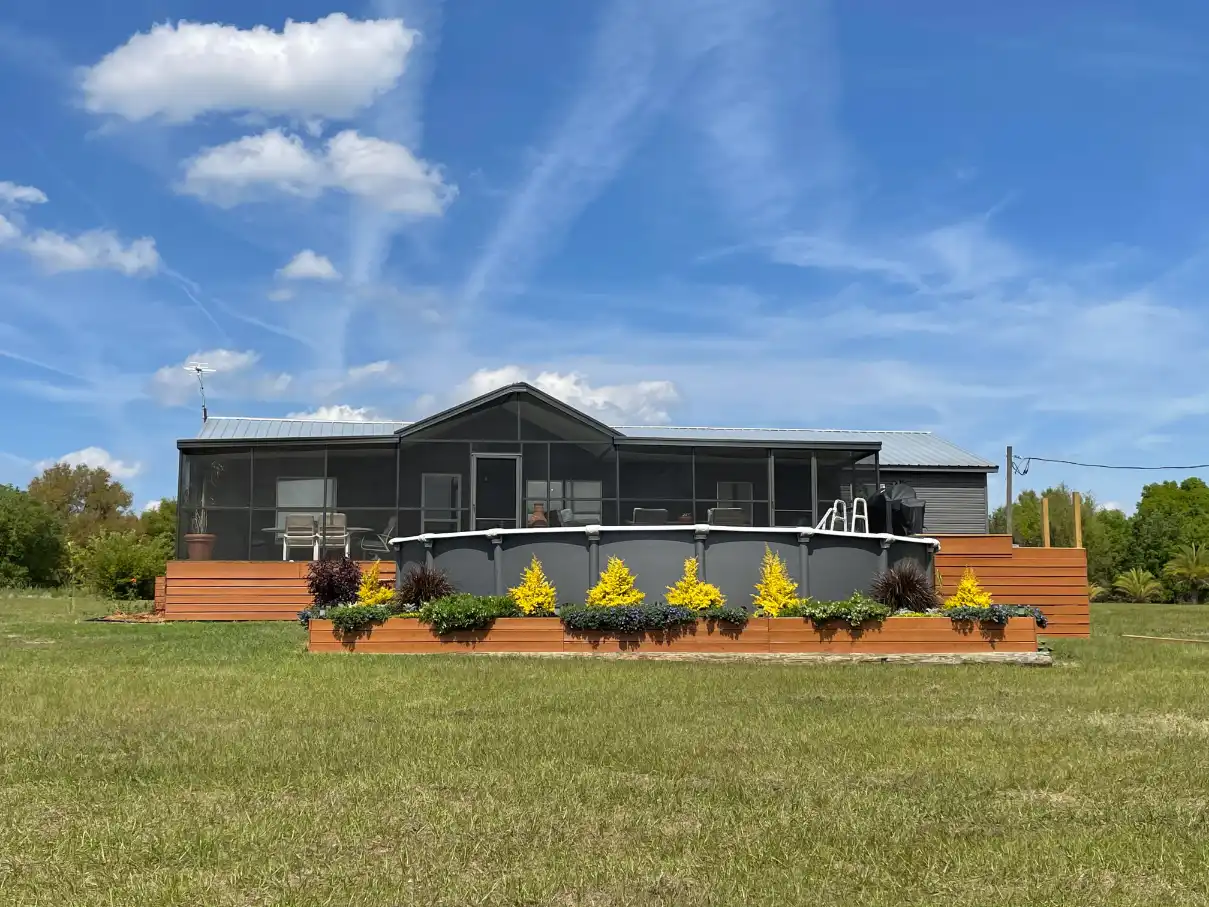
Before You Plant: What Every Mobile Home Landscaping Project Needs First
Most homeowners skip this part entirely. They head straight to the garden center, buy a cart full of plants, and realize half of them were the wrong choice for their yard. A little planning upfront saves a lot of money and frustration later.
Check Your Mobile Home Community Rules First
If you live in a mobile home park or community, your landscaping plans need to go through park management before anything goes into the ground.
Many communities have specific rules about:
- Plant height limits near shared spaces or neighboring lots
- Whether you can install fences, retaining walls, or permanent hardscaping
- Approved skirting materials and what can be placed in front of them
- Restrictions on certain tree species that could affect utilities or neighboring lots
Check your lease or lot rental agreement first, or contact your park office directly. Pouring a weekend of work into a flower bed only to be told it has to come out is a very avoidable disappointment. The Manufactured Housing Institute has resources to help you understand your rights and responsibilities as a homeowner in a community setting.
The HUD Grading Requirement You Cannot Ignore
Here is something almost every landscaping guide skips completely: before you add plants, mulch, or rocks around your home, check the grading of your lot.
HUD (the US Department of Housing and Urban Development) recommends a 6-inch slope for the first 10 feet around a manufactured home. This ensures water drains away from the foundation rather than pooling underneath it.
Water pooling under a mobile home causes serious damage to the undercarriage, insulation, and subfloor over time. Make sure your yard slopes away from the home before planting anything. If it does not, grade the soil first. Landscaping installed over improper drainage is expensive to fix later.
How to Read Your Lot Before Buying a Single Plant
Take 20 minutes and walk your property at different times of day. What you want to understand:
- Which areas receive full sun (6 or more hours), partial sun, or full shade
- Where utility boxes and access panels are located (always keep these accessible)
- How wide the lot is and how close neighboring homes sit
- What your soil type looks like (sandy, clay-heavy, or loamy)
The USDA Plant Hardiness Zone Map is an essential tool for this step. Enter your zip code and it tells you exactly which plants will survive and thrive in your climate. This single step prevents a lot of dead plants and wasted money.
Front Yard Mobile Home Landscaping Ideas That Make the Biggest Impact
The front yard is where first impressions happen. It is what your neighbors see, what visitors notice first, and what potential buyers judge in the first few seconds. Here is the truth: you do not need a huge budget to make a dramatic visual difference. You need the right ideas applied in the right order.
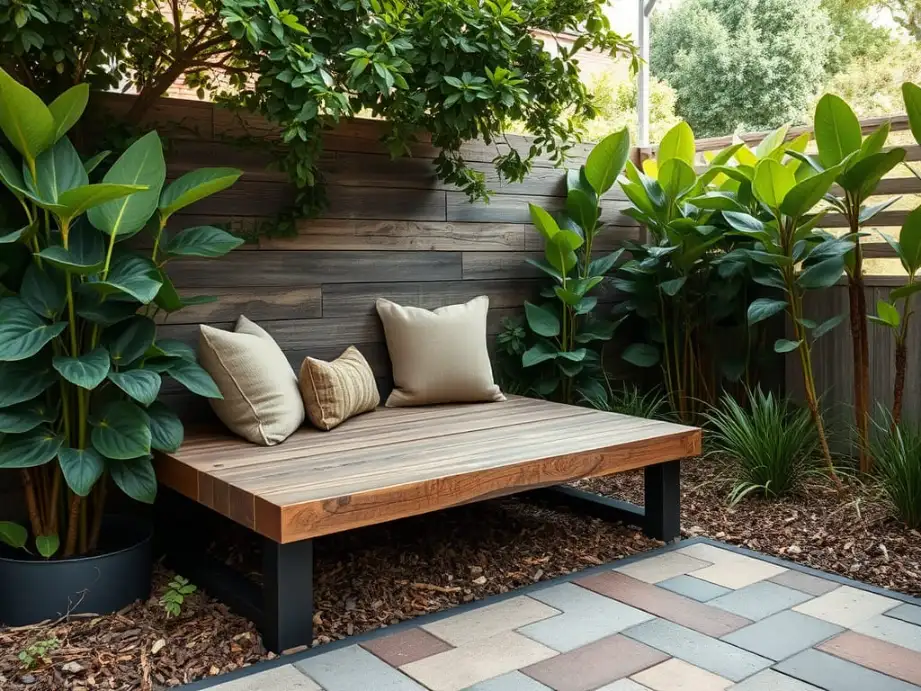
Foundation Plantings to Conceal Skirting and Anchor the Home Visually
Exposed skirting is one of the most distinctive features of a mobile home, and when left bare it can make even a well-maintained home look unfinished. Foundation plantings are the most effective fix available.
The goal is to create a visual base for the home by placing a row of low-growing shrubs, ornamental grasses, or compact evergreens directly in front of the skirting. This grounds the home visually and makes it look more permanent and intentional.
Strong plant choices for foundation planting include:
- Dwarf boxwood: Stays compact, works in most US climates, very tidy
- Compact holly: Year-round greenery with seasonal berries, handles cold zones well
- Blue Fescue ornamental grass: Low water needs, a clean modern look
- Hostas: Perfect for shadier sides of the home where little else grows well
Keep all plants at least 12 to 18 inches away from the skirting to allow for airflow and maintenance access. The Clemson Cooperative Extension has an excellent region-specific guide to choosing foundation plants suited to your area.
Curved Flower Beds to Soften a Rectangular Home
Mobile homes are naturally rectangular. That long, flat shape can look stark without some softening. Curved flower beds break up those rigid lines and give the yard a more designed, intentional feel.
You do not need expensive edging materials to achieve this. A simple metal lawn edging strip or even a row of bricks laid on their sides creates a clean, polished border that looks professionally done.
Fill the curved bed with:
- Perennials that return every year such as coneflowers, black-eyed Susans, and lavender
- A 2 to 3 inch layer of fresh mulch to suppress weeds and retain moisture
- One or two taller anchor plants like a compact ornamental grass placed at the center
Perennials are a smart long-term investment because you plant them once and they come back season after season. Choosing perennials over annuals is widely cited by landscaping professionals as the most cost-effective approach for homeowners working within a budget.
Pathway Ideas That Define Your Entrance
A clear, well-defined path from the street or driveway to your front door does more than just look nice. It signals that the property is cared for and creates a sense of purpose and arrival.
Your pathway material options depend on your available budget:
- Pea gravel with landscape edging: Most affordable option, great drainage, low maintenance
- Stepping stones: Mid-range cost, wide style variety, easy to install as a DIY project
- Concrete or brick pavers: Higher investment, highest durability and visual impact
For curved walkways, lay a garden hose on the ground to mark out the shape before you start digging. This lets you adjust the curve until it looks exactly right before any commitment. Surrounding the path with low ground cover or solar stake pathway lights adds a polished finishing touch at almost no cost.
Entry Planters and Window Boxes for Instant Cottage Appeal
One of the fastest mobile home landscaping ideas you can execute in a single afternoon is placing two large matching planters on either side of your front steps.
Fill them with:
- Seasonal annuals for a pop of color such as petunias, marigolds, or geraniums
- Trailing plants like sweet potato vine or creeping jenny to spill over the container edges
- A single upright anchor plant in the center of each planter to add height
Window boxes deliver the same cottage charm and work especially well if your home has visible windows from the street. Most window box brackets attach directly to exterior siding. Use a weatherproof liner inside each box to protect the wood and make seasonal replanting much easier.
Backyard and Side Yard Mobile Home Landscaping Ideas
Once the front yard is addressed, the back and sides deserve attention too. These spaces are often completely ignored, yet they are where you actually spend time outside.
Turn a Narrow Side Yard Into a Functional Garden Passage
Most mobile home side yards are neglected strips of bare dirt or struggling grass. The solution is straightforward: make them a defined, intentional passage.
Lay a stepping stone path along the full length of the side yard. Add shade-tolerant plants on either side such as ferns, hostas, or compact ornamental grasses. Finish with a few solar pathway lights for a polished look that also makes navigating around the home at night practical and safe.
If the side yard receives decent sun, a simple trellis attached to the home exterior with a climbing plant adds striking vertical interest without occupying much ground space at all.
Privacy Screening Without a Permit
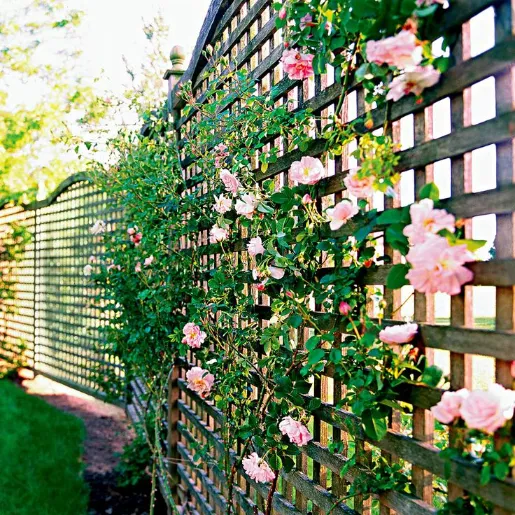
Not everyone can install a fence in a mobile home community, and a fence permit can be a real hurdle in many parks. But effective privacy does not require a permit or a contractor.
Strong alternatives include:
- Lattice panels with climbing vines: Jasmine, clematis, or morning glory fill in quickly and produce attractive blooms
- Tall ornamental grasses like Miscanthus or Pampas grass: Reach 5 to 8 feet tall and require almost no care once established
- Arborvitae shrubs planted in a tight row: A classic privacy screen that works across most US climate zones
- Clumping bamboo in large containers: Creates an instant living wall that can even be relocated; always choose clumping varieties to prevent spreading
Any of these options can deliver effective screening within one to two growing seasons without a major construction project or park management conflict.
A Budget Outdoor Living Zone for the Backyard
You do not need a deck permit or a professional contractor to create a truly usable backyard space.
Here is a simple setup that works on almost any mobile home lot:
- Define the area using a rectangle of pea gravel (more affordable than pavers and drains well in rain)
- Add two or three weather-resistant outdoor chairs or a compact bistro set
- Place a portable fire pit as a centerpiece (always verify this is permitted in your community first)
- Hang string lights from a simple wooden post or along an existing fence line
This setup creates a complete outdoor living room for under $300 in most cases. Pea gravel costs roughly $35 to $55 per cubic yard in bulk, making it one of the most cost-effective hardscaping materials available to budget-conscious homeowners.
Budget Mobile Home Landscaping Ideas With Actual Numbers
Everyone says “budget-friendly.” Almost no one gives you real dollar figures. Here is a breakdown that is actually useful.
Under $50: Free and Almost-Free Landscaping Wins
- Divide existing perennials like hostas, daylilies, or ornamental grasses and transplant them to bare spots around the yard
- Ask neighbors or community members for plant cuttings (most gardeners are genuinely happy to share)
- Check local Facebook Marketplace or Nextdoor for free mulch, rocks, or plants being given away
- Edge your existing beds with a flat shovel for a clean, defined border at zero cost
- Rake and level bare soil patches, then overseed with grass seed suited to your sun conditions
Sometimes a thorough cleanup and a sharp edging line is all a yard needs to look completely different. Do not underestimate the power of just tidying what you already have.
Under $200: The Mulch Bed, Edging, and Native Plant Combination
This is the sweet spot for mobile home landscaping impact per dollar spent. Here is a realistic sample budget:
| Item | Estimated Cost |
|---|---|
| Bag mulch (8 to 10 bags at $4 to $6 each) | $40 to $60 |
| Metal lawn edging strip (50 feet) | $20 to $30 |
| 3 to 4 native perennial plants | $30 to $50 |
| Weed barrier fabric (roll) | $15 to $25 |
| Estimated Total | $105 to $165 |
The result is a clean, defined front bed that reads as professionally designed. Native plants suited to your USDA grow zone require less water and care, which keeps your ongoing maintenance costs minimal year after year.
Under $500: A Complete Front Yard Transformation
At this budget level, you can take on a full front yard overhaul from the street to your front door:
| Item | Estimated Cost |
|---|---|
| Gravel walkway with metal edging | $80 to $150 |
| Two large entry planters with seasonal planting | $60 to $100 |
| Foundation shrubs (6 to 8 compact plants) | $80 to $160 |
| Fresh mulch for all beds | $50 to $80 |
| Solar pathway lights (set of 8 to 10) | $25 to $50 |
| Estimated Total | $295 to $540 |
This budget covers everything a first-time visitor sees and creates an entirely different first impression for your home and property.
Low-Maintenance Mobile Home Landscaping for Every US Climate
Nobody wants a yard that requires more work than the home itself. Here is how to keep things looking great without turning landscaping into a second job.
Native Plants by USDA Grow Zone: Plant the Right Thing the First Time
Native plants are the single most impactful low-maintenance choice you can make. Because they evolved in your local climate and soil conditions, they need less water, fewer fertilizers, and minimal intervention once established. The Lady Bird Johnson Wildflower Center native plant database lets you search specifically by zip code to find the best native options for your exact location.
Some reliable native options by US region:
- Northeast (Zones 4 to 6): Black-eyed Susan, Eastern red columbine, Wild bergamot
- Southeast (Zones 7 to 9): Muhly grass, Coral honeysuckle, Purple coneflower
- Midwest (Zones 4 to 6): Butterfly weed, Wild blue indigo, Prairie dropseed grass
- Southwest and West (Zones 8 to 10): Desert marigold, Red yucca, Agave
- Pacific Northwest (Zones 7 to 9): Oregon grape, Sword fern, Red flowering currant
Ground Covers That Eliminate Weeds So You Do Not Have To
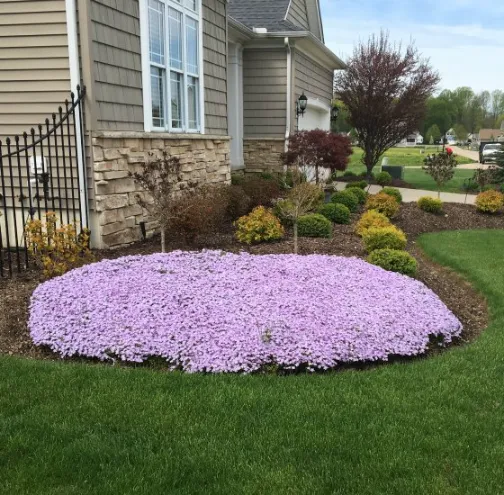
Bare soil is simply an open invitation for weeds. Ground covers fill the space permanently and look attractive doing it. Top low-maintenance options include:
- Creeping phlox: Spreads quickly, blooms bright in spring, handles slopes well
- Liriope (Monkey grass): Virtually indestructible, grows in sun or shade, stays tidy year-round
- Sedum (Stonecrop): Drought-tolerant, succulent texture, works beautifully in rocky or poor soil areas
- Vinca (Periwinkle): Dense spreading growth that chokes out weeds, small purple flowers appear in spring
Pair any ground cover with weed barrier fabric underneath and 2 inches of mulch on top for the most maintenance-free garden bed setup possible.
Xeriscaping for Mobile Homes in Dry Climates
If you are located in the Southwest, Southern California, Nevada, or Colorado, traditional grass lawns are both expensive and impractical to maintain. Xeriscaping is the most sensible alternative available.
Xeriscaping replaces water-hungry turf and thirsty plants with drought-tolerant alternatives and decorative stone. It looks intentional and polished, requires almost no irrigation once established, and handles extreme heat without complaint.
A basic xeriscape setup for a mobile home lot includes:
- Decomposed granite or river rock as the primary ground coverage
- Drought-tolerant plants like agave, lavender, rosemary, and ornamental grasses
- Defined planting islands with drip irrigation lines where needed
- One or two large decorative boulders placed as visual focal points
The EPA WaterSense program provides practical water-smart landscaping tips that work well for any dry-climate mobile home yard.
Frequently Asked Questions About Mobile Home Landscaping Ideas
What is the cheapest way to landscape around a mobile home?
The most affordable starting point is working with what you already have. Edge and define existing grass or bare dirt areas with a flat shovel, divide and transplant any plants you already own, and source free mulch from your local municipality or a certified arborist. Many cities and counties offer free wood chip mulch from tree trimming operations. A clean, well-edged bed with fresh free mulch looks dramatically better than an unmaintained yard and costs almost nothing to achieve.
How do I hide the skirting on my mobile home with landscaping?
Foundation plantings are the most effective and affordable solution. Plant a row of low-growing compact shrubs, ornamental grasses, or evergreens directly in front of the skirting, keeping them 12 to 18 inches away from the home for airflow and access. Dwarf boxwood, compact juniper, and liriope are all excellent choices for most US climates. Add a clean mulch bed in front of the plants to complete the look. Within one full growing season, the skirting will be completely obscured behind healthy plant growth.
What plants grow best along the foundation of a mobile home?
Low-growing, compact plants work best because they will not crowd the home or block access to utility panels and skirting. Reliable choices include dwarf boxwood, compact holly, Blue Fescue ornamental grass, hostas for shaded sides, and creeping juniper for sunny slopes. Always select plants rated for your specific USDA Hardiness Zone to ensure they survive your local winters without issue.
Can I landscape a mobile home in a park or community?
Yes, in most cases, though you need to review your lease or community rules before starting any project. Most parks permit basic landscaping such as flower beds, container gardens, and compact shrubs. Larger projects including fences, sizable trees, or permanent hardscaping typically require management approval. Some parks include lawn maintenance in the monthly lot rent, which frees you to focus your landscaping energy on beds, containers, and other personalized touches that management controls do not cover.
How do I make my mobile home look like a traditional house from the outside?
Three upgrades create the biggest visual transformation: foundation plantings that fully conceal the skirting, a defined pathway from the street or driveway to the front door, and large matching entry planters or window boxes on either side of the entrance. Adding a fresh coat of paint to the skirting in a color that matches the home exterior further removes the visual cues that distinguish it from a site-built house. Landscaping that anchors the home to the ground visually is the single most impactful factor in this kind of exterior transformation.
Wrapping Up: Start With One Zone and Build From There
Your outdoor space has more potential than you might realize. Here is a quick recap of what moves the needle most:
- Plan before you plant. Check community rules, confirm proper grading, and map your sun and shade before spending a dollar on plants or materials.
- Start with the front yard. Foundation plantings and a clean defined pathway deliver the highest visual return per dollar invested.
- Use native plants. They survive and thrive with less water, less fertilizer, and less of your time.
- Work in budget tiers. Even $50 spent in the right place can make a meaningful difference. You do not need to overhaul everything at once.
- Think in zones, not the whole yard. Front first, backyard second, side yards last. Momentum builds as each zone comes together.
Your yard does not know it is a mobile home. It just needs a plan, a little effort, and the right plants in the right places.
References and Further Reading
- USDA Plant Hardiness Zone Map – Find what plants grow in your specific zip code
- HUD Manufactured Home Installation Guidelines – Official site preparation and grading standards
- Virginia Tech: Effect of Landscape Plants on Perceived Home Value – Research on landscaping and property value
- Clemson Cooperative Extension: Foundation Plantings – Region-specific plant guidance for the Southeast and beyond
- Lady Bird Johnson Wildflower Center Native Plant Database – Search native plants by zip code
- EPA WaterSense Landscaping Tips – Water-smart landscaping guidance for dry climates
- Colorado State Extension: Xeriscaping Guide – Drought-tolerant landscaping principles and plant lists
- Manufactured Housing Institute – Rights and resources for manufactured home owners
About Author
Khalid Fazal is a seasoned lawn care specialist and horticultural researcher with over 15 years of hands-on experience transforming challenging landscapes into lush, resilient green spaces. His journey didn’t start in a lab, but in a backyard full of stubborn, cracked clay that “experts” said would never grow a healthy blade of grass. Refusing to accept a yard full of dust, Khalid spent years experimenting with organic soil restoration and precise mulching, eventually turning that wasteland into a neighborhood showpiece on a shoestring budget.
From mastering core aeration techniques to optimizing soil pH for specialized turf varieties, Khalid’s approach combines old-school grit with modern agronomic science. He founded Gen Lawn to provide homeowners with honest, research-backed advice that prioritizes long-term soil health over quick-fix chemical solutions. When he isn’t analyzing soil profiles, he’s developing precision tools to help others achieve professional results without the professional price tag.

Lawn Winterizer: When to Apply by Grass & Region [2026]
Table of Contents Home / By Khalid Fazal | Updated:...
Read More
Spring Lawn Care: What to Do and When in Every US Region
Table of Contents Home / By Khalid Fazal | Updated:...
Read More
Lawn Maintenance Checklist by Season and Grass Type (2026)
Table of Contents Home / By Khalid Fazal | Updated:...
Read More
Liquid Fertilizer vs Granular Fertilizer: Which Wins?
Table of Contents Home / By Khalid Fazal | Updated:...
Read More