What Are the Disadvantages of Cedar Mulch? (8 Real Problems, Backed by Research)
Cedar mulch smells incredible, lasts for years, and looks premium in any front bed. It’s easy to see why so many US homeowners reach for it first.
But here’s what most mulching guides don’t cover: cedar mulch comes with 8 specific, well-documented disadvantages — from a fire hazard measured at nearly 48 feet per minute to soil problems that quietly starve your plants. And a lot of what you’ve read online about it is either exaggerated or flat-out wrong.
This guide breaks down every real disadvantage of cedar mulch, what the science actually says, and when it’s the right call — and when it isn’t.
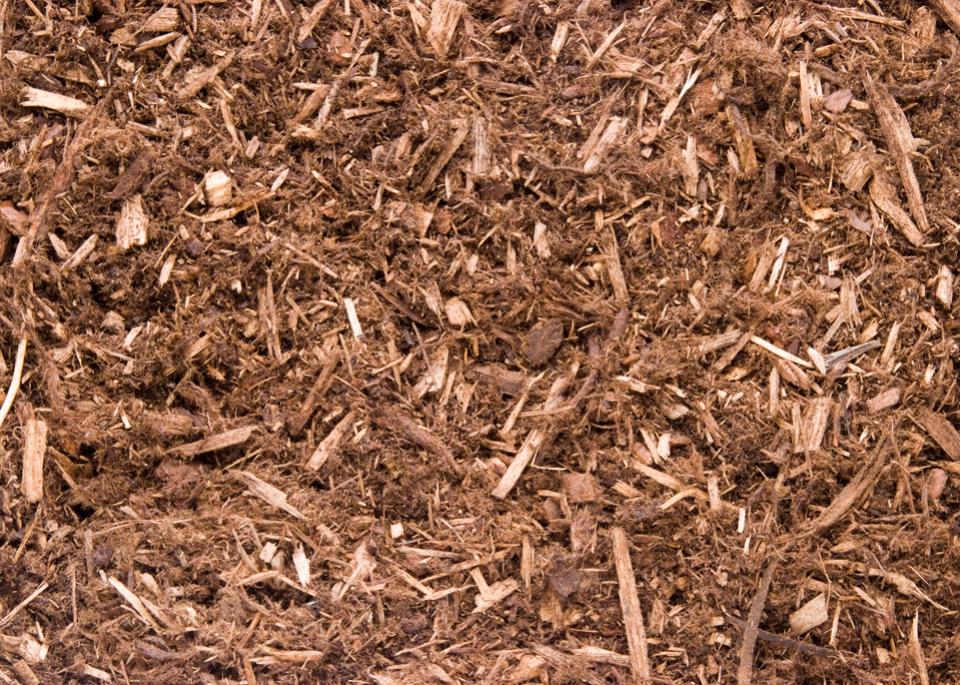
The 8 Disadvantages of Cedar Mulch
1. Cedar Mulch Costs Significantly More Than Other Options
Let’s start with the number homeowners feel first: the price tag.
Cedar mulch typically runs $40–$100 per cubic yard — versus $15–$30 for standard pine or hardwood mulch. That’s 2 to 3 times more for the same square footage of coverage before you’ve turned a single shovelful.
Here’s where it gets worse. Cedar fades. UV exposure strips that rich reddish-brown color within one to two seasons, leaving a dull gray that doesn’t match what you paid for. That means most homeowners end up topdressing or refreshing it more frequently than the “long-lasting” label implies — adding a hidden recurring cost on top of an already premium buy.
The bottom line: Cedar makes financial sense in high-visibility front yard beds where appearance justifies the investment. For large utility areas or backyard mulching, the cost rarely adds up.
2. It’s One of the Most Flammable Mulches You Can Buy
This is the disadvantage almost nobody talks about — and it’s the most serious one.
In a 2008 study conducted by the University of California Cooperative Extension and the University of Nevada Cooperative Extension, eight common mulch types were tested for flammability. The result: shredded western red cedar spread flames at 47.9 feet per minute — ranking it among the highest fire-risk mulches, alongside pine needles and shredded rubber. This data is also cited in FEMA/USFA fire hazard assessments of landscape materials.
If you live anywhere in the US South, Southwest, or wildfire-prone regions — California, Texas, Arizona, Colorado — spreading cedar mulch near your home is a documented risk.
Safety rule: Fire Safe Marin recommends keeping cedar and pine needle mulch at least 30 feet from any structure, including fences, sheds, and outbuildings. Never pile it directly against your home’s foundation.
3. Cedar Mulch Depletes Nitrogen From Your Soil
Here’s where the chemistry matters.
When cedar mulch begins to break down, the microbes responsible for that decomposition pull nitrogen from the surrounding soil to fuel the process. This draw-down can affect the top 2–4 inches of soil for 2–4 years, according to research associated with Washington State University.
For most established plants with deep root systems, this isn’t a crisis — their roots reach below the affected zone. But for seedlings, shallow-rooted annuals, and vegetable gardens, that top layer is exactly where they’re feeding. Nitrogen loss shows up fast: yellowing leaves, stunted growth, noticeably lower yields.
The fix: Before spreading cedar mulch near sensitive plants, work a nitrogen-rich fertilizer or compost into the top layer of soil. A basic soil test will tell you whether your ground is already running low before you start.
4. It Can Gradually Acidify Your Soil
Soil pH — the scale measuring how acidic or alkaline your soil is — directly controls which nutrients your plants can absorb. Cedar mulch, as it decomposes over multiple seasons, can gradually lower soil pH, tipping the balance toward acidity.
For most ornamental plantings, this shift is minor. But it becomes a real problem for plants that prefer neutral to slightly alkaline conditions — including many grasses, roses, and common vegetables. Acidic soil specifically disrupts how plants absorb calcium and magnesium, two nutrients essential for strong cell walls and healthy growth.
Here’s the flip side worth knowing: acid-loving plants like blueberries, azaleas, and rhododendrons can actually benefit from cedar mulch for this exact reason.
Practical step: Test your soil’s pH before committing to cedar. If it’s already reading below 6.0, cedar is likely the wrong mulch for that bed.
5. Cedar Oil Repels Beneficial Insects — Not Just the Bad Ones
Cedar’s insect-repelling reputation is one of its biggest selling points. The natural compound responsible is called thujone — and yes, it does deter ants, termites, cockroaches, and cloth-eating moths.
But here’s the tradeoff nobody mentions: thujone doesn’t discriminate.
According to eXtension.org, a resource from America’s land-grant universities backed by the USDA National Institute of Food and Agriculture, cedar’s fragrance repels both harmful and beneficial insects until it dissipates. Ask Extension (USDA) puts it plainly: “avoid cedar mulch, because its odor repels pollinators.”
Bees, earthworms, ladybugs, and beetles are all affected. Less earthworm activity means less natural soil aeration and nutrient cycling. Fewer bees means less pollination in any bed where your plants need to flower or fruit.
Where this matters most: Keep cedar mulch out of pollinator gardens, away from fruit trees, and away from any bed where you’re relying on natural ecosystem activity.
6. Cedar Mulch Isn’t a Good Fit for Vegetable Gardens or Seedling Beds
This is the most misunderstood disadvantage — partly because the internet has built a myth around it.
The myth: Cedar releases toxic allelopathic chemicals that kill plants.
What the science actually says: Dr. Linda Chalker-Scott, Extension Horticulturist at Washington State University, found “virtually no documented evidence for allelopathic activity in either Thuja or Cedrus spp.” Cedar mulch does not poison plants through chemical release. Most competitor articles state this as fact — it isn’t.
The real problems for vegetable gardens are more practical:
- Physical smothering: Cedar chips block light and water from reaching seedling root zones — not because they’re toxic, but because they sit on top and choke small plants out.
- Nitrogen draw-down: Veggie beds need nitrogen-rich soil constantly. Cedar’s decomposition actively works against that.
- Pollinator deterrence: Most vegetables need bee activity to set fruit. Cedar reduces it.
Vegetables most commonly affected include carrots, lettuce, spinach, and radishes. Better alternatives for veggie beds: straw, compost, or untreated wood chips.
7. Cedar Mulch Fades Faster Than Most Homeowners Expect
UV light breaks cedar’s rich reddish-brown color down quickly — often within a single season in sun-exposed areas. What looked sharp in spring turns a flat gray-brown before summer ends.
Dyed cedar mulch holds color longer, but carries its own caveat: some dyed products contain chemical additives that may be a concern in vegetable gardens or in play areas where children spend time in close contact with the ground.
The expectation gap: Cedar mulch is frequently sold on its appearance. Just know that maintaining the “premium look” requires an annual topdressing — it doesn’t hold color passively the way many homeowners assume.
8. Cedar Mulch Can Trigger Allergic Reactions in Humans and Irritate Pets
Not everyone reacts to cedar the same way — but for sensitive individuals, working with it isn’t neutral.
Cedar dust and a compound called thujaplicin are known respiratory irritants. In people with asthma or cedar sensitivities, spreading or working near fresh cedar mulch can trigger sneezing, coughing, watery eyes, or airway flare-ups. Cedar fever — a widely recognized seasonal allergy in Texas and the US South — is driven by cedar pollen, and fresh cedar mulch can aggravate symptoms in the same population.
For pets: cedar oil can cause contact dermatitis — itching, redness, and rashes — and mild respiratory irritation in dogs that are sensitive to its natural oils. That said, standard landscape cedar mulch is not highly toxic to most dogs.
The critical distinction to know: white cedar (Melia azedarach) — an ornamental tree found in some US landscapes — IS toxic to dogs. Regular bagged landscape cedar mulch is not the same plant. Know what you’re working with before assuming safety.
Practical rules: Always wear gloves and a dust mask when spreading cedar mulch. Monitor pets for itching or respiratory signs when introducing cedar to outdoor areas.
When Cedar Mulch Makes Sense — And When It Doesn’t
Cedar mulch isn’t a bad product. It’s a specific one. Here’s a quick decision guide:
| Good Fit — Use Cedar Mulch | Wrong Fit — Avoid Cedar Mulch |
|---|---|
| Established ornamental flower beds | Vegetable and herb gardens |
| High-visibility front yard areas | Seedling beds and annual planting patches |
| Around mature trees and established shrubs | Homes in wildfire-prone or dry-climate states |
| Slopes (interlocking fibers resist washout) | Pollinator and butterfly gardens |
| Long-term weed suppression in stable beds | Foundation planting strips near structures |
The Best Alternatives to Cedar Mulch
If cedar isn’t the right fit, these options deliver the same core benefits — moisture retention, weed suppression, temperature regulation — without the drawbacks:
- Hardwood mulch — Lower cost, faster decomposition, actively enriches soil. A reliable all-purpose choice for most US lawns.
- Pine bark mulch — Strong moisture retention, lower fire hazard than cedar, neutral soil impact.
- Compost or wood chips — Best for vegetable gardens. Feeds the soil directly and supports beneficial insects.
- Straw — Best for seedling beds and new lawn areas. Lightweight, nutrient-supportive, and easy to remove and till at season’s end.
Frequently Asked Questions About the Disadvantages of Cedar Mulch
Is cedar mulch bad for vegetable gardens?
Cedar mulch isn’t ideal for vegetable gardens primarily because of nitrogen depletion and its tendency to smother young seedlings physically. The widely repeated claim that cedar releases toxic chemicals (allelopathy) is not supported by scientific evidence, according to Washington State University research. For veggie beds, compost, straw, or untreated wood chips are better alternatives.
Does cedar mulch attract or repel termites and other pests?
Cedar mulch generally repels termites and many common garden pests due to its natural thujone content. However, any mulch placed directly against a home’s foundation — regardless of type — can create the moist, sheltered conditions that pests prefer over time. Keep cedar at least 6 inches from your foundation as a standard practice.
What plants should not be mulched with cedar?
Avoid cedar mulch around seedlings, shallow-rooted annuals, vegetable crops (particularly carrots, lettuce, spinach, and radishes), and plants that need neutral or alkaline soil. It should also be avoided in pollinator gardens where bee and earthworm activity is important to plant health.
Is cedar mulch safe for dogs and pets?
Standard landscape cedar mulch is not highly toxic to most dogs, but cedar oil can cause contact dermatitis — itching, redness, rashes — and mild respiratory irritation in dogs with sensitivity to it. Monitor your pet’s behavior when introducing cedar to your yard. Key note: white cedar (Melia azedarach), an ornamental tree, is toxic to dogs — it is not the same as bagged landscape cedar mulch.
Is cedar mulch a fire hazard?
Yes — it’s one of the most flammable organic mulches commonly sold in the US. A University of California and University of Nevada study measured shredded western red cedar spreading fire at 47.9 feet per minute. Fire Safe Marin and FEMA both recommend against using cedar mulch within 30 feet of any structure. In dry or wildfire-prone regions, consider gravel, stone, or composted wood chips instead.
How long does cedar mulch last before it needs replacing?
Cedar mulch holds its structure for 3–4 years before requiring full replacement. However, its color fades much faster — often within one to two seasons in sun-exposed areas. Most landscapers recommend an annual topdressing of 1–2 inches to maintain the appearance without pulling out and replacing the entire bed.
The Bottom Line on Cedar Mulch Disadvantages
Cedar mulch earns its place in US landscaping when it’s used in the right spots. But its disadvantages are real, specific, and worth understanding before you spread a single bag.
Key takeaways:
- Fire risk is documented and serious — keep it 30 feet from structures; avoid it in dry climates
- Nitrogen depletion is real — supplement soil before applying near seedlings or vegetable beds
- It’s not right for vegetable gardens — use compost, straw, or wood chips instead
- Beneficial insects take a hit — skip cedar in any bed where pollination matters
- The allelopathy myth is just that — a myth — cedar won’t chemically poison your plants, but it can still cause problems
References & Sources
- Fire Safe Marin — Combustibility of Landscape Mulch Materials (UC / UNV Cooperative Extension, 2008)
- FEMA/USFA — Assessing Options to Reduce the Fire Risk of Mulch
- UW Miller Library / WSU — Cedar Wood Chips and Allelopathy (Dr. Linda Chalker-Scott)
- eXtension.org (USDA) — Are There Any Problems with Using Cedar Chips as Mulch?
- Ask Extension (USDA) — Cedar Mulch and Pollinators
- Bob Vila — 6 Things to Know About Cedar Mulch (Thujone)
- Penn State Extension — Soil pH for Field Crops
- ASPCA — Toxic Plant Reference: Chinaberry / White Cedar
- Asthma and Allergy Foundation of America — Cedar Fever
- Gardening Collective — Cedar Mulch Pros and Cons (Nitrogen Depletion)
About Author
Khalid Fazal is a seasoned lawn care specialist and horticultural researcher with over 15 years of hands-on experience transforming challenging landscapes into lush, resilient green spaces. His journey didn’t start in a lab, but in a backyard full of stubborn, cracked clay that “experts” said would never grow a healthy blade of grass. Refusing to accept a yard full of dust, Khalid spent years experimenting with organic soil restoration and precise mulching—eventually turning that wasteland into a neighborhood showpiece on a shoestring budget.
From mastering core aeration techniques to optimizing soil pH for specialized turf varieties, Khalid’s approach combines old-school grit with modern agronomic science. He founded Gen Lawn to provide homeowners with honest, research-backed advice that prioritizes long-term soil health over quick-fix chemical solutions. When he isn’t analyzing soil profiles, he’s developing precision tools to help others achieve professional results without the professional price tag.

Lawn Winterizer: When to Apply by Grass & Region [2026]
Table of Contents Home / By Khalid Fazal | Updated:...
Read More
Spring Lawn Care: What to Do and When in Every US Region
Table of Contents Home / By Khalid Fazal | Updated:...
Read More
Lawn Maintenance Checklist by Season and Grass Type (2026)
Table of Contents Home / By Khalid Fazal | Updated:...
Read More
Liquid Fertilizer vs Granular Fertilizer: Which Wins?
Table of Contents Home / By Khalid Fazal | Updated:...
Read More