What Color Mulch Is Best for Flower Beds? (Black, Brown & Red Compared)
You’re standing in the garden center. Three colors of mulch stare back at you — black, brown, red. You grab a bag, second-guess yourself, put it back. Sound familiar?
Here’s the short answer: black and dark brown mulch are the best colors for most flower beds. They create contrast that makes your flowers pop, work with the widest range of home exteriors, and do a solid job of suppressing weeds and retaining moisture.
But “most” isn’t “all.” The right color for your flower beds depends on your flowers, your home’s exterior, and even where you live in the US. That’s exactly what this guide breaks down — so you walk out of that garden center (or close that browser tab) knowing exactly what to grab.
Why Mulch Color Actually Matters for Flower Beds
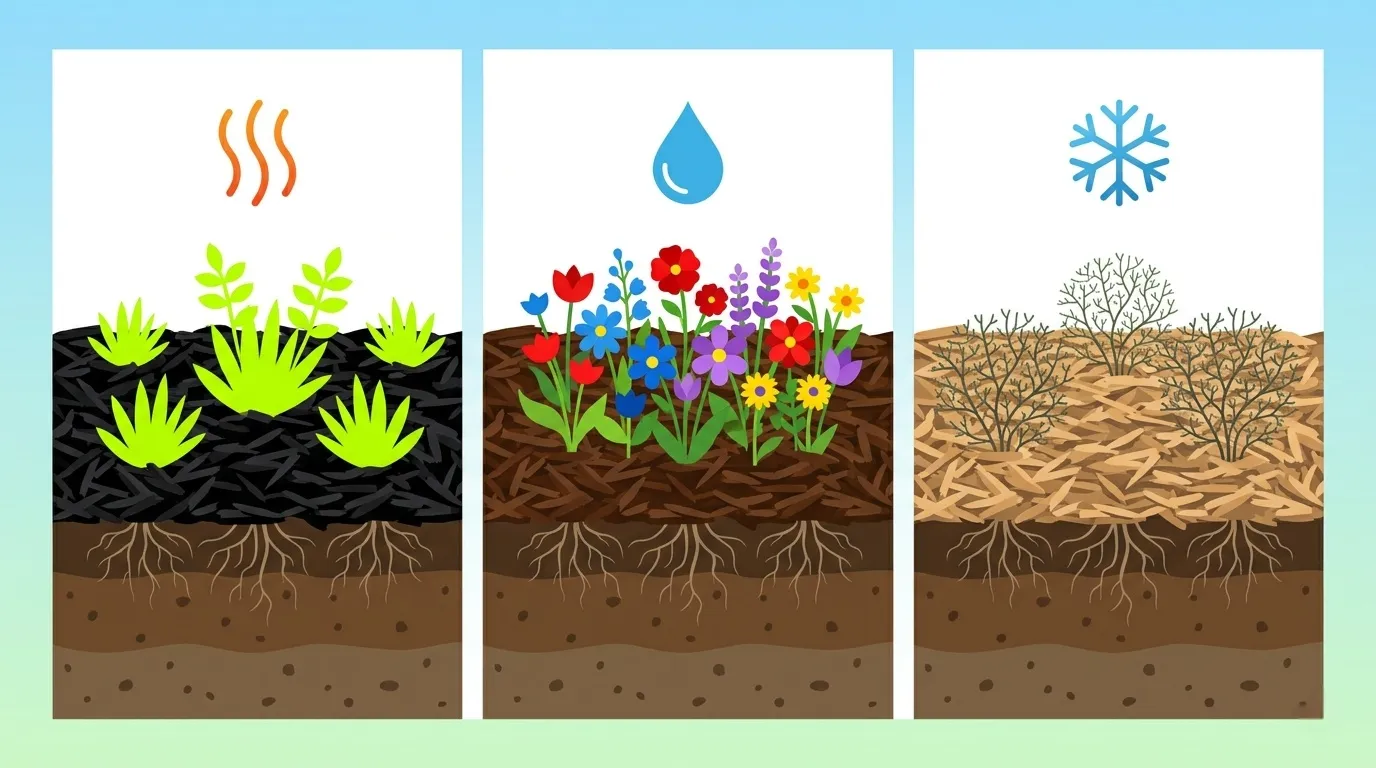
Most homeowners think of mulch color as a purely aesthetic choice. It’s not. Color influences soil temperature, moisture behavior, and even weed control — all of which directly affect how well your flowers grow.
It’s Not Just About Looks — Color Affects Soil Temperature
Dark mulches like black absorb more heat from the sun and transfer it into the soil below. In cooler northern climates, this is a genuine advantage — it warms your soil faster in spring and extends the growing season for heat-loving flowers like hibiscus and yarrow.
In the South or Southwest, though, that same heat retention can stress plant roots during peak summer. Lighter-colored mulches reflect more heat, keeping soil cooler — a meaningful difference when temperatures regularly hit the 90s.
How Mulch Color Influences Weed Suppression and Moisture Retention
Here’s the thing: all mulch suppresses weeds by blocking sunlight from reaching weed seeds. But darker mulches block light more effectively, making black mulch a particularly strong weed barrier in exposed flower beds.
Moisture retention works similarly across colors — a 2–3 inch layer of any good mulch reduces soil evaporation significantly. The bigger factor is the material itself (wood chips hold moisture better than straw, for example), which we’ll cover later.
The Aesthetic Factor: Mulch as Part of Your Garden’s Color Palette
Think of mulch the way you’d think of a picture frame. A good frame doesn’t compete with the painting — it makes it stand out. The same rule applies here. The best mulch color for flower beds is one that contrasts with your flowers rather than fighting them for attention. Dark mulches make bright flowers sing. Lighter, natural tones blend into the landscape for a more relaxed, naturalized look.
What Color Mulch Is Best for Flower Beds — The 3 Main Options Compared
Black Mulch — Best for Bold, Modern Flower Beds
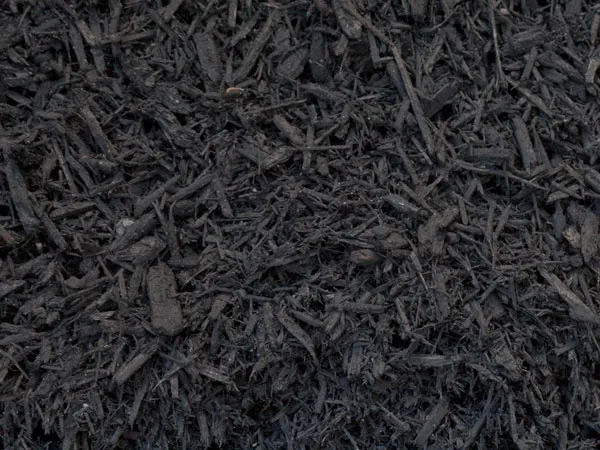
Black mulch is the showstopper. It creates serious contrast against almost every flower color — reds, yellows, hot pinks, soft whites, and purples all look more vibrant against a dark background. If your flowers are the main event, black mulch gives them a stage.
It works exceptionally well with:
- Modern and contemporary homes — clean lines, gray or white siding, minimalist landscapes
- Flower beds with bright, saturated blooms — think zinnias, marigolds, petunias, black-eyed Susans
- Northern US climates — where extra soil warmth in spring is a plant health benefit, not a liability
The tradeoff? Black mulch fades faster than any other color. UV exposure breaks down the dye quickly, especially in full-sun beds. You may need to refresh or reapply mid-season to keep that bold, polished look.
Bottom line: Black is the best mulch color for curb appeal in contemporary landscapes. If you want your flower beds to look like they were designed by a professional, black is your move.
Brown Mulch — The Most Versatile Color for Flower Beds
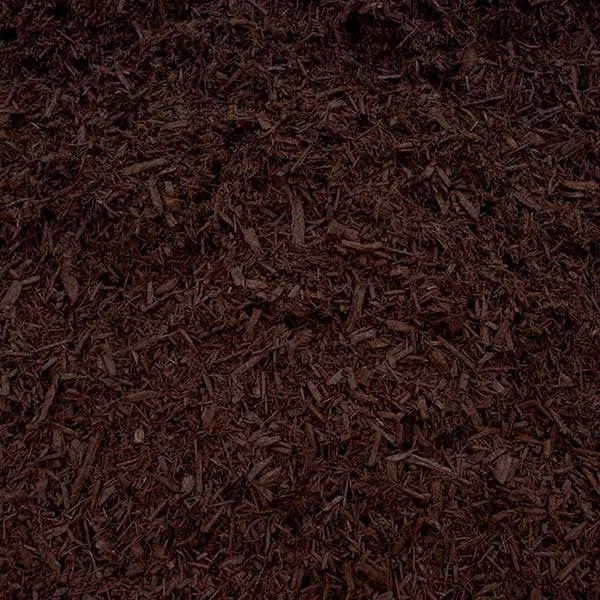
Brown is the crowd-pleaser of the mulch world — and for good reason. It’s familiar, natural-looking, and works with virtually any garden style without demanding attention.
Natural brown mulch mimics the look of a forest floor. It weathers gradually over time, blending into the landscape rather than commanding it. That gradual aging works in its favor — even as it fades, it still looks decent, unlike dyed mulches that can look stark and patchy as they lose color.
Brown mulch is the strongest choice for:
- Traditional, cottage, or rustic garden styles
- Earth-tone homes — beige, brick red, tan, warm gray
- Relaxed, informal flower beds where you want plants to feel naturally rooted
- Any US climate — brown’s moderate heat absorption makes it safe in both northern and southern states
Dyed brown splits the difference between natural brown and black. It gives you rich, consistent color that holds through the season but maintains that organic warmth. It’s the safest choice if you’re unsure which direction to go.
Bottom line: If you’re mulching for the first time and don’t want to overthink it, dark brown is almost always right.
Red Mulch — When to Use It (and When to Skip It)
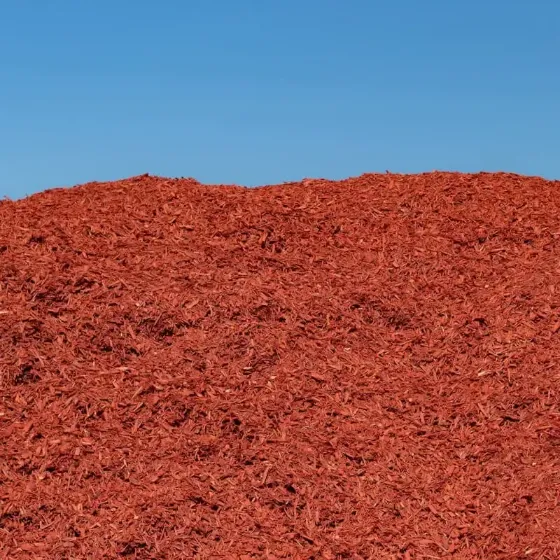
Red mulch is divisive. Some people love the warm, rustic energy it brings. Others find it looks unnatural, especially next to lush green foliage.
Here’s when red actually works:
- Mediterranean or Southwestern-style homes with stucco, warm brick, or terracotta tones
- Yellow, white, and blue flowers — red provides a complementary contrast for cooler flower colors
- Decorative beds near driveways or pathways where you want a bold visual anchor
Here’s when to skip it:
- Formal English garden styles or cottage gardens — red looks out of place
- Next to red or orange flowers — colors clash rather than contrast
- If your neighbors have brown or black mulch — red can look jarring in a traditional neighborhood context
Like black, red mulch tends to fade relatively fast. And unlike brown, the fading can look worse — bright red going dusty and patchy is harder to work with than natural brown aging gracefully.
Bottom line: Red is a strong choice when it matches your home and flower palette. Use it with intention, not by default.
Quick Comparison: Black vs. Brown vs. Red Mulch for Flower Beds
| Feature | Black | Brown | Red |
|---|---|---|---|
| Visual Impact | Bold, dramatic | Natural, subtle | Intense, warm |
| Heat Absorption | High | Low to moderate | High |
| Fade Rate | Fast | Slow | Moderate |
| Best Home Colors | White, gray, pastel | Beige, brick, tan | Yellow, tan, stucco |
| Best Flower Colors | Any — makes all colors pop | Any — neutral backdrop | White, yellow, blue |
| Best Climate | Cooler North | Any region | Warmer South or arid West |
| Garden Style | Contemporary, modern | Traditional, cottage, rustic | Mediterranean, Southwestern |
How to Choose the Right Mulch Color for YOUR Flower Beds
Match Your Mulch Color to Your Home’s Exterior
Your flower beds don’t exist in isolation — they frame your home. A mismatch between mulch and exterior creates visual noise, even if each element looks fine individually.
Here’s a simple rule of thumb:
- White, gray, or pastel siding → Black mulch
- Brick red, warm beige, tan, or brown tones → Brown mulch
- Yellow, tan, stucco, or terracotta → Red or brown mulch
- Dark wood or charcoal exteriors → Natural brown or compost-style mulch
Consider Your Flower Colors — Contrast, Not Competition
The goal is always contrast. Dark mulch makes bright, saturated flowers look bolder. Neutral-toned brown lets mixed flower colors each hold their own without one dominating.
- Bright blooms (reds, yellows, oranges, pinks) → Black or dark brown mulch
- Cool tones (blues, purples, whites) → Red or brown mulch
- Mixed or ever-changing seasonal beds → Dark brown (works with everything, always)
Factor in Your Climate
This is the step most homeowners skip — and it matters.
- Northern US (cold winters, warm summers): Black mulch is a smart choice. The heat absorption warms soil earlier in spring, giving cool-region flowers a head start.
- Southern US (hot, humid summers): Lean toward brown or natural mulch. Black can overheat roots in peak summer, stressing plants during the hottest months.
- Desert Southwest: Light-colored or natural brown options reflect heat and help conserve the moisture your soil desperately needs.
Quick Color-Matching Cheat Sheet
- Modern home + bright flowers + northern climate → Black
- Traditional home + mixed flowers + any climate → Dark brown
- Brick or stucco home + yellow or white flowers + southern climate → Red or brown
- Not sure? → Dark brown. Every time.
Beyond Color — Mulch Type Matters Too
Organic vs. Dyed Mulch — What’s Actually in the Bag?
Most colored mulch you’ll find at a garden center is dyed wood — usually hardwood chips or bark coated with iron oxide (red and brown dyes) or carbon-based colorants (black). These are generally safe for flower beds when purchased from reputable suppliers.
The better long-term choice, though, is organic mulch — aged hardwood, double-shredded bark, or compost. As organic mulch breaks down, it feeds your soil. Dyed mulch delivers color, but not necessarily nutrition.
Pro tip: Avoid freshly chipped “green” mulch or municipal wood chip piles placed directly around flowers. They can release excess nitrogen and disrupt soil chemistry as they break down.
Double or Triple Shredded: Why Texture Matters for Flower Beds
Shred level changes the look and function of your mulch more than most people realize.
- Triple shredded — the finest texture, the most refined polished look, ideal for formal flower beds. Breaks down faster, so refresh annually.
- Double shredded — the best balance for most flower beds. Spreads easily around delicate stems, looks neat, lasts a solid season.
- Single shredded — chunky and hard to work with around flowers. Better suited to trees, shrubs, and slopes.
For flower beds specifically, double or triple shredded is almost always the right call.
How Deep to Apply Mulch (and What to Avoid)
Apply 2–3 inches of mulch across your flower beds. More than that, and you risk deflecting rain away from roots and creating a habitat for voles and other rodents.
Keep mulch at least 1–2 inches away from the crown and stems of your plants. Moisture trapped against stems invites rot, fungal disease, and pest problems — a common beginner mistake that costs plants their health.
Refresh mulch once a year, typically in spring before the growing season. Mid-season touch-ups are worth it if you notice significant fading or bare patches.
Frequently Asked Questions About Mulch Color for Flower Beds
Does black mulch get too hot and hurt plants?
It can — but only in specific conditions. In the southern US, black mulch absorbs significant heat and can raise soil temperatures to levels that stress plant roots during peak summer. In cooler northern climates, this same heat retention is actually beneficial in spring. If you’re in a hot region and want black mulch, apply it later in the season once soil temperatures have stabilized, and keep it away from the crowns of heat-sensitive plants.
What color mulch is best for curb appeal?
Black mulch delivers the most visual impact and is widely considered the top choice for curb appeal in modern and contemporary landscapes. It creates sharp contrast with green foliage and makes flower colors appear more vibrant from a distance. For traditional homes, dark brown is the curb appeal winner — it’s polished without being dramatic.
How long does colored mulch last before it fades?
It depends on the color and sun exposure. Black fades the fastest, often losing significant color within one growing season — especially in full-sun beds. Red fades at a moderate rate. Brown, particularly natural brown, fades most slowly and ages most gracefully. All dyed mulches can be refreshed mid-season with mulch colorant spray, which costs around $20–25 per quart and covers a large area.
Is dyed mulch safe for flower beds?
Yes — commercially sold dyed mulch from major garden retailers is generally safe for flowers, soil, and the surrounding ecosystem. The iron oxide colorants used in red and brown dyes and the carbon-based dyes in black mulch are not toxic. The concern to watch for is sourcing: avoid mulch made from recycled pallets or pressure-treated lumber, which may contain chromium or arsenic. When in doubt, buy from a trusted landscaping supplier.
Should mulch color match throughout the yard, or can I mix?
Consistency creates the most cohesive look — matching mulch color across all your flower beds and landscape areas ties the yard together visually. That said, mixing isn’t a hard rule. Some homeowners use black in front-facing display beds for impact and natural brown in back gardens for practicality. As long as the transition feels intentional rather than random, it works.
Conclusion: The Right Mulch Color Makes Your Flower Beds Look Intentional
Choosing mulch color isn’t complicated once you know the framework. Here are the key takeaways:
- Black mulch is the boldest choice — best for modern homes, bright flowers, and northern climates where soil warmth is a benefit
- Dark brown mulch is the most versatile and forgiving choice — works with nearly every home style, flower color, and US climate
- Red mulch is a strong accent choice for warm-toned homes and cooler flower colors — use it with intention, not by default
- Texture matters too — double or triple shredded mulch spreads better and looks more refined in flower beds
- Apply 2–3 inches deep, refresh annually, and always keep mulch away from plant stems
Still on the fence? Go dark brown. You genuinely can’t go wrong — and your flowers will thank you for it.
Ready to mulch your beds this spring? Walk through your home’s exterior color, take stock of your flower palette, and let those two factors guide your pick. It’s a $30–50 decision that makes a $300 difference in how your yard looks.
References & Sources
- LawnStarter — How to Choose the Right Mulch Color for Your Landscape: lawnstarter.com
- Longfield Gardens — How to Choose the Best Mulch for Flower Gardens: longfield-gardens.com
- Mulch Mound — Best Mulch for Flower Beds: A Practical Guide: mulchmound.com
- Brecks — What Is The Best Type of Mulch for Flower Beds: brecks.com
- Cherry Hill Inc — Do Different Color Mulches Have Different Benefits: cherryhillinc.com
About Author
Khalid Fazal is a seasoned lawn care specialist and horticultural researcher with over 15 years of hands-on experience transforming challenging landscapes into lush, resilient green spaces. His journey didn’t start in a lab, but in a backyard full of stubborn, cracked clay that “experts” said would never grow a healthy blade of grass. Refusing to accept a yard full of dust, Khalid spent years experimenting with organic soil restoration and precise mulching—eventually turning that wasteland into a neighborhood showpiece on a shoestring budget.
From mastering core aeration techniques to optimizing soil pH for specialized turf varieties, Khalid’s approach combines old-school grit with modern agronomic science. He founded Gen Lawn to provide homeowners with honest, research-backed advice that prioritizes long-term soil health over quick-fix chemical solutions. When he isn’t analyzing soil profiles, he’s developing precision tools to help others achieve professional results without the professional price tag.

Lawn Winterizer: When to Apply by Grass & Region [2026]
Table of Contents Home / By Khalid Fazal | Updated:...
Read More
Spring Lawn Care: What to Do and When in Every US Region
Table of Contents Home / By Khalid Fazal | Updated:...
Read More
Lawn Maintenance Checklist by Season and Grass Type (2026)
Table of Contents Home / By Khalid Fazal | Updated:...
Read More
Liquid Fertilizer vs Granular Fertilizer: Which Wins?
Table of Contents Home / By Khalid Fazal | Updated:...
Read More