
You walked out to enjoy your garden and found it instead: fresh holes scattered across your mulch beds, dirt flung onto the grass, and not a single suspect in sight.
Here’s the short answer. The thing digging holes in your mulch is almost always one of seven culprits — squirrels, raccoons, skunks, moles, voles, birds, or ground-nesting wasps. The good news is that you don’t have to catch it in the act. The size, shape, and timing of the holes give it away every time.
In this guide, you’ll learn how to read those clues, match them to the right animal or insect, understand why it picked your beds, and stop the digging for good — including when it’s worth calling in a pro.
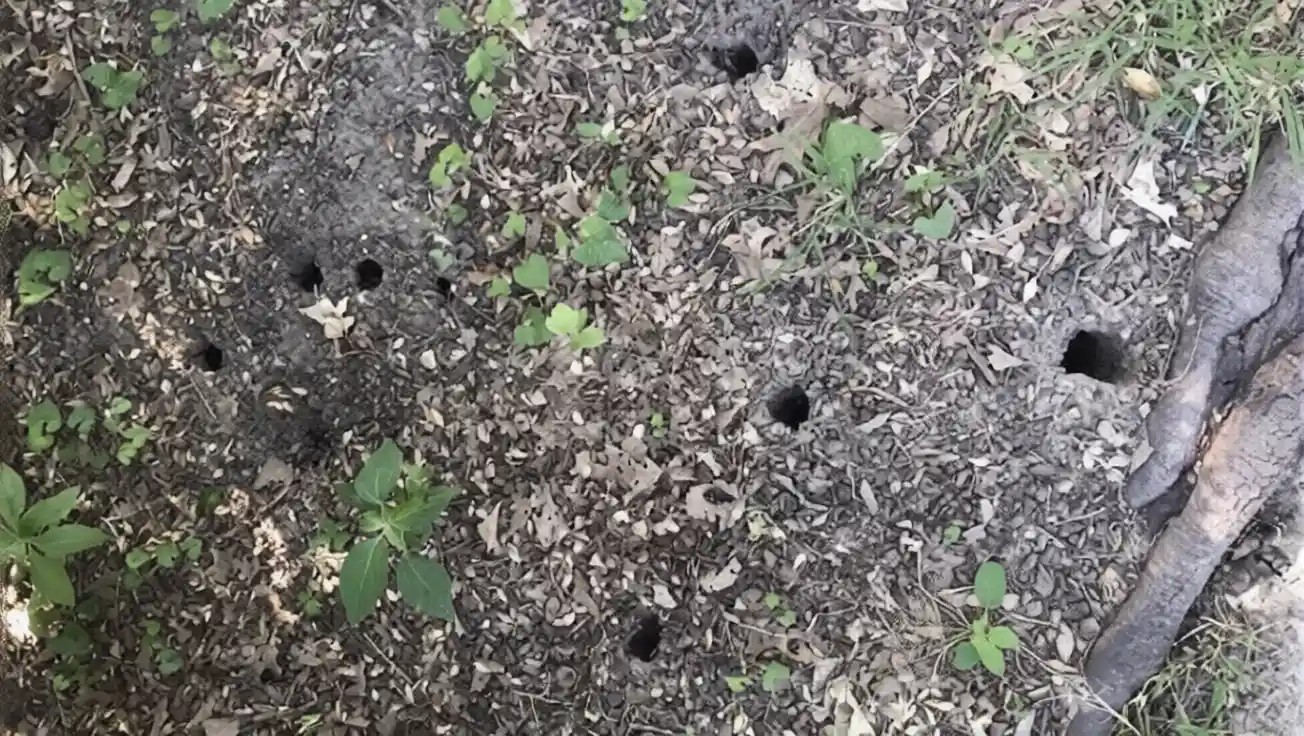
What Is Digging Holes in My Mulch? The Quick Answer
Before you spend money on repellents, spend two minutes playing detective. Most diggers leave a signature, and once you know what to look for, identification gets easy.
The 30-Second Identification Checklist
Walk out to the holes and note these four things:
- Size: Small scrapes (1–2 inches) point to squirrels or birds. Wide, messy craters (3–6 inches) point to raccoons.
- Shape: Neat, cone-shaped holes usually mean a skunk. Ragged, flung-everywhere holes mean a raccoon.
- Depth: Shallow surface scratches are different from tunnels or raised ridges, which point to moles and voles working from below.
- Timing: Holes that appear overnight narrow your suspects to nocturnal animals. Daytime digging points to squirrels, birds, or wasps.
Snap a photo with your phone for scale. Patterns are far easier to spot in a picture than in your memory the next morning.
Quick Hole-ID Comparison Table
Match what you see to the most likely culprit:
| What you see | Most likely culprit | When it happens | Confirm it by |
|---|---|---|---|
| Many shallow 1–2 in. pits near trees | Squirrels / chipmunks | Daytime | Acorns, nutshells, or seeds nearby |
| Wide, messy 3–6 in. holes, mulch flung out | Raccoons | Overnight | Small hand-like paw prints |
| Neat, cone-shaped 1–3 in. holes | Skunks | Overnight | Faint musky odor near the dig |
| Raised ridges or spongy, soft tunnels | Moles | Day and night | Volcano-shaped soil mounds |
| Pencil-width holes with surface trails | Voles | Daytime | Criss-crossing runways in the grass |
| Mulch flicked aside, no real hole | Birds | Daytime | Mess appears right after fresh mulch |
| Single ½–1.5 in. hole with a soil mound | Cicada killer wasp | Mid-to-late summer | A large wasp hovering low over the spot |
Keep this table handy — you’ll refer back to it as we break down each digger below.
Common Animals That Dig Holes in Mulch
These six are behind the vast majority of mulch-bed mysteries. Here’s how to tell them apart.
Squirrels and Chipmunks
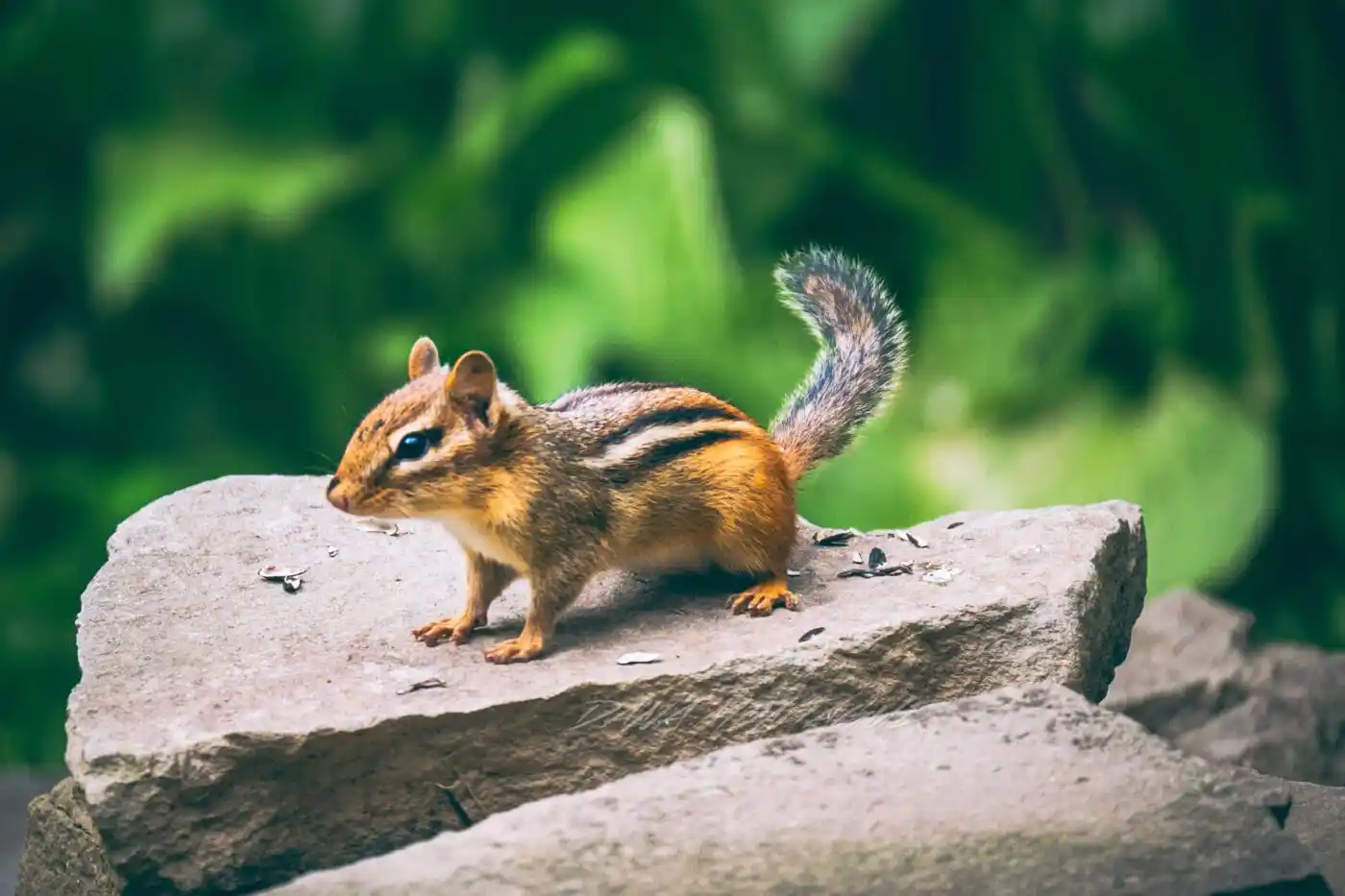
Squirrels are the usual suspects when you find a lot of small, shallow pits scattered around your beds. They dig 1–2 inch holes to bury or dig up acorns and seeds, and the holes cluster near trees and shrubs where food is plentiful.
The tell: the digging happens in daylight, and you’ll often spot the squirrels themselves nearby. Activity spikes in fall, when they’re caching food before winter.
Raccoons
Raccoons are heavyweight diggers. They tear up larger, messier holes — usually 3–6 inches wide — and scatter mulch in every direction as they hunt for grubs and worms.
Here’s the giveaway: raccoons are nocturnal, so the damage shows up overnight. Look for small, five-fingered paw prints that almost look like tiny human handprints near the disturbed mulch.
Skunks
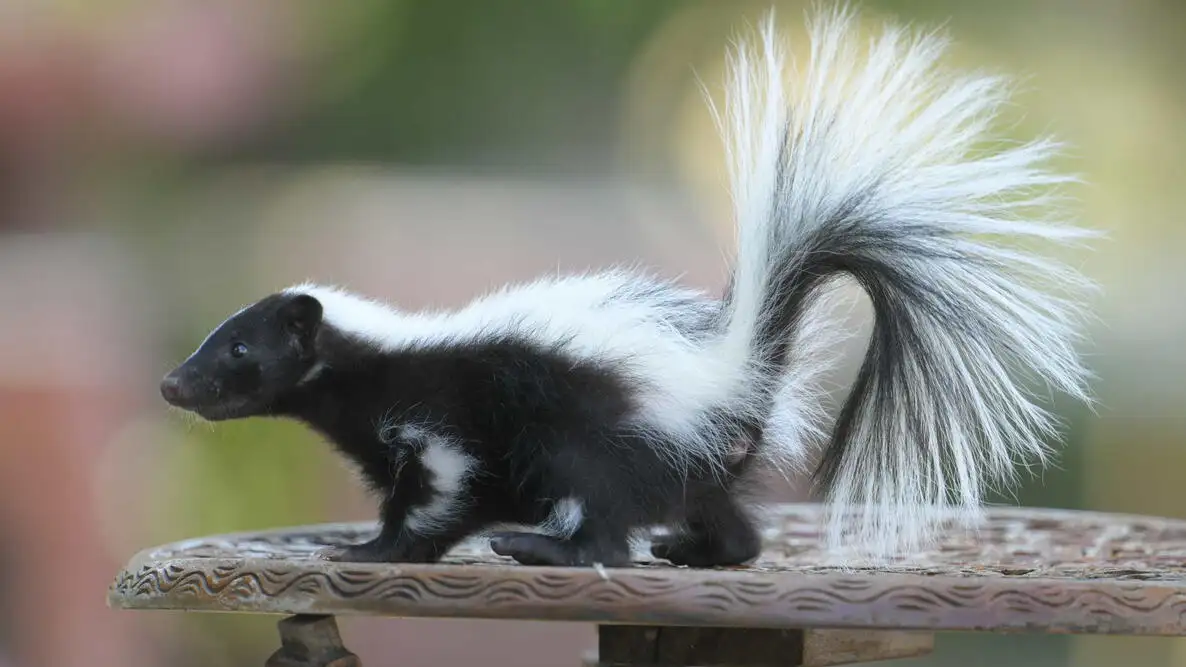
Skunks are precision diggers. They leave tidy, cone-shaped holes about 1–3 inches across as they probe for grubs and beetle larvae. You may also catch a faint musky smell or spot small droppings nearby.
Like raccoons, skunks work at night. So if you wake up to neat little cones in your mulch, a skunk is your most likely visitor.
Moles and Voles
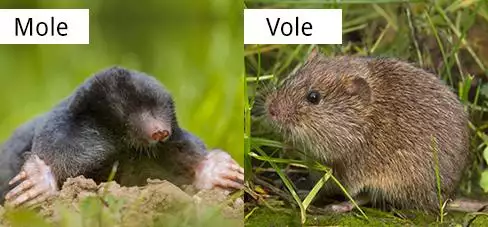
These two get blamed for each other constantly, so it’s worth getting them straight. Moles are insect-eaters that tunnel for grubs and earthworms, leaving raised ridges and volcano-shaped mounds. Voles are small rodents that eat roots and bulbs, leaving pencil-width holes connected by surface runways.
The simplest memory trick from Clemson Extension: moles are meat-eaters (insects and worms), while voles are vegetarians (roots and stems). That difference also tells you which fix will work, which we’ll get to shortly. If voles are chewing bark or bulbs in your beds, this vole management guide from the University of Minnesota goes deeper.
Birds
Birds like crows, robins, and grackles don’t make true holes — they make a mess. They flick and scatter mulch sideways while hunting for insects, seeds, and worms near the surface.
You’ll notice this most right after you lay fresh mulch, when bugs and worms are active near the top. It looks alarming, but bird scratching is the most harmless culprit on this list.
Insects and Surprising Causes You Haven’t Considered
Not everything digging in your mulch has fur. These causes get overlooked, and they can be the answer when no animal explanation fits.
Cicada Killer Wasps and Ground-Nesting Bees
If you find a single tidy hole about a half-inch to an inch-and-a-half wide, ringed by a small mound of kicked-out soil, and a large wasp patrolling low over it in mid-to-late summer, you’re likely looking at a cicada killer wasp.
Here’s the reassuring part: despite their intimidating size, cicada killers are solitary and rarely sting people. The males that dive-bomb you can’t sting at all. They prefer bare, sunny, well-drained soil — which is exactly why a thick mulch layer or groundcover discourages them in the first place.
Grubs, Pets, Kids, and Water
Sometimes the digger isn’t what’s making the hole — it’s what’s attracting the digger. White grubs (beetle larvae) living under your mulch are the buffet that pulls in skunks, raccoons, and moles. Reduce the grubs and you often remove the reason for the digging.
But wait — before you assume wildlife, rule out the simple stuff:
- Pets: A bored or scent-driven dog can churn a bed in minutes.
- Kids: Small craters near a play area often have a very human explanation.
- Water runoff: Heavy rain or a misaligned downspout can wash out pockets of mulch that look exactly like dig marks.
If the “holes” only appear after storms, check your drainage before you blame an animal.
Why They’re Digging — and Is It Harmful?
Once you know the culprit, the motive is usually obvious. And knowing the motive is what lets you fix the problem instead of just chasing symptoms.
Food, Shelter, and Seasonal Triggers
Almost all mulch digging comes down to one of three needs:
- Food: Grubs, worms, seeds, and bulbs sit just under the surface. This is the number-one driver.
- Shelter: Loose, warm mulch makes an inviting hiding spot for voles and a soft medium for nesting insects.
- Season: Spring brings grub-hunting skunks and raccoons. Fall brings seed-caching squirrels. Summer brings birds and wasps.
Match the season to the table above and your shortlist of suspects gets even shorter.
Is It Harmful When Something Is Digging Holes in My Mulch?
In small doses, a little digging won’t ruin your garden. A few squirrel pits or some bird scatter is cosmetic.
The problem is when it’s persistent. Repeated digging exposes and damages plant roots, opens bare soil to weeds, and signals a food source (usually grubs) that will keep drawing visitors back. Vole runways and mole tunnels can also disturb roots over time. So the question isn’t just “what is it?” — it’s “is it coming back?” If holes reappear night after night, it’s time to act.
How to Stop Whatever Is Digging in Your Mulch (Proven Methods)
The most reliable approach is layered: make the soil hard to reach, make the area unpleasant, and remove the reason they came. Here’s how to do each.
Physical Barriers and Smarter Mulch Choices
Start by making the dirt itself off-limits:
- Hardware cloth or chicken wire: Lay it just beneath the mulch to block diggers from reaching the soil.
- Landscape fabric: A simpler option that still cuts off easy access while letting water through.
- Inorganic mulch: Gravel, stone, or rubber mulch in problem spots offers nothing for insects to live in, which means nothing for diggers to hunt.
- Right depth: Keep organic mulch at 2–3 inches. Thick enough to do its job, not so deep that it becomes a habitat.
Natural Deterrents and Habitat Fixes
Next, make the spot uninviting. These work best in combination, not alone:
- Motion-activated sprinklers or lights startle nocturnal raccoons and skunks.
- Cedar mulch carries oils that deter some pests.
- Coffee grounds can discourage squirrels and cats by scent (refresh them after rain).
Then remove the invitation. Secure trash cans, stop leaving pet food outside, and address grub populations, since grubs are the magnet for the heaviest diggers. The EPA’s integrated pest management approach is the safest framework: identify the pest, change the conditions that attract it, and use chemical controls only as a last resort.
When to Call a Lawn or Wildlife Pro
DIY fixes handle most cases. But call in help when the digging is nightly, plants are dying from root damage, or the problem is spreading across the whole yard — that usually means a large grub population or established wildlife. Persistent moles, for instance, often need targeted professional control to break the cycle.
This is where a lawn-care partner earns its keep. A grub assessment and treatment removes the food source at the root, and a professional can identify the culprit with certainty and recommend humane, lasting prevention. If you’d like the digging diagnosed and stopped without the guesswork, Gen Lawn’s team can help assess your beds and treat the underlying cause.
Frequently Asked Questions: What Is Digging Holes in My Mulch?
What time of night do animals dig holes in mulch?
Skunks and raccoons are most active from dusk through the early morning. If you consistently find fresh holes overnight, a nocturnal digger is almost certainly responsible.
How deep are the holes that different animals make in mulch?
Squirrels and birds usually go only an inch or two deep. Raccoons and skunks can dig pits up to about 6 inches. Moles and voles disturb mulch from below, leaving tunnels and soft spots rather than open pits.
What’s the fastest way to identify what’s digging in my mulch?
Measure the hole, note its shape, look for tracks or droppings, and record what time of day it appears. If you still can’t tell, a cheap motion-activated camera will name the culprit in a night or two.
Do coffee grounds really stop animals from digging in mulch?
They can help with scent-sensitive animals like squirrels and cats, but results vary and the effect fades. Treat coffee grounds as one layer of a broader plan, not a standalone fix.
Is it dangerous to have wasps digging holes in my mulch?
Ground-nesting cicada killers look frightening but rarely sting people, and the patrolling males can’t sting at all. Covering bare soil with mulch or groundcover usually convinces them to nest elsewhere on its own.
The Bottom Line
Mystery holes in your mulch don’t stay a mystery for long once you know what to look for. To recap:
- Read the clues first — size, shape, depth, and timing point straight to the culprit.
- Most diggers are after food — usually grubs, seeds, or worms living in the mulch.
- Layer your fixes — barriers, deterrents, and removing the food source work far better together than alone.
- A little digging is cosmetic; nightly digging is a signal to investigate and treat the cause.
- Call a pro when the damage is persistent, spreading, or hurting your plants.
Tired of refilling the same holes every morning? Have your beds and lawn assessed for grubs and the real source of the digging — fix the cause once, and the mulch stays put.
References
- University of Maryland Extension — Animals Digging in Lawns
- University of Maryland Extension — Cicada Killer Wasps
- Clemson Cooperative Extension (HGIC) — How to Tell the Difference Between Moles and Voles
- University of Minnesota Extension — Managing Vole Damage
- University of Missouri Extension — Controlling Nuisance Moles
- U.S. Environmental Protection Agency — Safe Pest Control & Integrated Pest Management
About Author
Khalid Fazal is a seasoned lawn care specialist and horticultural researcher with over 15 years of hands-on experience transforming challenging landscapes into lush, resilient green spaces. His journey didn’t start in a lab, but in a backyard full of stubborn, cracked clay that “experts” said would never grow a healthy blade of grass. Refusing to accept a yard full of dust, Khalid spent years experimenting with organic soil restoration and precise mulching—eventually turning that wasteland into a neighborhood showpiece on a shoestring budget.
From mastering core aeration techniques to optimizing soil pH for specialized turf varieties, Khalid’s approach combines old-school grit with modern agronomic science. He founded Gen Lawn to provide homeowners with honest, research-backed advice that prioritizes long-term soil health over quick-fix chemical solutions. When he isn’t analyzing soil profiles, he’s developing precision tools to help others achieve professional results without the professional price tag.

Lawn Winterizer: When to Apply by Grass & Region [2026]
Table of Contents Home / By Khalid Fazal | Updated:...
Read More
Spring Lawn Care: What to Do and When in Every US Region
Table of Contents Home / By Khalid Fazal | Updated:...
Read More
Lawn Maintenance Checklist by Season and Grass Type (2026)
Table of Contents Home / By Khalid Fazal | Updated:...
Read More
Liquid Fertilizer vs Granular Fertilizer: Which Wins?
Table of Contents Home / By Khalid Fazal | Updated:...
Read More