
When to Aerate Your Lawn: The Complete Timing Guide (By Grass Type, Region and Soil)
You water consistently. You fertilize on schedule. You mow every weekend without fail.
And yet your lawn still looks tired, patchy, and rough underfoot.
Here is what most homeowners never get told: the problem might not be what you are putting on your lawn. It might be what is happening underneath it.
Over time, foot traffic, heavy rains, and even your lawnmower compact the soil beneath your grass. When that happens, air, water, and nutrients cannot reach the roots. Your grass suffocates slowly, right below the surface.
Aeration is the fix. But knowing when to aerate your lawn is just as important as doing it. Aerate at the wrong time and you can stress your lawn instead of saving it.
This guide gives you the exact timing based on your grass type, your US region, and the real signals your soil is sending you. By the end, you will know precisely when to act and when to wait.
What Lawn Aeration Actually Does (And Why Timing Is the Whole Game)
What Happens Underground When You Aerate
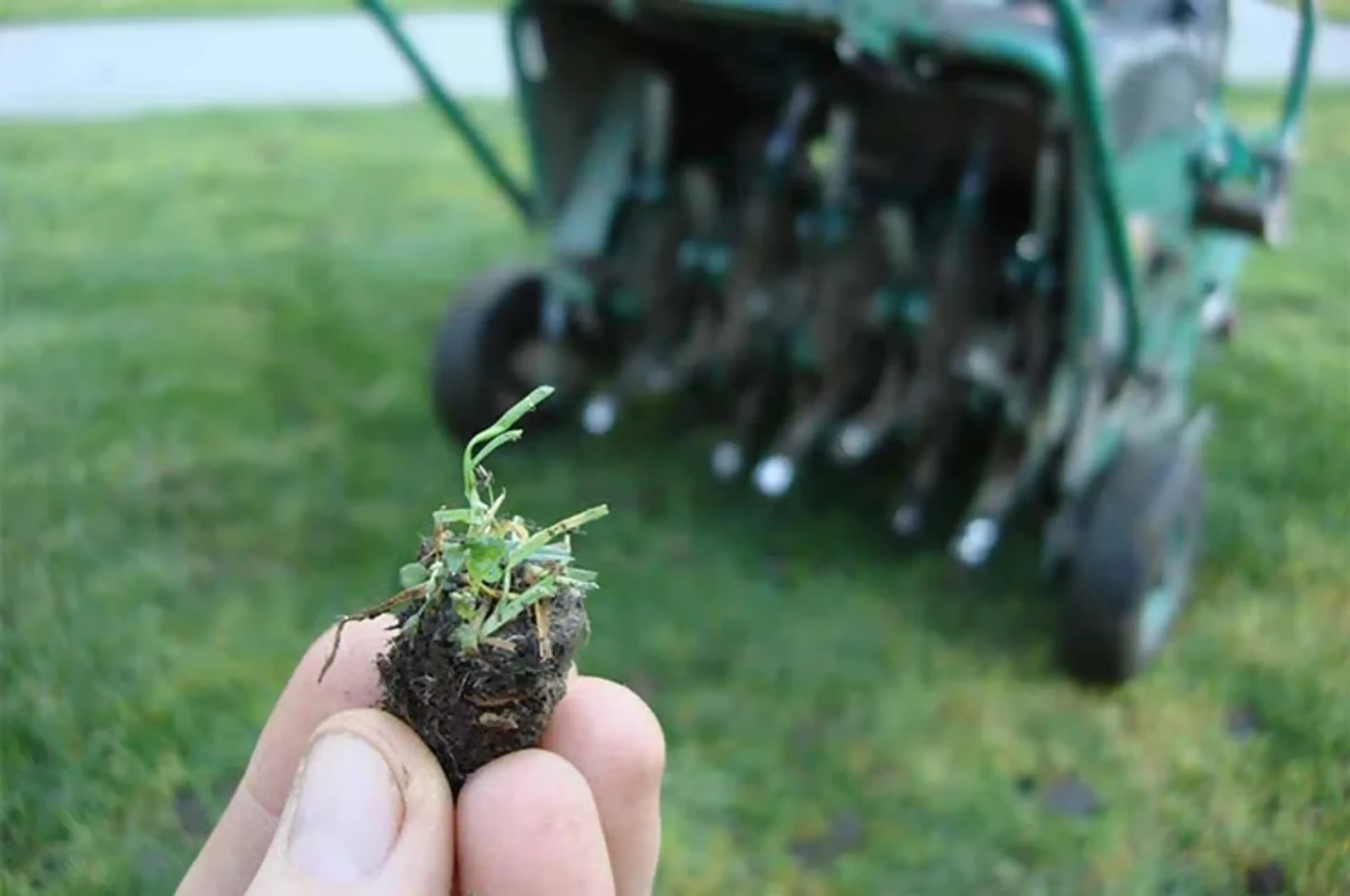
Lawn aeration is the process of pulling small plugs of soil out of your yard, typically 2 to 3 inches deep and about three-quarters of an inch wide. Those holes create breathing room in the soil.
Once the holes are open, air, water, and nutrients can reach the root zone directly. Roots grow deeper. Grass becomes thicker. Soil compaction breaks up and your lawn can finally absorb what you are giving it.
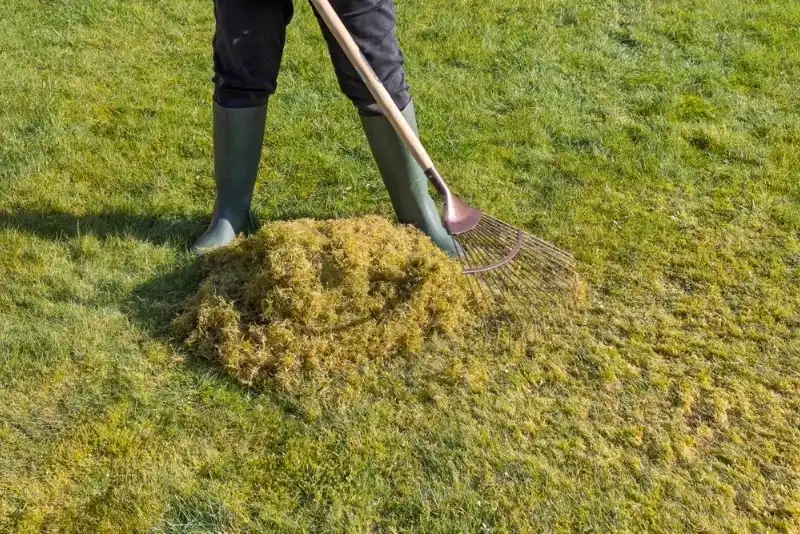
As a bonus, aeration speeds up the breakdown of thatch, the dense layer of dead grass and organic matter that sits between the soil and the green blades. When thatch gets thicker than half an inch, it blocks water and nutrients before they ever reach the roots.
Core Aeration vs. Spike Aeration: Why It Matters
Here is something most homeowners get wrong before they even start.
There are two types of lawn aerators: core aerators and spike aerators.
Core aerators pull soil plugs OUT of the ground. That removal creates actual space for the soil to expand and relax. This is true, effective aeration.
Spike aerators push solid tines INTO the ground without removing anything. The soil around those holes gets pushed tighter, which can actually worsen compaction over time.
Most lawn experts agree: always choose a core (or plug) aerator for the best results. When you rent or buy an aerator, that is the one to ask for.
Why Aerating at the Wrong Time Can Hurt Your Lawn
Here is the thing: aeration creates temporary stress on your grass. Small wounds open in the turf. Your lawn needs to be actively growing to heal those wounds quickly.
When grass is in its peak growth phase, it fills aeration holes within 2 to 4 weeks. When grass is dormant or heat-stressed, those holes stay open and exposed. Roots get damaged. Recovery slows. Your lawn looks worse before it ever gets better.
That is why timing is not optional. It is the whole game.
When to Aerate Your Lawn Based on Grass Type
This is the core question, and the answer depends entirely on what type of grass you are growing.
Best Time to Aerate Cool-Season Grasses
Cool-season grasses include Kentucky Bluegrass, Tall Fescue, Fine Fescue, and Perennial Ryegrass. They thrive in the cooler temperatures of spring and fall, and they go semi-dormant during peak summer heat.
The best time to aerate cool-season lawns is early fall, from late August through October. During this window, soil temperatures typically sit between 60 and 75 degrees Fahrenheit, which is the sweet spot for root development and recovery.
As turfgrass specialist Dr. Grady Miller at NC State University puts it: “Aerate when the grass is actively growing. Cool-season grasses grow best in fall, and that is the best time to aerate them.”
Why fall wins over spring for cool-season grass:
- The grass is in its most aggressive annual growth phase
- Cooler air plus warm soil creates ideal root recovery conditions
- You can pair aeration directly with overseeding for maximum results
- Weed pressure is lower in fall, so open holes are less likely to be colonized
Spring aeration (March through April) is a solid second option if you missed the fall window or your lawn has serious winter damage. Just know that spring aeration comes with slightly higher weed risk, since open holes can invite crabgrass and other weeds to settle in.
US regions for cool-season grasses: Northeast, Upper Midwest, Pacific Northwest, and the cooler parts of the Mid-Atlantic.
Best Time to Aerate Warm-Season Grasses
Warm-season grasses include Bermuda, Zoysia, St. Augustine, Centipede, Bahia, and Buffalo grass. These grasses thrive in heat and go fully dormant in winter.
The best time to aerate warm-season lawns is late spring to early summer, from May through June. At this point, the grass has fully greened up from winter dormancy and is entering its peak growth surge. Soil temperatures are consistently above 65 degrees Fahrenheit, which means the grass heals quickly and fills in the aeration holes fast.
But here is where most Southern homeowners get tripped up: aerating too early in spring, while the grass is still coming out of dormancy, puts stress on the plant when it is already working hard to recover from winter. Wait until you see full, vigorous green growth before you aerate.
US regions for warm-season grasses: Southeast, Gulf Coast, Southwest, and the Deep South.
What About Transition Zone Lawns?
The transition zone runs through the Mid-Atlantic states, parts of the Midwest, Virginia, the Carolinas, and Tennessee. This is the trickiest region because both cool-season and warm-season grasses can grow here, depending on your specific lawn.
- Cool-season grass in the transition zone: aerate in fall (September through October)
- Warm-season grass in the transition zone: aerate in late May through June once the grass is in full growth
- Mixed lawns: may benefit from two aerations per year, one for each grass type’s active growth period
Not sure which grass type you have? Use the USDA Plant Hardiness Zone Map as a starting reference, and check with your local county extension office for a definitive answer.
Quick Reference Table: Aeration Timing by Grass Type
| Grass Type | Best Season | Best Months | Soil Temp Signal | US Region |
|---|---|---|---|---|
| Kentucky Bluegrass | Fall | Aug to Oct | 60 to 75°F | Northeast, Midwest |
| Tall Fescue | Fall | Aug to Oct | 60 to 75°F | Mid-Atlantic, Transition |
| Fine Fescue | Fall | Sept to Oct | 60 to 75°F | Northeast, Pacific NW |
| Perennial Ryegrass | Fall | Aug to Oct | 60 to 75°F | Northeast, Pacific NW |
| Bermuda | Late Spring | May to June | 65°F+ | Southeast, Southwest |
| Zoysia | Late Spring | May to June | 65°F+ | Southeast, Transition |
| St. Augustine | Late Spring | May to July | 65°F+ | Gulf Coast, Deep South |
| Centipede | Late Spring | May to June | 65°F+ | Southeast |
Pro tip: Do not rely on the calendar alone. Check your actual soil temperature before you aerate. A warm autumn can push the ideal window later by a week or two. A cold spring can mean you need to wait longer than expected.
6 Signs Your Lawn Is Telling You It Is Time to Aerate
Timing by grass type gives you the seasonal window. But your lawn will also give you direct signals that it is ready, or overdue, for aeration.
The Screwdriver Test: The Fastest DIY Check
Before anything else, try this simple 10-second test.
Take a regular flathead screwdriver and push it straight into your lawn soil after a light watering. The soil should be moist but not soggy.
- If the screwdriver slides in 6 inches with minimal effort, your soil is in good shape
- If it stops before 6 inches or requires real force, your soil is compacted and your lawn needs aeration
This test is faster and more reliable than any date on the calendar. It tells you exactly what is happening in YOUR soil, not the average.
6 Visual Warning Signs to Watch For
Your lawn will show other signals too. Look for these:
- Water pools on the surface or runs off instead of soaking in after rain or irrigation
- Grass feels spongy or bouncy underfoot, which signals thatch buildup over the half-inch threshold
- Thin, patchy areas even though you are fertilizing and watering regularly
- Heavy foot traffic zones where kids play, pets run, or vehicles park near the lawn edge
- Your lawn was established from sod rather than seed. Sod installations almost always have layered soil that compacts over time
- Grass turns yellow or dull even after a proper feeding, which signals nutrients are not reaching the roots
If two or more of these apply to your lawn, aeration is likely overdue. Just make sure you are in the right seasonal window for your grass type before you start.
How Often Should You Aerate Your Lawn?
Most homeowners wonder if this is an annual task or something they only need to do occasionally.
Once a Year vs. Twice a Year: What Is Right for You?
Here is a straightforward breakdown based on your soil and lawn situation:
Aerate twice a year if you have heavy clay soil, a lawn that sees intense foot traffic, or a yard with persistent drainage problems. Clay soil compacts faster and needs more frequent relief.
Aerate once a year for the average residential lawn with moderate traffic and regular maintenance.
Aerate every 2 to 3 years if your soil is sandy or loamy with low foot traffic. These soil types hold their structure better. As Dr. Grady Miller from NC State notes: “Warm-season lawns usually need aeration only once every two to three years unless they are under heavy traffic.”
When in doubt, do the screwdriver test. Your soil will give you the answer.
What to Do Before and After Aeration
Getting the timing right is step one. Preparing properly is step two.
Before aeration:
- Mow your lawn slightly shorter than usual, about one-third lower than your normal height
- Water your lawn 1 to 2 days before aerating so the soil is moist but not waterlogged
- Flag any sprinkler heads or shallow utility lines to protect them from the aerator tines
After aeration:
- Leave the soil plugs on the surface. They break down naturally within 1 to 2 weeks and return valuable microbes to your lawn
- Overseed immediately for cool-season lawns. Seeds fall into the open holes and germinate at a significantly higher rate. This overseeding guide from LawnStarter walks you through every step
- Apply a starter fertilizer to support new root growth
- Water consistently for the next 2 to 3 weeks to help the lawn settle and recover
Here is why the after-care matters just as much as the timing: the holes you create are an opportunity window. Seeds, fertilizer, and water all have direct access to the root zone. If you skip overseeding or fertilizing after aeration, you are leaving most of the benefit on the table.
When NOT to Aerate Your Lawn
Most lawn care articles tell you when to aerate. Very few tell you when to stop and wait. This section might save your lawn from a costly mistake.
Avoid aerating under any of these conditions:
During drought or extreme summer heat. Open holes in dry, heat-stressed soil expose roots to even more heat and moisture loss. This is the most damaging timing mistake for cool-season lawns in particular.
When your grass is fully dormant. Dormant grass cannot heal aeration wounds. Winter dormancy for warm-season grass and late-summer semi-dormancy for cool-season grass during a heat wave are both no-go periods.
Within the first year of a new lawn. Whether your lawn was seeded or sodded, it needs a full growing season to establish before you introduce the stress of aeration. Penn State Extension recommends waiting at least one full season before aerating newly established turf.
When weeds are actively going to seed. Aeration holes are perfect little seed beds. If your yard has dandelions or crabgrass actively releasing seeds, aerating spreads the problem. Handle weed control first.
When the soil is waterlogged or muddy. Aerator tines clog in saturated soil and you will not get clean plug removal. Wait a day or two after heavy rain.
Right before or during a hard frost. Frozen soil cannot be penetrated cleanly, and newly aerated turf going into a freeze does not recover well.
Timing aeration wrong does not just waste your effort. It can set your lawn back by weeks and in some cases create more bare patches than you started with.
Frequently Asked Questions About When to Aerate Your Lawn
Can I Aerate My Lawn in the Summer?
For cool-season grasses, the answer is no. Summer heat combined with open aeration holes puts serious stress on the turf, and the grass cannot recover fast enough in high temperatures.
For warm-season grasses, late spring (May to June) works well, but avoid the peak of mid-summer. Once temperatures are consistently above 90 degrees Fahrenheit and the lawn is under heat stress, aerating does more harm than good. Stick to the late spring window when the grass is in its active growth surge but the heat has not yet peaked.
Is It Too Late to Aerate My Lawn in the Fall?
It depends on your soil temperature and how much growing time is left. As long as your soil is still above 60 degrees Fahrenheit and your grass has at least 3 to 4 weeks of active growth before the first hard frost, fall aeration is still worthwhile. If the soil is already cold and grass has stopped growing, it is better to wait until spring.
Should I Aerate Before or After Overseeding?
Always aerate first, then overseed immediately after. The open holes created by aeration give grass seed direct contact with the soil, which dramatically improves germination rates. Seeding after aeration is one of the highest-impact lawn care combinations you can do, especially for cool-season lawns in the fall.
What Is the Difference Between Core Aeration and Spike Aeration?
Core aeration removes small plugs of soil, which creates real space for the soil to loosen and breathe. This is what your lawn needs to genuinely relieve compaction. Spike aeration only pokes holes without removing soil, which can actually compress the surrounding soil and make compaction worse in the long run. For a detailed breakdown, Purdue University’s Turfgrass Program has reliable resources on soil structure and aeration methods.
How Do I Know If My Lawn Was Recently Aerated?
Look for small cylindrical soil plugs scattered across the surface of your lawn. These are roughly the size of a wine cork and will break down on their own within 1 to 2 weeks. If you see them, the lawn was aerated recently and does not need another round right away.
Wrapping It Up
Here is what it all comes down to:
- Cool-season grasses (Fescue, Bluegrass, Ryegrass) should be aerated in early fall from late August through October when soil temps sit between 60 and 75°F
- Warm-season grasses (Bermuda, Zoysia, St. Augustine) should be aerated in late spring from May through June once soil temps are consistently above 65°F
- Transition zone lawns should follow the timing of whichever grass type they have, and may benefit from two aerations per year
- Never aerate during dormancy, drought, active weed season, or within the first year of a new lawn
Your lawn cannot raise its hand and ask for help. But now you know how to read the signals it is sending.
Before you grab an aerator, run the screwdriver test. Check your grass type. Confirm your seasonal window. And if you are still unsure, a local lawn care professional can assess your soil and tell you exactly what it needs.
A healthy lawn starts below the surface. Now you have everything you need to treat it that way.
References and Sources
- Dr. Grady Miller, Extension Turfgrass Specialist at North Carolina State University
- Penn State Extension: Lawn Aeration
- Purdue University Turfgrass Science Program
- Clemson Cooperative Extension: Warm-Season Grasses
- USDA Plant Hardiness Zone Map
- LawnStarter: Best Time to Aerate and Overseed
- Bob Vila: When to Aerate the Lawn
- SoilTemps.com: Live Soil Temperature Tool
- Briggs and Stratton: Aeration Guide
- Home Depot: How to Aerate Your Lawn
About Author
Khalid Fazal is a seasoned lawn care specialist and horticultural researcher with over 15 years of hands-on experience transforming challenging landscapes into lush, resilient green spaces. His journey didn’t start in a lab, but in a backyard full of stubborn, cracked clay that “experts” said would never grow a healthy blade of grass. Refusing to accept a yard full of dust, Khalid spent years experimenting with organic soil restoration and precise mulching, eventually turning that wasteland into a neighborhood showpiece on a shoestring budget.
From mastering core aeration techniques to optimizing soil pH for specialized turf varieties, Khalid’s approach combines old-school grit with modern agronomic science. He founded Gen Lawn to provide homeowners with honest, research-backed advice that prioritizes long-term soil health over quick-fix chemical solutions. When he isn’t analyzing soil profiles, he’s developing precision tools to help others achieve professional results without the professional price tag.

Lawn Winterizer: When to Apply by Grass & Region [2026]
Table of Contents Home / By Khalid Fazal | Updated:...
Read More
Spring Lawn Care: What to Do and When in Every US Region
Table of Contents Home / By Khalid Fazal | Updated:...
Read More
Lawn Maintenance Checklist by Season and Grass Type (2026)
Table of Contents Home / By Khalid Fazal | Updated:...
Read More
Liquid Fertilizer vs Granular Fertilizer: Which Wins?
Table of Contents Home / By Khalid Fazal | Updated:...
Read More