
Can You Apply Fertilizer to Wet Grass? Here’s What Actually Happens
Yes, you technically can apply fertilizer to wet grass — but whether you should depends on the type of fertilizer and exactly how wet your lawn is. Granular and liquid products behave very differently on damp turf, and getting it wrong can mean burned patches or wasted product.
Maybe it rained overnight. Maybe the sprinklers just ran, or the morning dew hasn’t burned off yet, and you’re standing there with a bag of fertilizer wondering if you should wait. Here’s the good news: you don’t need to cancel your plans every time the grass feels damp underfoot.
In this guide, we’ll break down the real risks of fertilizing wet grass, when it’s actually fine, and a simple checklist to time your next application so you get the most out of every bag (or bottle).
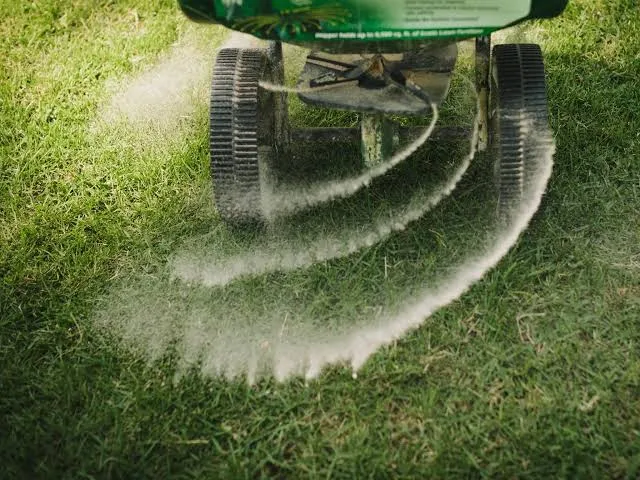
Is It OK to Apply Fertilizer to Wet Grass?
The honest answer is: it depends on what you’re applying. Lawn care pros and product manufacturers don’t fully agree here, and that’s because granular and liquid fertilizers react to moisture in completely different ways.
The Short Answer for Granular Fertilizer
Granular fertilizer is generally best applied to dry grass blades. When the prills land on wet leaves instead of falling through to the soil, they can stick and cause tip burn — small, scorched-looking patches where the fertilizer concentrated on the leaf surface instead of reaching the roots.
That said, this isn’t catastrophic, and many lawn care professionals apply granular fertilizer to dew-covered lawns every morning without major issues. The bigger practical headache is usually a clogged spreader, not a ruined lawn.
The Short Answer for Liquid Fertilizer
Liquid fertilizers and bio-stimulants are much more forgiving. Applying them to a wet lawn, or even during a light rain, is generally fine and sometimes even beneficial, since the existing moisture helps the product spread evenly across the leaf surface.
Quick takeaway: if you’re using granular, dry blades are the safer bet. If you’re using liquid, a damp lawn usually isn’t a dealbreaker.
What Happens When You Apply Fertilizer to Wet Grass
Here’s the thing — most of the “don’t fertilize wet grass” advice you’ll find online boils down to three specific risks. Understanding them helps you judge your own lawn instead of just following a blanket rule.
Fertilizer Sticking to Wet Blades (Burn Risk)
Fertilizers are essentially salts, and salts pull moisture toward themselves. When granular prills stick to wet leaf tissue instead of sliding down to the soil, they can draw moisture out of the blade and scorch it — a phenomenon often called nutrient or nitrogen burn. This is more likely on hot, sunny days when the concentrated fertilizer heats up on the leaf surface.
Uneven Distribution and Clumping
Wet granular fertilizer tends to clump rather than spread evenly. That means some patches of your lawn get a heavy dose while others get almost none — leading to a blotchy mix of over-fed, possibly burned grass next to thin, under-fed grass.
Nutrient Runoff and Wasted Product
If your lawn is genuinely saturated (think standing water or squishy turf, not just dew), fertilizer applied on top can wash away before it ever reaches the soil. That’s wasted money for you, and it also raises the risk of nutrient runoff into storm drains, ditches, and local waterways — something every responsible lawn owner wants to avoid.
When Applying Fertilizer to Wet Grass Is Actually Fine
But wait — it’s not all bad news. Plenty of situations don’t actually carry much risk at all, and treating every bit of moisture the same way means you’ll waste a lot of perfectly good fertilizing days.
Light Dew vs. Soaked Turf
There’s a real difference between grass that’s lightly damp from morning dew and a lawn that squishes when you walk on it. Light dew rarely causes problems, especially with liquid products, and many professional crews fertilize dew-covered lawns first thing in the morning simply because that’s when the workday starts. Saturated, puddling turf is the situation actually worth avoiding — that’s when clumping, runoff, and soil compaction become real concerns.
Watering In After a Granular Application
Here’s a detail a lot of advice skips: wet soil is actually good, even if wet blades aren’t. Most granular fertilizers, including pre-emergents like prodiamine, are designed to be watered in after application so the active ingredients move down into the soil where they actually work. If you’ve already put fertilizer down on dry grass and then it rains lightly, that’s often a bonus, not a problem — as long as the rain isn’t heavy enough to wash the product off the lawn entirely.
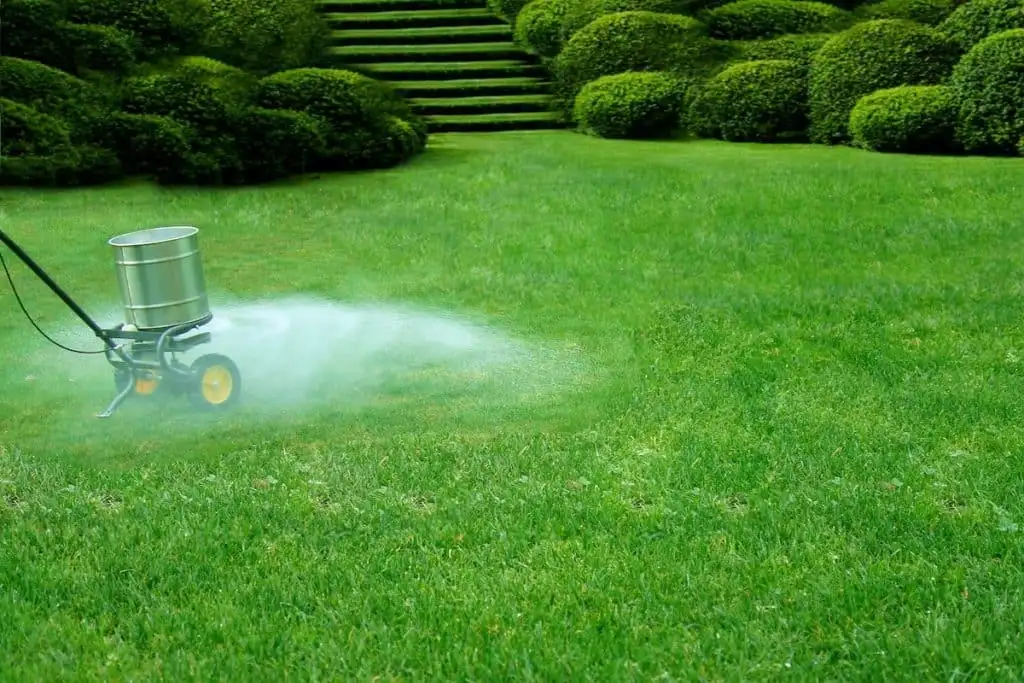
Best Practices: How to Time Your Fertilizer Application
So, how do you actually decide whether today’s the day? Here’s a simple way to think it through before you grab the spreader or sprayer.
Ideal Grass and Soil Conditions
The sweet spot most lawn care experts point to is dry grass blades with moist (not soggy) soil underneath. This combination lets granular fertilizer fall through to the soil instead of sticking to leaves, while still giving the soil enough moisture to help nutrients start dissolving. If you’re using a weed-and-feed product, check the label first — some weed-control formulas actually require damp grass so the herbicide sticks to the weed leaves.
A Simple Pre-Application Checklist
Before you fertilize, run through this quick list:
- Check the blades. Are they visibly wet, or just naturally green and healthy-looking? Run a hand across them — if it comes back damp, that’s your answer.
- Check the weather. Heavy rain in the next few hours means it’s worth waiting; light rain is usually fine, especially for liquid products.
- Check the soil, not just the surface. Standing water or squishy turf means you should hold off regardless of fertilizer type.
- Match the method to the moisture. Liquid fertilizer has more flexibility; granular fertilizer wants dry blades.
- Read your product label. Some products, like weed-and-feed blends, have specific moisture requirements that override the general rule.
Frequently Asked Questions About Fertilizing Wet Grass
Can you apply fertilizer to wet grass before it rains?
Yes, in most cases. A light-to-moderate rain shortly after applying granular fertilizer can actually help water it into the soil. The main thing to avoid is a heavy downpour, which can wash the product away before it has a chance to settle in.
Will wet grass cause fertilizer to burn my lawn?
It can, but it’s not guaranteed. The risk comes mainly from granular fertilizer sticking to wet blades and concentrating in one spot, especially on hot, sunny days. Liquid fertilizer carries much less of this risk.
How long should I wait after rain to fertilize?
If your lawn just has light residual moisture or dew, you usually don’t need to wait at all. If the soil is saturated or there’s standing water, give it a day or so to drain before applying granular fertilizer.
Can you apply fertilizer to wet grass with a spreader?
You can, but wet grass and clumped fertilizer can clog or jam a spreader’s gate, leading to uneven distribution. If your spreader is struggling, that’s usually a sign the grass is wetter than ideal.
Is it better to fertilize wet or dry grass?
For granular fertilizer, dry grass blades with moist soil underneath is the ideal combination. For liquid fertilizer, wet or dry grass both work fine in most situations.
Final Thoughts
Fertilizing wet grass isn’t a hard “never” — it’s a “it depends,” and now you know what it depends on.
Key takeaways:
- Granular fertilizer works best on dry blades with moist soil underneath.
- Liquid fertilizer is generally safe to apply on wet or damp grass.
- Light dew is rarely a problem; saturated, puddling turf is the real warning sign.
- The biggest risks of fertilizing wet grass are nutrient burn, clumping, and runoff.
- A quick blade-and-soil check before you start can save you a wasted application.
Not sure which fertilizer type or schedule fits your lawn this season? Check out our seasonal lawn fertilizing guide for a month-by-month plan tailored to your grass type, or reach out to the Gen Lawn team for a personalized recommendation.
About the Author
This article was reviewed by the Gen Lawn lawn care team, drawing on hands-on experience treating residential lawns across a range of soil types and climates. We combine practical field knowledge with guidance from extension and manufacturer resources to help homeowners avoid common, costly fertilizing mistakes.
Sources & Further Reading
- Scotts: Frequently Asked Questions About Fertilizing Your Lawn
- The Lawn Care Nut: Should You Fertilize Before or After Rain?
- University of Minnesota Extension: Fertilizing Your Lawn
- EPA: Sources and Solutions of Nutrient Pollution
About Author
Khalid Fazal is a seasoned lawn care specialist and horticultural researcher with over 15 years of hands-on experience transforming challenging landscapes into lush, resilient green spaces. His journey didn’t start in a lab, but in a backyard full of stubborn, cracked clay that “experts” said would never grow a healthy blade of grass. Refusing to accept a yard full of dust, Khalid spent years experimenting with organic soil restoration and precise mulching—eventually turning that wasteland into a neighborhood showpiece on a shoestring budget.
From mastering core aeration techniques to optimizing soil pH for specialized turf varieties, Khalid’s approach combines old-school grit with modern agronomic science. He founded Gen Lawn to provide homeowners with honest, research-backed advice that prioritizes long-term soil health over quick-fix chemical solutions. When he isn’t analyzing soil profiles, he’s developing precision tools to help others achieve professional results without the professional price tag.

Does Freezing Kill Grass Seed? What Most Owners Get Wrong
Table of Contents By Khalid Fazal | Updated: July 13...
Read More
Best Mulch for Roses: 7 Proven Picks & What to Skip (2026)
Table of Contents Home / By Khalid Fazal | Updated:...
Read More
Florida Weeds with White Flowers: 7 Types & How to Kill
Table of Contents Home / By Khalid Fazal | Updated:...
Read More
Mulch vs Topsoil: Which One Does Your Yard Need? [2026]
Table of Contents Home / By Khalid Fazal | Updated:...
Read More
2 Responses