
The Best Mulch for Garden Paths (Types, Depth and How to Lay It Right)
Your garden path looked great when you first put it in. Now? It is a muddy mess every time it rains, weeds are poking through everywhere, and every step feels like a guessing game. Sound familiar?
Here is the thing most homeowners do not realize: the problem is rarely the path itself. It is usually the wrong mulch, applied at the wrong depth, with no barrier underneath. Pick the wrong material and you will be fighting weeds, washouts, and compacted surfaces within a single season.
The good news? Fixing it is easier than you think. This guide breaks down the best mulch for garden paths, how to choose the right type for your specific situation, and exactly how to lay it so it actually stays put and works hard for you.
By the end, you will have a clear material pick, a step-by-step plan, and the numbers you need to get the job done right.
Why Use Mulch on Garden Paths? (It Is Not Just About Looks)
Before diving into types and techniques, it helps to understand what mulch is actually doing beneath your feet.
What Mulch Actually Does for Your Path
A properly mulched garden path does a lot more than look tidy. It suppresses weed germination by blocking sunlight from reaching the soil surface. It cushions your steps, protects the soil underneath from compaction, improves drainage during heavy rain, and, if you choose an organic type, it slowly breaks down and feeds the soil biology beneath the path.
That last point is a big deal. Healthy soil under your path means better moisture movement across your entire garden. It also means less work for you over time.
Mulch vs. Bare Soil vs. Grass Paths
Bare soil compacts fast under foot traffic. It becomes hard, hydrophobic (meaning it repels water instead of absorbing it), and weeds love it. Grass paths look nice in photos, but they require constant mowing, can become muddy and slippery, and take nutrients away from nearby beds.
Mulch wins because it handles all three problems at once. No mowing, no compaction, no bare soil baking in the sun.
Best Types of Mulch for Garden Paths
Not all mulch is created equal, especially when it comes to paths. Paths face foot traffic, weather exposure, and edge pressure that typical garden beds do not. Here is a breakdown of the top options.
Wood Chips: The Workhorse Option
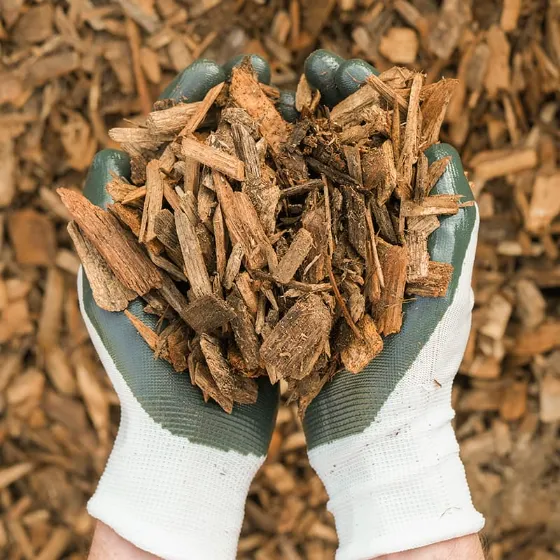
Wood chips are chunky, durable, and one of the best all-around mulches for garden paths. They stay put in rain, allow water to drain through, and break down slowly over 3 to 5 years.
The best part? You can often get them for free. Services like ChipDrop connect homeowners with local arborists who drop off fresh wood chips at no cost. Bulk purchases from landscape suppliers run around $24 per cubic yard, making this one of the most budget-friendly options available.
One note: fresh green wood chips can temporarily tie up nitrogen in the soil as they break down. This is not a problem on paths (there are no plants to feed there), but avoid mixing them into garden beds.
Cedar and Hardwood Bark: The Most Popular Choice
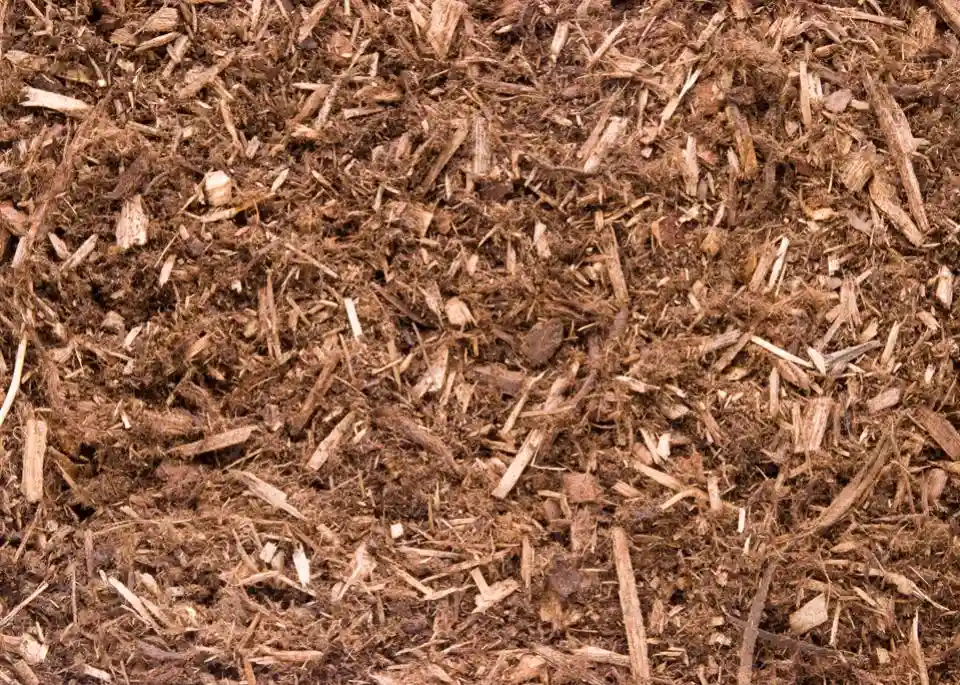
Cedar and hardwood bark are the go-to mulch for most garden paths in the US, and for good reason. They offer a clean, polished appearance, last 2 to 3 years before needing a refresh, and cedar in particular contains natural oils that help repel ants, termites, and other insects.
Cedar bark runs $26 to $100 per cubic yard depending on your region and supplier. Hardwood sits on the lower end of that range and is widely available at any home improvement store or landscape supply center.
If you want a low-maintenance path that looks great year-round, this is your best starting point.
Pine Straw: Budget-Friendly for Low-Traffic Paths
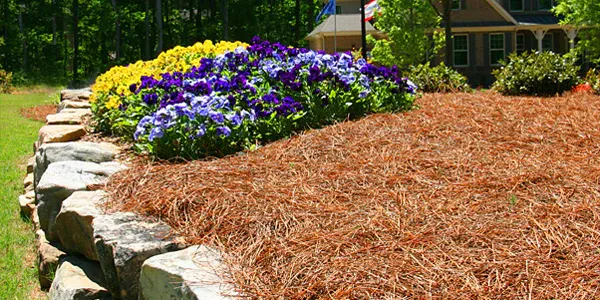
Pine straw (dried pine needles) is the budget pick for garden paths, especially in shaded or coastal areas. A bale costs $15 to $30 and covers a solid stretch of path quickly. It interlocks as it settles, which helps it resist blowing away in wind better than most people expect.
The downside is lifespan. Pine straw breaks down within a year, especially in wet climates. It works best on low-traffic decorative paths, seasonal walkways, or as a quick, affordable fill while you decide on a longer-term option.
Rubber Mulch: Long-Lasting but With Real Trade-Offs
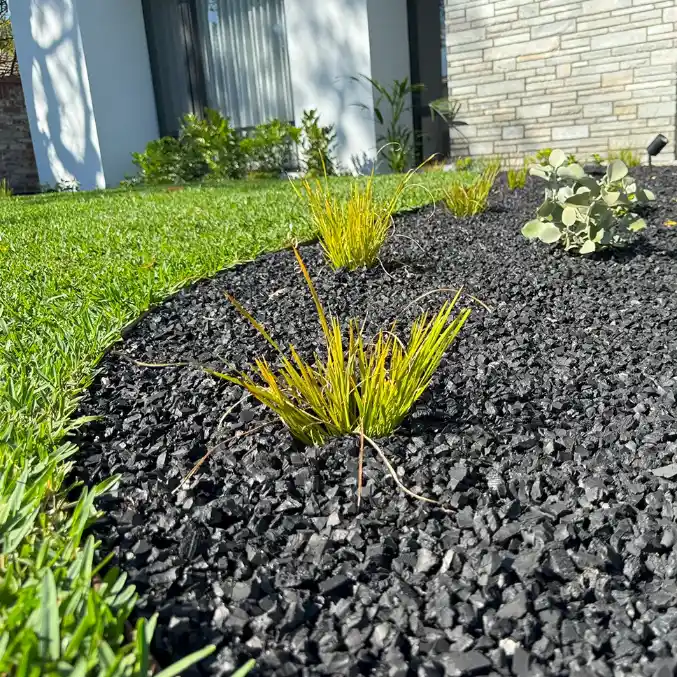
Rubber mulch is made from recycled tires and lasts 10 to 15 years without needing top-ups. It drains well, does not compact, and has a satisfying springy feel underfoot. For high-wear zones where organic mulch keeps failing, it can make sense.
But here is what you need to know before choosing it: the USDA Agricultural Research Service has concluded that ground tire material should not be used on or near garden soils because it can leach zinc and other compounds that plants absorb. It also heats up significantly in direct sun, reaching surface temperatures of 150 to 170 degrees Fahrenheit on warm days.
Reserve rubber mulch for non-planting paths, play areas, or purely decorative zones that are well away from edible gardens.
Gravel and Stone: When You Want a Permanent Solution
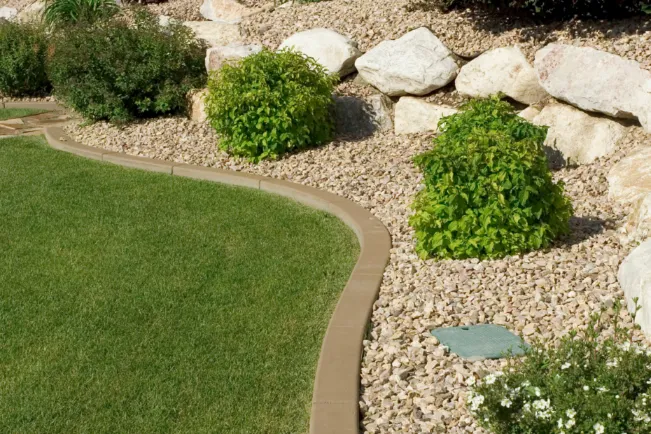
Gravel and stone are not technically mulch, but they serve the same purpose on garden paths and deserve a mention. They last 15 to 20 years, drain exceptionally well, and give paths a clean, formal look.
The trade-offs are cost ($50 to $800 per ton depending on stone type), the effort of installation, and the fact that stone adds nothing to soil health. Weeds will eventually find their way through without a proper weed barrier underneath. Stone also radiates heat, which can stress nearby plants during summer.
For informal garden paths, organic mulch almost always makes more sense.
Quick Comparison: Mulch Types at a Glance
| Type | Cost (per cu. yd.) | Lifespan | Weed Control | Traffic Level | Best For |
|---|---|---|---|---|---|
| Wood Chips | Free to $24 | 3 to 5 yrs | Excellent | Medium to High | Large gardens, budget paths |
| Cedar/Hardwood Bark | $26 to $100 | 2 to 3 yrs | Excellent | All levels | Main walkways, ornamental paths |
| Pine Straw | $15 to $30/bale | 1 yr | Good | Low | Shaded, seasonal, decorative |
| Rubber Mulch | $8 to $10/sq ft | 10 to 15 yrs | Good | High | Non-garden high-wear zones |
| Gravel/Stone | $50 to $800/ton | 15 to 20 yrs | Moderate | All levels | Formal, permanent paths |
How to Choose the Right Mulch for Your Garden Path
The comparison table gives you a starting point, but the right mulch for your path depends on a few personal factors.
Match Your Mulch to Your Climate and Rainfall
In hot, dry climates, light-colored mulch reflects heat and keeps the soil beneath cooler. In humid or coastal regions, cedar and pine straw perform better because they resist rotting and matting from constant moisture.
If you live in a rainy area, avoid fine-textured mulches that pack down tightly and repel water once matted. Stick with chunky bark or wood chips that maintain air pockets even after rain.
High-Traffic vs. Decorative Paths
This distinction changes everything. A path you walk on daily to reach your vegetable beds needs a coarse, heavy material that will not shift underfoot. Cedar bark, wood chips, or even rubber mulch for heavy-use zones are the right call here.
A decorative path between flower beds that sees light foot traffic? Pine straw, fine bark, or even cocoa hull mulch (note: toxic to dogs, so avoid if you have pets) can add beauty without needing heavy-duty durability.
Organic vs. Inorganic Mulch: What Most Homeowners Get Wrong
Organic mulch breaks down over time and feeds the soil with nutrients and organic matter. That decomposition is a feature, not a flaw. Inorganic mulches like gravel or rubber last longer but contribute nothing to soil health.
For most garden paths surrounded by living plants and beds, organic mulch is the smarter long-term investment because it quietly improves the ecosystem around your garden while doing its job underfoot.
How to Lay Mulch on a Garden Path (Step by Step)
Getting the application right is just as important as picking the right mulch. Here is how to do it properly.
Step 1: Clear and Prep the Path Area
Remove all existing grass, weeds, and debris from the path. Do not skip this step. Weeds left under mulch will find a way back, sometimes faster than you expect. A flat shovel or garden hoe works well for this. Level out any low spots so water does not pool.
Step 2: Lay a Weed Barrier
This is the step most DIYers skip, and it is the reason their paths get weedy again by Year 2.
You have two solid options here. Cardboard (the kind from moving or appliance boxes) is free, effective, and biodegrades naturally within a season. Overlap sheets by 6 to 8 inches, wet the cardboard down so it molds to the soil, and it will block light from reaching weed seeds below.
Landscape fabric is the longer-term option. It allows water and air through while blocking most weed growth. It costs more upfront but holds up for 4 or more years before needing replacement.
Step 3: Apply Mulch at the Correct Depth
This is where the science matters. According to University of Florida IFAS Extension research, the recommended depth for garden paths is 3 to 4 inches. That depth blocks enough sunlight to stop most weed seeds from germinating while still allowing rainwater to pass through.
Fine-textured mulches like pine straw or shredded hardwood should not exceed 2 inches because they compact and retain too much moisture. Coarse mulches like bark and wood chips handle the full 4-inch depth well.
To figure out how much you need, use this simple formula: Length (ft) x Width (ft) x Depth (in), divided by 324, equals cubic yards needed. For example, a 50-foot path that is 3 feet wide at a 3-inch depth needs about 1.4 cubic yards.
Buying in bulk from a local landscape supplier rather than bagged from a garden center typically saves 20 to 40 percent on cost.
Step 4: Edge It In and Plan Your Annual Top-Up
Mulch without edging is a recipe for drift. Install a border of steel, brick, timber, or plastic edging on both sides of the path to keep material contained. This one step dramatically reduces maintenance.
Each spring, add 1 to 2 inches of fresh mulch to restore depth as the material settles and breaks down. At the 2 to 3 year mark for most organic mulches, scoop out the composted bottom layer (it makes excellent bed amendment) and refresh with new material.
Mulching Mistakes That Ruin Garden Paths
Even the best mulch will underperform if you make these common errors.
Volcano mulching: Piling mulch too high in the center of a path and letting it thin at the edges. This creates uneven weed suppression and looks sloppy. Keep depth consistent across the full width.
Going too thin: Anything under 2 inches lets light through and weeds will push right up. Spend the material and do it properly the first time.
Skipping edging: Without a physical border, mulch migrates into beds, onto lawns, and generally everywhere except where you want it.
Using fresh green wood chips from a recent job: These generate heat as they decompose and can temporarily deplete nitrogen from nearby soil. Let fresh chips age for a few weeks, or keep them strictly on the path surface away from plant root zones.
Piling mulch against your home’s foundation: Keep a minimum of 12 inches of clearance between mulch and any wood structure. Mulch holds moisture that attracts termites and other pests, and acts as a bridge for them to reach your home.
Frequently Asked Questions About Mulch for Garden Paths
What is the best mulch to use on a garden path?
Cedar bark or hardwood bark mulch is the best overall choice for most garden paths in the US. It lasts 2 to 3 years, naturally resists pests, looks clean and tidy, and improves soil as it breaks down. For budget-conscious gardeners, free wood chips from a local tree service via ChipDrop offer excellent performance at little to no cost.
How deep should mulch be on a garden path?
The recommended depth for garden paths is 3 to 4 inches. This depth, backed by UC IPM and UF/IFAS research, provides solid weed suppression and a comfortable walking surface without creating drainage problems. Fine-textured mulches like pine straw should stay closer to 2 to 3 inches since they compact more easily.
Will mulch on garden paths attract bugs or pests?
Mulch can attract some insects, but here is the important context: according to research cited by Penn State Extension, beneficial insects outnumber harmful pest species by 100 to 1 in mulched areas. Ground beetles, spiders, and decomposers that live in mulch are doing helpful work in your garden ecosystem. To minimize nuisance pest activity, use cedar mulch (its natural oils repel ants and termites), keep depth at 3 to 4 inches rather than piling it deep, and always maintain a 12-inch gap between mulch and your home’s foundation.
How often should I replace mulch on my garden path?
Top up your path with 1 to 2 inches of fresh mulch every spring. A full refresh is needed every 2 to 3 years for wood chips and cedar bark, or annually for pine straw. You will know it is time when the depth drops below 2 inches, weeds start breaking through more easily, or the surface looks faded and compacted.
Can I use wood chips on high-traffic garden paths?
Yes, and they are actually one of the best choices for it. Chunky wood chips from arborist services resist compaction better than fine-textured mulches, drain well after rain, and stay in place on heavily used paths. They also improve with age, developing a dark, rich appearance as they weather. Just make sure you are using a coarse chip size, not fine sawdust or shredded material, which packs down quickly under foot traffic.
Wrapping It Up
Here is a quick recap of everything covered:
- Choose the right type: Cedar bark or wood chips for most paths, pine straw for low-traffic and shaded areas, rubber mulch only for non-garden zones well away from edible plants.
- Lay a barrier first: Cardboard or landscape fabric under your mulch is the single biggest thing you can do to keep weeds out.
- Get the depth right: 3 to 4 inches for coarse mulches, 2 to 3 inches for fine-textured types.
- Edge it properly: A physical border keeps your path looking sharp and saves maintenance time.
- Top up every spring: A small annual refresh extends the life of your path and keeps it performing well.
Your garden path does not need to be complicated or expensive. The right mulch, applied at the right depth with a weed barrier underneath, gives you a clean, comfortable walkway that practically takes care of itself.
Sources and Further Reading
- UC IPM: Mulches for Weed Control in Landscapes
- UF/IFAS Extension: Mulching for Florida Landscapes
- Penn State Extension: Integrated Pest Management
- Penn State Extension: Nitrogen in the Environment
- USDA Agricultural Research Service
- ChipDrop: Free Wood Chips for Your Garden
- Homestead and Chill: Types of Organic Mulch
About Author
Khalid Fazal is a seasoned lawn care specialist and horticultural researcher with over 15 years of hands-on experience transforming challenging landscapes into lush, resilient green spaces. His journey didn’t start in a lab, but in a backyard full of stubborn, cracked clay that “experts” said would never grow a healthy blade of grass. Refusing to accept a yard full of dust, Khalid spent years experimenting with organic soil restoration and precise mulching—eventually turning that wasteland into a neighborhood showpiece on a shoestring budget.
From mastering core aeration techniques to optimizing soil pH for specialized turf varieties, Khalid’s approach combines old-school grit with modern agronomic science. He founded Gen Lawn to provide homeowners with honest, research-backed advice that prioritizes long-term soil health over quick-fix chemical solutions. When he isn’t analyzing soil profiles, he’s developing precision tools to help others achieve professional results without the professional price tag.

Lawn Winterizer: When to Apply by Grass & Region [2026]
Table of Contents Home / By Khalid Fazal | Updated:...
Read More
Spring Lawn Care: What to Do and When in Every US Region
Table of Contents Home / By Khalid Fazal | Updated:...
Read More
Lawn Maintenance Checklist by Season and Grass Type (2026)
Table of Contents Home / By Khalid Fazal | Updated:...
Read More
Liquid Fertilizer vs Granular Fertilizer: Which Wins?
Table of Contents Home / By Khalid Fazal | Updated:...
Read More