Hardscape Construction: What It Is, What It Costs, and How to Get It Right
Your backyard has real potential. But right now, it might be uneven ground, patchy grass, and a cracked concrete slab that has seen better days.
You have thought about doing something with it. A proper patio. A cleaner driveway. Maybe a retaining wall to fix that stubborn slope. But every time you start looking into it, you hit confusing quotes, unfamiliar terms, and no clear idea of what it will actually cost.
Here is the thing: hardscape construction does not have to feel overwhelming. Once you understand what it involves, what it realistically costs, and what to look for in a contractor, the whole process becomes a lot clearer.
This guide covers all of it, whether you are just exploring ideas or ready to get your first estimate.
What Is Hardscape Construction?
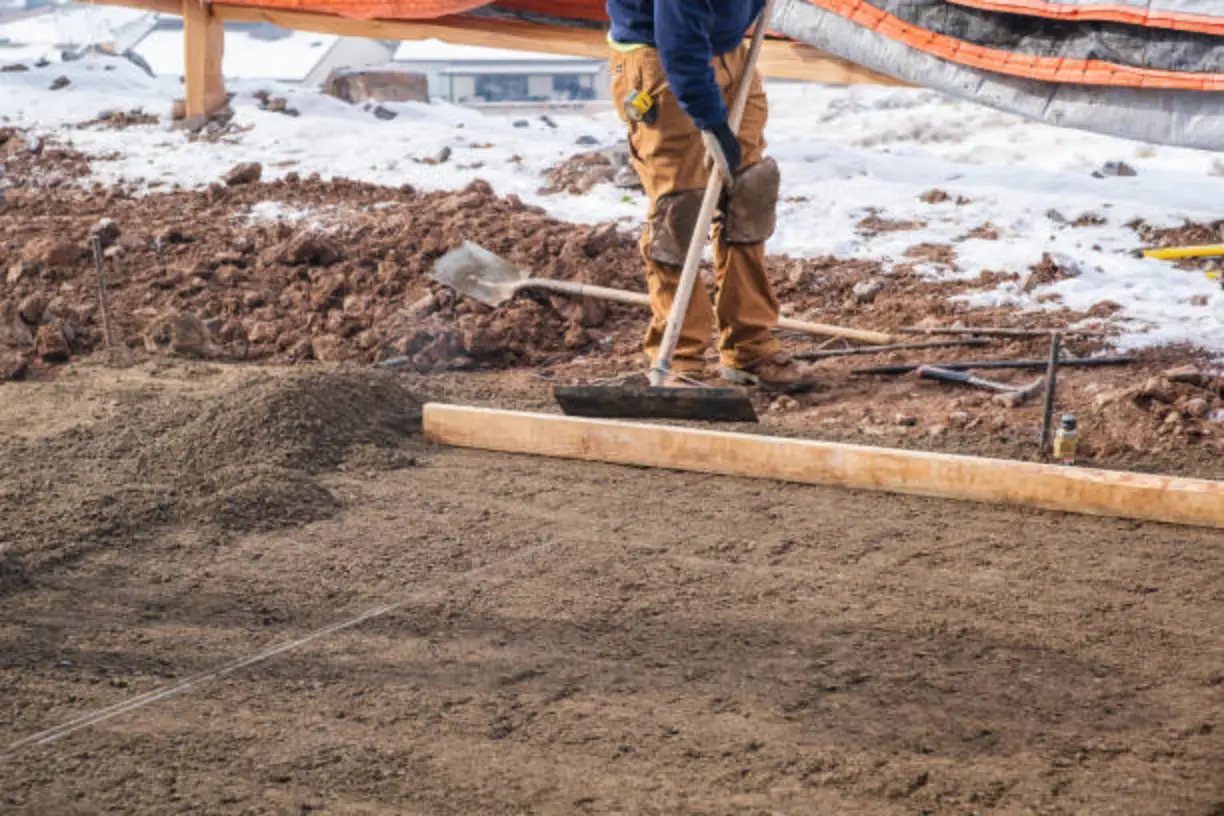
Hardscape construction is the process of building the structural, non-living elements of your outdoor space. Think stone patios, concrete driveways, brick walkways, retaining walls, and outdoor kitchens. Anything hard, durable, and built to last falls under this category.
It is different from softscaping, which covers the living parts of your landscape like grass, plants, trees, and mulch beds. Most well-designed outdoor spaces combine both, using hardscape for structure and function while softscape adds color, texture, and life.
Hardscape vs. Softscape: What Is the Difference?
The simplest way to think about it: if it does not grow, it is hardscape. If it grows, it is softscape.
A paver patio surrounded by garden beds is a classic example of both working together. The patio is hardscape. The mulch, plants, and soil around it are softscape. Getting the balance right is what separates a truly finished outdoor space from one that feels incomplete.
Common Materials Used in Hardscape Construction
Not all hardscape materials are created equal. Your choice of material affects cost, durability, maintenance needs, and overall look. Here are the most widely used options:
- Concrete: Affordable and versatile. Can be poured flat or stamped to mimic stone or brick for a fraction of the cost of natural materials.
- Concrete Pavers: Interlocking pavers are popular for patios and driveways. Durable, attractive, and individual pieces can be replaced without disturbing the whole surface.
- Natural Stone: Flagstone, slate, and bluestone offer a high-end look. They cost more but can last for decades with minimal upkeep.
- Brick: A classic choice for walkways, patios, and borders. Strong and weather-resistant.
- Gravel: Budget-friendly and great for paths or low-traffic areas where drainage matters.
Why Hardscape Construction Matters for Your Property
A well-executed hardscape project does more than improve curb appeal. It creates functional outdoor living space, improves stormwater drainage, reduces soil erosion, and can significantly increase your home’s resale value. More on that below.
Common Types of Hardscape Construction Projects
Hardscape construction covers a wide range of projects. Here are the most popular ones homeowners invest in across the US.
Patios and Outdoor Living Spaces
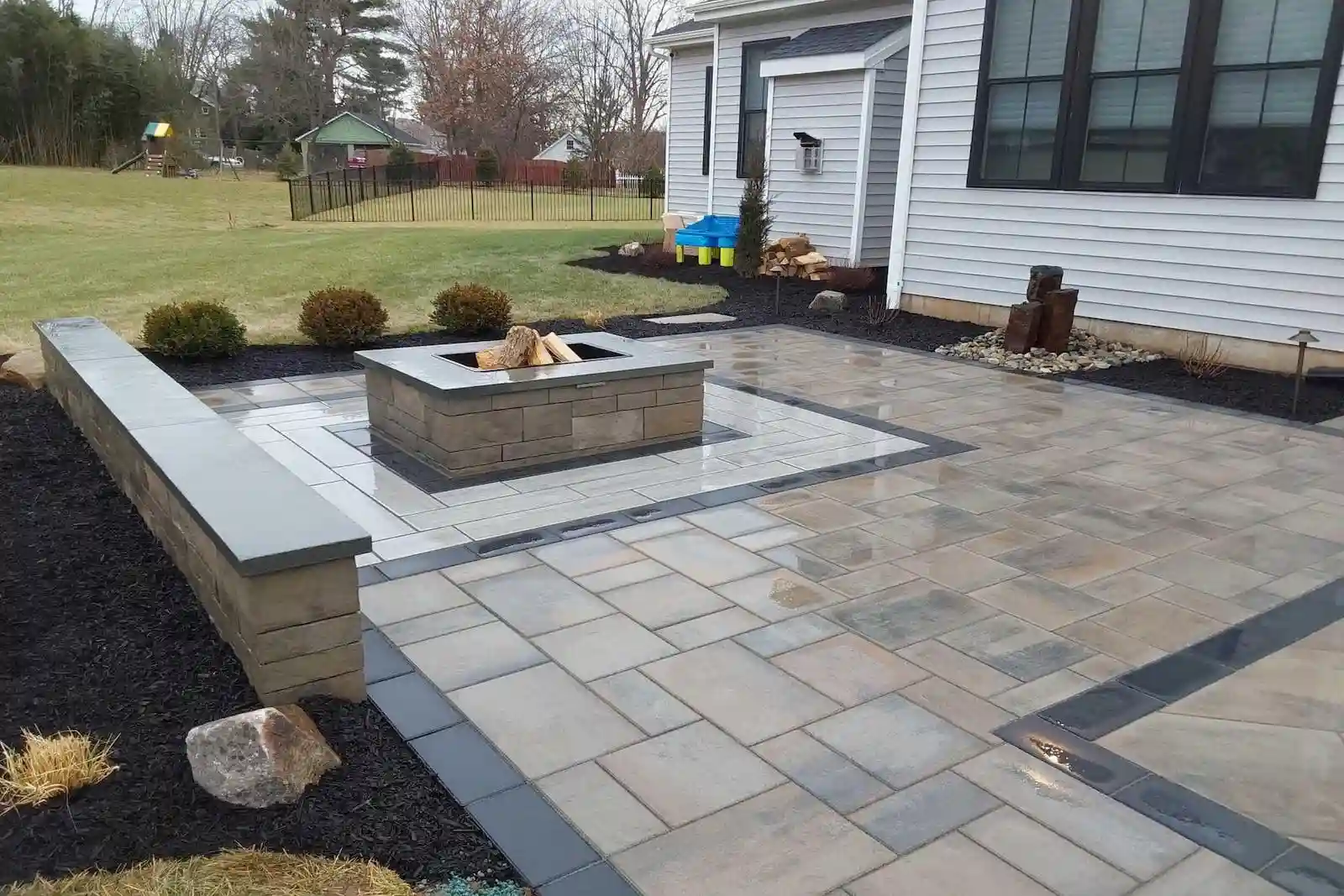
A patio is often the starting point. It gives you a defined area for seating, dining, grilling, or entertaining guests. Materials range from basic poured concrete to premium flagstone, and the size and shape can be fully customized to fit your yard.
Paver patios are especially popular right now because they look polished, hold up well in freeze-thaw climates, and individual pieces can be replaced without tearing up the whole surface.
Driveways and Walkways
Your driveway is one of the first things people see when they arrive. Concrete and asphalt are the most common options, but more homeowners are choosing interlocking pavers for a more refined look. Permeable pavers are also gaining traction because they allow water to filter through the surface, which reduces runoff and supports better drainage.
Walkways guide movement through your yard and connect different areas of your landscape. Even a simple flagstone path can dramatically change how your property looks and functions.
Retaining Walls and Garden Borders
If your yard has a slope, a retaining wall solves two problems at once: it holds soil in place and creates more usable flat space. These walls are typically built with concrete blocks, natural stone, or poured concrete depending on the height and load they need to handle.
Garden borders and edging are smaller hardscape elements that create clean lines between your lawn and planting beds. Simple but surprisingly impactful.
Outdoor Kitchens, Fire Pits, and Water Features
This is where hardscape construction really elevates an outdoor space. An outdoor kitchen extends your living area into the yard. A fire pit creates a natural gathering spot. A water feature like a fountain or small pond introduces sound and texture that makes the space feel alive.
These are higher-cost projects, but they also deliver strong returns when done well.
How Much Does Hardscape Construction Cost in 2026?
Let’s get to the number most homeowners actually want to know.
According to Angi’s 2026 hardscaping cost data, the average hardscape construction project costs around $9,000, with most homeowners spending between $5,000 and $18,000. On a per-square-foot basis, expect to pay $5 to $25 installed, depending on the material you choose.
Here is a quick cost breakdown by project type:
| Project Type | Cost Per Square Foot (Installed) |
|---|---|
| Gravel path or driveway | $1 to $3 |
| Concrete patio or walkway | $6 to $15 |
| Paver patio | $12 to $25 |
| Flagstone patio | $18 to $35 |
| Retaining wall | $20 to $50 |
Sources: Angi 2026 Hardscaping Cost Report and PrestonWood Landscape Pricing Guide
4 Factors That Push Costs Up or Down
Material choice is the single biggest cost driver. Natural stone costs significantly more than concrete or gravel, and that gap compounds quickly across a large project.
Project size and complexity matters just as much. A simple 200 sq ft patio has a completely different price point from a multi-level outdoor living space with drainage, lighting, and built-in features.
Labor rates vary by region. According to a 2026 contractor survey by Techo-Bloc, which gathered data from over 800 landscape professionals across the US and Canada, construction labor rates range from $50 to $120 per hour depending on location and specialization.
Site conditions can add significant cost. Poor soil, steep slopes, drainage issues, and limited equipment access all increase time on the job. Permits and demolition work can add anywhere from $200 to $10,000 on top of your base budget, so factor those in early.
Does Hardscape Construction Add Home Value?
Yes, and the data backs it up clearly.
According to a joint study by the National Association of Realtors (NAR) and the National Association of Landscape Professionals (NALP), hardscape upgrades rank among the top four outdoor improvements for resale value. Professionally installed hardscaping can increase your home’s value by 10 to 15%, particularly for patios, walkways, and outdoor living features.
That said, results vary by market and by the quality of installation. A well-done project adds value. A poorly executed one can do the opposite.
The Hardscape Construction Process: What to Expect
Most hardscape construction follows a predictable sequence. Knowing what that looks like helps you ask smarter questions and avoid costly surprises along the way.
Step 1: Site Assessment and Design Planning
A good contractor starts by walking the property before anything else. They will evaluate the slope, soil type, existing drainage patterns, utility locations, and how the planned space connects to the rest of the yard.
From there, they develop a design. Smaller projects may use a hand-drawn sketch. Larger ones typically involve a digital plan with dimensions and material specifications. This stage is also when you lock in your material choices and set a realistic project timeline.
Step 2: Material Selection and Site Preparation
Once the design is finalized, materials are ordered. Lead times vary widely, and specialty stone or custom pavers can take several weeks to arrive. Ordering early keeps the project on schedule.
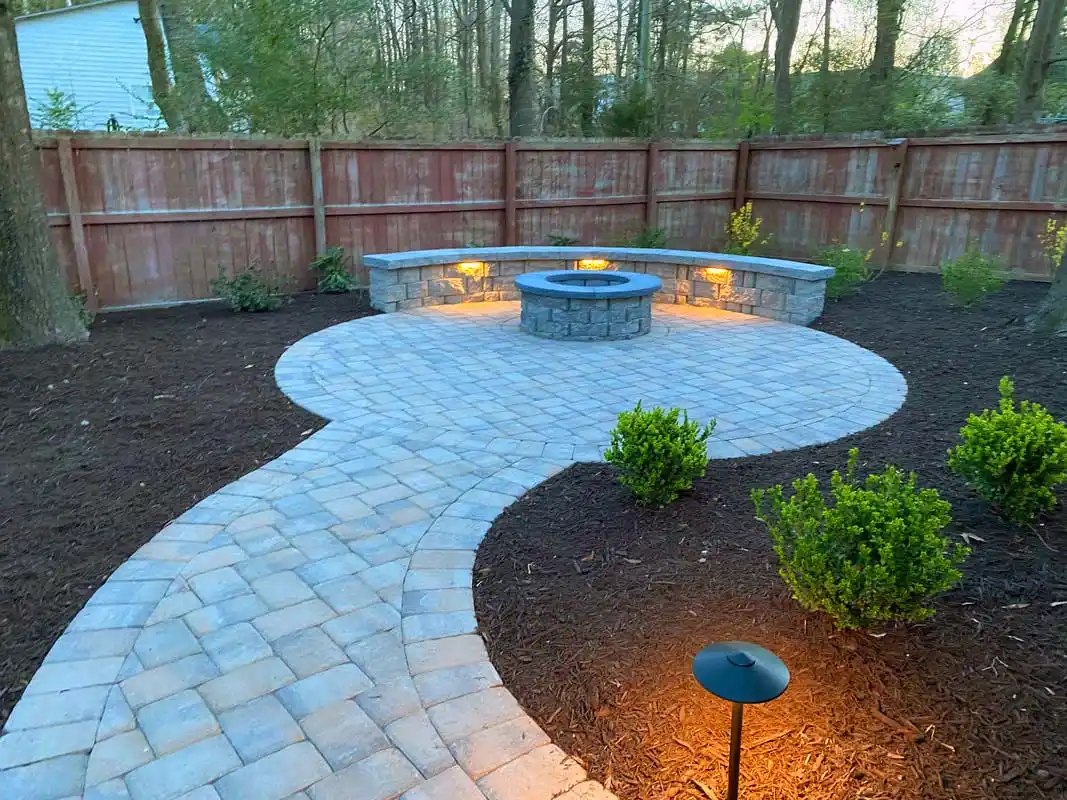
Site preparation comes next. This includes any land clearing, grading, excavation, and base preparation needed before installation begins. If your project requires clearing trees, brush, or dense vegetation before hardscape goes in, forestry mulching is a clean, efficient method worth knowing about.
Here is why base prep matters so much: a properly compacted gravel sub-base is what prevents surfaces from shifting, cracking, or sinking over time. Skipping or rushing this step is the most common reason hardscape projects fail within a few years.
Step 3: Installation, Sealing, and Final Walkthrough
With the base in place, installation begins. For pavers, each piece is set individually with precise spacing and leveling. For concrete, forms are built, poured, and finished. For retaining walls, each course is laid with proper drainage material behind it to prevent water buildup and eventual failure.
After installation, a sealant may be applied to protect the surface and enhance its appearance over time. The project wraps up with a final walkthrough where the homeowner confirms everything meets expectations before the crew leaves the site.
Most standard projects take 1 to 3 weeks from start to finish.
How to Hire a Hardscape Construction Contractor
Getting the work done right is entirely dependent on the crew doing it. Here is how to make sure you hire the right one.
5 Questions to Ask Before You Sign Anything
- Are you licensed and insured? Non-negotiable. Ask for proof of general liability insurance and verify the license is active in your state through your state contractor licensing board.
- Can you show me examples of similar completed projects? Photos and real client references give you far more information than a sales pitch ever will.
- Who handles the permits? Some contractors pass permit responsibility to the homeowner. Clarify this upfront and get the answer in writing.
- What does your base preparation include? A professional should give you specific answers about depth, compaction method, and materials used. Vague answers here are a genuine red flag.
- What does your warranty cover? Reputable contractors stand behind both their workmanship and the materials they install.
Red Flags to Watch For
Walk away from any contractor who asks for a large upfront payment before work begins, gives you a verbal-only quote, or pressures you to decide immediately. Unusually low bids are also worth questioning. They often signal shortcuts in base preparation or lower-grade materials, and you will pay far more in repairs within a few years than you saved upfront.
What a Professional Written Estimate Should Include
A proper estimate should clearly list material types and quantities, labor costs broken out separately, a project timeline, permit responsibilities, and what is explicitly not included in the scope. If anything is vague or missing, request clarification in writing before work begins.
Get at least three quotes before deciding. According to Angi, quotes on identical projects can vary by 30 to 40%, so taking the time to compare will protect your budget significantly.
Frequently Asked Questions About Hardscape Construction
How long does hardscape construction take?
Most residential hardscape projects take 1 to 3 weeks from start to finish. Larger projects involving multiple features or extensive site prep can take longer. Weather conditions also play a role, as heavy rain, extreme heat, or freezing temperatures can delay certain stages of construction.
Do I need a permit for hardscape construction?
It depends on the project and your local municipality. Retaining walls over 3 to 4 feet in height typically require a building permit. The same applies to driveways, outdoor kitchens, and any work that significantly alters drainage or involves utility lines. Check with your local building department before any work begins. A reputable contractor will also know the permit requirements in your area.
What is the most durable hardscape material?
Natural stone and concrete pavers are generally considered the most durable long-term options. Natural stone can last 50 or more years with basic maintenance. Concrete pavers are also highly durable and carry the added advantage of being easy to repair since individual pieces can be swapped out without touching the surrounding surface.
Can I DIY hardscape construction?
Smaller projects like a gravel path or basic garden edging are manageable for a capable DIYer. But most hardscape work, especially anything involving excavation, base compaction, drainage, or retaining walls, is best left to professionals. Poor base preparation is the leading cause of hardscape failure, and fixing it after the fact is expensive and disruptive.
What is the difference between hardscaping and landscaping?
Landscaping is the broader term covering all improvements to an outdoor space, including both hardscape and softscape elements. Hardscaping is the structural, non-living portion of that work. A complete landscape project might include a paver patio as the hardscape, surrounding garden beds and mulch as the softscape, and an irrigation system to tie the two together.
Ready to Transform Your Outdoor Space?
Hardscape construction is one of the smartest investments you can make in your home. Here is what to take with you from this guide:
- Hardscape covers all non-living structural elements, including patios, driveways, retaining walls, and outdoor features
- Costs typically fall between $5,000 and $18,000, with an average around $9,000 for residential projects
- Material choice and site conditions are the two biggest drivers of your final cost
- A properly built base is what separates a lasting installation from one that fails in a few years
- Always hire a licensed and insured contractor, and get at least three written estimates before committing
When you are ready to move forward, start by consulting two or three local hardscape contractors. The right professional will walk your property, ask the right questions, and give you a detailed written proposal. That conversation is where every successful project begins.
References and Resources
- Angi 2026 Hardscaping Cost Data
- Techo-Bloc 2026 US Landscaping Cost Report
- National Association of Realtors (NAR)
- National Association of Landscape Professionals (NALP)
- Interlocking Concrete Pavement Institute (ICPI)
- EPA: Permeable Pavement Overview
About Author
Khalid Fazal is a seasoned lawn care specialist and horticultural researcher with over 15 years of hands-on experience transforming challenging landscapes into lush, resilient green spaces. His journey didn’t start in a lab, but in a backyard full of stubborn, cracked clay that “experts” said would never grow a healthy blade of grass. Refusing to accept a yard full of dust, Khalid spent years experimenting with organic soil restoration and precise mulching, eventually turning that wasteland into a neighborhood showpiece on a shoestring budget.
From mastering core aeration techniques to optimizing soil pH for specialized turf varieties, Khalid’s approach combines old-school grit with modern agronomic science. He founded Gen Lawn to provide homeowners with honest, research-backed advice that prioritizes long-term soil health over quick-fix chemical solutions. When he isn’t analyzing soil profiles, he’s developing precision tools to help others achieve professional results without the professional price tag.

Crabgrass Pre Emergent: When to Apply It by US Region [2026]
The bag says to apply crabgrass pre emergent in “early...
Read More
Grub Control Products for Lawns: What to Buy and When
Table of Contents Home / By Khalid Fazal | Updated:...
Read More
Lawn Winterizer: When to Apply by Grass & Region [2026]
Table of Contents Home / By Khalid Fazal | Updated:...
Read More
Spring Lawn Care: What to Do and When in Every US Region
Table of Contents Home / By Khalid Fazal | Updated:...
Read More