
Does Grass Seed Go Bad? Shelf Life, Signs and Storage Tips
Yes, grass seed can go bad. But here is the good news: it probably has more life left in it than you think.
If you just found a half-used bag tucked behind your lawn mower from last spring (or two springs ago), do not toss it just yet. Grass seed does not rot overnight. What actually happens is its germination rate drops gradually over time, meaning fewer seeds successfully sprout with each passing year.
By the end of this guide, you will know exactly whether your seed is still worth planting, how to test it in under 10 minutes, and how to store what is left so it stays viable for as long as possible. Let’s get into it.
Does Grass Seed Go Bad? Here Is the Quick Answer
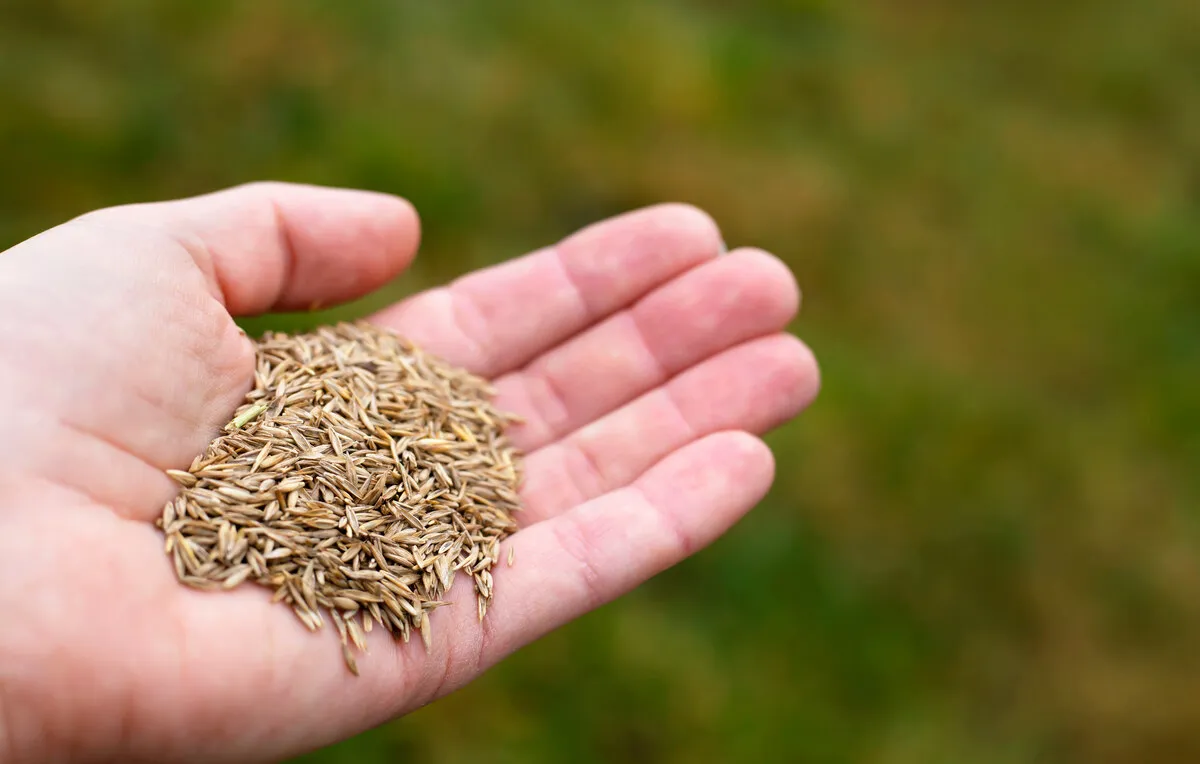
Yes, grass seed does go bad, but not in the way a gallon of milk does. There is no single day it flips from good to garbage. Instead, its germination rate (the percentage of seeds that successfully sprout under ideal conditions) declines gradually over time.
Here is what you need to know upfront:
- Most grass seed stays viable for 2 to 3 years under proper storage conditions
- Fresh grass seed typically has a germination rate of 80 to 90 percent
- That rate can drop by 10 to 20 percent every year after the first year
- After year three, you are often working with seed that will produce thin, patchy results at best
The type of grass seed and how it has been stored matter just as much as the age. So before you make any decisions, keep reading.
How Long Does Grass Seed Last? (By Grass Type)
Not all grass seed ages the same way. The species, seed coating, and storage environment all play a role in how long your seed stays viable.
Cool-Season Grasses: Fescue, Ryegrass and Kentucky Bluegrass
Cool-season grasses tend to have the longest shelf life of the two main grass categories. Here is a quick breakdown:
| Grass Type | Shelf Life With Proper Storage |
|---|---|
| Kentucky Bluegrass | 3 to 5 years |
| Tall Fescue | 2 to 4 years |
| Perennial Ryegrass | 2 to 3 years |
One critical note about Kentucky Bluegrass: it is a notoriously slow germinator. Even when the seed is completely fresh, it can take up to 21 days to sprout. So if your paper towel test shows nothing after 7 days, do not throw it out. Give it the full three weeks before drawing any conclusions.
Warm-Season Grasses: Bermuda, Zoysia and St. Augustine
Warm-season varieties are more sensitive to heat and humidity fluctuations, which means they lose viability faster. Here is what to expect:
| Grass Type | Shelf Life With Proper Storage |
|---|---|
| Bermudagrass | 1 to 2 years |
| Zoysiagrass | 1 to 3 years |
| St. Augustine | 1 to 2 years |
According to research cited by Bob Vila, a U.S. government study found that only around 50 percent of Bermudagrass seeds remained viable after just 1 to 2 years, compared to Kentucky Bluegrass holding that same germination rate for 3 to 5 years.
What Does the “Tested” Date on the Bag Actually Mean?
Flip your bag over and look for a “tested” or “sell by” date. This is required under the USDA Federal Seed Act, which mandates that seed sellers test and label germination rates before putting products on shelves.
Here is the thing: that date tells you when the seed was tested, not when it expires. A bag tested in early 2023 and sitting in your shed until now has been losing germination potential the entire time. Aim to use seed within 12 months of the tested date for the best results, and always run a germination test if you are unsure.
How to Tell If Your Grass Seed Has Gone Bad
This is where most homeowners get stuck. The good news is there are a few reliable ways to find out if your seed is still worth using.
The Paper Towel Germination Test (Most Reliable Method)
This is the gold standard for checking seed viability, and it takes about 10 minutes to set up. Here is how to do it:
- Count out exactly 10 seeds from your bag
- Dampen a paper towel so it is moist but not dripping wet
- Place the seeds evenly spaced on one half of the towel
- Fold the towel over the seeds and place it inside a sealed zip-lock bag
- Put the bag somewhere consistently warm, like on top of your refrigerator
- Wait 7 to 10 days (allow up to 21 days if you are testing Kentucky Bluegrass)
- Open the bag and count how many seeds have sprouted tiny white or green shoots
Now use this decision table:
| Seeds That Sprouted | Germination Rate | What to Do |
|---|---|---|
| 8 to 10 out of 10 | 80 percent or higher | Safe to plant at normal rates |
| 5 to 7 out of 10 | 50 to 70 percent | Overseed at 1.5 to 2 times the normal rate |
| Under 5 out of 10 | Below 50 percent | Buy fresh seed for reliable results |
Visual Signs Your Grass Seed Has Gone Bad
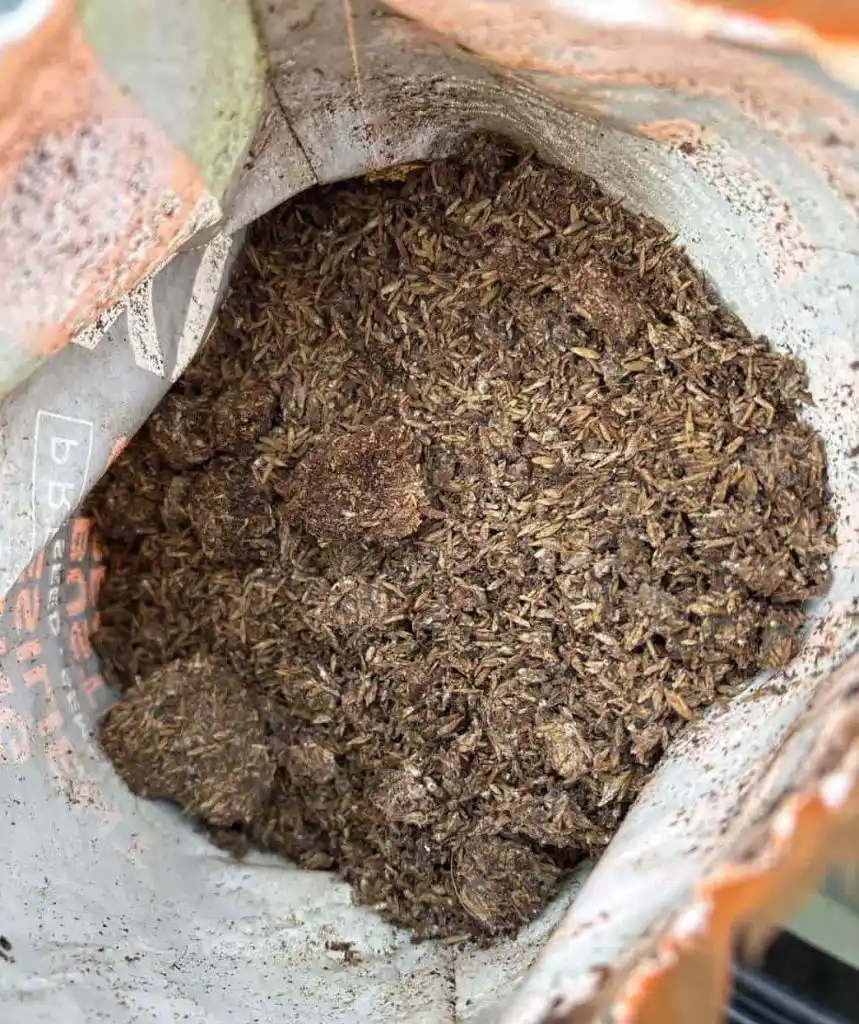
Before you even run the germination test, do a quick visual check. Pour a small amount of seed onto a white plate or sheet of paper and look for:
- White or green mold on the seeds
- Seeds clumping or sticking together
- Webbing or signs of insect activity
- Discoloration (healthy seed should look consistent in color)
- Brittle or crumbling seed husks
If you spot any of these, skip the germination test entirely. Moisture damage has already set in and your best move is to replace the bag.
The Smell Test
Pick up a small handful of seeds and give them a sniff. Healthy grass seed has a mild, earthy smell, similar to dried grain.
But wait: if your seed smells musty, sour, or almost fermented, that is a clear red flag. As professional landscaper Denis McCausland explains, “if grass seeds feel wet or have a moist, mildew smell, there is a good chance that the grass seed is no longer viable for your lawn.” Trust your nose on this one.
Check the Storage Conditions
Think back to where this seed has been sitting. Ask yourself:
- Was the bag sealed after opening?
- Has it been stored in a hot garage or outdoor shed all summer?
- Was it ever exposed to direct sunlight or moisture?
- Has it gone through repeated freeze and thaw cycles?
If the answer is yes to any of these, expect a noticeably lower germination rate, even if the seed looks fine on the surface.
How to Store Grass Seed So It Does Not Go Bad
Here is the good news: proper storage can seriously extend the life of your seed. We are talking about potentially doubling its viable lifespan compared to leaving it in a loosely sealed bag on a garage shelf.
Ideal Grass Seed Storage Conditions
Here is what lawn care experts and university extension programs consistently recommend:
- Temperature: Store between 40 and 60 degrees Fahrenheit. A basement or climate-controlled room is ideal.
- Humidity: Keep relative humidity below 60 percent. High moisture is the single biggest threat to stored seed.
- Container: Transfer opened bags into airtight containers such as sealed plastic bins, glass jars with lids, or metal cans. This protects against moisture, oxygen exposure, and pests.
- Light: Keep seed in a dark location. UV exposure from sunlight degrades seed quality over time.
As Dr. Cale A. Bigelow, professor of Horticulture at Purdue University, explains, grass seeds slowly lose energy through respiration even while in storage. Reducing temperature and humidity slows that respiration process down, which is exactly what you want.
What Destroys Grass Seed the Fastest
Avoid these storage mistakes at all costs:
- Heat and moisture together can trigger premature germination or mold growth inside the bag
- Repeated freezing and thawing causes cellular damage inside the seed embryo
- Open or loosely sealed bags expose seed to oxygen and humidity
- Hot garages or outdoor sheds without climate control are among the worst places to store seed long-term
One Pro Storage Tip Worth Remembering
Before putting that bag away, take 30 seconds to write directly on the outside of it:
- Date of purchase
- Grass type
- Tested date from the label
- Approximate quantity remaining
This simple habit will save you from guessing next season and help you run a germination test at the right time.
Should You Plant Old Grass Seed or Buy New?
Here is a practical decision guide based on your germination test result:
| Your Result | What It Means | Best Action |
|---|---|---|
| 80 percent or higher | Seed is still strong | Plant at normal seeding rates |
| 50 to 79 percent | Reduced but usable viability | Overseed at 1.5 to 2 times the rate, mix with fresh seed if possible |
| Below 50 percent | Significant decline | Buy fresh seed for reliable coverage |
For low-traffic patches, a back corner of the yard, or areas where you just want something to fill in, using old seed with a lower germination rate is totally reasonable. Just overseed generously to compensate.
But for new lawns, large bare areas, or high-visibility parts of your yard? Invest in fresh seed. The cost of a new bag is almost always less than the time and frustration of a lawn that comes in thin and uneven. As Jonathan Green points out, opened grass seed should ideally be used within a year for the best possible results.
Frequently Asked Questions About Grass Seed Going Bad
Does grass seed go bad if it freezes?
A single freeze will not necessarily ruin your grass seed. The real problem comes from repeated freeze and thaw cycles, which cause water inside the seed cells to expand and contract over and over. This breaks down the embryo over time. If your seed froze once in a cold garage and thawed out, run the paper towel germination test before deciding whether to plant it.
Can you use 3-year-old grass seed?
It depends on the type and how it was stored. Cool-season grasses like Tall Fescue and Kentucky Bluegrass can still be viable at 3 years old if they were kept in a cool, dry, airtight environment. Warm-season grasses like Bermuda at 3 years are much less likely to produce a good result. Run the paper towel test first and let the numbers guide your decision.
Does grass seed go bad in an unopened bag?
Yes, eventually, but an unopened bag lasts longer than an opened one. The original sealed packaging limits moisture and oxygen exposure significantly. That said, storage conditions still matter a great deal. An unopened bag left in a hot, humid shed will degrade faster than an opened bag stored in a cool, dry basement in an airtight container.
What happens if you plant bad grass seed?
Planting old or low-viability seed does not harm your soil or your existing lawn. The seeds that fail to germinate simply sit in the soil and break down naturally as organic matter. The result is just a thin, uneven lawn in the spots where seeds did not sprout. You will likely need to reseed those areas with fresh seed to fill things in properly.
Does grass seed expire faster after opening?
Yes. Once a bag is opened, the seed is exposed to air, humidity, and temperature changes that accelerate the decline in germination rate. Opened grass seed should ideally be used within a year for the best results. If you have leftovers, transfer them immediately into an airtight container and store them in a cool, dark space.
The Bottom Line
Grass seed does go bad, but it is not as dramatic as it sounds. Here is what to take away from this guide:
- Most grass seed stays viable for 2 to 3 years with proper storage, and cool-season varieties can stretch to 5 years
- Germination rates drop 10 to 20 percent per year, so age matters even when the seed looks fine
- Always run the paper towel test before planting old seed on anything important
- Store seed in a cool, dry, airtight container kept between 40 and 60 degrees Fahrenheit
- If your germination rate falls below 50 percent, skip the guesswork and buy fresh seed
Still unsure which grass seed is right for your lawn or your region of the US? Check out our lawn seeding guide for a full breakdown of the best seed types by climate zone, or browse our top picks for cool-season and warm-season grass seed to get your lawn off to the strongest start this season.
References and Sources
- USDA Federal Seed Act – Germination labeling requirements for seed sellers
- University of New Hampshire Extension – Seed storage best practices
- Angi: How Long Does Grass Seed Last – Germination rate drop data
- Bob Vila: Does Grass Seed Go Bad – U.S. government germination study reference
- Jonathan Green: Does Grass Seed Get Too Old to Use – Opened seed shelf life guidance
- LawnLove: Does Grass Seed Go Bad – Expert commentary and germination decline data
About Author
Khalid Fazal is a seasoned lawn care specialist and horticultural researcher with over 15 years of hands-on experience transforming challenging landscapes into lush, resilient green spaces. His journey didn’t start in a lab, but in a backyard full of stubborn, cracked clay that “experts” said would never grow a healthy blade of grass. Refusing to accept a yard full of dust, Khalid spent years experimenting with organic soil restoration and precise mulching, eventually turning that wasteland into a neighborhood showpiece on a shoestring budget.
From mastering core aeration techniques to optimizing soil pH for specialized turf varieties, Khalid’s approach combines old-school grit with modern agronomic science. He founded Gen Lawn to provide homeowners with honest, research-backed advice that prioritizes long-term soil health over quick-fix chemical solutions. When he isn’t analyzing soil profiles, he’s developing precision tools to help others achieve professional results without the professional price tag.

Drought Resistant Grasses for Lawns [8 Picks by US Region]
Table of Contents Home / By Khalid Fazal | Updated:...
Read More
Shade Tolerant Grass: 7 Best Types by Region [Sun Hours]
Table of Contents Home / By Khalid Fazal | Updated:...
Read More
7 Types of Cool Season Grass: Best Picks by Region [2026]
Table of Contents Home / By Khalid Fazal | Updated:...
Read More
Warm Season Grass Types: 7 Best Picks by US Region [2026]
Table of Contents Home / By Khalid Fazal | Updated:...
Read More