
Hardscape Materials: Which One Is Actually Right for Your Yard?
Most homeowners pick hardscape materials the wrong way. They see a patio they like, ask a contractor what it is, and go with that. No comparison, no thought about climate, no consideration of what that surface looks like after five winters or how much it costs to maintain over time.
Then the cracks show up. Or the color fades. Or the drainage backs up against the foundation and suddenly a $12,000 patio is a $20,000 problem.
The material itself is rarely the issue. The issue is picking one without understanding what actually separates a 50-year surface from one that needs work in five. That is what this guide covers. Real cost data, honest trade-offs, and a clear way to match the right hardscape material to your specific project, climate, and budget so you are not guessing when it matters most.
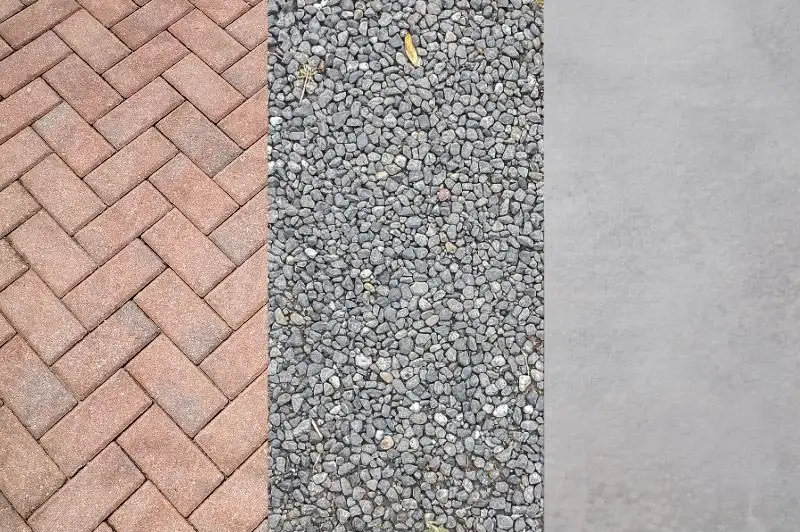
What Are Hardscape Materials?
Hardscape refers to all the non-living, built elements in your outdoor space. Think patios, driveways, walkways, retaining walls, steps, and garden edging. If it does not grow and it holds its shape, it is hardscape.
Hardscape vs. Softscape: Why Both Matter
Softscape is everything that grows: grass, plants, shrubs, trees. Hardscape is the structure that holds it all together.
Here is why that distinction matters for your material choice. The hardscape you install directly affects the softscape around it. A concrete slab with no drainage gaps can waterlog the lawn nearby. Gravel paths can shift into garden beds over time. And poorly sealed natural stone can stain the plants beside it if chemicals leach through.
Getting the materials right means your hardscape and softscape work together, not against each other. If you are also planning mulched beds around your hardscape, this mulch installation guide covers how to set those up correctly so everything integrates well from day one.
The 5 Most Common Hardscape Materials Compared
Here is a clear look at your main options before we get into the details of each one.
| Material | Installed Cost (per sq ft) | Durability | Maintenance | Best For |
|---|---|---|---|---|
| Concrete | $6 to $15 | High | Low | Driveways, large patios |
| Natural Stone | $12 to $30 | Very High | Moderate | Premium patios, retaining walls |
| Brick / Clay Pavers | $8 to $20 | High | Low to Moderate | Walkways, traditional patios |
| Gravel / Crushed Stone | $1 to $3 | Medium | Low | Paths, drainage areas |
| Porcelain Pavers | $15 to $30 | Very High | Very Low | Modern patios, pool surrounds |
Cost data sourced from Angi’s 2026 hardscaping cost report.
Concrete: The Versatile Workhorse
Concrete is the most widely used hardscape material in the US, and for good reason. It is affordable, durable, and works for almost every project type. You have two main versions to choose from: poured concrete (a single slab) and concrete pavers (individual interlocking units).
The big advantage of pavers over a solid slab is repairability. If one paver cracks or shifts, you replace that piece. With a poured slab, a crack means grinding, patching, and hoping the fix blends in. Stamped concrete sits in the middle. It gives you the look of stone or brick at a lower price, but once it cracks, the patch is almost always visible.
One honest downside: in regions with heavy freeze-thaw cycles, poured concrete is prone to cracking as the ground shifts beneath it. This is where base preparation becomes critical, and we will come back to that shortly.
Natural Stone: The Premium Option
Natural stone, including flagstone, granite, travertine, bluestone, and limestone, is the most visually striking hardscape material available. Each piece is unique. No two slabs look exactly the same, which gives natural stone patios and walkways a character that manufactured materials simply cannot replicate.
The trade-off is cost and installation complexity. Natural stone runs $12 to $30 per square foot installed, and premium varieties like travertine or hand-cut granite push even higher. It also requires professional installation in most cases because proper leveling and joint work determine whether your stone surface stays flat for decades or starts shifting within a few years.
Brick and Clay Pavers: Classic With Staying Power
Brick has been used in outdoor construction for centuries, and it still performs exceptionally today. Clay pavers are fired at extremely high temperatures, which makes them resistant to fading, staining, and freeze-thaw damage better than most alternatives.
The classic herringbone and basket weave patterns are back in style, particularly in traditional and cottage-style yards. Brick works especially well for walkways, courtyards, and formal garden borders where you want something timeless without reaching the cost of natural stone.
Gravel and Crushed Stone: The Budget-Friendly Pick
Gravel is the most affordable hardscape material by far at $1 to $3 per square foot installed. It drains naturally, which makes it an excellent choice for areas prone to water pooling. It also works well as a filler between stepping stones or as a low-traffic garden path material.
The downside is that gravel moves. Without proper edging to contain it, it will migrate into your lawn and garden beds over time. It is also not the right choice for high-traffic areas, driveways bearing vehicle weight, or any surface where you want a smooth underfoot feel. That said, the EPA notes that permeable surfaces like gravel provide real environmental value by reducing stormwater runoff and replenishing groundwater, which is worth considering if your yard has drainage challenges.
Porcelain Pavers: The Modern Contender
Porcelain pavers have grown significantly in popularity over the last several years, especially for contemporary outdoor spaces and pool surrounds. They are fired at higher temperatures than standard ceramic tile, making them dense, non-porous, and extremely resistant to staining, moisture, and UV fading.
They also stay cooler underfoot than dark natural stone in direct sun, which is a real comfort factor around pool decks. The main limitation is cost and installation precision. Porcelain requires a very stable, level base. Any ground movement beneath them can cause cracking, so the base preparation must be done correctly from the start.
How to Choose the Right Hardscape Material: 4 Real Factors
Factor 1: Your Climate
This is the single most important factor that most homeowners overlook when selecting hardscape materials.
If you live in the northern US where temperatures dip below freezing repeatedly through winter, your material needs to handle freeze-thaw cycles reliably. Water expands when it freezes. Any material that absorbs moisture and then freezes can crack, heave, or shift. Concrete pavers, quality natural stone, and clay brick all handle freeze-thaw well when installed on a properly compacted gravel base.
In hotter, sunnier climates like the Southwest or Southeast, UV resistance and heat reflectivity matter more. Light-colored concrete pavers and porcelain pavers are better choices here because they absorb and radiate far less heat underfoot, making your outdoor space actually comfortable to use on a July afternoon.
Factor 2: Your Budget Over Time, Not Just Upfront
The cheapest option up front is rarely the cheapest option over ten years. Here is how to think about it honestly.
Gravel costs almost nothing to install but needs annual replenishment and edging maintenance. Poured concrete is affordable initially but can crack and need patching within a decade depending on your soil and climate. Natural stone and quality clay brick cost more upfront but routinely last 40 to 60 years with minimal intervention. According to industry data, well-installed hardscaping can increase property value by 10 to 15 percent, which factors into your long-term return.
If you are planning to stay in your home long term, the math often favors investing in a durable material now rather than replacing a cheaper one in seven years.
Factor 3: What the Surface Needs to Do
A garden path that two people use on weekends has completely different requirements from a driveway bearing vehicle weight daily.
Use this as your guide: driveways need materials with high compressive strength, like interlocking concrete pavers. Patios can use lighter options like flagstone or brick. Walkways and paths are the most flexible, where almost any material works as long as drainage is built into the design.
Factor 4: Your Aesthetic Goal
Be honest with yourself here. Natural stone looks incredible and adds genuine property value, but if your home is a modern ranch, flagstone might look out of place next to it. Porcelain pavers in large format complement contemporary architecture well. Brick suits traditional colonial and craftsman styles. Gravel works with cottage gardens and naturalistic landscapes.
Look at your home’s exterior materials, roof color, and existing landscape before locking in a direction.
Best Hardscape Materials by Project Type
Patios work best with concrete pavers or natural stone for most homeowners. Porcelain pavers are the go-to for modern aesthetics and pool surrounds. Brick is the right call for traditional or cottage-style homes where a timeless look matters most.
Driveways are best served by interlocking concrete pavers. They distribute vehicle weight across individual units, meaning one cracked paver is simply replaced, not the whole surface. Poured concrete is also widely used but is more susceptible to cracking in cold climates without a thick, well-drained base beneath it.
Walkways and Garden Paths offer the most flexibility. Flagstone stepping stones with gravel in between, brick in a herringbone pattern, or simple concrete pavers all work well. The key is keeping the path slightly elevated or well-drained so it does not become a muddy channel after heavy rain.
Retaining Walls are best handled with segmental concrete wall blocks for most residential projects because they are engineered specifically for this use and widely available. Natural stone veneer gives a premium look and works well for low walls. For any wall over four feet tall, consult a structural professional regardless of which material you choose.
If you are doing significant land clearing before your hardscape installation, this guide to forestry mulching explains how professionals efficiently clear sites before construction begins.
What Does Hardscaping Actually Cost in 2026?
The national average for a hardscaping project sits at around $9,000 according to Angi’s 2026 data, but that covers a wide range. Most homeowners spend between $5,000 and $18,000 total, with per-square-foot costs ranging from $1 to $3 for gravel all the way up to $30 or more for premium natural stone installed by a professional crew.
Professional labor typically runs $50 to $100 per hour. Permits, site grading, and demolition of an existing surface can add another $500 to $5,000 depending on your yard conditions and local requirements, so build that buffer into your budget before you get quotes.
DIY vs. Professional Installation: When to Call a Pro
Simple projects like a small gravel path or a single-level patio using basic pavers are manageable for an experienced DIYer with the right tools. But here is the honest truth: most hardscape failures are not caused by the material itself. They are caused by poor base preparation.
The Interlocking Concrete Pavement Institute (ICPI) recommends 6 to 8 inches of compacted gravel base under any paver installation. Skip that step or rush it, and you will see sinking, heaving, and drainage problems within a few years regardless of how expensive your pavers were.
For projects involving retaining walls, multi-level grading, outdoor kitchens, or large-scale driveways, hire a certified professional. The structural integrity and drainage planning are not areas worth cutting corners on.
The One Mistake That Costs Homeowners Thousands
Inadequate drainage is the number one hardscape problem that landscape professionals see, and it is almost always preventable.
Water that has nowhere to go pools against your home’s foundation, erodes the base material beneath your hardscape, and causes surfaces to shift and crack within a few seasons. Before choosing any material, spend ten minutes watching how water moves across your yard during a heavy rainstorm. Your hardscape should direct water away from your home, not trap it. A professional can assess this quickly and solve it with proper grading and drainage channels during installation, and the cost to fix it during the build is a fraction of what it costs to repair after the fact.
Frequently Asked Questions About Hardscape Materials
What is the most durable hardscape material?
Natural stone, particularly granite and bluestone, ranks highest for raw durability. Both resist abrasion, heavy loads, and freeze-thaw cycles exceptionally well. Clay brick follows closely. Either option, installed correctly on a proper base, can last 50 years or more with minimal maintenance.
Which hardscape materials hold up best in cold climates?
Clay brick, concrete pavers, and dense natural stone like granite or bluestone perform best in cold northern climates. The surface material matters, but the base matters more. A properly compacted gravel sub-base with adequate drainage beneath these materials is what prevents frost heave and keeps surfaces level through repeated freeze-thaw cycles.
Can you mix different hardscape materials in one project?
Yes, and mixing materials often produces the best results. Common combinations include natural stone borders around a concrete paver patio, or brick edging with gravel infill for garden paths. The practical rule is to make sure the materials have compatible installation depths and drainage requirements so one does not undermine the other over time.
What hardscape material needs the least maintenance?
Porcelain pavers require the least ongoing maintenance because they are non-porous and resistant to staining, moss growth, and moisture absorption. Concrete pavers with a pre-applied factory sealer are the next best option. Gravel, despite being the cheapest material upfront, actually demands the most ongoing attention through annual replenishment and edging.
Does hardscaping increase home value?
Yes. Professionally installed hardscaping can increase property value by 10 to 15 percent according to Angi and multiple real estate and landscape industry reports. Patios, walkways, and well-designed driveways consistently rank among the highest-return outdoor improvements that homeowners can make.
The Bottom Line
Choosing the right hardscape materials comes down to four things: your climate, your long-term budget, what the surface needs to do, and how it fits the look of your home.
To recap the key takeaways:
- Concrete pavers offer the best overall balance of cost, durability, and design flexibility for most residential projects.
- Natural stone is worth the premium investment if aesthetics and longevity are your top priorities.
- Your climate should guide your final decision as much as your budget, especially in freeze-thaw regions.
- No material performs well without proper base preparation and drainage planning. That part is non-negotiable, and rushing it is where most homeowners lose their money.
When you are ready to move forward, get at least two quotes from local hardscape professionals and ask specifically about their base preparation process. That one question alone will tell you quickly who knows what they are doing.
References and Further Reading
- Angi: Hardscaping Cost Guide 2026
- Interlocking Concrete Pavement Institute: Homeowner Resources
- US EPA: Soak Up the Rain, Green Infrastructure Overview
- Brick Industry Association: Technical Resources
- National Concrete Masonry Association: Segmental Retaining Walls
- Wikipedia: Hardscape
- Wikipedia: Frost Heaving
About Author
Khalid Fazal is a seasoned lawn care specialist and horticultural researcher with over 15 years of hands-on experience transforming challenging landscapes into lush, resilient green spaces. His journey didn’t start in a lab, but in a backyard full of stubborn, cracked clay that “experts” said would never grow a healthy blade of grass. Refusing to accept a yard full of dust, Khalid spent years experimenting with organic soil restoration and precise mulching, eventually turning that wasteland into a neighborhood showpiece on a shoestring budget.
From mastering core aeration techniques to optimizing soil pH for specialized turf varieties, Khalid’s approach combines old-school grit with modern agronomic science. He founded Gen Lawn to provide homeowners with honest, research-backed advice that prioritizes long-term soil health over quick-fix chemical solutions. When he isn’t analyzing soil profiles, he’s developing precision tools to help others achieve professional results without the professional price tag.

Lawn Winterizer: When to Apply by Grass & Region [2026]
Table of Contents Home / By Khalid Fazal | Updated:...
Read More
Spring Lawn Care: What to Do and When in Every US Region
Table of Contents Home / By Khalid Fazal | Updated:...
Read More
Lawn Maintenance Checklist by Season and Grass Type (2026)
Table of Contents Home / By Khalid Fazal | Updated:...
Read More
Liquid Fertilizer vs Granular Fertilizer: Which Wins?
Table of Contents Home / By Khalid Fazal | Updated:...
Read More