
Best Lawn Mower for 1 Acre: 7 Top Picks for 2026
If you have a one-acre lawn, you probably do not need the biggest mower in the showroom. For most homeowners, a 42-inch riding mower is the sweet spot, giving you enough cutting width to finish efficiently without making the machine difficult to maneuver around trees, fences, beds, and gates.
Our best overall pick is the John Deere S100, but that does not mean it is automatically the right mower for every acre.
Here’s the thing: a flat, open acre needs a very different mower from an acre filled with trees, slopes, landscaping, and narrow passages.
This guide compares the best lawn mowers for 1 acre and helps you choose based on your actual yard, not just the number on your property survey.
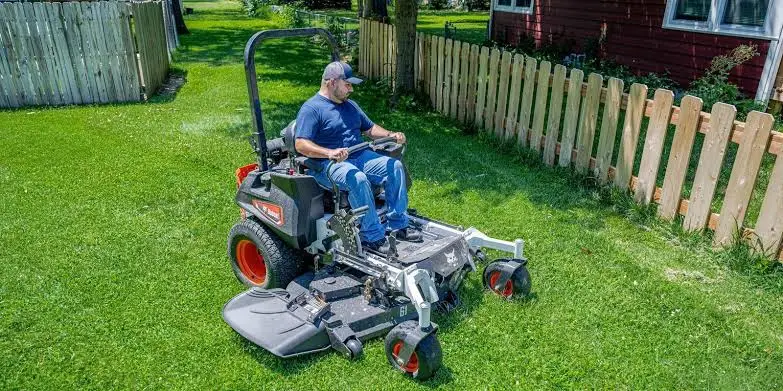
Best Lawn Mower for 1 Acre: Quick Comparison
| Mower | Type | Deck | Best For |
|---|---|---|---|
| John Deere S100 | Lawn tractor | 42″ | Best overall |
| Toro TimeCutter 42 | Zero-turn | 42″ | Trees and obstacles |
| EGO POWER+ Z6 | Electric zero-turn | 42″ | Best electric |
| Greenworks 80V CrossoverT | Electric tractor | 42″ | Electric value |
| Cub Cadet XT1 LT42 IntelliPOWER | Lawn tractor | 42″ | Thick grass |
| Toro TimeMaster | Self-propelled | 30″ | Walk-behind option |
| Mammotion LUBA 3 AWD 5000 | Robotic | Robotic deck | Hands-free mowing |
7 Best Lawn Mowers for 1 Acre
1. Best Lawn Mower for 1 Acre Overall: John Deere S100
For a typical one-acre residential lawn, the John Deere S100 is our most balanced choice.
It combines a 42-inch cutting deck with a 17.5 hp engine and hydrostatic transmission. A hydrostatic transmission lets you control speed smoothly with pedals instead of manually changing gears, making it easier to mow around landscaping.
The S100 can also support attachments for bagging, hauling, and other property-maintenance jobs.
You can review the full John Deere S100 specifications directly from John Deere.
Best for: Homeowners who want a dependable, versatile riding mower.
Keep in mind: A lawn tractor cannot turn around obstacles as tightly as a zero-turn mower.
2. Toro TimeCutter 42: Best Zero-Turn for 1 Acre
If your yard has trees, flower beds, fence lines, or other obstacles, the Toro TimeCutter 42 is worth considering.
Its zero-turn steering allows the mower to pivot much more tightly than a conventional lawn tractor. That means less backing up and fewer awkward turns around landscaping.
A 42-inch deck also keeps the machine practical for residential properties where maneuverability matters.
You can compare current models and specifications on the Toro TimeCutter product page.
Best for: Relatively flat one-acre lawns with plenty of obstacles.
Keep in mind: A zero-turn mower is not automatically the better choice just because it is faster. Terrain still matters.
3. EGO POWER+ Z6 42: Best Electric Lawn Mower for 1 Acre
Battery-powered riding mowers are now serious alternatives to gas.
The EGO POWER+ Z6 42-inch Zero Turn is designed to handle large residential lawns and offers zero-turn steering, multiple driving modes, and a 42-inch cutting deck.
For homeowners who dislike engine maintenance, electric mowers also eliminate routine oil changes, spark plug replacements, and gasoline storage.
You can check current battery configurations and specifications on the EGO Z6 product page.
Best for: Homeowners who want electric power without sacrificing riding-mower capability.
4. Greenworks 80V CrossoverT: Best Electric Lawn Tractor
Prefer a traditional steering wheel instead of zero-turn lap bars?
The Greenworks 80V CrossoverT combines a 42-inch deck with battery power and a familiar lawn-tractor layout.
It is a good option for homeowners who want the lower routine maintenance of electric equipment while keeping the driving experience of a conventional riding mower.
You can view current specifications on the Greenworks riding mower page.
Best for: Homeowners who want an electric mower with traditional steering.
5. Cub Cadet XT1 LT42 IntelliPOWER: Best for Thick Grass
Dense or rapidly growing grass can place more load on a mower.
The Cub Cadet XT1 LT42 IntelliPOWER combines a 42-inch cutting deck with a hydrostatic transmission and Cub Cadet’s IntelliPOWER system, which is designed to maintain more consistent cutting performance when conditions become demanding.
You can review the current model on the Cub Cadet XT1 LT42 page.
Best for: Dense turf and homeowners who prefer a traditional riding tractor.
6. Toro TimeMaster 30: Best Walk-Behind Mower for 1 Acre
Not everyone with one acre needs a riding mower.
The Toro TimeMaster uses a 30-inch cutting deck, which is considerably wider than a standard 21-inch residential mower. Its self-propelled system also reduces the effort required to cover a larger lawn.
It will take longer than a riding mower, but it can make sense if storage space is limited or your actual mowable lawn is significantly smaller than the full property.
Learn more about the Toro TimeMaster.
Best for: Active homeowners, smaller garages, and properties where much of the acre is occupied by structures or landscaping.
7. Mammotion LUBA 3 AWD 5000: Best Robot Mower for 1 Acre
If you want to reduce the time you personally spend mowing, a robotic mower may be worth considering.
The Mammotion LUBA 3 AWD 5000 is designed for larger residential lawns and uses automated navigation technology to maintain grass on a scheduled basis.
Robot mowing works differently from traditional mowing. Instead of waiting for the lawn to become tall, the mower maintains it through frequent automated cuts.
You can explore its features on the Mammotion LUBA product page.
Best for: Homeowners willing to pay more upfront for hands-free mowing.
How to Choose the Best Lawn Mower for 1 Acre
What Size Makes the Best Lawn Mower for 1 Acre?
For most one-acre properties, around 42 inches is a practical riding-mower deck size.
But acreage alone should not decide what you buy.
A one-acre property can include:
A house
Driveway
Patio
Pool
Garden beds
Trees
Shed
Walkways
Your actual grass area may be much smaller.
Also measure your narrowest gate and storage entrance before buying. Deck width and total mower width are not always identical.
Riding Mower vs Zero-Turn for 1 Acre
Choose a lawn tractor if you value versatility, familiar steering, attachments, and straightforward residential mowing.
Choose a zero-turn mower if your property is relatively flat and contains lots of trees, beds, and obstacles.
For significant slopes, safety should come before cutting speed. The U.S. Consumer Product Safety Commission provides additional guidance on riding mower safety, including slope-related risks.
Gas vs Electric
Both gas and battery-powered riding mowers can handle one acre.
Gas makes sense if you want:
Fast refueling
Established repair networks
Long operating periods
More choices at different price points
Electric makes sense if you want:
Less routine maintenance
Lower operating noise
No gasoline storage
Easy push-button starting
Battery runtime can change depending on grass height, moisture, mowing speed, terrain, blade condition, and whether you mulch or bag.
Check Local Service Support Before Buying
Before purchasing any riding mower, check who can repair it near your ZIP code.
A great mower quickly becomes inconvenient if warranty service requires transporting a heavy machine a long distance.
Compare:
Authorized dealers nearby
Parts availability
Warranty service
Pickup and delivery charges
Battery availability
Independent repair shops
For expensive equipment, local support can matter almost as much as specifications.
How Often Should You Mow a 1-Acre Lawn?
Mowing frequency should depend on how quickly your grass is growing.
A widely used guideline is to avoid removing more than about one-third of the grass blade during a single mowing. The University of Missouri Extension lawn mowing guide explains how mowing height and frequency affect turf health.
You should also avoid mowing saturated grass. Wet conditions can reduce traction, clog the mower, and leave an uneven finish.
GenLawn covers this in more detail in its guide on whether it is bad to mow a lawn in the rain.
For mowing height, watering, fertilizing, and seasonal timing, see the GenLawn Seasonal Lawn Care Guide.
Frequently Asked Questions
What size lawn mower do I need for 1 acre?
A riding mower with around a 42-inch deck is a strong choice for most one-acre residential lawns. Smaller decks work but require more passes, while very large decks can become awkward around landscaping and gates.
Is a 42-inch mower big enough for 1 acre?
Yes. A 42-inch mower offers a good balance between mowing speed, maneuverability, storage requirements, and cost for most one-acre properties.
Is a zero-turn mower worth it for 1 acre?
It can be. If your yard contains many trees and landscaping obstacles, zero-turn steering can save significant maneuvering time. For a simple open lawn, a conventional lawn tractor may offer better value.
Can an electric lawn mower handle 1 acre?
Yes. Several current electric riding mowers are designed to cover an acre or more. Actual runtime depends on battery configuration, grass conditions, terrain, cutting height, and mowing speed.
Do I Really Need a Riding Mower for 1 Acre?
Not necessarily.
A riding mower saves time, but a wide self-propelled mower can still be practical if you enjoy walking, have limited storage space, or have considerably less than one full acre of mowable grass.
Final Verdict
For most homeowners searching for the best lawn mower for 1 acre, a 42-inch riding mower is a strong place to start, but your yard layout should ultimately determine the type you choose.
Best overall: John Deere S100
Best around obstacles: Toro TimeCutter 42
Best electric zero-turn: EGO POWER+ Z6
Best electric tractor: Greenworks 80V CrossoverT
Best for thick grass: Cub Cadet XT1 LT42
Best walk-behind: Toro TimeMaster 30
Best automated option: Mammotion LUBA 3 AWD 5000
Before buying, measure three things: your actual mowable area, your narrowest gate, and your steepest slope.
Those three measurements can eliminate many of the wrong mower choices before you even visit a dealer.
If you are building your lawn-care setup from scratch, GenLawn’s DIY Lawn Care for Beginners guide covers the other tools and maintenance basics worth having.
About Author
Khalid Fazal is a seasoned lawn care specialist and horticultural researcher with over 15 years of hands-on experience transforming challenging landscapes into lush, resilient green spaces. His journey didn’t start in a lab, but in a backyard full of stubborn, cracked clay that “experts” said would never grow a healthy blade of grass. Refusing to accept a yard full of dust, Khalid spent years experimenting with organic soil restoration and precise mulching, eventually turning that wasteland into a neighborhood showpiece on a shoestring budget.
From mastering core aeration techniques to optimizing soil pH for specialized turf varieties, Khalid’s approach combines old-school grit with modern agronomic science. He founded Gen Lawn to provide homeowners with honest, research-backed advice that prioritizes long-term soil health over quick-fix chemical solutions. When he isn’t analyzing soil profiles, he’s developing precision tools to help others achieve professional results without the professional price tag.

Lawn Winterizer: When to Apply by Grass & Region [2026]
Table of Contents Home / By Khalid Fazal | Updated:...
Read More
Spring Lawn Care: What to Do and When in Every US Region
Table of Contents Home / By Khalid Fazal | Updated:...
Read More
Lawn Maintenance Checklist by Season and Grass Type (2026)
Table of Contents Home / By Khalid Fazal | Updated:...
Read More
Liquid Fertilizer vs Granular Fertilizer: Which Wins?
Table of Contents Home / By Khalid Fazal | Updated:...
Read More