
Sod vs Seed: Which Is the Right Choice for Your Lawn in 2026?
You walk outside and look at your yard. Patches of bare dirt. Dead spots where grass used to be. Maybe it is a brand new build with nothing but raw soil staring back at you.
Now comes the question every homeowner eventually faces: sod or seed?
Both will get you a green lawn. But the path to get there looks completely different depending on which route you choose. Sod gets you results in a matter of weeks. Seed saves you serious money but demands patience, the right timing, and months of consistent watering.
Here is the short answer: neither option is universally better. The right choice depends on your budget, your timeline, your yard conditions, and where you live in the US. By the end of this guide, you will know exactly which one makes sense for your specific situation.
What Is the Difference Between Sod and Seed?
Before comparing the two, it helps to understand exactly what each one is and how it works.
What Is Sod?
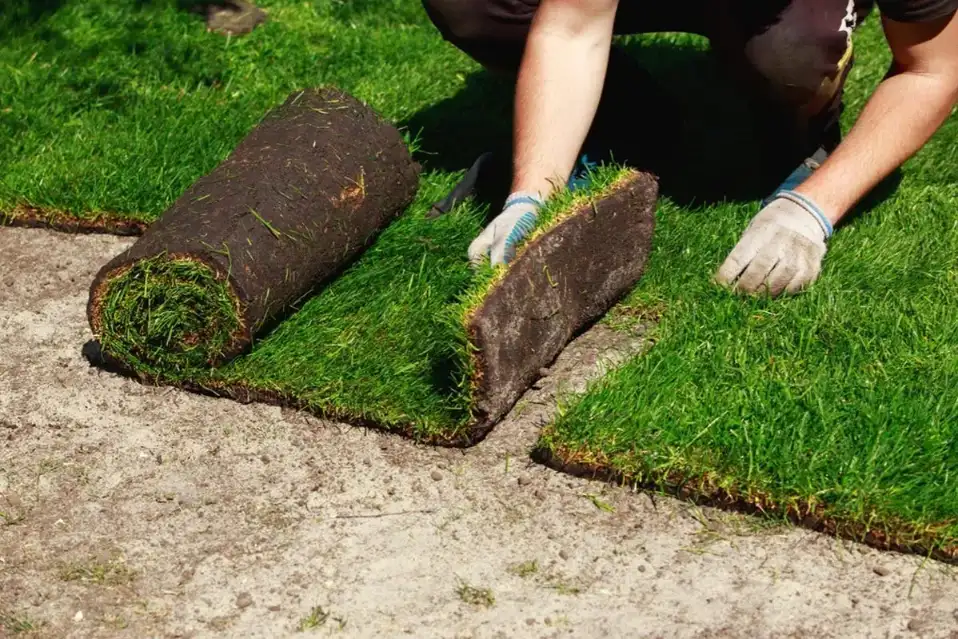
Sod is pre-grown grass harvested from turf farms with the root system and a thin layer of soil still intact. Workers cut it into rolls or slabs, load it onto a truck, and deliver it to your yard ready to lay. The moment it goes down, you get instant green coverage.
According to the University of Minnesota Extension, the main difference between sod and seed comes down to one thing above all else: time. Sod roots into new soil in about two to three weeks. Full establishment, meaning the roots are deeply anchored and the lawn can handle regular foot traffic, takes four to eight weeks depending on your grass type, watering routine, and local weather.
The tradeoff is limited variety. Your choices are restricted to whatever the local sod farm currently grows and stocks.
What Is Grass Seed?
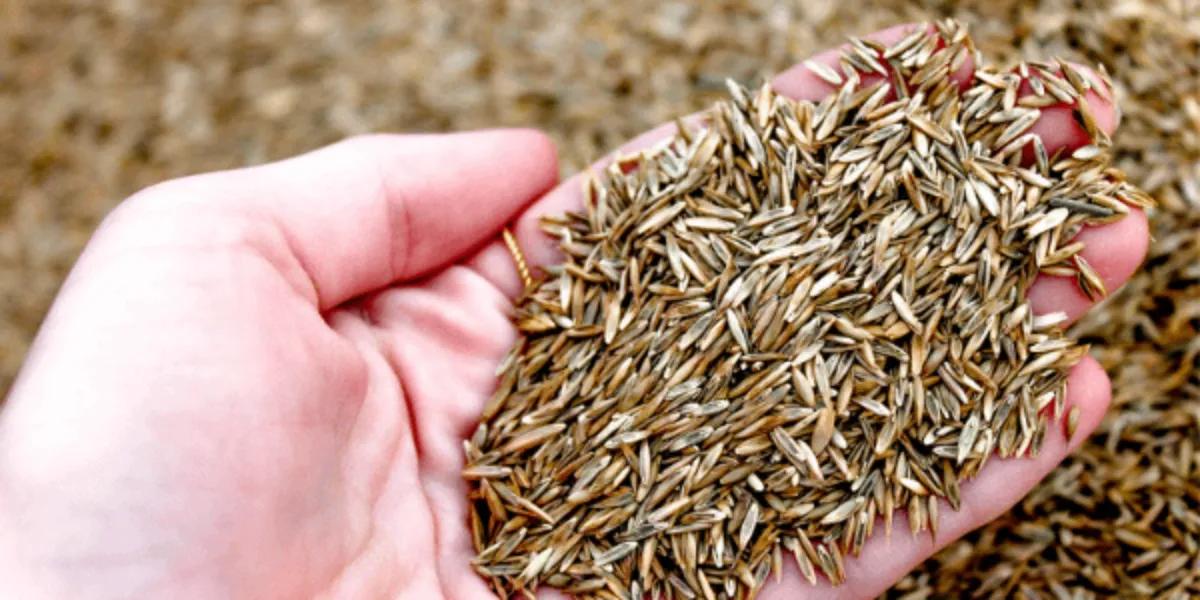
Grass seed is exactly what it sounds like. You spread individual seeds across prepared soil, water consistently, and let germination do its work. Depending on the grass species and soil temperature, germination takes 7 to 30 days. A full, usable lawn takes 3 to 6 months to establish completely.
Here is something most people do not realize: seeded lawns can actually develop stronger root systems over the long term. Because the grass grows directly in your specific soil from day one, it adapts naturally to your local conditions without the transplant shock that sod roots experience when they move from a controlled farm environment into your yard.
The payoff for patience is a lawn that is often more drought-resistant and more resilient to local seasonal stress in the years ahead.
Sod vs Seed Cost: What Will You Actually Pay?
Cost is usually the deciding factor for most homeowners. Here is the real breakdown based on verified 2026 national averages.
How Much Does Sod Cost?
Sod material alone runs $0.31 to $0.82 per square foot. Add professional installation and you are looking at $1.65 to $2.60 per square foot all-in, according to data from LawnStarter, Genlawn, and HomeAdvisor.
For a real-world example: a professionally installed sod job on a 2,000 square foot lawn will typically cost between $3,300 and $5,200.
A few additional costs to budget for:
- Old grass removal adds $0.50 to $2.00 per square foot
- Land grading adds $1 to $3 per square foot if your yard is uneven
- Soil amendments like starter fertilizer add $50 to $150 per 1,000 square feet
For a full breakdown by yard size, grass type, and region across the US, see our sod installation cost guide.
How Much Does Grass Seed Cost?
Grass seed is significantly more budget-friendly. Seed material alone costs $0.07 to $0.23 per square foot. Factor in soil prep and a quality starter fertilizer and most homeowners spend $400 to $800 to seed a 2,000 square foot lawn.
That is 30 to 50 percent cheaper than sod upfront, according to data from HomeGuide.
But here is what the sticker price does not show you. Seed carries hidden costs that catch people off guard. Failed germination may require re-seeding. Weeds compete aggressively with new seedlings during the vulnerable establishment window. Consistent watering for three to four months adds to your water bill.
When you factor all of that in, the real price gap between sod and seed often narrows more than most people expect going in.
Timeline Comparison: How Long Does Each Take?
The timeline difference between sod and seed is more dramatic than most homeowners realize. This table lays it out clearly.
| Category | Sod | Seed |
|---|---|---|
| First visible results | Day one (instant green) | 7 to 30 days (germination) |
| Light foot traffic | 2 to 3 weeks | 10 to 12 weeks |
| Full establishment | 4 to 8 weeks | 3 to 6 months |
| Weed risk during setup | Low | High |
| Watering commitment | 4 weeks, strict schedule | 3 or more months, consistent |
| Long-term root strength | Moderate | High (adapts to native soil) |
Here is what those numbers mean in practice.
If you need a lawn ready before a home sale, a summer event, or simply because your kids need somewhere to play this season, sod is the only realistic option. Seed simply cannot deliver results in that kind of window.
But if you are planning ahead and can afford to wait, seed rewards your patience significantly. The root system that develops in your actual soil over time is often more resilient and better adapted to your local climate than sod roots that had to adjust from a completely different growing environment.
Sod vs Seed: Which One Is Right for Your Situation?
Here is the decision framework that cuts through the noise.
Choose Sod If…
Sod is the stronger choice in these situations:
- You need a usable lawn within a few weeks, such as before selling a home, after new construction, or meeting a specific landscaping deadline
- Your yard has slopes or areas prone to soil erosion where seed would wash away before it ever germinates
- More than 50 percent of your current lawn is weeds or dead grass
- You cannot manage the fragile 3-month germination and establishment window due to schedule, weather, or yard conditions
- You have pets or children who cannot be kept off the lawn for several months
Sod provides immediate erosion control from the moment it is installed. On slopes especially, grass seed washes away in the first heavy rain. Many homeowners on hilly properties end up reseeding two or three times before achieving any real coverage, spending more time and money in the process than sod would have cost from the start.
Choose Seed If…
Seed makes more sense in these situations:
- Budget is a real constraint and saving 30 to 50 percent upfront matters for your project
- You need a specific grass variety or blend that is not available from local sod suppliers
- You are overseeding thin or patchy areas of an existing lawn rather than starting completely from scratch
- You have the time and ability to water consistently for three to four months
- You want more long-term control over your grass type and soil health
One thing most people overlook: seeded lawns are not just cheaper upfront. They are often tougher in the long run. A root system that develops directly in your soil from germination has no adjustment period, no transplant shock, and no roots trying to adapt from one soil type to another. Over several seasons, that difference adds up to a lawn that often handles drought and local conditions better than many sodded alternatives.
Using a quality starter fertilizer for new grass seed during the establishment period makes a measurable difference in how fast and thick your lawn fills in during those critical first weeks.
US Regional Timing Guide for Sod vs Seed
Where you live in the US plays a significant role in which option works better and exactly when to act.
Cool-season zones (Northeast, Midwest, Pacific Northwest)
These regions grow cool-season grasses like Kentucky Bluegrass, Tall Fescue, and Perennial Ryegrass. The best time to seed is late August through early October, when soil temperatures sit between 50 and 65 degrees. Sod can go down in early fall or spring, as long as the ground is not frozen or waterlogged.
Warm-season zones (South, Southeast, Southwest)
Grasses like Bermuda, Zoysia, and St. Augustine dominate these regions. Late spring through early summer is the ideal window for both sod and seed here. Installing too late risks the grass going into dormancy before roots have had time to fully establish.
Transition zones (Mid-Atlantic, Tennessee, Kansas, parts of Virginia and North Carolina)
This belt in the middle is the trickiest region to navigate. Both cool-season and warm-season grasses can struggle with the wide temperature swings. Most lawn professionals in transition zones prefer sod for the reliability it delivers over the much narrower and less forgiving seeding window.
For a detailed region-by-region breakdown of timing, Eartheasy’s guide on when to plant grass seed is one of the most thorough and accurate resources available.
Pros and Cons at a Glance: Sod vs Seed
| Factor | Sod | Seed |
|---|---|---|
| Upfront cost | Higher ($1.65 to $2.60 per sq ft installed) | Lower ($0.07 to $0.23 per sq ft) |
| Speed to usable lawn | 2 to 3 weeks | 3 to 6 months |
| Setup effort | Heavy lifting upfront, easy after | Moderate upfront, months of ongoing care |
| Long-term root strength | Moderate | High (grows in native soil) |
| Weed resistance | Strong from day one | Vulnerable during germination |
| Grass variety options | Limited by supplier stock | Wide selection available |
| Performance on slopes | Excellent | Poor without added protection |
| Environmental footprint | Higher farm-level resource use | Lower upfront resource use |
Frequently Asked Questions About Sod vs Seed
Is sod better than seed for a new lawn?
Not automatically. Sod is the better choice when you need fast results, have slopes or erosion concerns, or cannot manage a multi-month germination process. Seed is the better choice when budget is the priority, you need a specific grass variety, or you are patching an existing lawn rather than starting from zero. The right answer depends entirely on your specific situation, yard conditions, and how much time you have.
How long does sod take to root compared to seed?
Sod begins rooting within 10 to 14 days and is ready for light foot traffic in 2 to 3 weeks. Grass seed takes 7 to 30 days just to germinate, and you should avoid walking on a seeded lawn for 10 to 12 weeks. Full establishment for a seeded lawn takes 3 to 6 months. Sod wins on speed by a significant margin, but seeded lawns often catch up in root depth and overall resilience within a year or two of establishment.
Is sod or seed better for a sloped yard?
Sod is significantly better for slopes. Its established root system anchors the soil immediately and prevents erosion from day one. Seed on a slope is highly vulnerable to washing away during rain before it ever has a chance to germinate. If you must use seed on a slope, an erosion control blanket is essential to protect the seeds until the grass establishes a strong enough root system to hold its own.
What is the cheapest way to establish a new lawn?
Grass seed is the most affordable option by a wide margin. At $0.07 to $0.23 per square foot, seeding a 2,000 square foot lawn typically costs $400 to $800, compared to $3,300 to $5,200 for professional sod installation. That said, failed germination and re-seeding reduce that cost advantage fast. If you go the seed route, proper soil preparation and a quality starter fertilizer are non-negotiable first steps.
What time of year is best to lay sod or plant grass seed?
It depends on your grass type and your region. For cool-season grasses in the northern US, the best seeding window is late August through early October. Sod installs best in early fall or spring. For warm-season grasses across the South, late spring through early summer is the right window for both sod and seed. Avoid seeding during peak summer heat or hard winter cold in either zone, as germination rates will be poor. According to Sod Solutions, fall is the best season for cool-season varieties and late spring is ideal for warm-season types.
The Bottom Line on Sod vs Seed
So which one wins?
Here is the short version:
- Choose sod if you need a lawn fast, have slopes or erosion concerns, or want to skip months of careful maintenance and germination management.
- Choose seed if budget is a priority, you want a specific grass type for your climate, or you are overseeding and patching an existing lawn.
- Your region and timing matter more than most people think. Matching your project to the right seasonal window is often the difference between a thriving lawn and a failed one.
Neither option is the wrong call when it is matched to the right situation and the right timing. With the real cost numbers, timeline data, and clear decision framework in this guide, you have everything you need to make the right choice for your yard.
Ready to move forward with sod? Our step-by-step sod installation guide walks you through everything from soil prep to the critical first 30 days of watering, whether you are doing it yourself or working with a professional crew.
About Author
Khalid Fazal is a seasoned lawn care specialist and horticultural researcher with over 15 years of hands-on experience transforming challenging landscapes into lush, resilient green spaces. His journey didn’t start in a lab, but in a backyard full of stubborn, cracked clay that “experts” said would never grow a healthy blade of grass. Refusing to accept a yard full of dust, Khalid spent years experimenting with organic soil restoration and precise mulching, eventually turning that wasteland into a neighborhood showpiece on a shoestring budget.
From mastering core aeration techniques to optimizing soil pH for specialized turf varieties, Khalid’s approach combines old-school grit with modern agronomic science. He founded Gen Lawn to provide homeowners with honest, research-backed advice that prioritizes long-term soil health over quick-fix chemical solutions. When he isn’t analyzing soil profiles, he’s developing precision tools to help others achieve professional results without the professional price tag.
Cost of Synthetic Grass Per Square Foot (2026 Pricing Guide)
Table of Contents Home / By Khalid Fazal | Updated:...
Read More
Artificial Turf Installation Cost: $10-$20/sq ft [2026 Data]
Table of Contents Home / By Khalid Fazal | Updated:...
Read More
Soil Amendments for Lawn: Which One You Need (By Region)
Table of Contents Home / By Khalid Fazal | Updated:...
Read More
Topsoil vs Garden Soil: Which One to Buy [2026 Price Guide]
Table of Contents Home / By Khalid Fazal | Updated:...
Read More