
French Drain for Yard Flooding: The Complete Homeowner’s Guide (2026)
Every time it rains, your backyard turns into a swamp.
The grass is squishy underfoot. The kids cannot go outside. Muddy patches stick around for days, and you keep watching the water inch closer to your home’s foundation.
Here is the part that stings: standing water does not fix itself. Over time, yard flooding causes foundation damage, kills your grass from the roots up, invites mosquito infestations, and quietly chips away at your property’s value. Water that has nowhere to go will eventually find its own way, and that way is usually into your basement.
But here is the good news. A properly installed french drain for yard flooding is one of the most proven, cost-effective fixes available to homeowners across the US. It works underground, around the clock, every single time it rains.
This guide covers everything: how french drains work, which type fits your yard, how to install one, what it costs in 2026, and how to keep it running for decades.
What Is a French Drain and Why Does It Stop Yard Flooding?
How a French Drain Works (In Plain English)
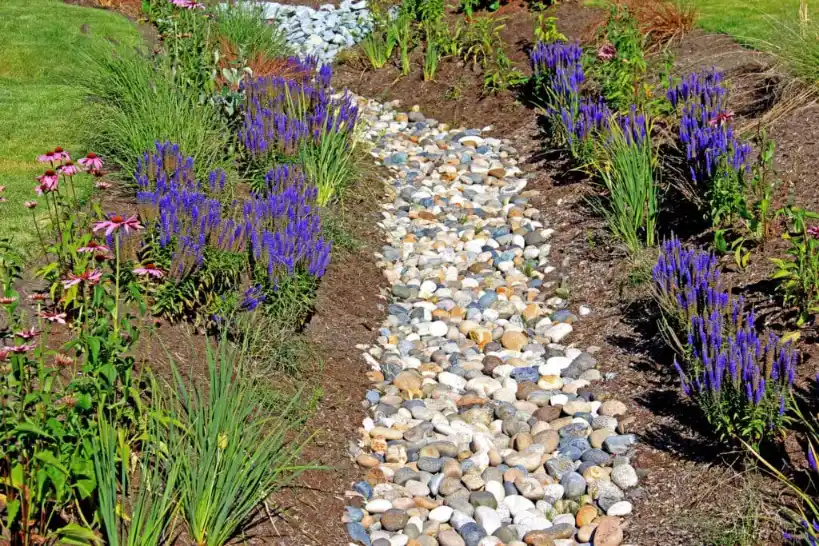
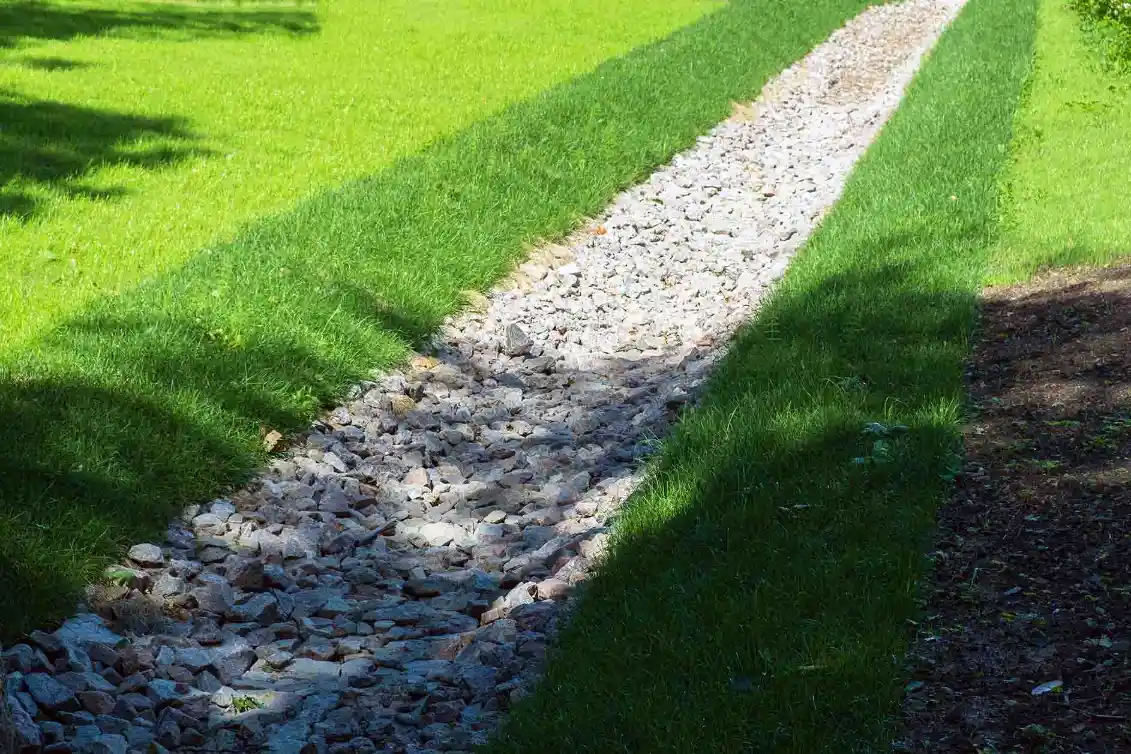
A french drain is a gravel-filled trench with a perforated pipe running through it. When water saturates your yard, it seeps into the gravel, enters the pipe through small holes, and flows downhill to a safe exit point, like a municipal storm drain, a dry well, or a low corner of your lot.
The entire system runs on gravity. No pumps, no electricity, no complicated mechanics. Just a smart underground path for water to follow away from your yard.
The system was invented by Henry Flagg French in the mid-1800s for agricultural drainage. Today, it remains the most widely used yard drainage solution for residential properties across the country. You can read more about its full history and design variations in this overview from NDS Pro.
6 Signs Your Yard Needs a French Drain
Not every wet yard needs a french drain. But if two or more of the following apply to you, you almost certainly do:
- Standing water remains in your yard for 24 to 48 hours after rain
- Your lawn feels spongy or soft even during dry stretches
- You notice moisture, dampness, or seepage in your basement or crawl space after storms
- Grass is yellowing or dying in patches that always seem to be wet
- Visible erosion channels have formed across your yard
- Water consistently pools near your home’s foundation after heavy rainfall
If those signs sound familiar, keep reading. You are in the right place.
Types of French Drains: Which One Is Right for Your Yard?
Not all french drains are the same. The right type depends on where your water is coming from and how serious the problem is.
Shallow Yard Drain vs. Deep French Drain
| Type | Depth | Best For | Avg. Professional Cost Per Linear Foot |
|---|---|---|---|
| Shallow Yard Drain | 8 to 18 inches | Surface water, soggy lawn, pooling after rain | $10 to $50 |
| Deep French Drain | 18 to 36 inches | High water table, foundation protection | $50 to $100+ |
A shallow yard drain handles the vast majority of standard yard flooding problems. A deep french drain is the right call when water is rising from below ground, not just pooling on the surface.
Curtain Drain: Stopping Water Before It Reaches You
A curtain drain is installed across a slope, uphill from your problem area. Its job is to intercept groundwater before it ever reaches your yard or foundation and redirect it safely around the perimeter.
Think of it as an underground wall that water hits and gets rerouted away from. This option works particularly well for yards that slope downward toward the home, or properties where runoff flows in from a neighboring lot.
Interior vs. Exterior French Drain
An exterior french drain goes in your yard to catch surface and groundwater before it threatens your home. An interior french drain is installed beneath the basement floor to manage water that has already entered the foundation.
For yard flooding specifically, an exterior french drain is the right solution. Interior drains are a separate discussion when basement waterproofing is the primary concern and they tend to cost significantly more due to the concrete work involved.
How to Install a French Drain for Yard Flooding (Step by Step)
Here is the full process, whether you are doing it yourself or just want to understand what a contractor will actually do on your property.
What You Will Need
- Perforated PVC or corrugated drain pipe (3 to 4 inch diameter is standard for residential use)
- Geotextile landscape fabric (the filter barrier that keeps soil from clogging the gravel)
- Clean washed drainage gravel or crushed stone (avoid fine pea gravel for the pipe bed)
- Trenching shovel or rented trenching machine
- A level or laser level to confirm your slope
- Marking paint or flags to trace your planned route
- Work gloves and safety glasses
The 7-Step Installation Process
Step 1. Plan your route. Identify where water consistently pools after rain. From there, trace the most natural downhill path toward your exit point. Your exit options include a storm drain, a dry well, or a low area of your lot where water can safely disperse.
Step 2. Call 811 before you touch a shovel. This is not optional. 811 is the national Call Before You Dig service in the United States. Call at least three business days before digging and utility companies will come out and mark any underground gas, water, or electrical lines on your property. Skipping this step can be dangerous and costly.
Step 3. Dig the trench. For a standard yard flooding fix, dig 10 to 18 inches wide and 8 to 24 inches deep. Maintain a consistent downhill slope from start to finish. See the section below on the 1% slope rule before you start digging.
Step 4. Line with geotextile filter fabric. Lay the fabric across the entire trench, pressing it into the sides and leaving enough overlap on both edges to fold over and cover the top at the end. This fabric is what keeps fine soil particles from migrating into your gravel and slowly clogging the system over the years.
Step 5. Add your gravel bed. Pour 2 to 3 inches of clean drainage gravel on top of the fabric at the bottom of the trench.
Step 6. Lay the perforated pipe. Place the pipe with the holes facing downward. Cover the pipe with more gravel until you are about 6 inches from the top of the trench.
Step 7. Fold, backfill, and test. Fold the excess fabric flaps over the top of the gravel to seal it. Backfill with topsoil and resod or reseed as needed. Then wait for the next rain to test the system.
The Critical 1% Slope Rule (Most DIY Drains Fail Here)
Here is the thing: a french drain only works if water can flow downhill through the pipe. If your pipe is even slightly flat, water will sit in it and the system does nothing.
The minimum slope required is 1%, which means the pipe needs to drop 1 inch in elevation for every 8 to 10 feet of length. Use a level and stakes across your entire planned route before you dig a single inch. If your yard does not have a consistent downhill grade from the problem area to your exit point, you may need to rethink the route or consider a sump pump system instead.
This one detail causes more french drain failures than anything else.
Does a French Drain Work in Clay Soil?
Yes, but clay soil requires a modified approach.
Clay particles are extremely small and tightly packed, which means water moves through clay very slowly. Standard french drain specs that work in sandy or loamy soil will underperform in clay-heavy yards without adjustments.
Before installing in clay soil, run a simple percolation test: dig a hole 18 inches deep, fill it with water, and see how long it takes to fully drain. If it takes several hours or the water is still sitting there after a day, you have a significant subsurface saturation issue and need a deeper system.
For clay soil installs:
- Dig the trench wider (at least 18 inches) and deeper than standard depth
- Wrap the pipe completely in geotextile fabric to prevent clay particles from migrating into the gravel
- Make sure your exit point is capable of handling the volume of water clay soil will redirect all at once
- Consider consulting a drainage professional before proceeding, especially if your yard is heavily clay-dominant
French Drain Cost for Yard Flooding: DIY vs. Professional Breakdown (2026)
Here is the honest numbers breakdown, using current 2026 data from Angi and HomeAdvisor.
DIY French Drain Cost
Going the DIY route means you are only paying for materials and equipment rental. Expect to spend approximately $5 to $50 per linear foot on materials alone, depending on pipe quality, gravel type, and fabric grade.
For a 50-foot shallow yard drain, that puts your material cost somewhere between $250 and $2,500.
Keep in mind:
- Trencher rental typically adds $200 to $400 per day
- Clay or rocky soil increases labor significantly
- Any permit fees are your responsibility to research and pay
Professional French Drain Installation Cost
Professional installation runs $10 to $100 per linear foot, with the national average total project cost sitting at approximately $9,250 according to HomeAdvisor. Here is how that breaks down by project scope:
| Project Scope | Typical Cost Range |
|---|---|
| 50-foot shallow yard drain | $500 to $5,000 |
| 100-foot standard installation | $1,000 to $10,000 |
| Full perimeter basement system | $5,000 to $18,000 |
For more cost detail by region and drain type, LawnLove’s 2026 cost guide is a solid reference.
DIY vs. Professional: Side by Side
| Factor | DIY | Professional |
|---|---|---|
| Upfront Cost | Lower | Higher |
| Skill Required | Intermediate | Handled for you |
| Error Risk | Higher | Lower |
| Permit Handling | Your responsibility | Often managed for you |
| Best For | Shallow yard drains | Deep systems, clay soil, near-foundation work |
French Drain Maintenance: Making It Last 30 to 40 Years
A well-built french drain is almost maintenance-free. But “almost” is doing real work in that sentence.
How Long Does a French Drain Last?
With proper installation and the right materials, a french drain typically lasts 30 to 40 years. The biggest factor in that lifespan is the geotextile filter fabric wrapped around the pipe and lining the trench. That fabric prevents soil particles from slowly infiltrating and clogging the gravel over time.
Without the fabric, some systems fail in as little as 5 to 10 years.
Clean drainage gravel (not pea gravel, not crushed limestone fines) also plays a big role. Use washed stone with no fine particles mixed in, and your system will stay clear far longer.
Signs Your French Drain Might Be Clogged
Watch for these warning signs:
- Water returning to spots that used to drain properly
- The pipe outlet is not flowing during or after heavy rain
- Drainage in previously dry areas is slowing down noticeably
If you notice these, the pipe may need to be flushed with a garden hose or cleared with a plumbing snake. In more serious cases, a section of the trench may need to be excavated and re-lined with fresh gravel and fabric.
Your Annual French Drain Maintenance Checklist
- Inspect the outlet after every significant storm to confirm water is flowing
- Clear any leaves, mulch, or debris that has accumulated over the drain path
- Look for tree roots growing near the pipe (a top cause of blockages in older systems)
- Consider a professional inspection every 2 to 3 years for a system near your foundation
Frequently Asked Questions About French Drains for Yard Flooding
How Deep Should a French Drain Be for Yard Flooding?
For most standard yard flooding problems, a depth of 8 to 24 inches is sufficient. Shallow drains in the 8 to 18 inch range handle surface water and soggy lawns effectively. Deeper drains are required when the issue involves a high water table or drainage close to your home’s foundation.
Can I Install a French Drain Myself, or Should I Hire a Pro?
A shallow yard drain is a manageable DIY weekend project if you have intermediate skills, access to a trencher, and a clear downhill slope to work with. But if your yard has clay-heavy soil, a complicated layout, or the drain needs to run close to your foundation, hiring a professional is a much safer investment. The cost of fixing a poorly installed system is almost always higher than getting it done right the first time.
How Long Does a French Drain Last?
A properly installed french drain with geotextile fabric and clean drainage gravel typically lasts 30 to 40 years. Skipping the filter fabric is the number one reason systems fail early.
Does a French Drain Work in Clay Soil?
Yes, with adjustments. Clay soil drains slowly, so the system needs a wider trench, proper fabric wrapping, and a capable exit point. Run a percolation test before installing to understand exactly how your soil behaves, and consider getting a professional opinion before committing to a full DIY install in heavily clay-dominated yards.
Will a French Drain Completely Stop Yard Flooding?
A properly installed french drain will significantly reduce or eliminate most yard flooding caused by poor surface drainage, saturated soil, and runoff accumulation. It is not designed for extreme flood events where water levels exceed the system’s capacity, or situations where the water table consistently sits above the pipe level. For those cases, additional measures like a sump pump or yard regrading may be needed.
Conclusion: Is a French Drain Right for Your Yard?
If your yard holds water after rain and takes more than a day to dry out, the answer is almost certainly yes.
Here is what this guide covered:
- A french drain routes water through a gravel-filled trench and perforated pipe using nothing but gravity
- Choose shallow for surface flooding, deep for high water table issues, and a curtain drain for intercepting slope runoff
- The 1% slope rule is the single most critical installation detail and the most common DIY failure point
- Professional installation for a 50-foot yard drain typically costs $500 to $5,000 in 2026
- With geotextile fabric and proper gravel, the system lasts 30 to 40 years with minimal upkeep
- Clay soil yards can absolutely use a french drain but require a wider trench, fabric wrapping, and a percolation test first
The first step is knowing what your specific yard drainage problem actually is. Not every soggy yard has the same cause, and not every french drain is installed the same way.
Ready to stop watching your yard flood? Get in touch with the GenLawn team for a free yard drainage assessment. Whether you want guidance on a DIY install or a professional to handle it start to finish, we can help you find the right fix for your specific yard.
Sources and Further Reading
- Angi: French Drain Cost Guide 2026
- HomeAdvisor: How Much Does a French Drain Cost?
- Bob Vila: French Drains 101
- NDS Pro: What Is a French Drain and How Does It Work?
- NDS Pro: French Drain Installation Guide
- Home Depot: How to Install a French Drain
- LawnLove: French Drain Cost 2026
- Call 811: Call Before You Dig (Official US Service)
- AmLeo: Clay Soil Drainage Guide
- DNREC Delaware: French Drain for Yard Flooding (Government Resource)
About Author
Khalid Fazal is a seasoned lawn care specialist and horticultural researcher with over 15 years of hands-on experience transforming challenging landscapes into lush, resilient green spaces. His journey didn’t start in a lab, but in a backyard full of stubborn, cracked clay that “experts” said would never grow a healthy blade of grass. Refusing to accept a yard full of dust, Khalid spent years experimenting with organic soil restoration and precise mulching, eventually turning that wasteland into a neighborhood showpiece on a shoestring budget.
From mastering core aeration techniques to optimizing soil pH for specialized turf varieties, Khalid’s approach combines old-school grit with modern agronomic science. He founded Gen Lawn to provide homeowners with honest, research-backed advice that prioritizes long-term soil health over quick-fix chemical solutions. When he isn’t analyzing soil profiles, he’s developing precision tools to help others achieve professional results without the professional price tag.
Cost of Synthetic Grass Per Square Foot (2026 Pricing Guide)
Table of Contents Home / By Khalid Fazal | Updated:...
Read More
Artificial Turf Installation Cost: $10-$20/sq ft [2026 Data]
Table of Contents Home / By Khalid Fazal | Updated:...
Read More
Soil Amendments for Lawn: Which One You Need (By Region)
Table of Contents Home / By Khalid Fazal | Updated:...
Read More
Topsoil vs Garden Soil: Which One to Buy [2026 Price Guide]
Table of Contents Home / By Khalid Fazal | Updated:...
Read More