
New Lawn Seed Watering Schedule: The Complete Week-by-Week Guide
Most new lawns don’t fail because of bad seed. They fail because of a watering schedule that’s either too aggressive, too lazy, or too inconsistent.
Here’s the thing: grass seed is forgiving about a lot of mistakes. It is not forgiving about water. Get the timing wrong for even a few days during germination, and you can watch weeks of prep work turn into a patchy, thin lawn.
This guide gives you the exact new lawn seed watering schedule to follow from the day you plant through the day your grass is fully established, plus how to adjust it for your climate, your grass type, and the tools you already have in your garage.
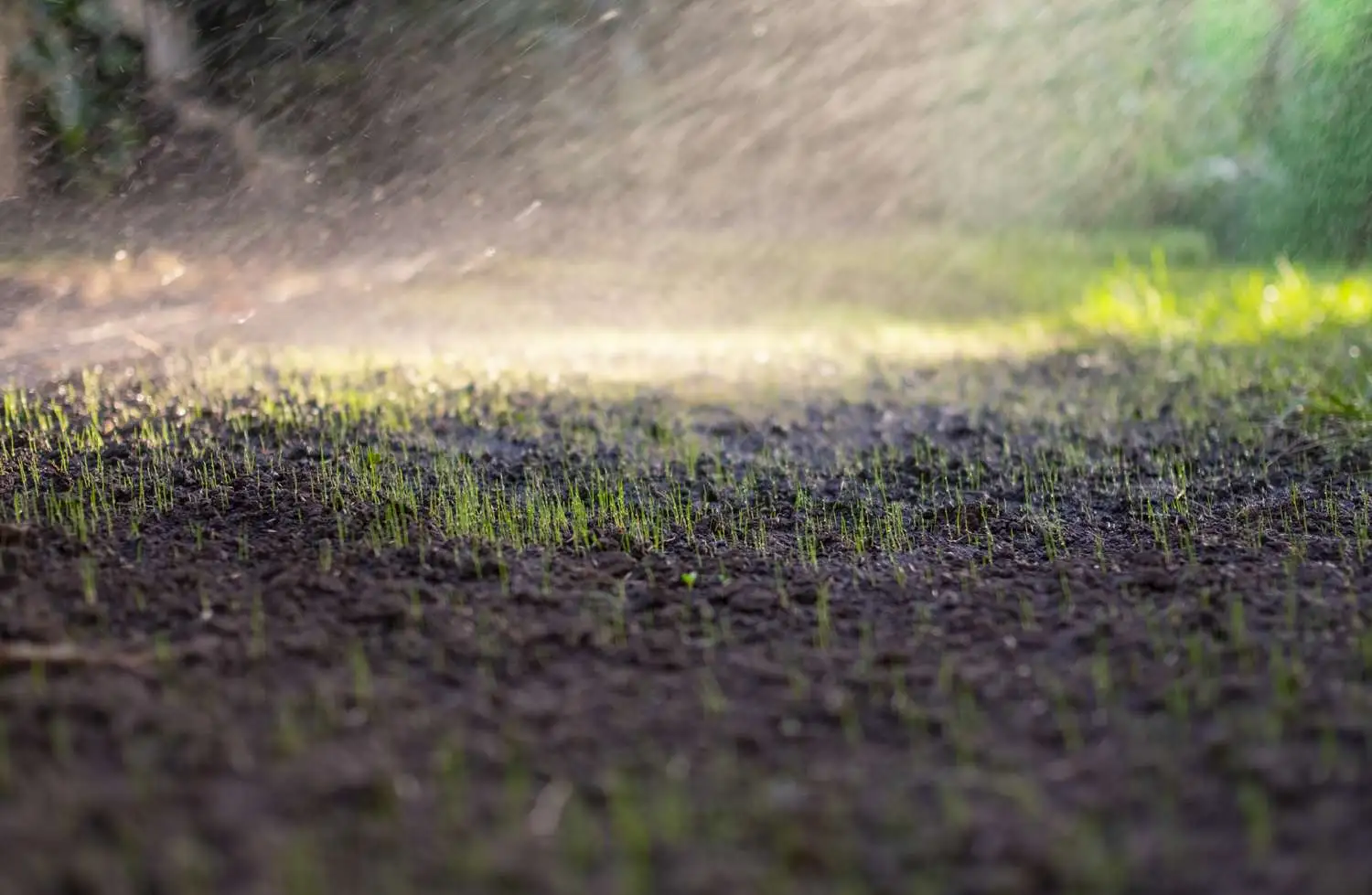
Quick-Answer New Lawn Seed Watering Schedule
If you only have 30 seconds, here’s the schedule in one table. The full breakdown, including why each phase matters and how to know when to move to the next one, follows below.
| Growth Stage | Timeframe | Watering Frequency | Depth / Amount |
|---|---|---|---|
| Germination | Days 1 to 14 | 2 to 4 short sessions per day | Top 1 to 1.5 inches of soil, moist but not soggy |
| Early establishment | Weeks 3 to 4 | 1 session per day (2 on hot, dry days) | Slightly deeper each time |
| Root development | Weeks 5 to 6 | 2 to 3 sessions per week | Soil moist to about 6 inches deep |
| Established lawn | Weeks 6 to 8 and beyond | 1 to 2 sessions per week | 1 to 1.5 inches total per week |
This matches the general guidance from the University of Maryland Extension and Purdue Extension, both of which recommend daily light watering for new seed before tapering off as the lawn matures.
Before You Start Your New Lawn Seed Watering Schedule (Pre-Seeding Prep)
Your watering schedule technically starts before the seed ever touches the ground.
Test Your Soil Moisture Before You Plant
Push a screwdriver into the soil where you plan to seed. If it slides in easily 6 to 8 inches deep, the ground has enough moisture to support germination. If it resists, water the area first.
This matters because dry soil pulls moisture away from seed sitting on the surface, which slows or stops germination entirely.
How to Pre-Water Your Seedbed the Right Way
A day or two before seeding, water the area until it’s moist several inches down, not soaking wet. You’re aiming for damp soil that holds together when you squeeze a handful, not standing water or mud.
Overwatering at this stage causes two problems: seed washes into clumps instead of spreading evenly, and puddled water can drown seed before it ever sprouts. The University of Maryland Extension’s guide to starting a new lawn covers soil prep in more depth if you’re also dealing with compacted or poor-quality soil.
If you’re seeding into an existing lawn rather than bare dirt, pairing this with the right nutrients matters just as much as water. Our guide to starter fertilizer for new grass seed walks through timing that pairs well with the schedule below.
The New Lawn Seed Watering Schedule: Week by Week
Weeks 1 to 2: The Germination Watering Schedule
This is the phase where most new lawns succeed or fail. Grass seed needs consistent moisture in the top inch or so of soil to germinate, and it can die if that layer dries out even once during the first two weeks.
Water lightly 2 to 4 times a day, for about 5 to 10 minutes each session, depending on your sprinkler’s output. The goal is to keep the top 1 to 1.5 inches of soil consistently damp without creating puddles or runoff.
Cool-season grasses like tall fescue and Kentucky bluegrass typically germinate within 1 to 2 weeks under this schedule. Warm-season grasses often take longer. Purdue Extension’s watering guide confirms this same two-to-four-times-daily frequency for new seedbeds, and the University of Maryland Extension notes that newly seeded lawns need daily watering, sometimes more than once, until seedlings reach about an inch tall.
If you’re not sure what “germination” actually looks like below the surface, Penn State Extension’s lawn establishment guide breaks down the process in plain terms.
Weeks 3 to 4: Transitioning Your New Lawn Seed Watering Schedule
Once you see uniform green sprouts across the area, it’s time to start easing off. Reduce watering to once a day, adding a second short session only on hot or dry days.
But wait, don’t rush this. Grass at this stage still has shallow roots and is vulnerable to drying out fast, especially in direct sun or wind. Watch the soil surface daily rather than sticking to a rigid clock.
Weeks 5 to 6: Deep Watering for Root Development
Here’s why this phase matters more than people expect: shallow, frequent watering trains roots to stay near the surface, which makes your lawn less drought-tolerant long term.
Cut back to 2 to 3 watering sessions per week, but water each one longer and deeper, aiming to moisten the soil down to about 6 inches. This encourages roots to chase the water downward, building the kind of root system that survives a hot July without babysitting.
Weeks 6 to 8 and Beyond: Switching to a Mature Lawn Watering Schedule
By week 6 to 8, most new lawns have rooted deeply enough to handle mowing and a standard watering routine. Shift to 1 to 1.5 inches of water total per week, split across 1 or 2 sessions, which matches typical mature lawn care regardless of grass type.
Best Time of Day and Tools for Your Watering Schedule
Morning vs. Evening: What’s Best for New Grass Seed
Water in the early morning, ideally before 10 a.m. Morning watering gives moisture time to soak in before the heat of the day causes evaporation, and it lets grass blades dry out before evening.
Avoid watering at night. Water sitting on grass overnight creates the exact damp, dark conditions that fungal diseases like brown patch and pythium blight thrive in. Jonathan Green’s watering guide makes this same point: morning and early afternoon sessions beat evening ones for new seed.
Sprinklers, Hoses, and Timers: Picking the Right Tool
For small patches, a watering can or hose-end sprayer on a fine mist setting gives you the most control and avoids blasting seed out of place. For larger lawns, an oscillating or impact sprinkler set on a repeating cycle does the job without you standing outside four times a day.
If you already have irrigation with a programmable timer, this is exactly the kind of task it was built for. Set it to run your 2 to 4 short cycles automatically for the first two weeks, then manually update the frequency as you move into each new phase above. A phone alarm works just as well if you’re watering by hand.
Signs Your Watering Schedule Needs Adjusting
Watch for these signs that you need to change course:
Overwatering signs:
- Standing water or visible puddling after each session
- A musty or sour smell coming from the soil
- Fuzzy, discolored patches, which can signal fungal growth
Underwatering signs:
- Seed sitting on top of dry, cracked soil after a few days
- Seedlings that sprout, then wilt or yellow within days
- Soil that looks pale and dusty rather than dark and damp
Pennington’s watering guide points out that grass can genuinely drown from too much water, since saturated soil cuts off the oxygen roots need. Both extremes are avoidable if you’re checking the soil daily during the first two weeks.
Adjusting Your New Lawn Seed Watering Schedule by Grass Type and Climate
A schedule that works for a Minnesota lawn in September won’t work the same way for a lawn in Texas in June. Adjust for these two factors before locking in your routine.
Cool-Season vs. Warm-Season Grass Watering Needs
Cool-season grasses (tall fescue, Kentucky bluegrass, perennial ryegrass) usually germinate within 1 to 2 weeks and can move through the schedule above at a fairly predictable pace.
Warm-season grasses (Bermuda, zoysia, centipede) often take 2 to 4 weeks to germinate and need that frequent, light watering routine held a bit longer before you transition. If you’re not sure which category your grass falls into, University of Illinois Extension’s breakdown of warm-season vs. cool-season grasses explains the difference clearly, including why the timing varies so much between the two.
Hot, Dry Climates vs. Humid Regions
In hot, dry, or windy climates, soil moisture disappears faster, so you may need to water more frequently within the same phase, even 4 to 5 short sessions a day during germination in extreme heat.
In humid or rainy regions, rainfall can cover part of your schedule for you. Skip a scheduled watering if it’s rained enough to keep the top inch of soil moist, and watch more closely for the overwatering signs above since excess moisture lingers longer in humid air.
Your general region matters too. Checking your USDA Plant Hardiness Zone gives you a quick baseline for your typical climate conditions, though your local Cooperative Extension office will always have the most specific advice for your exact area.
Frequently Asked Questions About Watering New Grass Seed
How long should I follow a new lawn seed watering schedule before switching to normal watering?
Most lawns are ready to switch to a standard mature watering routine around week 6 to 8, once the grass has been mowed two or three times and roots have grown several inches deep. Warm-season grass or cooler climates can push that timeline slightly longer.
What’s the best watering schedule for grass seed germination?
Light, frequent watering wins here: 2 to 4 sessions a day, 5 to 10 minutes each, keeping the top 1 to 1.5 inches of soil consistently moist without pooling water. Consistency matters more than the exact number of sessions.
Can you overwater new grass seed on a strict watering schedule?
Yes. A rigid schedule that ignores rainfall or soil conditions can easily lead to soggy soil, seed rot, or fungal disease. Check the soil before every session rather than watering purely by the clock.
What happens if I miss a day on my new lawn seed watering schedule?
During the first two weeks, missing even one day in hot weather can dry out and kill ungerminated seed. Once seedlings are established (weeks 3 and beyond), a single missed day is usually recoverable with a longer session the next time.
Should I water new grass seed at night or in the morning?
Morning, ideally before 10 a.m. Nighttime watering leaves grass blades wet for hours, which raises the risk of fungal disease taking hold in your new lawn.
Key Takeaways
- Pre-water your seedbed a day or two before planting so it’s moist several inches down, not soaked
- Weeks 1 to 2: water lightly 2 to 4 times a day to keep the top inch of soil moist during germination
- Weeks 3 to 6: taper down to once daily, then 2 to 3 times a week as roots grow deeper
- Weeks 6 to 8 and beyond: shift to a standard 1 to 1.5 inch weekly routine like any mature lawn
- Adjust every phase for your grass type, climate, and actual rainfall instead of following the clock blindly
Print this schedule or save it to your phone, and set a reminder for the first two weeks specifically since that’s the window where most new lawns are won or lost. Pair it with the right starter fertilizer and you’ve covered both halves of what new grass actually needs to establish well.
About Author
Khalid Fazal is a seasoned lawn care specialist and horticultural researcher with over 15 years of hands-on experience transforming challenging landscapes into lush, resilient green spaces. His journey didn’t start in a lab, but in a backyard full of stubborn, cracked clay that “experts” said would never grow a healthy blade of grass. Refusing to accept a yard full of dust, Khalid spent years experimenting with organic soil restoration and precise mulching, eventually turning that wasteland into a neighborhood showpiece on a shoestring budget.
From mastering core aeration techniques to optimizing soil pH for specialized turf varieties, Khalid’s approach combines old-school grit with modern agronomic science. He founded Gen Lawn to provide homeowners with honest, research-backed advice that prioritizes long-term soil health over quick-fix chemical solutions. When he isn’t analyzing soil profiles, he’s developing precision tools to help others achieve professional results without the professional price tag.

Drought Resistant Grasses for Lawns [8 Picks by US Region]
Table of Contents Home / By Khalid Fazal | Updated:...
Read More
Shade Tolerant Grass: 7 Best Types by Region [Sun Hours]
Table of Contents Home / By Khalid Fazal | Updated:...
Read More
7 Types of Cool Season Grass: Best Picks by Region [2026]
Table of Contents Home / By Khalid Fazal | Updated:...
Read More
Warm Season Grass Types: 7 Best Picks by US Region [2026]
Table of Contents Home / By Khalid Fazal | Updated:...
Read More