
When to Cut Pampas Grass — Timing by Region, Visual Cues & Safe Pruning Tips
The short answer: cut pampas grass in late winter to early spring — ideally between February and April — after the last frost but before new green shoots reach 4–6 inches tall.
Miss that window and you’re either exposing the plant’s crown to frost damage or slicing straight through new growth. Both set your pampas grass back by months — and can cut plume production for the entire season.
Here’s everything you need to know: the right timing by US region, the visual cues that tell you the plant is actually ready, how to cut safely without injuring yourself, and what to do after the cutting is done.
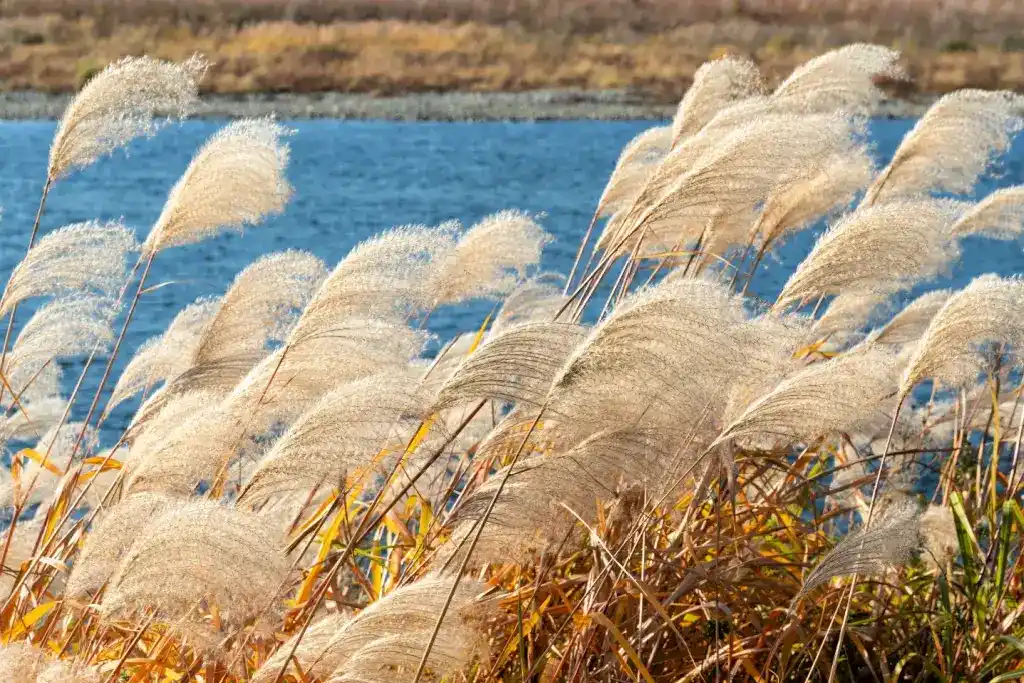
The Right Time to Cut Pampas Grass (By US Region)
There’s no single cut date for every yard in America. Pampas grass (Cortaderia selloana) is sensitive to frost, which means your pruning window depends almost entirely on your local climate.
The fastest way to find your zone: check the USDA Plant Hardiness Zone Map. This free USDA tool maps every US region to a zone number based on average winter temperatures — the same reference used by lawn care professionals nationwide.
Warm Climates — USDA Zones 8–11 (Texas, Florida, California)
If you’re in the South or along the West Coast, your frost window closes early. You can start cutting late February to early March — before strong new growth gets established. States in this zone include Texas, Florida, Georgia, Arizona, Louisiana, and Southern California.
Moderate Climates — USDA Zones 7–8
Aim for March, but watch for frost-free nights before you start. Most of Virginia, North Carolina, Tennessee, and the Pacific Northwest fall here.
Cold Climates — Zone 6 and Below (Illinois, New York, and North)
In colder states, patience is everything. Hold off until late March to early April — specifically when nighttime temperatures consistently stay above 45°F (7°C). Cutting before that risks frost damage to the freshly exposed crown.
Not sure when your last frost is? Use the Old Farmer’s Almanac Frost Date Calculator — enter your zip code and it gives you the exact safe window in seconds.
Quick Reference: Pampas Grass Cutting Window by Region
Region | USDA Zones | Cutting Window |
Warm (South / West Coast) | Zones 8–11 | Late February – Early March |
Moderate (Mid-Atlantic / PNW) | Zones 7–8 | March |
Cold (North / Midwest) | Zone 6 and below | Late March – April |
How to Tell It’s Time — Visual Cues to Watch For
Don’t just watch the calendar — watch the plant. Weather shifts year to year. A warm February in Chicago is a completely different story from a cold March in Atlanta.
Instead of going by date alone, look for all three of these signals before you reach for the shears:
- New green shoots are 4–6 inches tall at the base of the clump
- No frost in the 10-day forecast (check Weather.gov for your area)
- Outer leaves are brown and dead, but the base is pushing clear green growth
When all three line up, that’s your green light. If the shoots haven’t appeared yet, give it another week and check again. Rushing this is where most homeowners go wrong.
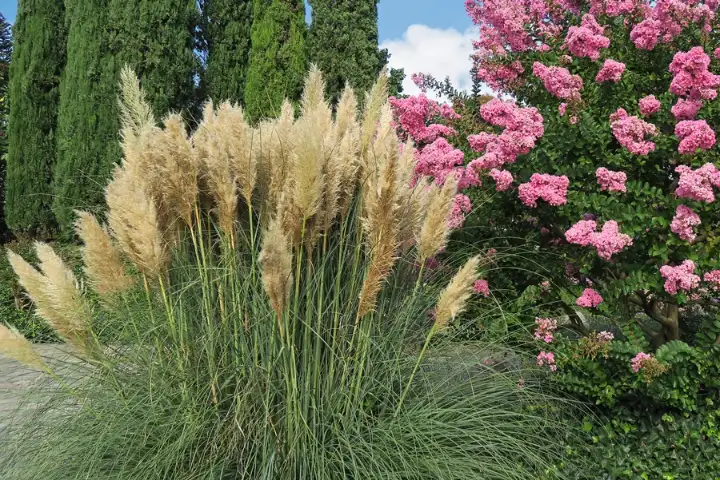
Why Timing Matters — What Happens If You Cut at the Wrong Time
This section is worth reading slowly. Timing isn’t just about aesthetics — it directly determines whether the plant survives and thrives, or struggles all season.
Cutting Too Early
Pampas grass stores its energy reserves in its crown — the dense base where the root system meets the stems. In winter, the tall dry foliage acts as a natural insulating layer protecting that crown. Cut too early and you strip that protection away.
A late frost can then freeze the exposed crown, causing rot and — in serious cases — killing the plant. The Royal Horticultural Society specifically recommends leaving the foliage standing through winter for exactly this reason.
Cutting Too Late
Wait too long and your shears go straight through fresh new growth — the exact growth the plant spent all winter preparing. This sets back regrowth by weeks, weakens the plant overall, and can significantly reduce the number of plumes you see come summer.
Cutting in Fall
This is the most common mistake homeowners make. It feels logical — you’re tidying the garden before winter, so why not cut the grass too? Here’s why not:
Pampas grass stems are hollow inside. Cut them in fall and rainwater flows straight in, pools at the base, and freezes as temperatures drop. That internal freeze damages the plant from the inside out. The Arkansas Cooperative Extension Service is explicit: cut before new growth begins — not before winter starts.
How to Cut Pampas Grass Safely — Tools and Technique
Pampas grass is not a plant you handle casually. The leaves have razor-sharp edges and some varieties carry tiny barbs along the blade. Every season, homeowners end up with serious lacerations from skipping the safety step. Don’t skip it.
What to Wear (Non-Negotiable)
- Thick leather gloves — fabric or thin rubber will not protect you
- Long-sleeved shirt or jacket — no exposed skin on your arms
- Safety glasses or goggles — fine leaf fragments fly when cutting
- Long pants — protect your legs from the base of the clump
Tools by Clump Size
Gardening Know How recommends long-handled loppers for most home situations, with a chainsaw reserved for large overgrown clumps. Here’s the full breakdown:
Clump Size | Best Tool |
Under 3 ft (small / young plant) | Hand shears or loppers |
3–6 ft (established clump) | Electric hedge trimmer or heavy-duty garden shears |
6 ft+ (overgrown / large) | Chainsaw or reciprocating saw (use a helper) |
The Twine Trick + Step-by-Step Cutting Method
- Tie the grass first. Bundle the leaves into a tight column with twine or a bungee cord before cutting. This keeps everything controlled, reduces mess, and makes cleanup far easier.
- Check for critters. Poke around the base with a long stick before cutting. Small mammals — rabbits, field mice, even birds — sometimes nest inside pampas grass over winter. Give them a chance to exit safely.
- Cut evenly around the clump, working in sections. Target 6–8 inches above ground — not flush with the soil.
- Dispose of clippings carefully. Cut pampas leaves remain razor-sharp. Bag securely or compost if local rules allow. In wildfire-prone areas, check Fire Safe Marin’s pampas grass fire guide before leaving dry material around the yard.
After the Cut — What to Do Next
You’re not finished once the cutting stops. What you do in the 24–48 hours after determines how strong the summer regrowth will be.
Step 1: Clear debris. Remove all clippings and old leaf material from around the base. Dead leaves trap moisture and block light — exactly the wrong conditions for emerging new shoots.
Step 2: Apply fertilizer. Broadcast a balanced 8-8-8 or 10-10-10 fertilizer around the base of the plant. The numbers refer to the percentage of nitrogen, phosphorus, and potassium (NPK) — each plays a role in root strength and shoot recovery. Apply roughly 2 lbs per 100 sq ft.
Step 3: Water moderately. Keep the soil consistently moist but not waterlogged. Pampas grass is drought-tolerant once established — overwatering right after cutting does more harm than drought.
What to expect: New shoots typically appear within 6–8 weeks. By midsummer the plant should be back to full height, with plumes developing through late summer and peaking in fall.Common Mistakes When Cutting Pampas Grass
- Cutting in fall → Tie the foliage upright instead and leave it standing as winter insulation.
- Skipping safety gear → Pampas grass cuts are serious. Gloves, long sleeves, and glasses — every time, no exceptions.
- Cutting too low → Stay above 4 inches. Going lower risks damaging the crown’s growing points and significantly slows regrowth.
- Ignoring side clumps → Pampas grass throws off smaller satellite clumps nearby. Remove them at pruning time before they spread.
- Using blunt tools → Blunt blades shred rather than cut cleanly. Shredded stems invite disease. The RHS has a simple tool care guide worth a read before the season starts.
Frequently Asked Questions About Cutting Pampas Grass
When should you cut pampas grass in winter?
You shouldn’t — not in the middle of winter. The dry foliage acts as a natural insulating layer protecting the crown from freezing temperatures. Wait until late winter or early spring, once your local last frost date has passed. If heavy snow or ice flattens the plant, gently tie it upright with string rather than cutting it back early.
How do you cut pampas grass without killing it?
Trim to 6–8 inches above ground using sharp loppers or a hedge trimmer. Always wait until new green shoots are just starting to appear at the base — that’s the indicator the plant is ready. Avoid cutting into the crown itself, and apply a balanced fertilizer immediately after to support recovery.
What happens if you never cut pampas grass?
The plant becomes progressively denser, traps moisture, and grows more prone to internal rot and fungal issues. Plume production drops noticeably year over year. According to Gardening Know How, skipping pruning over multiple years can cause the centre of the clump to die back entirely — leaving a hollow, donut-shaped plant that no longer flowers.
How far back should you cut pampas grass?
Cut to 6–8 inches (15–20 cm) above soil level. This removes dead growth while keeping the crown protected. Avoid cutting below 4 inches — that risks damaging the growing points and can significantly delay regrowth into summer.
Can you trim pampas grass in summer?
Light trimming — removing dead outer leaves or tidying the edges — is fine in summer. But avoid a full hard cutback. A major cut during the growing season shocks the plant and interrupts plume development for that year. Save hard pruning for late winter to early spring, and only tidy in summer when genuinely needed.
Key Takeaways
- Cut in late winter to early spring — after the last frost, before shoots hit 4–6 inches
- Watch the plant, not just the calendar — visual cues are your most reliable trigger
- Never cut in fall — hollow stems trap water and freeze from the inside
- Cut to 6–8 inches — never below 4 inches from the ground
- Follow up with balanced fertilizer and moderate watering for strong summer regrowth
References & Further Reading
USDA Plant Hardiness Zone Map — US Department of Agriculture
Old Farmer’s Almanac — Frost Date Calculator — Find your last frost date by zip code
Royal Horticultural Society — Cutting Back Ornamental Grasses
Gardening Know How — Pruning Pampas Grass
Arkansas Cooperative Extension Service — Pampas Grass Pruning
University of Illinois Extension — Understanding Fertilizer NPK
Fire Safe Marin — The Hidden Fire Risk of Pampas Grass
Plantura — Pruning Pampas Grass: When & How
About Author
Khalid Fazal is a seasoned lawn care specialist and horticultural researcher with over 15 years of hands-on experience transforming challenging landscapes into lush, resilient green spaces. His journey didn’t start in a lab, but in a backyard full of stubborn, cracked clay that “experts” said would never grow a healthy blade of grass. Refusing to accept a yard full of dust, Khalid spent years experimenting with organic soil restoration and precise mulching—eventually turning that wasteland into a neighborhood showpiece on a shoestring budget.
From mastering core aeration techniques to optimizing soil pH for specialized turf varieties, Khalid’s approach combines old-school grit with modern agronomic science. He founded Gen Lawn to provide homeowners with honest, research-backed advice that prioritizes long-term soil health over quick-fix chemical solutions. When he isn’t analyzing soil profiles, he’s developing precision tools to help others achieve professional results without the professional price tag.

Lawn Winterizer: When to Apply by Grass & Region [2026]
Table of Contents Home / By Khalid Fazal | Updated:...
Read More
Spring Lawn Care: What to Do and When in Every US Region
Table of Contents Home / By Khalid Fazal | Updated:...
Read More
Lawn Maintenance Checklist by Season and Grass Type (2026)
Table of Contents Home / By Khalid Fazal | Updated:...
Read More
Liquid Fertilizer vs Granular Fertilizer: Which Wins?
Table of Contents Home / By Khalid Fazal | Updated:...
Read More