
What Is Hardscaping? A Complete Guide for US Homeowners
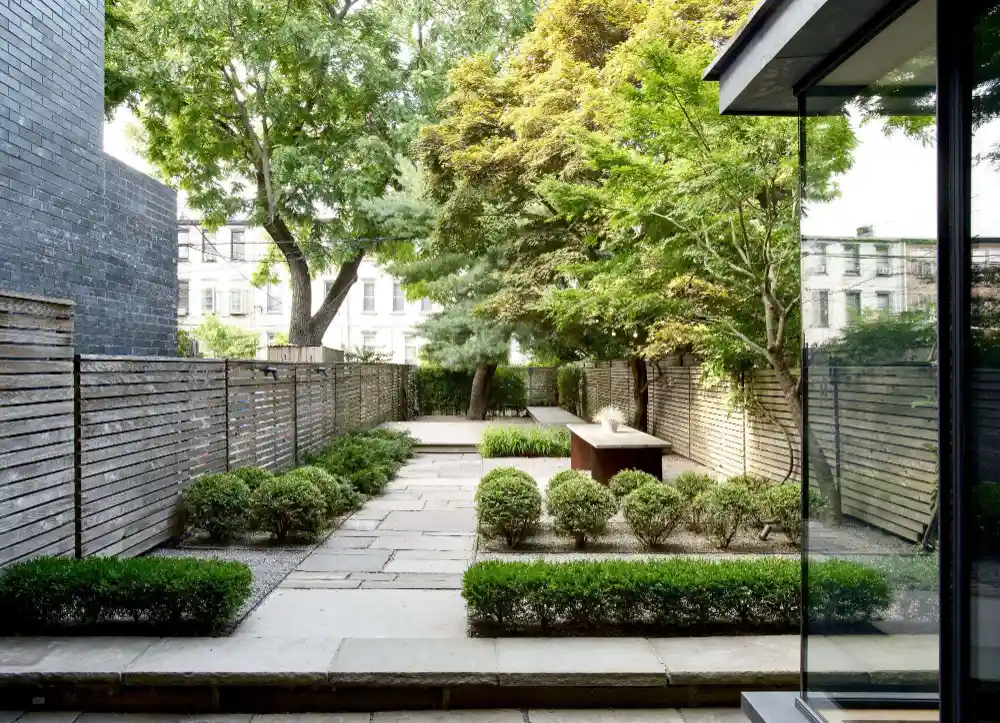
Hardscaping is the use of non-living, structural materials to design and organize your outdoor space. Patios, walkways, driveways, retaining walls, and fire pits all fall under this category. These are the hard elements that give your yard its structure, function, and shape.
Here is the thing: you have probably been living around hardscaping your entire life without knowing what to call it. That concrete path to your front door? Hardscaping. The brick patio in your neighbor’s backyard? Hardscaping. Even a gravel driveway down the street counts.
Understanding what hardscaping is helps you make smarter decisions before starting any outdoor project, whether you are planning a weekend DIY or getting quotes from local contractors.
In this guide, you will learn exactly what hardscaping includes, the most popular types, the real benefits and costs, and how to get started the right way.
What Is Hardscaping? The Simple Definition
Hardscaping refers to the non-living, structural components of a landscape design. These are permanent or semi-permanent features built from materials like stone, concrete, brick, wood, or gravel. They give your outdoor space its framework and shape.
The term was first used in the early 1970s by landscape professionals to distinguish non-living design elements from living ones. Today, it is one of the most searched terms by homeowners planning outdoor upgrades across the US.
Simple rule: if it is hard underfoot and it does not grow, it is hardscaping.
Hardscaping vs. Softscaping: What Is the Difference?
Outdoor design is split into two categories: hardscaping and softscaping. Understanding both helps you plan a balanced, functional yard.
| Feature | Hardscaping | Softscaping |
|---|---|---|
| Definition | Non-living structural elements | Living, organic elements |
| Examples | Patios, walls, driveways, paths | Grass, trees, shrubs, flowers |
| Maintenance | Low, periodic cleaning | Regular watering, mowing, trimming |
| Lifespan | 20 to 50+ years | Varies by plant and season |
| Cost | Higher upfront | Lower upfront, ongoing costs |
| Primary role | Structure, function, and flow | Aesthetics, color, and life |
The best outdoor spaces combine both. Hardscaping creates the bones. Softscaping adds the beauty. For a deeper look at how they work together, read our complete guide on what landscaping actually is.
Why Every Great Yard Needs a Hardscaping Foundation
Without hardscaping, even a lush yard can feel disorganized and difficult to use. Try hosting guests with no patio. Or walking through a muddy backyard after rain with no path. Not ideal.
Hardscaping solves those problems. It defines spaces, guides movement, and turns a raw yard into a place people actually use and enjoy. According to real estate experts and industry studies, well-executed hardscaping can boost home value by 15 to 20 percent. That makes it one of the smartest investments a homeowner can make.
Common Types of Hardscaping for Your Outdoor Space
Hardscaping covers a wide range of features. Some are purely functional. Others are purely aesthetic. Most do both.
Here are the most popular types you will encounter as a homeowner:
Patios and Outdoor Living Areas
A patio is the cornerstone of most hardscape designs. It creates a defined outdoor living space that is perfect for dining, entertaining, or relaxing.
Popular patio materials include:
- Concrete pavers: Durable, affordable, and highly versatile in design and layout
- Natural stone: Flagstone, slate, or travertine for a premium, timeless look
- Poured concrete: Clean lines, smooth finish, and cost-effective for large areas
- Brick: Classic warmth, excellent durability, and long service life
Pavers, in particular, are a favorite because they can be arranged in patterns and replaced individually if one cracks or shifts. For help deciding between surface material types for different yard areas, check our guide on mulch or stone for landscaping.
Walkways, Driveways, and Pathways
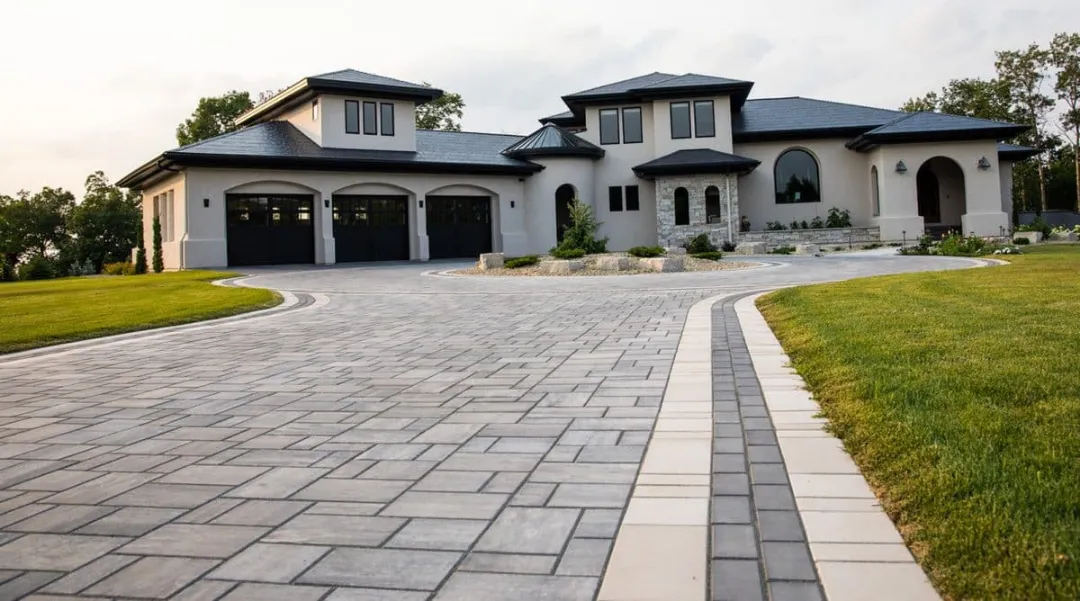
Walkways and paths do two things at once: they improve function and instantly boost curb appeal.
A well-designed walkway guides visitors naturally from the street to your front door. A properly built driveway handles vehicle loads without cracking or shifting. Both leave a lasting first impression on anyone who visits your home.
Common materials for paths include pavers, crushed gravel, stepping stones, and poured concrete. For creative ways to frame your driveway and its edges, explore our driveway entry landscape ideas and landscaping ideas for driveway borders.
For a softer, more natural look in garden pathways specifically, our mulch for garden paths guide covers which materials work best and why.
Retaining Walls and Garden Borders
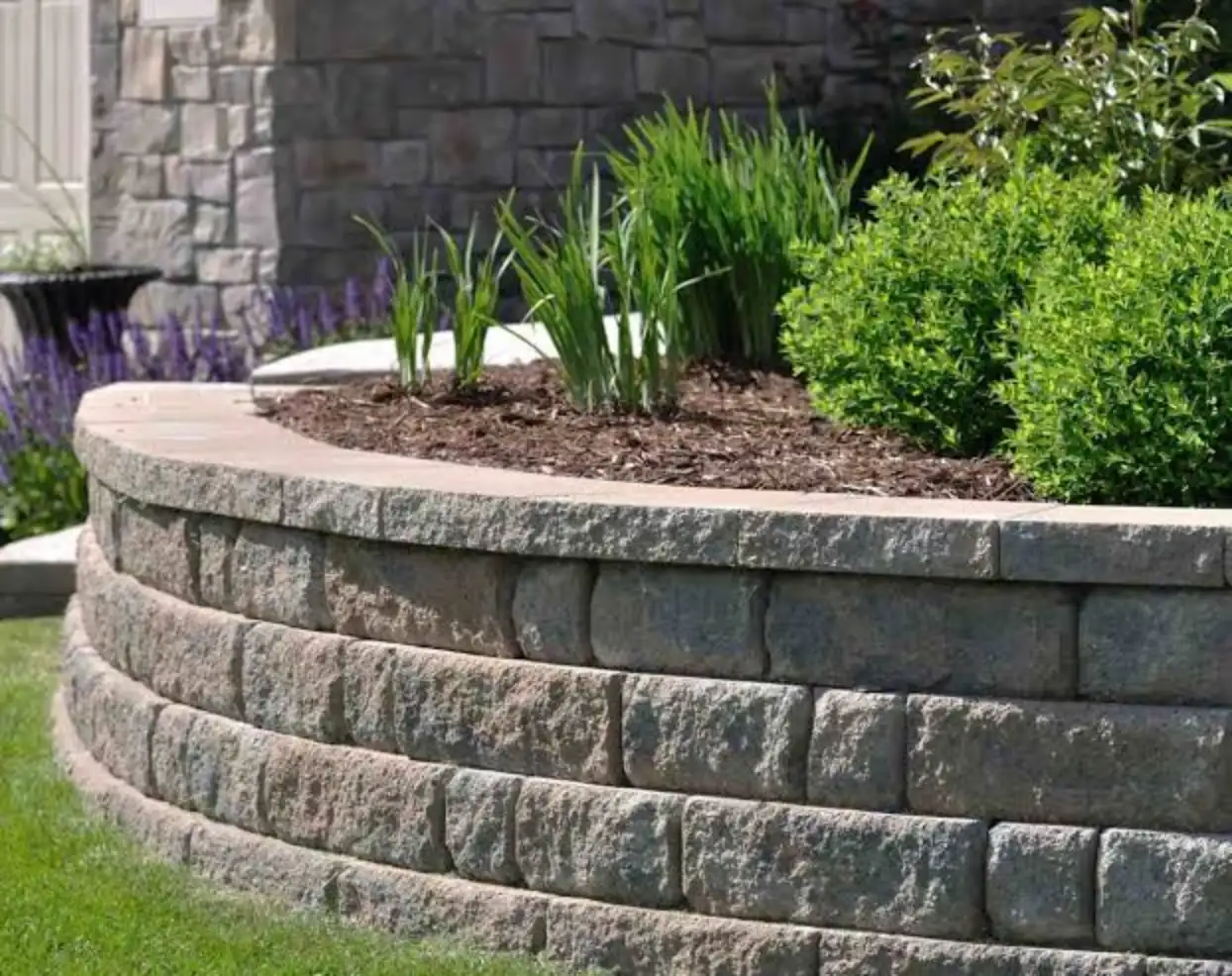
Retaining walls are one of the most functional hardscape features you can install. They hold back soil on sloped properties, prevent erosion, and create level usable areas where there were none before.
But they are also one of the most visually powerful elements in a yard. A tiered retaining wall system can transform a plain, unusable hill into a beautiful series of garden beds and terraced spaces.
Materials range from natural stone and concrete blocks to timber and gabion walls (wire baskets filled with rock). If you are dealing with a sloped yard specifically, our guide on backyard landscaping ideas for sloped yards is an essential companion read.
For smaller edging and border work, browse our 15 landscape edging ideas guide for practical options at every budget.
Fire Pits, Water Features, and Outdoor Structures
These are the wow-factor elements that turn a yard into a destination.
Built-in fire pits create a natural gathering point and extend the use of your outdoor space well into cooler months. Water features like fountains, ponds, and cascades add sound and movement that make a yard feel alive. Pergolas, arbors, outdoor kitchens, and shade structures push your living space well beyond four walls.
This category is where hardscaping starts to feel less like construction and more like interior design for the outdoors.
What Are the Benefits of Hardscaping?
There is a reason hardscaping demand in the US is projected to grow to $5.1 billion by 2028, according to ResearchAndMarkets. Homeowners across the country are investing in it because the benefits are real and lasting.
Low Maintenance Compared to Traditional Lawn Care
This is one of the biggest selling points for busy homeowners. Once installed, hardscape features require very little ongoing attention compared to a lawn or garden.
No weekly mowing. No watering schedule. No seasonal replanting. A patio needs an occasional rinse or pressure wash. A stone path stays in place through every season without intervention.
According to Angi, hardscaping maintenance typically runs just 5 to 10 percent of the installation cost per year. That is far less than what most homeowners spend keeping a lawn healthy.
Adds Real Dollar Value to Your Home
Here is where hardscaping gets genuinely exciting for homeowners thinking long-term.
Data from the Journal of Light Construction (2024) shows that a new wood deck returns an average of 82.9 percent of its cost at resale. Composite decks return 68.2 percent. Patios deliver 55 to 80 percent ROI (return on investment). Fire pits return 67 to 80 percent.
Across all hardscaping projects, Angi reports that the right project yields a 20 to 30 percent return on investment. Well-executed hardscaping can increase your property’s total value by 15 to 20 percent overall.
Your backyard patio is not just a place to sit. It is a financial asset.
Improves Drainage and Controls Erosion
This benefit often gets overlooked, but it is critically important, especially for homes on sloped lots or in areas with heavy seasonal rainfall.
Properly designed hardscaping directs water away from your home’s foundation and prevents soil erosion. Retaining walls hold slopes in place. Permeable pavers, which allow water to filter through the surface rather than run off, reduce runoff and help manage storm water naturally.
Poor drainage is one of the top causes of foundation damage. Getting hardscaping right is about protecting your entire home, not just improving its appearance.
How Much Does Hardscaping Cost in the US? (2026 Data)
Cost is one of the most common questions homeowners have before starting a project, and for good reason. Hardscaping is a real investment, and knowing what to expect keeps budgets from going sideways.
Here is a breakdown of current US market pricing:
Hardscaping Cost by Project Type
| Project Type | Installed Cost (US Average) |
|---|---|
| Gravel pathway | $1 to $3 per sq ft |
| Concrete patio | $6 to $15 per sq ft |
| Paver patio | $12 to $25 per sq ft |
| Flagstone patio | $18 to $35 per sq ft |
| Walkways (pavers or stone) | $10 to $30 per sq ft |
| Retaining wall | $20 to $50 per sq ft |
| Concrete driveway | $8 to $20 per sq ft |
| Built-in fire pit | $700 to $2,500 total |
| Outdoor kitchen | $100 to $300+ per sq ft |
Small projects (gravel paths, small patios): $2,000 to $7,000
Mid-range projects (paver patios, retaining walls): $8,000 to $15,000
High-end projects (natural stone, outdoor kitchens): $20,000 to $50,000+
Source: Angi 2026 Hardscaping Cost Guide
Prices shift based on your location, site conditions, material choices, and local labor rates. Always collect at least three quotes from licensed local contractors before committing to any project.
DIY vs. Hiring a Local Hardscaping Contractor
Some hardscaping projects are genuinely DIY-friendly. Laying a gravel path, installing basic paver stepping stones, or setting up a simple fire pit ring are all within reach for a motivated homeowner with a free weekend and the right tools.
But here is the honest truth: the most common reason hardscapes fail early is poor base preparation. Proper excavation, sub-base compaction, and drainage are not optional steps. They are what separates a patio that lasts 30 years from one that cracks and shifts within five.
For anything involving concrete, walls over two feet tall, significant grading, or drainage work, hire a licensed local hardscaping contractor. A pro will also handle permit requirements, which most US municipalities require for permanent installations.
Pro tip: Scheduling your project during the off-season (November through February) can save you 5 to 15 percent on labor, as many contractors offer discounts to fill their winter calendars.
How to Plan Your First Hardscaping Project
Ready to move forward? Here is a clear, simple process that keeps first-time projects on track and on budget:
- Define your goal. Are you solving a problem such as drainage, erosion, or a lack of usable space? Or are you adding a lifestyle feature like a patio, fire pit, or outdoor kitchen? Knowing your primary goal shapes every decision that follows.
- Assess your yard. Look at slope, drainage patterns, soil type, and sun exposure. These factors determine what materials will perform best and what structural work may be needed underneath.
- Set a realistic budget. Use the cost table above as a starting point. Add a 10 to 15 percent buffer for surprises, because there are almost always surprises once excavation starts.
- Get multiple quotes. Contact at least three licensed local contractors. Compare scope, materials, timeline, and warranty terms, not just the bottom-line price.
- Check permit requirements. Your local municipality may require building permits for permanent structures. Your contractor should know the rules, but always verify independently.
- Think about how hardscaping and softscaping will work together. The best outdoor spaces integrate both. Plan where plants, grass, mulch beds, and edging will live alongside your new hardscape features.
For edging and mulching ideas that complement hardscape elements beautifully, our edging and mulching complete guide is a practical next step.
Frequently Asked Questions About Hardscaping
What is hardscaping in landscaping?
Hardscaping is the non-living side of landscape design. It includes any permanent or semi-permanent feature made from hard materials like stone, concrete, brick, or wood. Common examples include patios, driveways, walkways, retaining walls, fire pits, and outdoor kitchens. It gives your landscape the structure and function it needs to work well year-round.
What are some common examples of hardscaping?
Some of the most common examples include paver patios, concrete driveways, stone walkways, retaining walls, garden borders, built-in fire pits, water features, pergolas, outdoor kitchens, and decorative stepping stones. If it is in your yard, is not alive, and is made from a hard material, it is almost certainly hardscaping.
Is a fence considered hardscaping?
Yes. Fences are considered hardscaping because they are non-living structures made from durable materials like wood, vinyl, metal, or composite. They define boundaries, add privacy, and contribute to the overall framework of your outdoor space, which is exactly what hardscaping does.
What is the difference between hardscaping and landscaping?
Landscaping is the broad term that covers all outdoor design, including both living and non-living elements. Hardscaping is specifically the non-living, structural side: patios, walls, paths, and driveways. Softscaping covers everything that grows: trees, grass, shrubs, and flower beds. A well-designed yard uses both thoughtfully. To go deeper on this, read our full what is landscaping guide.
How long does hardscaping last?
With proper installation and basic maintenance, most hardscape features last 20 to 50 years or more. The single biggest factor is the foundation. A well-prepared compacted gravel sub-base with proper drainage is what makes a hardscape last decades. Poor base preparation is the number one reason hardscapes fail early.
Final Thoughts
Hardscaping is the foundation of any great outdoor space. It is what transforms a raw, underused yard into a place where life actually happens: morning coffee on the patio, evening fires in the backyard, safe paths for kids and guests year-round.
Here is a quick summary of what to take from this guide:
- Hardscaping covers all non-living structural elements in your landscape design
- Common types include patios, walkways, driveways, retaining walls, and outdoor living features
- It requires far less ongoing maintenance than traditional lawn and garden care
- Well-executed hardscaping adds 15 to 20 percent to your home’s value on average
- Project costs range from $2,000 for small paths all the way to $50,000+ for full outdoor living spaces
- Proper base preparation is the single most important factor in long-term durability, more than materials or design
If you are ready to move forward, start by getting quotes from licensed hardscaping contractors in your area. A skilled local pro will assess your specific yard, recommend materials suited to your climate and soil, and build something that genuinely lasts.
References and Sources
- Journal of Light Construction: 2024 Cost vs. Value Report
- ResearchAndMarkets via BusinessWire: US Hardscaping Product Market Report 2024
- National Association of Landscape Professionals (NALP)
- Interlocking Concrete Pavement Institute (ICPI): Homeowner Resources
- US EPA: Permeable Pavement Overview
- USDA NRCS: Soil Erosion and Degradation
About Author
Khalid Fazal is a seasoned lawn care specialist and horticultural researcher with over 15 years of hands-on experience transforming challenging landscapes into lush, resilient green spaces. His journey didn’t start in a lab, but in a backyard full of stubborn, cracked clay that “experts” said would never grow a healthy blade of grass. Refusing to accept a yard full of dust, Khalid spent years experimenting with organic soil restoration and precise mulching, eventually turning that wasteland into a neighborhood showpiece on a shoestring budget.
From mastering core aeration techniques to optimizing soil pH for specialized turf varieties, Khalid’s approach combines old-school grit with modern agronomic science. He founded Gen Lawn to provide homeowners with honest, research-backed advice that prioritizes long-term soil health over quick-fix chemical solutions. When he isn’t analyzing soil profiles, he’s developing precision tools to help others achieve professional results without the professional price tag.

Lawn Winterizer: When to Apply by Grass & Region [2026]
Table of Contents Home / By Khalid Fazal | Updated:...
Read More
Spring Lawn Care: What to Do and When in Every US Region
Table of Contents Home / By Khalid Fazal | Updated:...
Read More
Lawn Maintenance Checklist by Season and Grass Type (2026)
Table of Contents Home / By Khalid Fazal | Updated:...
Read More
Liquid Fertilizer vs Granular Fertilizer: Which Wins?
Table of Contents Home / By Khalid Fazal | Updated:...
Read More