
7 Types of Cool Season Grass: Best Picks for US Lawns by Region
You spread a full bag of seed in the fall, watched it fill in thick by May, and then July arrived. Now there are brown streaks along the driveway and bare dirt under the maple tree. Most of the time, the seed wasn’t bad. It was the wrong grass for that yard.
There are seven types of cool season grass sold across the US, and each one wins or fails based on three things: your region, your shade, and how much foot traffic the lawn takes. Kentucky bluegrass and tall fescue carry most northern lawns. Perennial ryegrass and the fine fescues fill specific gaps. The other three are niche grasses that often end up in cheap seed bags where they don’t belong.
Match the grass to the yard and most summer problems never show up. If you live in the Deep South, you likely need warm season grass types instead.
What Makes Types of Cool Season Grass Different
Cool season grasses grow fastest when the air sits between 60°F and 75°F. Their roots grow best when soil is between 50°F and 65°F, according to Penn State Extension’s guide to how cool season turfgrasses grow. That single fact explains almost every care decision you’ll make.
How Cool Season Grass Types Grow Through the Year
These grasses have two growth peaks: spring and fall. In spring, they green up early and push hard until the heat arrives. Summer slows them down, and in a long dry spell they go semi-dormant and turn tan to protect themselves.
Here’s the thing: a brown cool season lawn in August is usually resting, not dead. Kentucky bluegrass and the fine fescues bounce back quickly once cool nights and rain return.
Fall is the real power season. Roots grow deep, the grass thickens through new side shoots, and the plant stores energy for the next year. Scientists call these C3 grasses, a label that refers to the way they photosynthesize best in cool weather. The University of Delaware’s turfgrass fact sheet explains the C3 and C4 split in plain terms.
Where Cool Season Grass Grows Best in the US
Cool season grass owns the northern third of the country. That covers New England, the Mid-Atlantic, the Midwest, the Northern Plains, the Mountain West, and the Pacific Northwest.
But wait, there’s a tricky middle band. The transition zone runs roughly from Virginia and North Carolina west through Kentucky, Tennessee, Missouri, and Kansas. Winters there are too cold for most warm season grasses, and summers are brutal on cool season ones. That’s why grass choice matters more in the transition zone than anywhere else in the US, and why tall fescue dominates there.
7 Types of Cool Season Grass Compared
Four of these grasses build great home lawns. The other three have narrow jobs, and knowing them helps you spot a bad seed bag before you buy it. Most of the details below come from Penn State Extension’s cool season turfgrass species guide, one of the most cited references in northern lawn care.
Kentucky Bluegrass: The Classic Cool Season Lawn
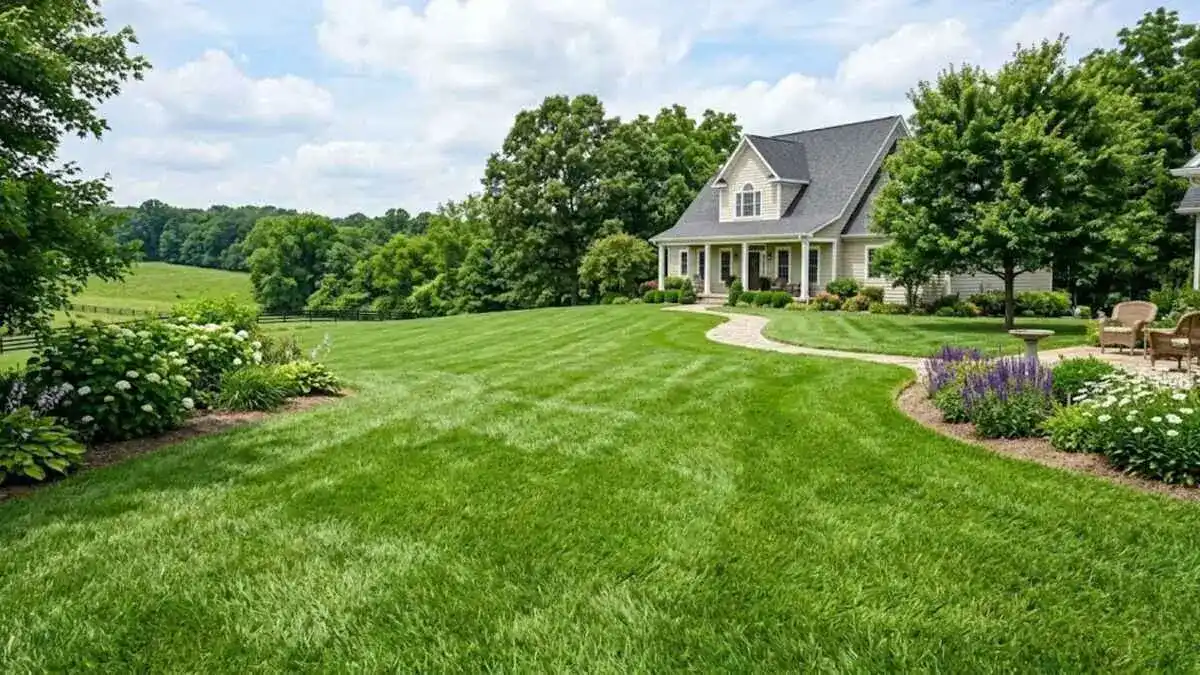
Kentucky bluegrass is the dark green, soft, carpet-like lawn most people picture. It spreads through rhizomes, which are underground stems that send up new shoots. That lets it repair bare spots and footprints on its own, something most other cool season grasses can’t do.
The tradeoff is maintenance. Kentucky bluegrass needs more fertilizer and water than other types, and it tends to build up thatch, the spongy layer of stems and roots between the grass and the soil. It also hates heavy shade and soggy soil. Seed is slow too, taking up to two weeks just to sprout.
Best for: sunny lawns in the North where you can water in summer.
Tall Fescue: The Most Heat-Tolerant Cool Season Grass
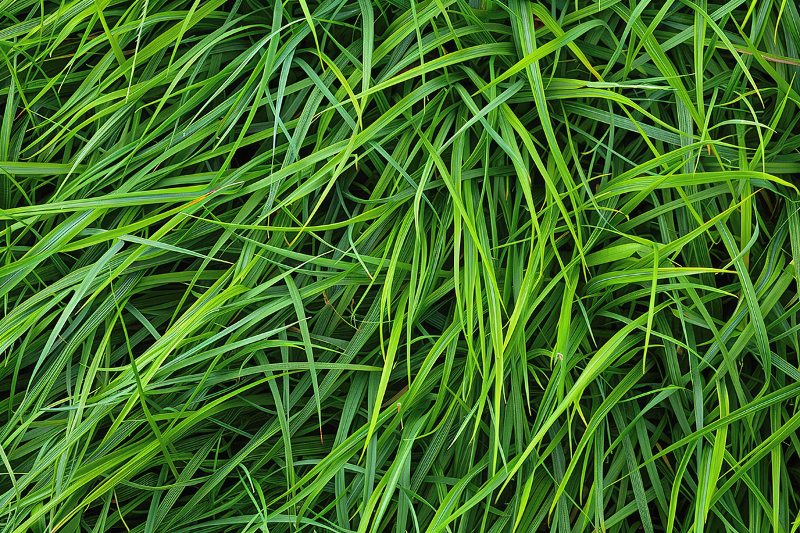
Tall fescue is the toughest of the group. Penn State ranks it the most heat and drought tolerant cool season turfgrass, and it owes that to roots that grow much deeper than bluegrass roots. It handles foot traffic, kids, and dogs well and needs less fertilizer.
One warning: buy “turf-type” tall fescue. Older varieties like Kentucky 31 are coarse and light green and look clumpy in a lawn. Tall fescue grows in bunches instead of spreading, so bare spots need to be overseeded rather than filling in by themselves.
Best for: the transition zone, hot northern suburbs, and lawns that don’t get much water.
Perennial Ryegrass: The Fastest to Germinate
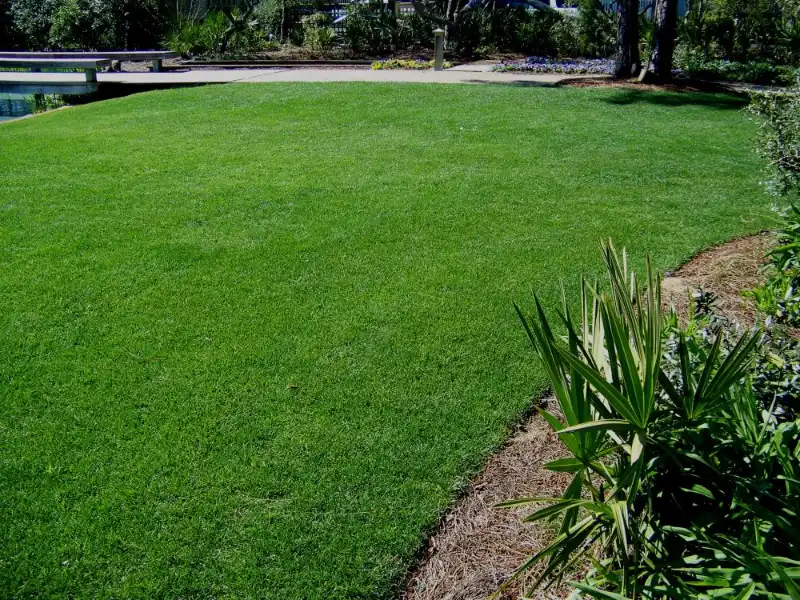
Perennial ryegrass sprouts in just 5 to 7 days and gives you a dark, glossy lawn fast. That speed makes it the go-to grass for overseeding thin turf and for giving slower grasses cover while they establish. Many newer varieties also carry endophytes, which are helpful fungi living inside the plant that fight off insects like chinch bugs and sod webworms.
Here’s the catch: it’s aggressive. Penn State recommends keeping it under 20 percent of a seed mix so it doesn’t choke out the other grasses. It also struggles with harsh winters and doesn’t recover well from damage.
Best for: quick repairs, blends, and mild climates like the Pacific Northwest.
Fine Fescues: The Best Cool Season Grass for Shade
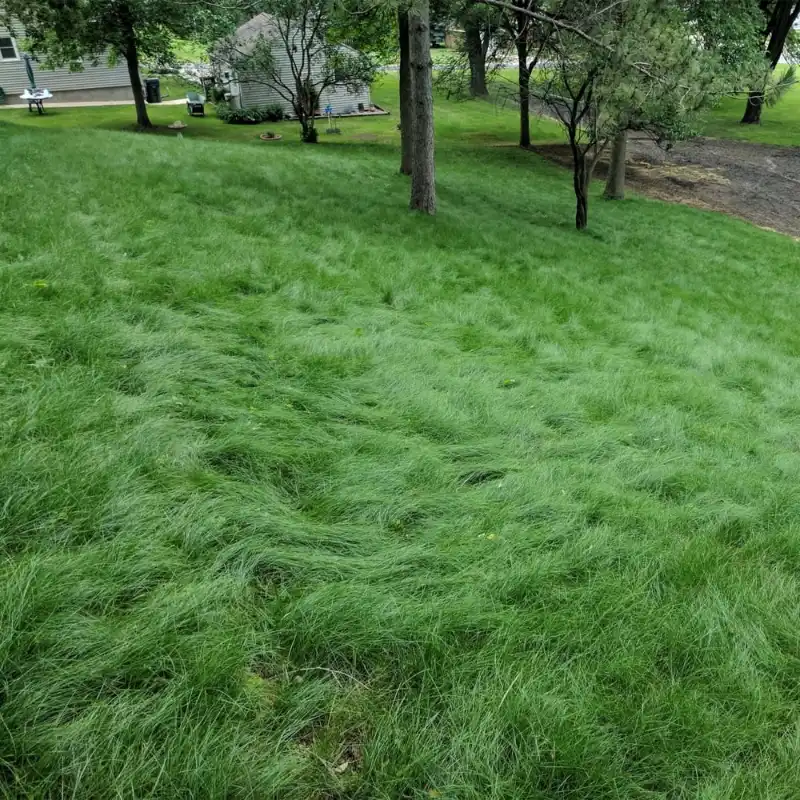
Fine fescue is a family of five grasses: strong creeping red, slender creeping red, Chewings, hard, and sheep fescue. All have thin, needle-like blades. As a group, they tolerate shade, dry soil, poor soil, and low fertilizer better than any other cool season type.
But wait, shade has limits. The University of Illinois Extension’s shady lawn guide notes that even these grasses need at least 2 hours of direct sun a day. Fine fescues also dislike heavy traffic, hot humid summers, and wet soil.
Best for: shady yards under trees, low-input lawns, and no-mow areas.
Rough Bluegrass: For Wet Shade Only
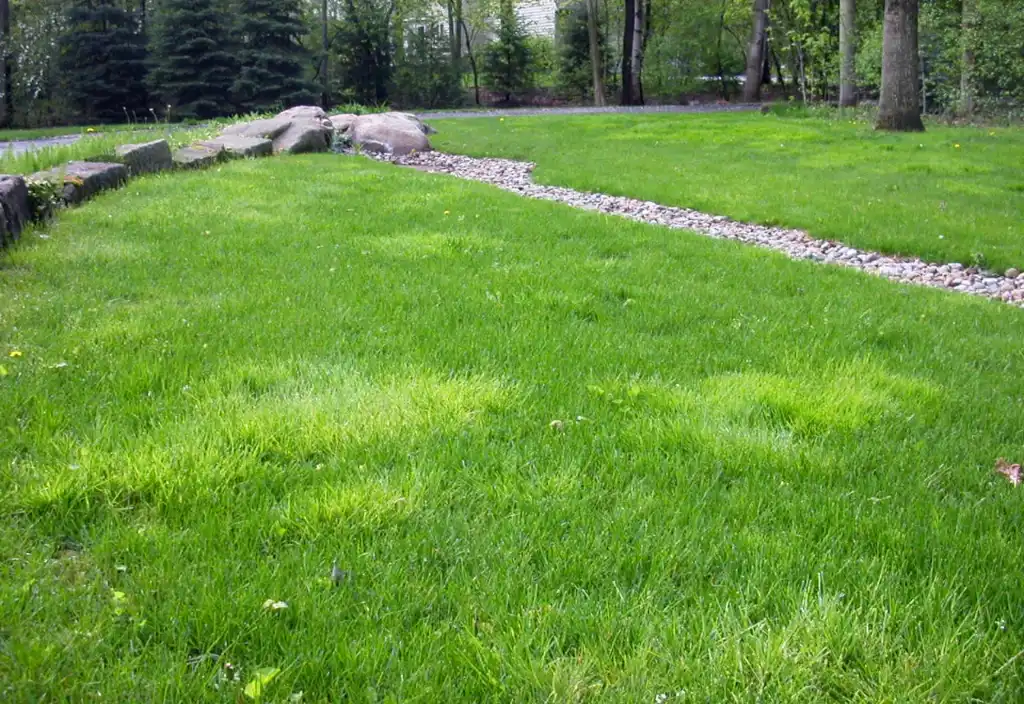
Rough bluegrass (Poa trivialis) looks like a lighter green Kentucky bluegrass and spreads through above-ground runners called stolons. It thrives in damp, shady spots where almost nothing else grows.
Outside that niche, it’s a problem. In sunny, dry areas it browns out fast in summer, and it forms pale patches when mixed with other grasses. Many homeowners treat it as a weed.
Best for: wet, shaded corners only.
Bentgrass: A Golf Grass That Isn’t for Home Lawns
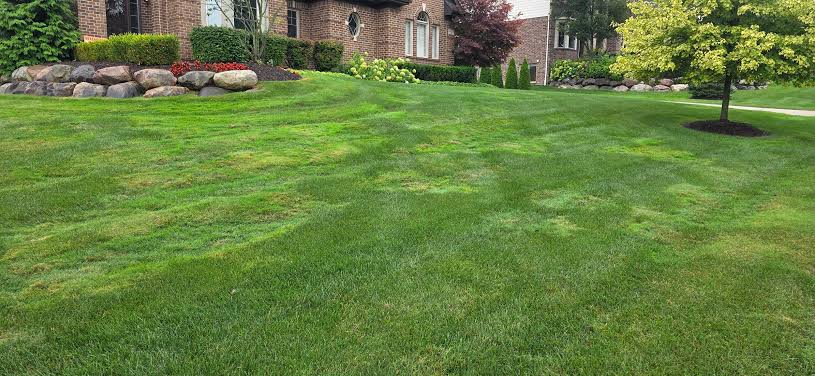
Creeping bentgrass is the grass on golf greens, mowed as low as a quarter inch. It’s beautiful at that height, but it demands constant watering, fungicides, and specialized mowing. Penn State states plainly that bentgrasses aren’t suitable as lawn grasses under normal care.
If you see light green, fluffy patches spreading through your lawn, it may be bentgrass that crept in.
Best for: golf courses, not backyards.
Annual Ryegrass: A Temporary Cover, Not a Lawn
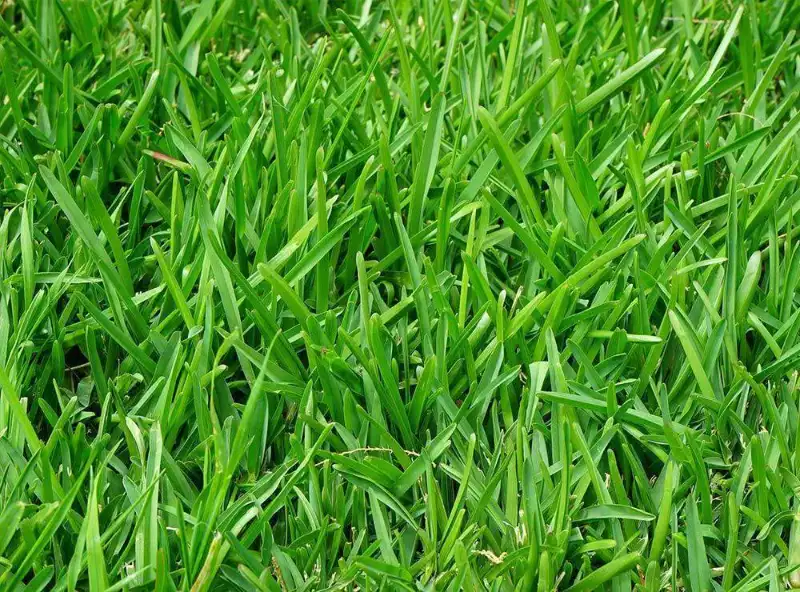
Annual ryegrass grows fast and dies within a year. It’s cheap, so budget seed mixes often pad the bag with it. The University of Minnesota Extension lists it among the poor grass choices to avoid in lawn mixes.
It does have one honest use: quick, short-term erosion control on bare soil or temporary green cover.
Best for: temporary cover, never a permanent lawn.
Cool Season Grass Types Side by Side
Grass | Heat | Drought | Shade | Foot traffic | Mowing height |
|---|---|---|---|---|---|
Tall fescue | Excellent | Excellent | Moderate | Excellent | 2.5 to 3.5 in |
Kentucky bluegrass | Moderate | Moderate | Poor | Good | 1.5 to 2.5 in |
Perennial ryegrass | Fair | Fair | Fair | Good | 1.5 to 2.5 in |
Fine fescues | Poor | Good | Excellent | Poor | 2 in or higher |
Rough bluegrass | Poor | Poor | Very good (wet shade) | Poor | 1.5 to 2.5 in |
Creeping bentgrass | Good | Moderate | Fair | Moderate | 3/16 to 3/4 in |
Ratings and mowing heights are drawn from Penn State Extension, the University of Delaware, and NC State Extension. In hot, humid stretches, keep Kentucky bluegrass at 2 inches or higher.
Best Types of Cool Season Grass by US Region
Your region decides the starting point, and your yard’s sun and traffic fine-tune it. Here’s what university turf researchers recommend in each part of the country.
Best Cool Season Grass for the Northeast and Midwest
The classic northern lawn is a Kentucky bluegrass blend with a smaller share of perennial ryegrass for quick cover. Bluegrass brings the color and self-repair, and ryegrass holds the soil while the slower bluegrass fills in.
For shady sections, shift the mix toward fine fescues. Hot, dry suburban lots and yards you won’t water in summer do better with turf-type tall fescue.
Best Cool Season Grass for the Upper Midwest and Northern Plains
Winter is the deciding factor here. The University of Minnesota Extension calls Kentucky bluegrass the state’s most popular turfgrass. It also warns that perennial ryegrass lacks winter hardiness, so keep it under 10 percent of your seed mix by weight.
Minnesota’s mix recommendations are practical:
- Full sun, watered, high traffic: 100% Kentucky bluegrass
- Sun to light shade, occasional watering: 90% tall fescue with 10% Kentucky bluegrass
- Some shade, some watering: 80% fine fescue with 20% Kentucky bluegrass
One more tip from that guide: skip tall fescue in low spots where ice sits all winter.
Best Cool Season Grass for the Transition Zone
In the transition zone, turf-type tall fescue is the clear winner. The University of Delaware names it the top cool season lawn grass for the region and suggests a seed mix that’s 90 to 100 percent tall fescue. A small share of Kentucky bluegrass, 10 percent or less, helps the lawn knit together and recover.
NC State Extension’s Carolina Lawns guide agrees, calling tall fescue the best grass if you want a lawn that stays green year-round. It recommends mowing tall fescue at 3 to 3.5 inches and never below 2.5 inches.
Here’s why that height matters: taller blades shade the soil, keep roots cooler, and crowd out crabgrass in the hot months. Some homeowners here also compare seed with sod, since sod skips the risky establishment phase. Our sod vs seed guide breaks down that choice.
Best Cool Season Grass for the Pacific Northwest and Mountain West
The mild, wet climate west of the Cascades suits perennial ryegrass better than almost anywhere else. Oregon State University Extension recommends a perennial ryegrass and fine fescue mix for sunny western lawns. For shade, it suggests a mix dominated by fine fescue with just a little ryegrass.
The drier, colder interior is different. For central and eastern Oregon, the same guide recommends Kentucky bluegrass with perennial ryegrass, since bluegrass overwinters well under snow. That advice is a useful guide for much of the inland West.
Why a Blend of Cool Season Grass Beats a Single Type
There are two ways to combine grass seed. A blend mixes several varieties of one species, like three tall fescue varieties. A mixture combines different species, like bluegrass plus fine fescue.
Both protect you. If a disease hits one variety or a shady corner stumps one species, the others hold the lawn together. NC State recommends planting a blend of two or three varieties rather than just one. The University of Minnesota says a mixture of species is generally best for most home lawns.
Before buying, read the seed label. Look for high germination rates, low weed seed, and no “VNS” (variety not stated), which usually signals cheap filler.
When to Plant Cool Season Grass (and Keep It Thriving)
The right grass planted at the wrong time still fails. Timing and a few care basics decide whether new seed turns into a thick lawn or a patchy mess.
The Fall Seeding Window
Late summer to early fall is the best time to plant any cool season grass. Soil is still warm enough for fast germination, air temperatures are dropping, and weeds are slowing down. NC State recommends seeding from mid-August to October 1, depending on location, and warns that later seeding raises the risk of winter injury.
Northern states should aim for the early end of that window. The transition zone can push toward late September and early October.
What if you miss fall? Early spring is the backup plan, but it’s a gamble. NC State notes that spring seedlings often don’t root deeply enough before summer heat arrives. Our fall overseeding guide covers prep and timing step by step, and the new lawn seed watering schedule keeps those first two weeks on track.
One timing trap to know: Kentucky bluegrass sprouts 7 to 14 days later than other cool season grasses. If your mix contains bluegrass, keep watering until the bluegrass seedlings show up, not just the fast ryegrass.
Mowing and Feeding Basics by Grass Type
Mow high and mow often. Remove no more than one-third of the blade at a time, and use the mowing heights in the comparison table above. In summer, raise the deck to the top of each grass’s range to protect the roots.
Feed in the right season too. Cool season lawns get most of their fertilizer in fall and a lighter feeding in spring. The University of Illinois Extension’s fertilizing guide calls late summer to early fall the optimal time and suggests about 1 pound of nitrogen per 1,000 square feet per application.
Heavy summer feeding does more harm than good. NC State links late spring and summer nitrogen on tall fescue to more disease problems. Shade lawns need even less, roughly half the nitrogen of a sunny lawn.
Not sure what your soil needs? A soil test from a certified lab takes the guesswork out of lime and fertilizer. It’s the cheapest way to avoid buying the wrong products.
FAQs About Types of Cool Season Grass
What is the most popular type of cool season grass?
Kentucky bluegrass is the most popular cool season grass across the northern US, prized for its color and ability to spread and self-repair. In the transition zone, turf-type tall fescue takes the top spot because it handles heat and drought far better.
Which cool season grass handles shade best?
Fine fescues are the most shade-tolerant cool season grasses. Among them, strong creeping red and Chewings fescue handle tree shade best. Even so, plan on at least 2 hours of direct sun a day. For wet, shaded spots, rough bluegrass is the only cool season type that truly thrives.
What is the most drought-tolerant cool season grass?
Tall fescue is the most drought-tolerant type of cool season grass, thanks to its deep root system. Hard fescue is the most drought-tolerant of the fine fescues and works well in low-input lawns that won’t be watered.
Can you mix different types of cool season grass?
Yes, and most lawns perform better when you do. Kentucky bluegrass pairs well with perennial ryegrass, fine fescue, or tall fescue. Keep perennial ryegrass under 20 percent of the mix, or under 10 percent in cold northern states. Leave bentgrass, rough bluegrass, and annual ryegrass out of general lawn mixes.
When should you plant cool season grass seed?
Plant from mid-August to early October, when soil is still warm and the air is cooling. Early spring works as a backup but carries more risk. Using seed from a past season? Check whether it’s still viable with our guide on whether grass seed goes bad.
Pick the Right Cool Season Grass and Stop Reseeding Every Year
The best types of cool season grass aren’t the priciest bag on the shelf. They’re the ones that match your region, your sun, and how your family uses the yard.
- Kentucky bluegrass gives northern lawns the best color and self-repair, as long as you can water it.
- Tall fescue is the safest pick for the transition zone and any hot, dry yard.
- Fine fescues win in shade, while perennial ryegrass adds speed to a blend.
- Blends and mixtures beat single-grass lawns almost every time.
- Early fall is the window that makes or breaks new seed.
Your next step is simple. Walk your yard this week and note which areas get full sun, partial shade, or heavy foot traffic. Match each zone to the grass above, buy a quality blend with a clean seed label, and get it in the ground before early October.
About Author
Khalid Fazal is a seasoned lawn care specialist and horticultural researcher with over 15 years of hands-on experience transforming challenging landscapes into lush, resilient green spaces. His journey didn’t start in a lab, but in a backyard full of stubborn, cracked clay that “experts” said would never grow a healthy blade of grass. Refusing to accept a yard full of dust, Khalid spent years experimenting with organic soil restoration and precise mulching, eventually turning that wasteland into a neighborhood showpiece on a shoestring budget.
From mastering core aeration techniques to optimizing soil pH for specialized turf varieties, Khalid’s approach combines old-school grit with modern agronomic science. He founded Gen Lawn to provide homeowners with honest, research-backed advice that prioritizes long-term soil health over quick-fix chemical solutions. When he isn’t analyzing soil profiles, he’s developing precision tools to help others achieve professional results without the professional price tag.

Drought Resistant Grasses for Lawns [8 Picks by US Region]
Table of Contents Home / By Khalid Fazal | Updated:...
Read More
Shade Tolerant Grass: 7 Best Types by Region [Sun Hours]
Table of Contents Home / By Khalid Fazal | Updated:...
Read More
7 Types of Cool Season Grass: Best Picks by Region [2026]
Table of Contents Home / By Khalid Fazal | Updated:...
Read More
Warm Season Grass Types: 7 Best Picks by US Region [2026]
Table of Contents Home / By Khalid Fazal | Updated:...
Read More